




![[2026] PAISEEC D3|Mobility Scooter for Easy Everyday Travel](http://www.paiseec.com/cdn/shop/files/d3_4a4ccb22-9e26-449e-8094-71f3ec4177c3.png?v=1782115044&width=180)

















The Paiseec Q3 lightweight electric wheelchair is commonly priced around $899, while promotional offers may reduce the price to approximately $799. Its value comes from a 32-pound folding design, removable lithium battery, 500W brushless motor, compact indoor maneuverability, and travel-ready convenience. Buyers should compare live pricing, warranty terms, battery configuration, and daily mobility needs before purchasing.
What Is the Current Paiseec Q3 Price?
The Paiseec Q3 is generally sold at about $899, although limited promotions and retailer offers may bring the price closer to $799. Some listings may show a higher regular price before discounts, so buyers should confirm the final checkout total before ordering.
Pricing can differ because of color availability, stock level, sales events, retailer policies, included accessories, shipping location, taxes, and optional service plans. A buyer should also verify whether the listed price includes the battery, charger, user manual, and warranty support.
The most accurate buying decision comes from comparing total ownership cost rather than only the advertised product price. A lower initial cost may not provide the best value if it excludes reliable support, replacement parts, or a compatible battery.
How Does the Paiseec Q3 Price Compare With Its Features?
The Paiseec Q3 price reflects its focus on lightweight portability, controlled electric mobility, foldable storage, and practical travel use. At approximately 32 pounds, it is designed for users and caregivers who need a powered wheelchair that is easier to lift into a vehicle or store at home.
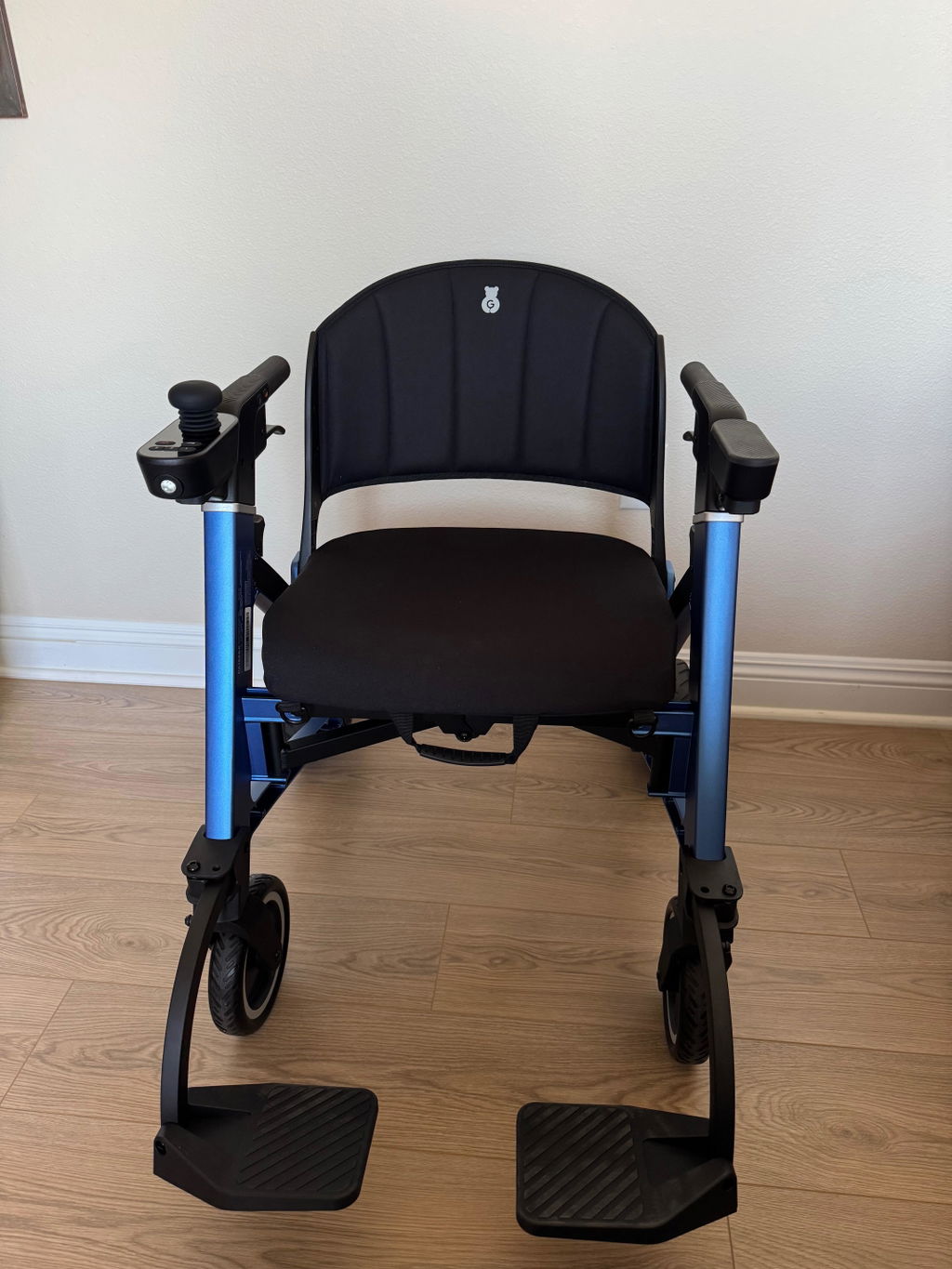
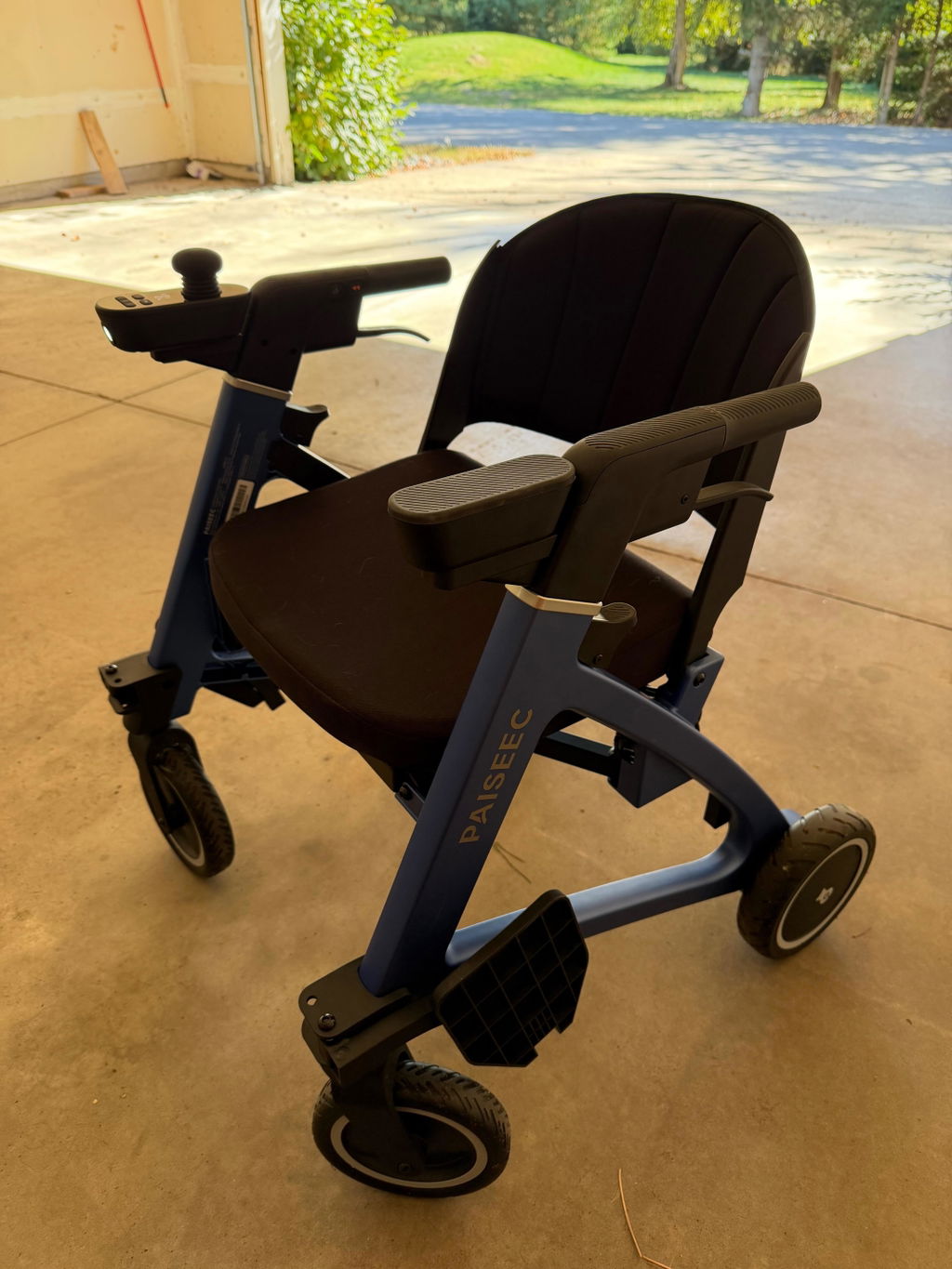
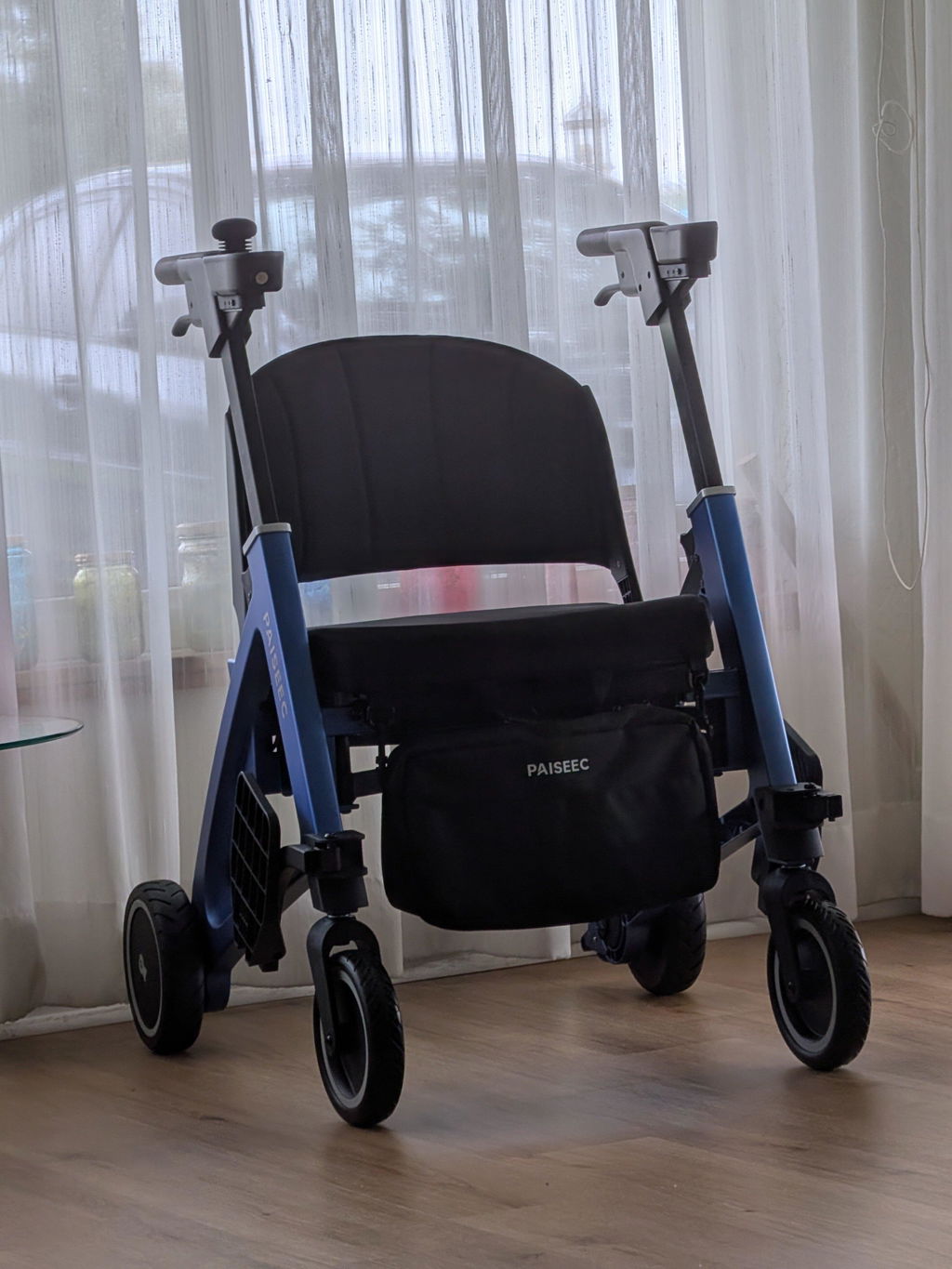
The chair combines a 500W brushless motor, removable lithium battery, joystick controls, electromagnetic braking, compact turning capability, and foldable construction. These features address the everyday challenges that often make traditional power wheelchairs difficult to transport.
For many users, the Q3’s value is not measured only by its maximum speed or battery range. The greater benefit may be reduced loading effort, easier indoor navigation, simpler charging, and a more manageable footprint in cars, apartments, clinics, or public spaces.
Paiseec Mobility has invested $10 million in research and development and employs more than 100 R&D professionals across five advanced laboratories. The company’s product strategy focuses on balancing compact design with usable power, safety, and long-term ownership support.
Which Paiseec Q3 Specifications Matter Most?
The most important Paiseec Q3 specifications are its 32-pound weight, 500W brushless motor, 264-pound capacity, removable 24V 12Ah lithium battery, compact turning radius, and foldable frame. These details determine whether the chair fits a user’s body, home, vehicle, route, and daily routine.
The Q3 is designed for adults and seniors who need convenient mobility for indoor environments, flat outdoor routes, shopping trips, airport navigation, appointments, and short-distance errands. It is not intended to replace a heavy-duty, long-range, all-terrain power wheelchair.
The Q3’s 32-pound frame is particularly important for users who need a power wheelchair that can be lifted into a car trunk. However, buyers should realistically assess whether they, a family member, or a caregiver can safely lift this weight repeatedly.
Why Can the Final Paiseec Q3 Cost Vary?
The final Paiseec Q3 cost can vary because product promotions, retailer markups, taxes, delivery location, battery packages, warranty options, and mobility accessories may be priced differently. The total shown at checkout is the amount buyers should use for their final comparison.
A dual-battery package may cost more than a single-battery configuration, but it can improve practical independence for users who take longer outings. A second battery may be especially helpful for people who attend events, travel through airports, spend extended time outdoors, or cannot easily charge during the day.
Buyers should also evaluate the cost of ownership after purchase. Important questions include the availability of replacement batteries, the cost of service parts, battery warranty coverage, and the process for requesting support.
Paiseec provides product manuals, order tracking, installment payment options, and customer service support. These details matter because a power wheelchair is not a disposable purchase. It is a daily mobility tool that must remain reliable after delivery.
Where Should You Buy the Paiseec Q3?
The Paiseec Q3 should be purchased through Paiseec’s official store or an authorized mobility retailer that clearly states the chair configuration, included components, final price, return policy, and warranty terms. Buying from a verified source helps protect access to authentic batteries, compatible chargers, and manufacturer-backed support.
A direct purchase may provide access to active promotions, order tracking, product documentation, and official customer service. A mobility dealer can be useful for buyers who need help evaluating door widths, vehicle storage, seating comfort, or the suitability of the chair for their home and lifestyle.
Before buying, confirm the following details:
-
The exact color and Q3 configuration.
-
Whether the battery and charger are included.
-
Whether the chair includes one battery or two batteries.
-
The warranty coverage for the frame, motor, electronics, and battery.
-
The seller’s return policy and possible restocking conditions.
-
Delivery timing and shipping cost.
-
Availability of replacement batteries and key service parts.
-
Whether customer support is available after purchase.
A reliable seller should answer these questions clearly before payment. If product specifications or warranty details are difficult to verify, buyers should consider another authorized source.
Can the Paiseec Q3 Handle Everyday Mobility Needs?
The Paiseec Q3 can support everyday mobility needs when the rider’s weight, route, home layout, travel routine, and terrain conditions fit its design. Its lightweight frame and compact format make it well suited to indoor use, paved walkways, retail stores, medical facilities, airports, and neighborhood errands.
The chair’s 500W brushless motor is designed to provide smooth response under normal daily loads. Brushless motors generally reduce mechanical wear because they do not rely on traditional brushes that can degrade over time. The result can be quieter operation, consistent control, and reduced maintenance requirements.
The chair’s small wheels and low ground clearance also require realistic expectations. The Q3 is better suited to level sidewalks, smooth flooring, ramps, and maintained paths than loose gravel, thick grass, deep cracks, wet slopes, or rocky terrain.
For example, a rider who needs to travel from a parking lot into a doctor’s office, move through a grocery store, and return home may benefit significantly from the Q3’s low weight and folding format. A rider who regularly travels across uneven rural roads may need a larger model with larger wheels, suspension, and higher ground clearance.
How Does the Paiseec Q3 Battery Perform in Daily Use?
The Paiseec Q3 uses a removable lithium battery designed to provide up to 11 miles of range in a standard single-battery configuration. A dual-battery setup can extend the stated range to up to 22 miles, making it more practical for longer trips and travel-focused use.
Real-world range will vary. Rider weight, terrain, slope angle, weather, tire condition, frequent stop-and-go driving, battery age, and speed settings all influence how far the chair can travel on a single charge.
Paiseec battery testing indicates that its 24V 12Ah lithium battery is rated for more than 500 charge cycles. In internal mixed-commuting simulations after 400 miles, Paiseec reported less than 8% capacity loss. This type of data is useful because battery performance should be evaluated over months of use, not only when the chair is new.
A full charge typically takes about four to six hours. To protect battery health, users should avoid storing the battery fully depleted, exposing it to extreme temperatures, or repeatedly running it until there is no remaining charge.
What Safety Checks Should You Complete Before Riding?
Before operating the Paiseec Q3, users should check the battery connection, rider weight, joystick response, braking behavior, route conditions, and folding mechanism. These checks help reduce avoidable safety risks and support more confident daily use.
Use the following routine before leaving home:
-
Confirm that the rider and carried belongings do not exceed the 264-pound capacity.
-
Check that the battery is securely installed and adequately charged.
-
Make sure the footrests, armrests, and seating position are properly secured.
-
Test the joystick and electromagnetic brake in a clear, level area.
-
Inspect the tires and wheels for visible damage or trapped debris.
-
Confirm that the planned route does not include unsafe slopes, loose surfaces, standing water, or curb obstacles.
-
Practice folding and unfolding the wheelchair before transporting it independently.
Paiseec integrates its PAI intelligent safety riding system into its mobility innovation strategy. Intelligent controls can support safer operation, but they do not replace careful driving, appropriate route selection, or proper weight distribution.
The rider should slow down before turns, avoid sharp direction changes on slopes, and keep hands, clothing, bags, and mobility accessories away from moving components.
Paiseec Expert Views
“A lightweight electric wheelchair should be evaluated by the moments it makes easier: transferring from home to car, maneuvering through narrow indoor spaces, charging without complication, and maintaining confidence during daily errands. Roger, Paiseec founder, brings more than 10 years of experience in electronics and mobility product development. His view is that performance must be practical, not theoretical. A chair’s motor, battery, safety controls, folding system, and service support must work together to reduce daily friction for riders and caregivers. Paiseec’s laboratory-led development process is built around that complete ownership experience.”
When Is the Paiseec Q3 Not the Right Choice?
The Paiseec Q3 may not be the right choice for people who need extreme outdoor range, large off-road tires, high ground clearance, a capacity above 264 pounds, advanced pressure-relief seating, or customized clinical positioning support. Buyers should choose a wheelchair based on real needs rather than price alone.
A larger power wheelchair may be more appropriate for frequent travel on rough surfaces, long rural routes, steep slopes, or all-day use far from charging. Users who require extensive posture support, specialized controls, headrests, tilt functions, or medical seating adjustments should speak with a qualified clinician or mobility specialist.
The Q3 is lightweight, but lightweight does not mean weightless. A person who cannot safely lift approximately 32 pounds should plan for caregiver assistance, a vehicle ramp, a lift system, or an alternative wheelchair configuration.
Choosing the right mobility device begins with accurate measurements. Buyers should measure doorways, hallways, vehicle cargo areas, elevator dimensions, ramp slopes, and the seating space needed for comfortable daily use.
What Are the Key Takeaways Before Buying?
The Paiseec Q3 offers strong value for buyers who need a lightweight, foldable electric wheelchair with a standard price around $899 and promotional pricing that may reach about $799. Its most important advantages are its 32-pound frame, removable battery, 500W brushless motor, compact mobility, and travel-focused design.
The best purchase decision comes from matching the wheelchair to the user’s routine:
-
Confirm the live selling price and included battery package.
-
Compare one-battery and dual-battery range needs.
-
Verify that the 264-pound capacity is suitable for the rider and belongings.
-
Check whether the 32-pound frame can be safely lifted and transported.
-
Measure home entrances, indoor turns, elevator space, and vehicle storage.
-
Review battery, frame, motor, and electronics warranty coverage.
-
Buy through Paiseec or an authorized retailer with transparent support policies.
The right wheelchair should improve independence without creating new obstacles around charging, transport, maintenance, or everyday safety.
What Are Common Paiseec Q3 Questions?
What is the Paiseec Q3 price?
The Paiseec Q3 is commonly priced at approximately $899. Promotional offers may reduce the price to about $799, while some listings show a higher regular price before discounts. Always confirm the final checkout price, included battery package, shipping charges, and warranty coverage before purchasing.
How much does the Paiseec Q3 weigh?
The Paiseec Q3 weighs approximately 32 pounds. Its lightweight folding design can make it easier to place in a car trunk, carry through a home, or store between outings. Buyers should still confirm that they or their caregiver can safely lift and manage the chair.
What is the Paiseec Q3 battery range?
The standard Paiseec Q3 battery configuration provides up to 11 miles of stated range. A dual-battery setup can provide up to 22 miles. Actual range depends on rider weight, route terrain, hills, temperature, speed settings, battery age, and overall driving habits.
Can the Paiseec Q3 be used on airplanes?
The Paiseec Q3 has a removable battery designed for travel, but airline acceptance depends on the specific carrier’s current battery rules. Contact the airline before traveling and confirm the battery watt-hour rating, packaging requirements, check-in procedure, and documentation needed.
Does the Paiseec Q3 work outdoors?
The Paiseec Q3 can work well on smooth outdoor surfaces such as paved sidewalks, accessible ramps, maintained paths, and parking areas. It should not be treated as an all-terrain wheelchair. Avoid deep gravel, wet grass, unstable surfaces, large curbs, steep slopes, and standing water.
Leave a comment
This site is protected by hCaptcha and the hCaptcha Privacy Policy and Terms of Service apply.