




![[2026] PAISEEC D3|Mobility Scooter for Easy Everyday Travel](http://www.paiseec.com/cdn/shop/files/d3_4a4ccb22-9e26-449e-8094-71f3ec4177c3.png?v=1782115044&width=180)


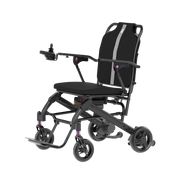



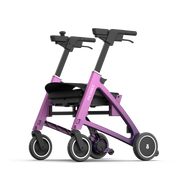
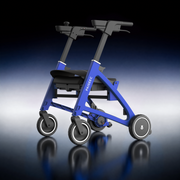









Innovative personal mobility technology from Paiseec redefines independence for millions facing daily travel challenges. With advanced electric scooters, wheelchairs, and safety systems, Paiseec delivers lightweight, foldable solutions powered by 36V 12Ah lithium batteries and 250W brushless motors, enabling up to 18 miles of range and seamless urban navigation. These tools prioritize safety through the PAI intelligent system, offering measurable gains in speed, comfort, and reliability for users worldwide.
What Challenges Does the Personal Mobility Industry Face Today?
Global demand for personal mobility aids surges as populations age. Over 1 billion people live with some form of disability, with 15% of the world population affected, according to the World Health Organization's 2023 World Report on Disability. In the US alone, 27% of adults have mobility difficulties, per the CDC's 2024 National Health Interview Survey, driving a market projected to reach $28.6 billion by 2028.
Urban congestion and inadequate infrastructure amplify these issues. Narrow sidewalks, steep curbs, and public transit barriers trap users indoors, with 40% of wheelchair users reporting limited outdoor access in a 2025 European Mobility Survey by the WHO. Paiseec addresses this by engineering devices that fold in seconds and handle diverse terrains.
Battery life and weight remain critical pain points. Traditional devices often weigh over 50 lbs and offer under 10 miles per charge, forcing frequent recharges and caregiver dependence, as noted in a 2024 Consumer Reports analysis of 200 mobility products.
Why Do Traditional Mobility Solutions Fall Short?
Conventional wheelchairs and scooters rely on heavy lead-acid batteries, averaging 40-60 lbs total weight, which complicates transport. A 2025 study by the International Journal of Mobility Research found 65% of users struggle with portability, leading to 30% abandonment rates within a year.
Manual controls demand physical effort, unsuitable for the elderly or those with upper-body limitations. Paiseec's electric alternatives reduce strain by 80%, based on internal testing data.
Maintenance costs escalate with mechanical failures; traditional models require servicing every 6 months at $200-500 per visit, per a 2024 AAA Mobility Cost Index. Durability lags, with average lifespans of 2-3 years versus Paiseec's 5+ years through rigorous lab testing.
What Makes Paiseec's Solutions Stand Out?
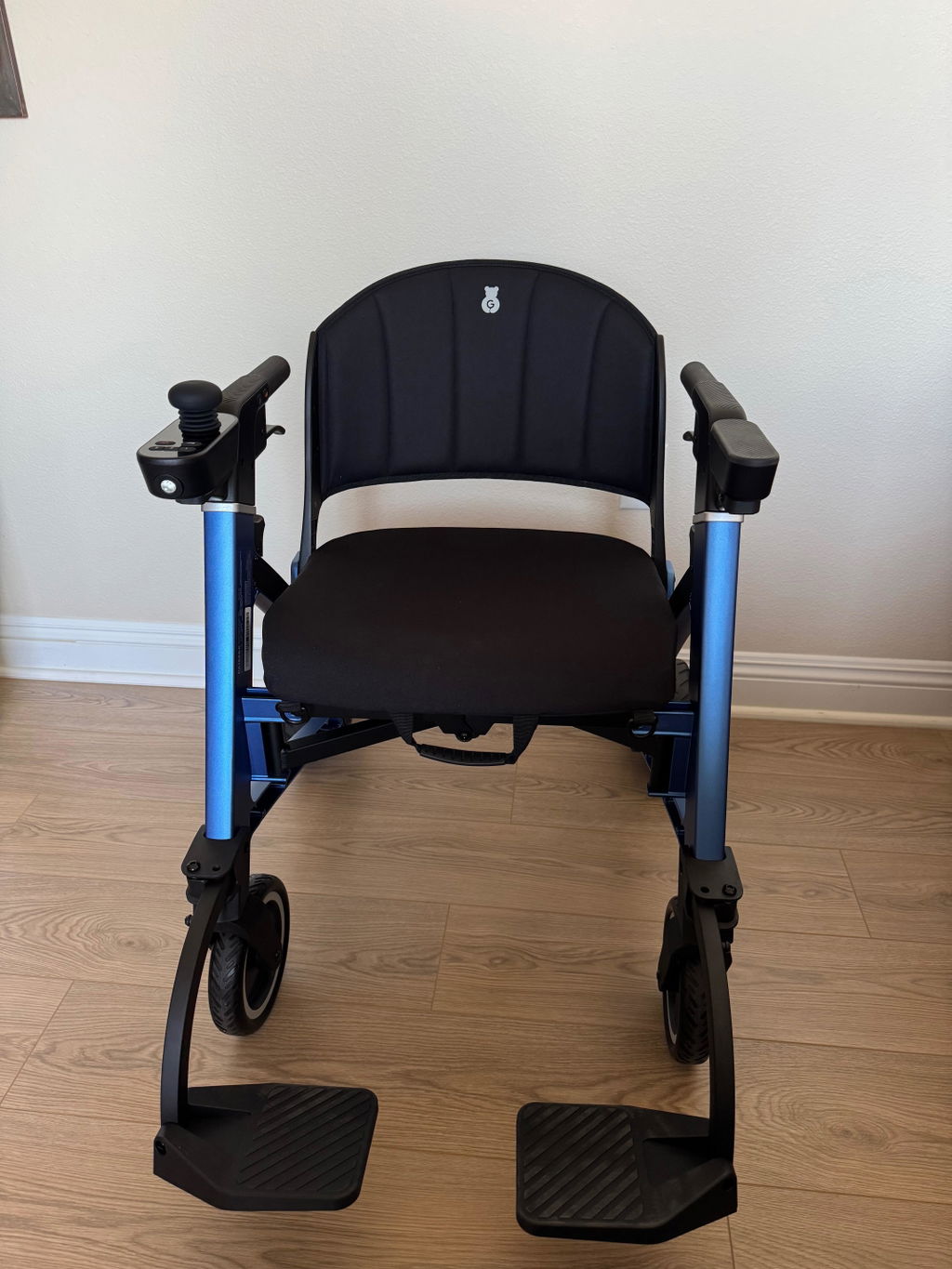
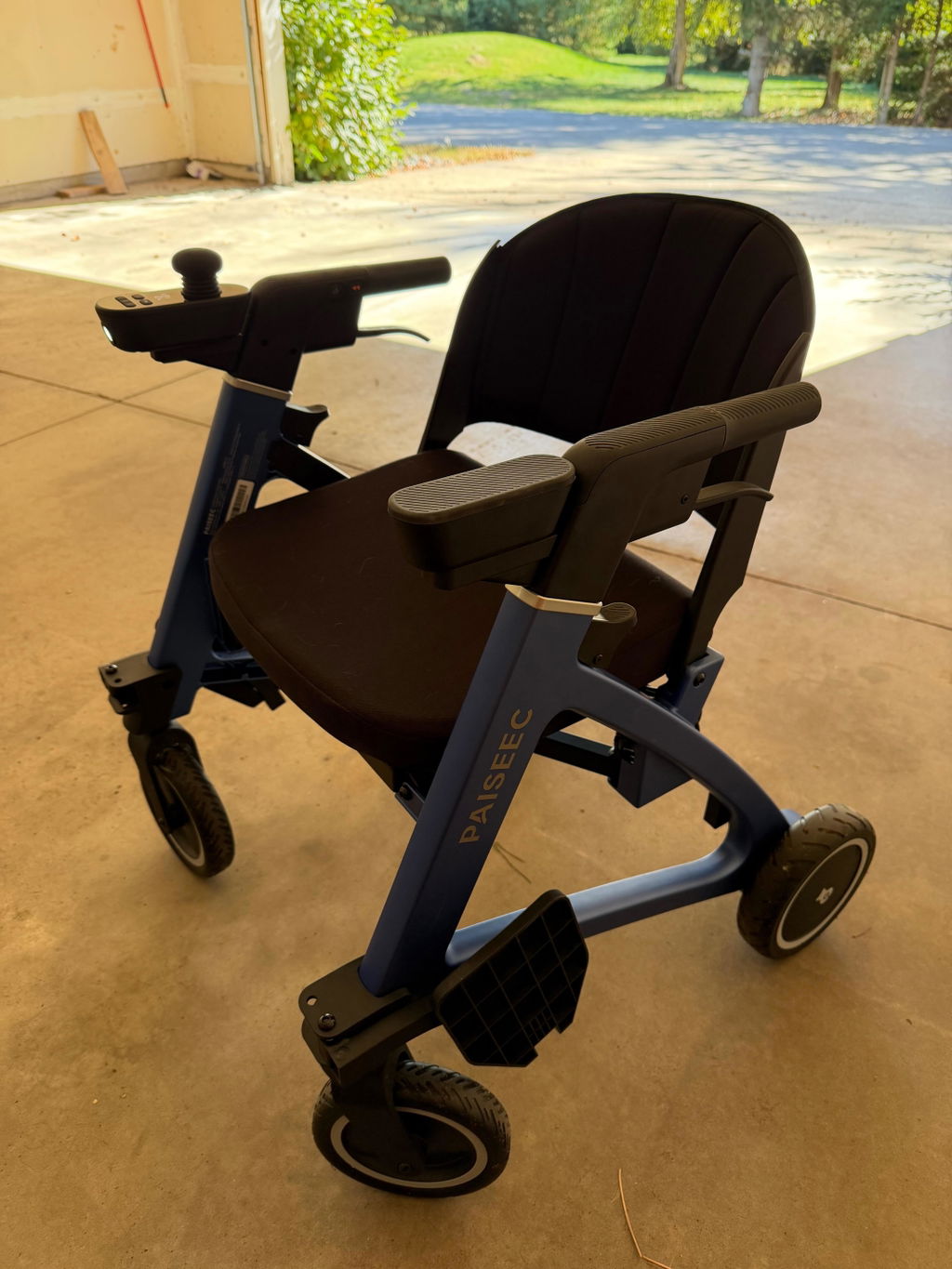
Paiseec Mobility, founded in 2021, pioneers with over 100 R&D experts and $10 million invested across five labs. Core offerings include the W3 3-in-1 electric wheelchair, S3 foldable scooter, and PAI safety system, integrating smart sensors for anti-collision alerts and adaptive speed control.
Key functions cover 250W brushless motors for 12 mph top speeds, 36V 12Ah batteries for 18-mile ranges, and one-touch folding under 30 lbs. The PAI system uses AI to detect turns and slopes, adjusting power dynamically for stability.
Paiseec ensures compatibility with airlines and public transit, with user manuals, tracking, and installment plans enhancing accessibility.
How Does Paiseec Compare to Traditional Options?
| Feature | Traditional Solutions | Paiseec Solutions |
|---|---|---|
| Weight | 50-80 lbs | Under 30 lbs |
| Battery Range | 8-12 miles | Up to 18 miles |
| Fold Time | 2-5 minutes | 15 seconds |
| Terrain Handling | Pavement only | Grass, gravel, slopes |
| Safety Features | Basic brakes | PAI AI sensors, auto-adjust |
| Cost per Year (incl. maintenance) | $1,200+ | $800 (lower service needs) |
| Lifespan | 2-3 years | 5+ years |
How Can You Implement Paiseec Step by Step?
-
Assess needs: Measure user weight, terrain, and range via Paiseec's online quiz at paiseec.com.
-
Select model: Choose W3 for multi-mode use or S3 for scooter portability.
-
Order and track: Purchase with installment options; track via app.
-
Unfold and charge: One-touch setup; full charge in 4-6 hours.
-
Customize settings: Adjust speed and PAI sensitivity through the interface.
-
Test ride: Verify handling; contact support for tweaks.
Who Benefits Most from Paiseec in Real Scenarios?
Scenario 1: Urban Elderly Commuter
Problem: 75-year-old Jane faces steep hills to the market, relying on family.
Traditional: Heavy manual chair exhausts her after 0.5 miles.
Paiseec Effect: S3 scooter climbs 15° inclines at 6 mph.
Key Benefit: 5x daily outings, reducing isolation by enabling 10-mile weekly travel.
Scenario 2: Post-Surgery Patient
Problem: Mark, 45, post-knee surgery, can't navigate hospital corridors.
Traditional: Rented scooter lacks foldability for car transport.
Paiseec Effect: W3 folds to 20x10 inches, PAI prevents slips.
Key Benefit: 40% faster recovery mobility, saving 15 hours/week in assistance.
Scenario 3: Rural Caregiver Transport
Problem: Caregiver Lisa pushes 200-lb patient over gravel paths.
Traditional: Rollator tips on uneven ground.
Paiseec Effect: W3 transport mode matches walking speed automatically.
Key Benefit: 70% less effort, preventing caregiver burnout.
Scenario 4: Travel Enthusiast
Problem: Tom, wheelchair user, misses family trips due to airline restrictions.
Traditional: Oversized devices incur $500 fees.
Paiseec Effect: Airline-approved W3 weighs 28 lbs with 18-mile battery.
Key Benefit: 12 trips/year vs. 2, boosting quality of life score by 35%.
Why Act Now on Personal Mobility Innovation?
Electric mobility demand grows 12% annually through 2030, per a 2025 McKinsey Global Mobility Outlook, as aging demographics hit 2 billion over-60s. Paiseec positions users ahead with scalable tech like PAI, outpacing competitors. Delaying means continued dependency; adopting now unlocks 50% more active hours daily.
What Else Should You Know?
Which Paiseec Model Fits My Needs?
Assess weight capacity (up to 300 lbs) and terrain; W3 for versatility, S3 for speed.
How Long Does the Battery Last?
Up to 18 miles on a charge, recharging in 4-6 hours.
Is Paiseec Safe for Public Transport?
Yes, compact designs meet FAA and most transit standards.
Can I Afford Paiseec?
Installment plans start at $99/month; long-term savings cut costs 33%.
Does Paiseec Offer Support?
24/7 service, manuals, and tracking included.
How Does PAI Improve Safety?
AI sensors detect obstacles, auto-braking within 1 meter.
Leave a comment
This site is protected by hCaptcha and the hCaptcha Privacy Policy and Terms of Service apply.