




![[2026] PAISEEC D3|Mobility Scooter for Easy Everyday Travel](http://www.paiseec.com/cdn/shop/files/d3_4a4ccb22-9e26-449e-8094-71f3ec4177c3.png?v=1782115044&width=180)

















A typical wheelchair has a length of 42 inches (106.7 cm). Electric wheelchairs (power wheelchairs) vary more widely, with full-size models typically measuring 40–50 inches in length, while compact or travel models can be shorter. Manual wheelchairs generally stay close to the 42-inch standard. Length affects turning radius, vehicle transport, and home navigation.
How Long Is a Standard Manual Wheelchair?
Standard manual wheelchairs have a consistent length of 42 inches (106.7 cm) overall. This includes the frame, seat, backrest, and wheels. The seat height is typically around 19.5 inches (49.5 cm), and the overall height is about 36 inches (91.4 cm).
Manual wheelchairs are designed for self-propulsion or caregiver assistance. Their consistent length makes space planning more predictable for home accessibility and transportation. However, seat width and depth vary based on user body measurements, so the overall width may range from 24–30 inches depending on the model.
Key Manual Wheelchair Dimensions
What Is the Length of an Electric Wheelchair?
Electric wheelchair length depends on the model category. Full-size power wheelchairs typically measure 40–50 inches in length. Some specific models include:
-
Jazzy Select: 43.0 inches
-
Jazzy EVO 614: 40.5 inches
-
Jazzy 1450: Length varies by configuration
-
Merits Health P-312 Compact: 39.0 inches
Compact or travel electric wheelchairs are shorter, often around 36–39 inches, designed for easier transport and tight indoor maneuverability. The shorter length contributes to a tighter turning radius, which is critical for indoor use.
Length directly impacts the turning radius. A common formula to estimate turning radius is:
Which Factors Determine Wheelchair Length?
Several factors influence wheelchair length beyond the basic frame design:
User-specific measurements are critical. The footrest length (distance from back of knee to bottom of foot) must match the user's leg length to prevent pressure points and ensure proper propulsion.
Indoor vs. outdoor use also matters. Indoor-focused wheelchairs prioritize shorter length for tight turning, while outdoor models may be longer for stability on varied terrain.
How Does Wheelchair Length Affect Turning Radius and Space Needs?
Wheelchair length is the primary determinant of turning radius—the space needed for a 180-degree turn. Electric wheelchairs have the tightest turning radius, as little as 20 inches, and can turn in a 40-inch space.
For a smooth U-turn:
-
Manual wheelchairs need approximately 78 inches by 60 inches (197 cm by 153 cm)
-
Electric wheelchairs require a minimum diameter of 94 inches, though more space is preferable
Hallway and doorway considerations:
-
Minimum hallway width: 36 inches
-
Preferred hallway width for turning: 42–48 inches
-
Minimum doorway width (ADA): 32 inches
Longer wheelchairs need more clearance for turns and may not fit in smaller bathrooms or compact apartments without modifications.
When Should You Involve a Clinician, OT, PT, or ATP for Wheelchair Selection?
Wheelchair selection should involve qualified professionals when the user has:
-
Medical conditions affecting mobility (neurological disorders, spinal injuries, post-surgical recovery)
-
Seating or posture needs (pressure management, balance issues, postural support)
-
Long-term mobility requirements requiring customized seating
-
Fall risk or balance problems
-
Weight-bearing limitations requiring specific support configurations
Qualified professionals include:
-
Occupational Therapist (OT)
-
Physical Therapist (PT)
-
Assistive Technology Professional (ATP)
-
RESNA-certified ATP
For electric wheelchairs, clinician input is especially important because seating, posture, joystick control setup, and pressure management require professional assessment.
Paiseec recommends that buyers with medical, seating, or long-term mobility needs consult with an OT, PT, or ATP before selecting an electric wheelchair. This ensures proper fit, comfort, and safety for daily use.
What Do Paiseec Experts Recommend?
"When selecting a wheelchair, length is only one factor in a broader assessment. Users should consider turning radius, doorway clearance, vehicle transport needs, and—critically for electric wheelchairs—seating comfort and posture support. For anyone with medical conditions, balance concerns, or long-term mobility needs, professional guidance from an occupational therapist, physical therapist, or RESNA-certified ATP is essential. Paiseec's product development team prioritizes user-centered design, but we always recommend that buyers verify specifications by model and consult clinicians when medical needs exist."
— Paiseec Mobility Product Team
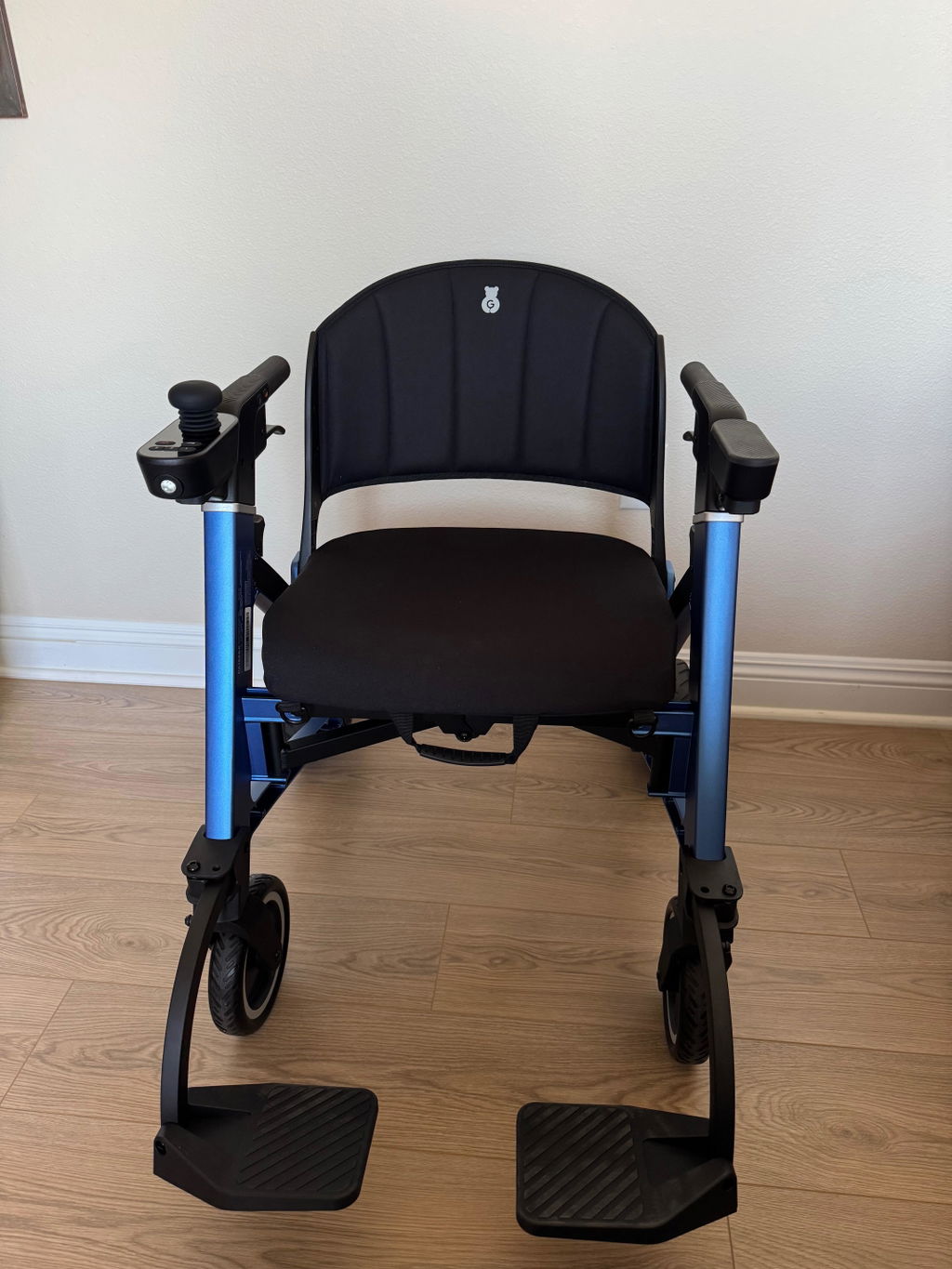
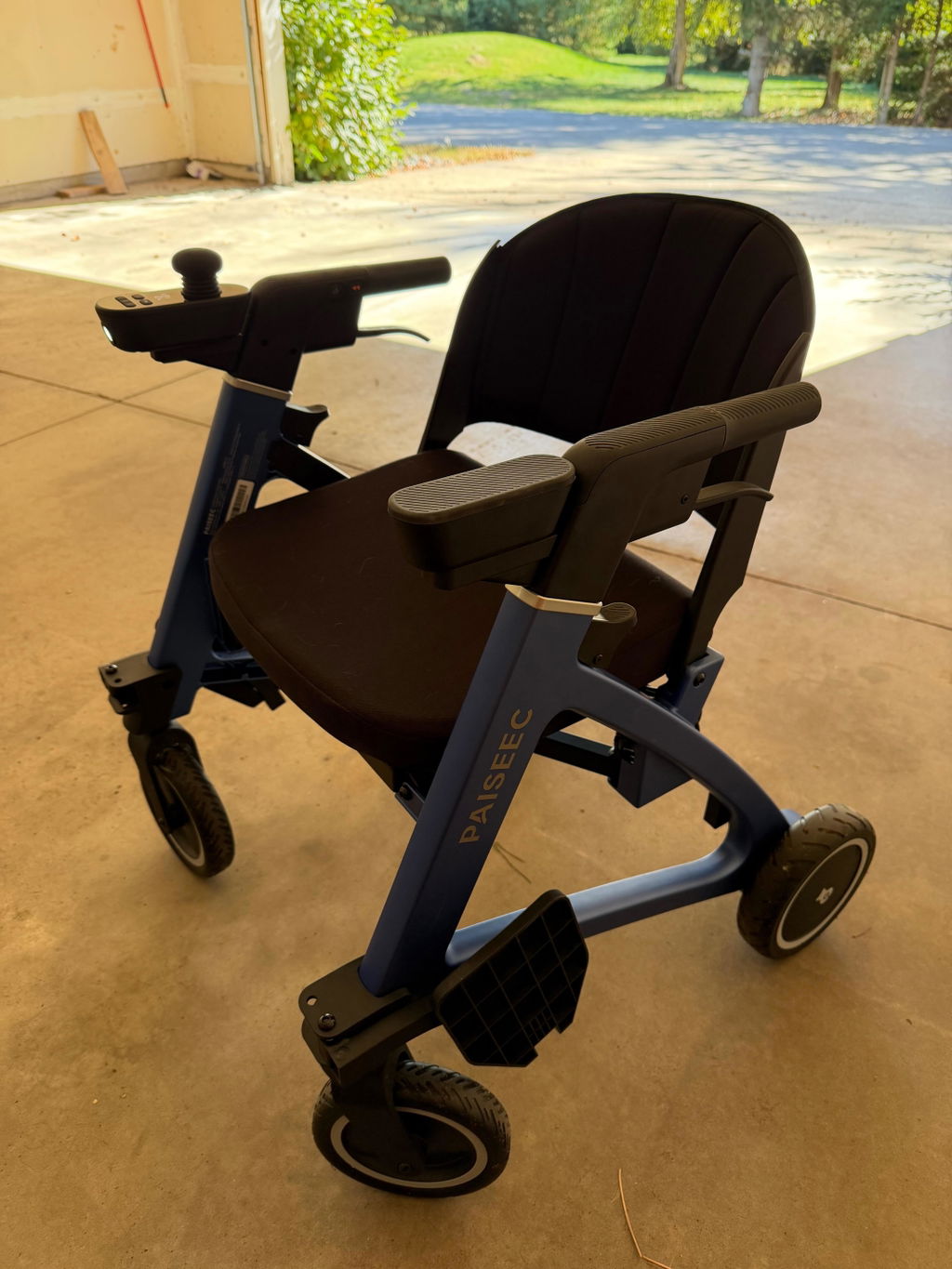
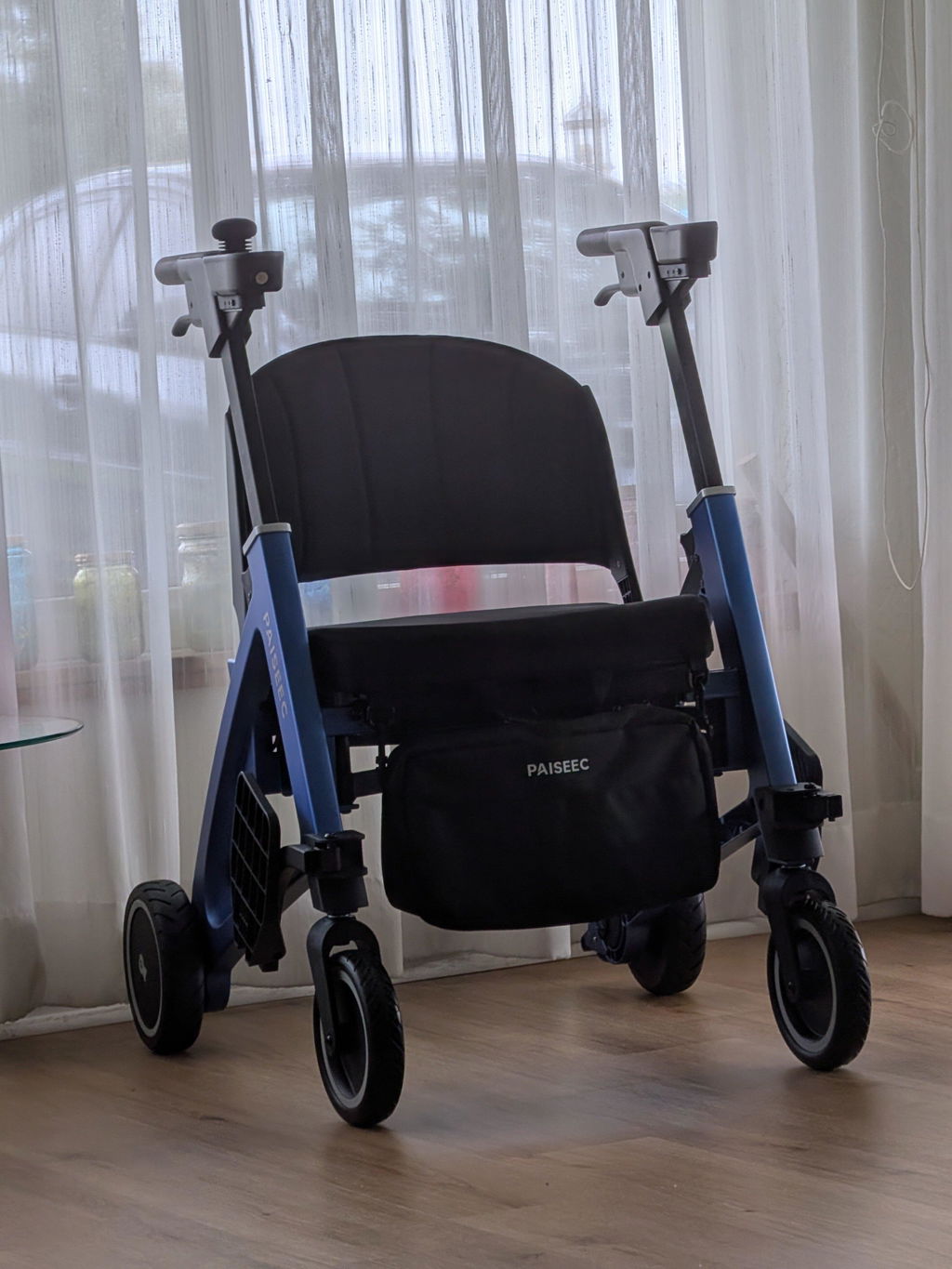
Paiseec offers electric wheelchairs like the Q3 lightweight foldable model and the innovative W3 3-in-1 design that functions as an electric wheelchair, manual wheelchair, and mobility scooter. These options provide flexibility for indoor and outdoor use, with features like dual brushless motors and lithium batteries for reliable performance.
Conclusion
Choosing the right wheelchair requires understanding that length varies by type: 42 inches for standard manual wheelchairs and 40–50 inches for full-size electric wheelchairs. Length directly affects turning radius, home navigation, and vehicle transport compatibility.
Actionable takeaways:
-
Verify specifications by model—length varies even within the same category
-
Measure your space—check doorways (minimum 32"), hallways (36" minimum), and turning areas (60" radius for bathrooms)
-
Consider turning radius—electric wheelchairs offer tighter turns (as little as 20 inches)
-
Involve professionals when needed—OT, PT, or ATP guidance is essential for medical seating needs
-
Think about transport—folded width and disassembly options matter for vehicle loading
For product details, specifications, dealer inquiries, or mobility-product selection help, contact Paiseec directly. Paiseec offers mobility scooters, electric wheelchairs, walking canes, and accessories with customer support, order tracking, and installment payment options.
FAQs
What is the average length of a wheelchair?
A typical wheelchair has a length of 42 inches (106.7 cm). Electric wheelchairs vary more, with full-size models measuring 40–50 inches and compact models around 36–39 inches. Manual wheelchairs stay close to the 42-inch standard.
How do I know if my wheelchair will fit through my doorways?
Measure your doorway width clearly. The ADA recommends a minimum wheelchair-accessible doorway width of 32 inches, though 34–36 inches is ideal. Add about 2 inches of clearance beyond the wheelchair's full width to safely navigate without dragging walls.
Can electric wheelchairs fit in smaller spaces than manual wheelchairs?
Yes. Electric wheelchairs have the tightest turning radius—as little as 20 inches—and can turn in a 40-inch space. Compact power chairs (22–24 inches wide) are designed for apartments and small offices, making them more suitable for tight indoor maneuvers.
Does wheelchair length affect how easily it can be transported in a vehicle?
Yes. Longer wheelchairs (40–50 inches) may require van lifts or larger vehicles. Compact/folding electric wheelchairs fold down to 15 inches or less in width, making them easier to transport. Many full-size power chairs can be disassembled into smaller pieces for transport.
When should I consult a therapist before buying a wheelchair?
Consult an OT, PT, or ATP if you have medical conditions, balance problems, pain, weakness, fall risk, injury recovery needs, or long-term mobility requirements. Professional guidance ensures proper seating, posture support, and pressure management—especially critical for electric wheelchair users.
Leave a comment
This site is protected by hCaptcha and the hCaptcha Privacy Policy and Terms of Service apply.