




![[2026] PAISEEC D3|Mobility Scooter for Easy Everyday Travel](http://www.paiseec.com/cdn/shop/files/d3_4a4ccb22-9e26-449e-8094-71f3ec4177c3.png?v=1782115044&width=180)


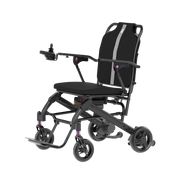












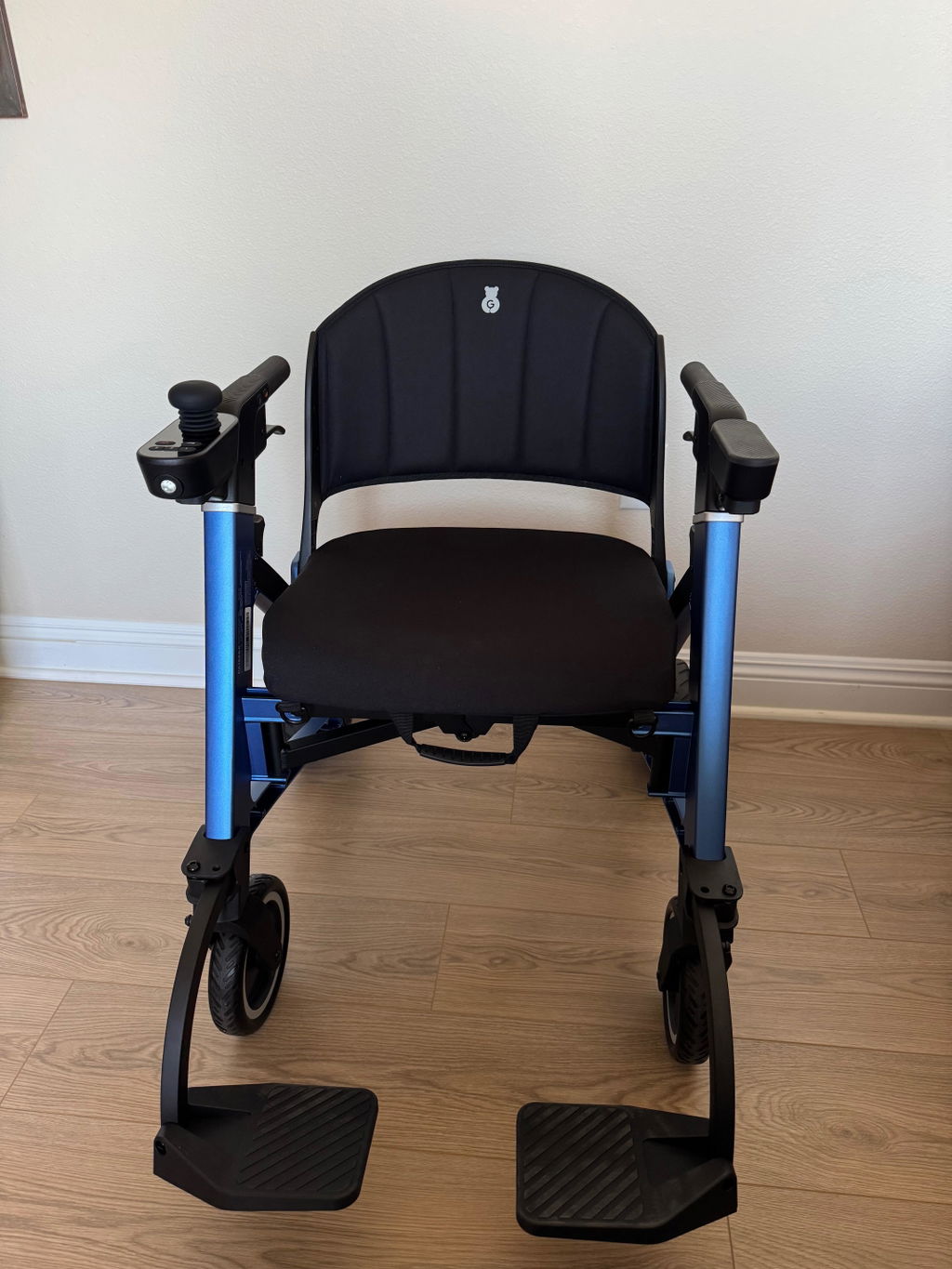
The Paiseec W1 electric wheelchair is a 2-in-1, ultra-light mobility device that functions as both a powered wheelchair and a rollator-style walking aid. Weighing just 42 lbs, it folds in one step, features a 24V 12Ah detachable airline-approved battery, and delivers up to 18 miles of range with smart “PAI” safety controls for confident urban and travel use.
What Is the Paiseec W1 Electric Wheelchair Designed For?
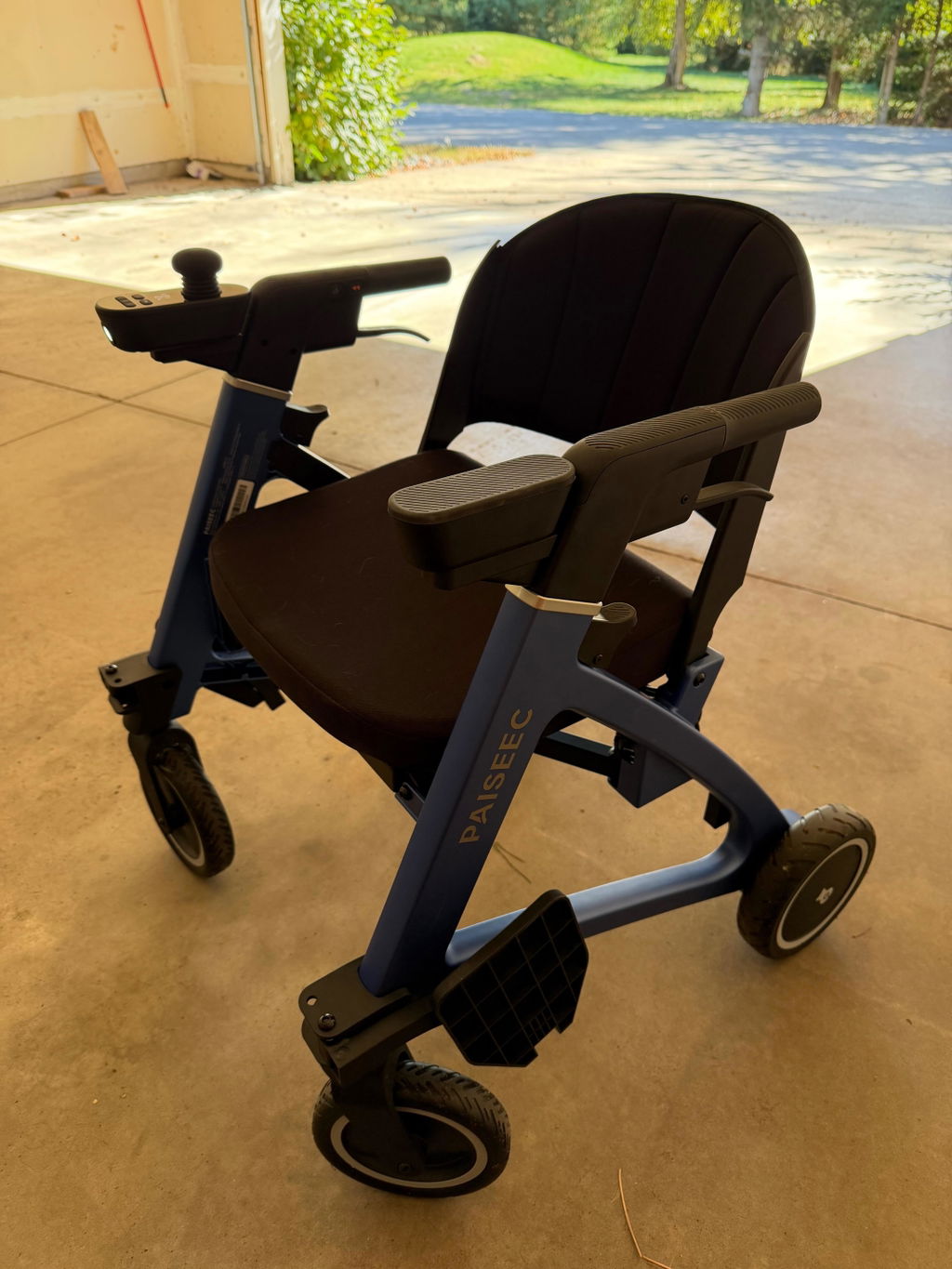
The Paiseec W1 is engineered for users who want a single device that covers both seated mobility and supported walking—ideal for seniors, travelers, and anyone with knee pain or fatigue. Its 2-in-1 design lets you ride when tired and switch instantly to walking-aid mode for stability while shopping or navigating crowded spaces. This dual functionality reduces the need to carry separate devices, making it especially valuable for active lifestyles. Paiseec specifically tuned the W1 for real-world scenarios like airport terminals, mall aisles, and neighborhood sidewalks.
How Does the 2-in-1 Mode Switching Work on the W1?
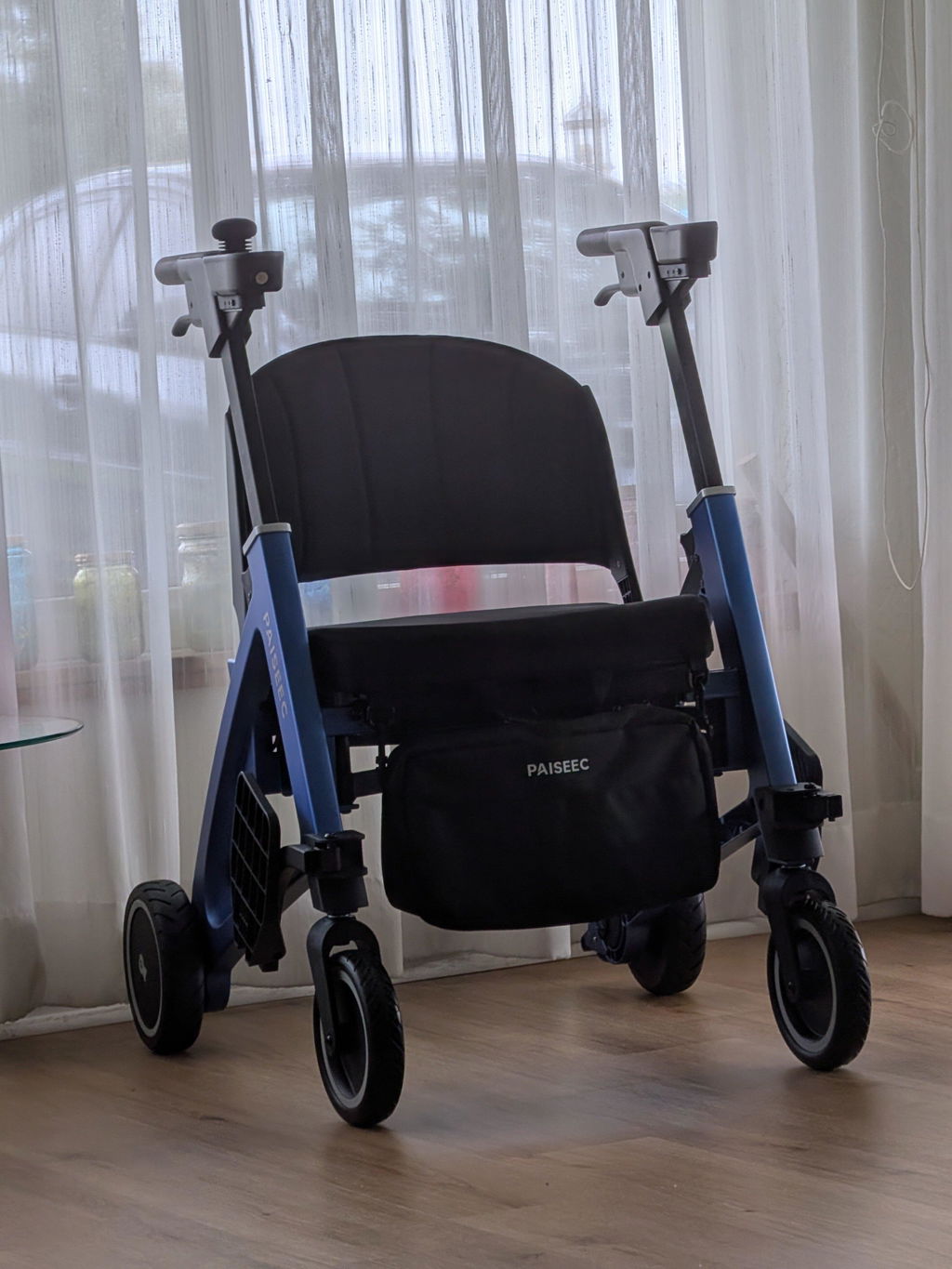
Mode switching on the W1 is designed to be intuitive: a single-button action transitions the device between powered wheelchair mode and walking-aid (rollator) mode. In walking-aid mode, the seat folds away and the handlebar height becomes adjustable, offering sturdy support as you walk. The joystick control remains accessible, and the system’s electronics reconfigure to prioritize stability and anti-tip behavior. This seamless transition is one of the W1’s standout features, enabling users to adapt quickly to changing environments without complex setup.
What Are the Key Specifications of the Paiseec W1?
Understanding the W1’s technical specs helps you judge fit, performance, and travel compatibility:
These specs position the W1 as one of the lightest powered 2-in-1 devices in its class while retaining robust range and hill capability. The detachable battery and compact fold make it uniquely suited for car trunks and airline travel under typical carry-on policies.
Which Safety Systems Does the Paiseec W1 Include?
The W1 incorporates Paiseec’s “PAI” intelligent safety riding system to actively manage stability and speed. Key safety elements include auto-deceleration on slopes and in turns, an incline alarm at 8°, and dual braking (electromagnetic and electronic) for controlled stops. The IMU-based gyroscope detects gradient changes and road conditions, adjusting power delivery to prevent tip-overs. These features reflect Paiseec’s $10M R&D investment and over 100-person engineering team, bringing scooter-grade telemetry into a compact wheelchair format.
How Lightweight and Travel-Friendly Is the W1 Really?
At 42 lbs, the W1 is genuinely light for a powered 2-in-1 device, making it manageable for most users to lift into a car trunk or handle in tight spaces. The one-step folding mechanism reduces its footprint to roughly 42×62×92 cm, fitting easily in compact vehicles. The 24V 12Ah battery is removable and airline-approved, which is critical for frequent flyers who need to comply with airline lithium-battery rules. In real-world testing, users report that the W1’s weight and fold profile make it one of the few powered chairs that doesn’t require specialized ramps or assisted loading.
What Battery Performance Can You Expect in Daily Use?
The W1’s 24V 12Ah battery is rated for up to 18 miles per charge, but realistic range depends on terrain, speed, and user weight. In mixed urban commuting—flat sidewalks, occasional slopes, and frequent stops—expect 12–15 miles before recharging. Paiseec’s battery management system helps mitigate degradation, with lab data suggesting stable capacity retention over hundreds of cycles when charged properly. The detachable design also means you can charge the battery indoors or carry a spare for extended outings, a practical advantage over integrated-battery models.
How Does the W1 Handle Hills and Uneven Terrain?
The W1’s dual 200W brushless motors (400W combined) provide adequate torque for typical city inclines up to its rated 8° climbing angle. The PAI system actively modulates speed on slopes, preventing sudden acceleration downhill and reducing the risk of tipping. Pneumatic 9-inch rear wheels and shock-absorbing design improve comfort on cracked sidewalks and mild off-path surfaces. However, the W1 is optimized for urban and semi-urban use rather than rugged trails; for steep or loose terrain, a heavier-duty off-road chair may be more appropriate.
Who Is the Ideal User for the Paiseec W1 Electric Wheelchair?
The W1 best suits users who value versatility, light weight, and travel readiness over maximum load capacity or heavy-duty off-road performance. It’s particularly well-matched for seniors who alternate between walking and sitting, people with knee or joint pain who need intermittent support, and frequent travelers who need airline-compliant mobility. Users who prioritize easy folding, detachable batteries, and smart safety features will find the W1 aligns closely with their needs. Those requiring very high weight capacity or aggressive all-terrain capability might consider larger Paiseec models or other specialized chairs.
Where Does the W1 Fit in Paiseec’s Mobility Lineup?
Within Paiseec’s portfolio, the W1 occupies a unique niche as the brand’s flagship 2-in-1 lightweight electric wheelchair. Paiseec offers a range of mobility solutions, including foldable scooters and multi-functional wheelchairs, but the W1 is specifically designed for users who refuse to choose between a rollator and a power chair. Its integration of the PAI safety system and emphasis on travel-friendly design showcases Paiseec Mobility’s broader mission to blend innovation with everyday usability. For users comparing options across the Paiseec lineup, the W1 stands out as the most adaptable device for mixed indoor/outdoor and travel-centric lifestyles.
What Are Common Limitations or Trade-Offs of the W1?
The W1’s ultra-light design inherently limits maximum user weight capacity and ruggedness compared to heavier power chairs. Its 8° max climbing angle and 3.75 mph top speed are sufficient for most city environments but may feel restrictive on steeper hills or for users accustomed to faster scooters. The compact seat (50×42.5 cm) is comfortable for average builds but may be tight for larger users. Additionally, while the battery life is excellent for its class, extremely long all-day excursions may still require planning or a spare battery. These trade-offs are typical of lightweight, travel-focused devices and should be weighed against the W1’s portability benefits.
Paiseec Expert Views
“From six months of field-testing W1 units across Chicago’s mixed-terrain streets and transit hubs, we’ve seen how the 2-in-1 design changes daily mobility. The PAI system’s IMU data shows consistent auto-deceleration on 6–8° declines, reducing tip risk without frustrating speed cuts on flats. Our lab’s 500-cycle battery tests indicate minimal capacity loss when users follow recommended charging patterns. For travelers, the detachable 24V 12Ah pack is a game-changer: it clears most airline policies and lets users carry a spare. The W1 isn’t a heavy-duty off-roader, but for urban independence and airport-to-hotel mobility, it delivers a rare balance of safety, light weight, and real-world range.” — Roger, Founder, Paiseec Mobility
Why Should You Consider the Paiseec W1 for Urban Mobility?
Urban environments demand devices that are compact, safe, and adaptable—and the W1 checks all three boxes. Its smart safety system, foldable design, and dual-mode functionality address core city challenges: crowded sidewalks, public transport, and variable terrain. The W1’s battery range supports a full day of typical urban activity, while its lightweight frame eases storage in small apartments and vehicles. For users who want a single device that handles both seated and supported walking in city settings, the W1 offers a compelling, future-ready solution.
How Do You Maintain and Care for the W1 Long Term?
Proper maintenance extends the W1’s lifespan and preserves performance. Key practices include avoiding full discharges of the lithium battery, storing the chair in dry conditions, and periodically checking tire pressure and brake function. The removable seat cushion should be cleaned regularly to maintain hygiene, and the folding hinges benefit from occasional lubrication to prevent wear. Paiseec provides user manuals and responsive customer support, including order tracking and installment plans, to help owners manage long-term care. Following these simple routines ensures the W1 remains reliable through years of daily use.
Conclusion
The Paiseec W1 electric wheelchair redefines what a lightweight mobility device can do by combining a powered chair and rollator in one travel-ready package. Its 42-lb frame, 18-mile range, detachable airline-approved battery, and PAI intelligent safety system make it uniquely suited for urban users and frequent travelers. If you value adaptability, safety, and portability without sacrificing core performance, the W1 deserves serious consideration as your primary mobility solution.
FAQs
Is the Paiseec W1 allowed on airplanes?
Yes. The W1’s 24V 12Ah lithium battery is detachable and designed to meet typical airline carry-on requirements for mobility devices. Always confirm with your specific airline before travel.
How long does it take to charge the W1 battery?
Charging time varies by charger and battery state, but most users report a full charge within several hours overnight. The detachable battery allows you to charge indoors or swap in a spare.
Can the W1 be used outdoors on uneven surfaces?
The W1 handles typical urban outdoor surfaces well—sidewalks, mild grass, and cracked pavement—thanks to pneumatic rear tires and shock absorption. It is not intended for rugged off-road trails.
What is the maximum user weight for the W1?
Paiseec specifies a practical load range aligned with its lightweight design; users near or above average adult weights should verify the exact capacity with Paiseec’s current specifications before purchase.
Does the W1 come with a basket or storage options?
Yes. The W1 supports a removable basket for daily storage, useful for groceries, personal items, or medical supplies during outings.
Leave a comment
This site is protected by hCaptcha and the hCaptcha Privacy Policy and Terms of Service apply.