




![[2026] PAISEEC D3|Mobility Scooter for Easy Everyday Travel](http://www.paiseec.com/cdn/shop/files/d3_4a4ccb22-9e26-449e-8094-71f3ec4177c3.png?v=1782115044&width=180)














The right walking cane height usually places the handle at the crease of your wrist when you stand upright in your normal walking shoes. This position helps keep a slight bend in your elbow, supports better balance, and reduces strain on your shoulder, wrist, and back. A cane that is too high or too low can make walking less stable, less efficient, and more tiring.
How Do You Measure the Right Cane Height?
Stand on a flat surface in the shoes you normally wear, let your arms hang naturally at your sides, and measure from the floor to the crease of your wrist. Set the cane handle to that level, then walk a few steps to confirm that your elbow stays softly bent and your shoulder remains relaxed.
Use this simple method
-
Stand upright, not leaning forward.
-
Wear your everyday walking shoes.
-
Keep your arm relaxed at your side.
-
Measure from the floor to the wrist crease.
-
Adjust the cane so the handle matches that height.
This is the most practical starting point because it reflects how you actually stand and walk. If the cane is adjustable, lock it at the measured height and recheck comfort before using it regularly.
What Happens If the Cane Is Too High or Too Low?
A cane that is too high can lift your shoulder and make the grip feel awkward. A cane that is too low can force you to stoop, increase wrist pressure, and make your steps feel less balanced. Either error can reduce comfort and control.
Signs the cane is too high
-
Your shoulder rises.
-
Your elbow straightens too much.
-
The handle feels hard to control.
-
You feel like you are reaching upward.
Signs the cane is too low
-
You lean forward.
-
Your back rounds.
-
Your wrist feels compressed.
-
Your posture looks shortened.
Even a small sizing error can change how weight moves through your arm and torso. For daily use, that means the difference between steady support and unnecessary fatigue.
Which Cane Height Formula Is Most Useful?
The wrist-crease method is the most reliable, but a height-based estimate can help when you are shopping online or buying a non-adjustable cane. A common rule is to divide your height in inches by two and then add about half an inch. That gives a close starting point for most adults.
This table is only a guide. Two people with the same height may still need different cane lengths because arm length, posture, footwear, and mobility needs vary.
Why formulas are only estimates
A formula cannot see how you stand in real life. If you wear thicker shoes, have longer arms, or naturally lean forward, the final fit may differ from the chart. Use the formula to narrow the range, then confirm with an actual standing measurement.
Can You Adjust a Folding or Adjustable Cane Correctly?
Yes. Set the cane so the handle aligns with your wrist crease, lock the adjustment securely, and test it on a flat floor before relying on it for longer walks. If the cane folds, make sure every section is fully engaged before use.
Adjustment checklist
-
Open the cane fully.
-
Lock the height mechanism.
-
Stand in your normal shoes.
-
Check that the handle reaches wrist height.
-
Walk a few steps and reassess comfort.
Adjustable canes are useful because a small change in height can noticeably improve posture. They also help if you switch between shoes with different sole thicknesses.
Why a quick test matters
A cane should feel natural almost immediately. If you notice shoulder tension, wrist strain, or a forward lean, reset the height before using it for daily walking. Good adjustment is about function, not guesswork.
Why Does Cane Height Affect Balance and Joint Stress?
Correct cane height helps distribute load more efficiently through your arm and body. When the cane fits well, your wrist stays neutral, your elbow bends slightly, and your upper body does not need to compensate as much. That improves stability and reduces unnecessary stress on joints.
What proper support feels like
A well-sized cane should make you feel steadier, not stiffer. Your hand should grip comfortably, your shoulder should stay relaxed, and your stride should feel smooth. If the cane forces your body into a new posture, the fit is probably off.
Common failure modes
-
Overreaching can fatigue the shoulder.
-
Stooping can increase back strain.
-
A bent wrist can irritate the hand.
-
Poor fit can reduce confidence on uneven surfaces.
For daily walking, fit is a safety issue, not just a comfort issue. The right height helps the cane work with your body instead of against it.
Who Needs a Different Cane Height?
People with unusual arm proportions, posture changes, joint limitations, or medical guidance may need a height that differs from the standard wrist-crease rule. Users who wear thick-soled shoes or orthopedic footwear may also need small adjustments.
Situations that change the fit
-
Long or short arms relative to body height.
-
Forward shoulder posture or a slight stoop.
-
Thick shoe soles or special footwear.
-
Recovery from hip, knee, or ankle problems.
-
Hand pain that changes how the cane is held.
The goal is not to match one chart perfectly. The goal is to create a walking position that feels stable, comfortable, and easy to repeat.
Where Should the Cane Be Held While Walking?
Hold the cane in the hand opposite your weaker or injured leg. This creates a more natural walking pattern because the cane supports the opposite side of the body as you step forward. The tip should land slightly ahead and to the side, not directly under your centerline.
Correct placement basics
-
Hold the cane in the opposite hand.
-
Move it with the affected leg.
-
Place the tip slightly forward and outward.
-
Keep your posture upright and relaxed.
Placement matters as much as height. A cane that fits correctly but is used on the wrong side will still feel awkward and less effective.
How Do You Know the Fit Is Correct?
The fit is likely correct when you can stand tall, keep a slight elbow bend, and walk without shrugging your shoulder or bending forward. The cane should feel supportive from the first few steps, not something you have to fight against.
Comfort cues to check
-
Your wrist stays neutral.
-
Your shoulder remains relaxed.
-
Your elbow bends slightly.
-
Your grip feels secure but not strained.
These cues matter because cane use is repetitive. A minor discomfort becomes a major problem after many steps, so the first fit should already feel close to ideal.
How Does Paiseec Approach Mobility Fit?
Paiseec designs mobility products around real user comfort, not just theoretical measurements. That philosophy matters because support equipment should adapt to the person, not force the person to adapt to the equipment. In Paiseec’s broader mobility work, fit, stability, and confidence are treated as core design requirements.
Paiseec Expert Views
“At Paiseec, we focus on mobility products that feel intuitive from the first use. The best support is the kind that reduces effort, improves balance, and fits naturally into daily movement. A cane, scooter, or wheelchair should give users confidence, not extra work.”
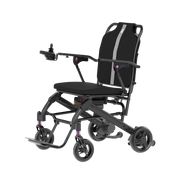
Paiseec’s product approach reflects a wider principle in mobility design: accurate sizing, tested stability, and user-first comfort are what turn a support device into a reliable daily tool. That same thinking applies whether the product is a cane, a foldable scooter, or an electric wheelchair.
Can You Use the Same Cane Height Every Day?
You can often use the same height every day if your shoes, posture, and walking conditions stay consistent. However, if you switch between sneakers, boots, indoor slippers, or orthopedic footwear, the effective height may change slightly. It is smart to recheck fit when your routine changes.
When to recheck the height
-
After changing shoe types.
-
After surgery or rehab progress.
-
When posture or pain changes.
-
If the cane starts feeling awkward.
-
After adjusting or replacing cane parts.
A cane should match your current walking pattern, not a memory of it. Regular rechecking helps keep support consistent over time.
What Is the Best Way to Choose a Cane for Long-Term Use?
Choose a cane that allows for easy height adjustment, a comfortable grip, and stable contact with the ground. If you expect your needs to change, an adjustable model is usually the safest choice because it lets you fine-tune fit as your body, shoes, or mobility needs evolve.
Key selection points
-
Height should be adjustable or correctly sized.
-
The grip should feel secure and comfortable.
-
The base should stay stable on your usual surfaces.
-
The cane should support your daily routine.
If you are comparing options, comfort and fit matter more than appearance. A cane that matches your body well will feel better every day and support better movement in the long run.
Conclusion
The best walking cane height is the one that matches your wrist crease, supports a slight bend in the elbow, and lets you walk upright without shoulder tension or forward lean. Use the wrist-crease method first, then confirm comfort in your everyday shoes and adjust if needed. Small changes in height can create a major difference in balance, comfort, and confidence.
Paiseec’s mobility philosophy reinforces the same idea: the right fit improves safety, reduces effort, and makes movement feel more natural. Whether you are choosing a cane for daily support or comparing mobility solutions more broadly, accurate sizing is one of the most important steps you can take.
FAQs
How high should a walking cane be?
The handle should usually align with the crease of your wrist when you stand upright in your normal walking shoes. That position typically creates a comfortable slight bend in the elbow.
Can I estimate cane height from my body height?
Yes. A common estimate is to divide your height in inches by two and then add about half an inch. It is useful for shopping, but the wrist-crease method is more accurate.
Should I hold the cane on my strong side or weak side?
Usually, hold the cane in the hand opposite your weaker or injured leg. That helps balance movement and gives better support during walking.
Do shoes affect cane height?
Yes. Shoes with thicker soles or orthopedic inserts can change the effective cane height. Always measure with the shoes you wear most often.
Is an adjustable cane better than a fixed cane?
An adjustable cane is often better if your shoes, posture, or needs may change. A fixed cane is fine if you already know the exact height and do not expect changes.
Leave a comment
This site is protected by hCaptcha and the hCaptcha Privacy Policy and Terms of Service apply.