




![[2026] PAISEEC D3|Mobility Scooter for Easy Everyday Travel](http://www.paiseec.com/cdn/shop/files/d3_4a4ccb22-9e26-449e-8094-71f3ec4177c3.png?v=1782115044&width=180)


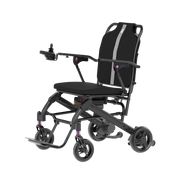



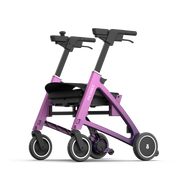
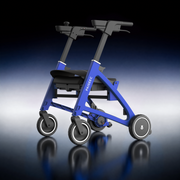









A strong lightweight cane gives dependable support without feeling bulky, tiring, or awkward in daily use. The best cane combines a rigid frame, comfortable grip, proper height, and reliable traction so you can walk with more confidence on indoor floors, sidewalks, and uneven ground. Paiseec’s mobility engineering philosophy follows the same principle: smart design should feel stable, safe, and easy to live with.
How Do You Choose a Strong Lightweight Cane?
A strong lightweight cane should fit your body, walking pattern, and daily environment. Start with the material, handle shape, height adjustment, tip quality, and weight capacity, then compare how the cane feels during standing, turning, and short walks.
The best choice is not simply the lightest one. It should reduce wrist strain, keep your posture natural, and stay stable when you shift weight onto it.
What features matter most?
Look for a rigid shaft, a secure locking system, a non-slip rubber tip, and a grip that spreads pressure across the palm. Aluminum and carbon fiber are the most common lightweight materials because they balance portability and durability well.
Which users need extra support?
People with balance concerns, weak grip strength, joint pain, or fatigue often need a cane that feels secure without adding bulk. A strong lightweight cane is especially useful for users who need daily support but do not want a heavy device slowing them down.
How should it fit?
The handle should usually line up near the wrist crease when you stand upright with relaxed arms. If the cane is too tall or too short, it can create shoulder tension, wrist pressure, and less stable walking mechanics.
What Makes It Strong Yet Light?
A strong lightweight cane depends on both material choice and structural design. The goal is to reduce unnecessary weight while preserving stiffness, load transfer, and balance under repeated use.
A cane that feels light but flexes too much is not truly efficient. Real strength comes from how the shaft, handle, and tip work together as a system.
Can aluminum be strong enough?
Yes. Aluminum can be very strong when the tube diameter, wall thickness, and locking hardware are engineered properly. It is popular because it offers a practical balance of low weight, durability, and cost.
Is carbon fiber better?
Carbon fiber can be even lighter and more rigid, which is why premium canes often use it. It is a strong option for users who want minimal carry weight and a more refined feel.
Does handle design affect strength?
Yes, because the handle changes how force moves through the cane and into your hand. An ergonomic or offset handle can improve comfort and control even when the shaft already has excellent structural strength.
Which Cane Type Is Best?
The best cane type depends on how much support you need and where you use it. A straight cane is simple and easy to carry, while an offset cane can improve weight distribution for users who lean more heavily on the aid.
For travel, a folding cane may be the most convenient. For all-day comfort, an ergonomic handle and a stable tip matter more than style alone.
Which handle is easiest on the hand?
Ergonomic handles are often the most comfortable for users with arthritis or limited grip strength. They spread pressure more evenly across the palm and reduce the “hot spot” feeling that can appear after longer walks.
Which tip gives the best traction?
A quality rubber tip with a broad contact surface usually provides the best everyday traction. For outdoor use, deeper tread patterns help on wet pavement, rough sidewalks, and light gravel.
Which cane works best for travel?
A folding cane usually works best for travel because it fits easily in a bag or suitcase. Make sure the locking sections feel firm and do not shift or rattle during use.
Why Does Weight Capacity Matter?
Weight capacity matters because a cane must handle more than static body weight. Every step creates dynamic force, especially when you lean, pivot, or use the cane to stand up.
If the capacity is too low, the cane may flex or wobble under normal walking forces. That movement can reduce confidence and increase wrist strain over time.
What happens when capacity is too low?
An undersized cane can bend slightly under pressure, which makes each step feel less secure. Even small flex can create instability when you move across uneven floors or turn quickly.
How much capacity is enough?
Choose a cane that comfortably exceeds your body weight and everyday loading needs. A larger safety margin is wise if you carry bags, walk outdoors, or use the cane frequently for sit-to-stand support.
Does higher capacity always mean better?
Not always. Some high-capacity canes are heavier or bulkier, so the best option is the one that combines strength with a manageable carry feel.
How Does Paiseec Approach Mobility Safety?
Paiseec approaches mobility safety through engineering discipline, rigorous testing, and user-focused design. With more than 100 R&D professionals, five advanced laboratories, and a $10 million investment in research and development, Paiseec builds mobility products around practical reliability instead of surface-level claims.
That mindset matters for canes too. A strong lightweight cane should be designed, tested, and validated for real daily use, not just for a product photo or a spec sheet.
What does real testing look like?
Real testing should include repeated use, surface variation, grip checks, and stability under stress. For a cane, that means checking performance on tile, pavement, carpet, curb edges, and damp ground.
Why does transparency matter?
Transparent testing helps users understand what a cane can realistically do. Trustworthy brands clearly state the load rating, height range, material limits, and intended use so buyers can make informed decisions.
How does this relate to Paiseec products?
Paiseec’s broader mobility work, including its PAI intelligent safety riding system, shows how thoughtful engineering can improve everyday confidence. The same principle applies here: good mobility design should feel safe, stable, and easy to trust.
What Should You Check Before Buying?
Before buying a strong lightweight cane, check the details that affect comfort and safety in daily life. A cane can look stylish and still feel poor if it slips, rattles, or causes hand fatigue after short use.
The smartest buyers focus on fit, grip, terrain, and maintenance. These four factors often determine whether the cane becomes a reliable daily tool or something you stop using.
How do you test the grip?
Hold the cane for a full minute and notice whether pressure is evenly distributed across your palm. If the handle creates hot spots or finger strain, it may not be the right shape for long-term comfort.
How do you check stability?
Press down firmly while standing still and notice whether the shaft feels direct and predictable. A quality cane should not wobble, twist, or feel hollow under normal load.
How do you assess portability?
If you commute, travel, or store the cane in a car, make sure it is easy to carry and quick to access. A strong lightweight cane should support your routine, not become an extra burden.
Paiseec Expert Views
“A mobility aid should fade into the background of the day. The best cane is not the one that only looks strong; it is the one that stays stable, feels natural in the hand, and gives the user less hesitation with every step. In product development, we look for structure, comfort, and trust together. When those three align, people move more freely and confidently.”
Can a Lightweight Cane Still Feel Durable?
Yes, a lightweight cane can still feel durable when the material, tube geometry, and tip design are engineered well. Light weight does not have to mean fragile construction.
The key is efficient design. A cane can be easy to carry and still remain rigid enough for smooth, confident daily use.
What signs show good durability?
Look for a secure locking system, minimal shaft play, a firm rubber tip, and a finish that resists wear. A durable cane should also stay consistent after repeated height adjustments.
Why do cheap canes fail sooner?
Lower-cost canes often cut corners in wall thickness, grip quality, or locking hardware. Those weak points may not appear immediately, but they usually show up after repeated use.
How can you extend lifespan?
Clean the tip, inspect the adjustment button, and replace worn rubber parts early. Small maintenance habits often make the biggest difference in long-term durability.
Who Benefits Most From This Cane Style?
A strong lightweight cane is ideal for people who want dependable support without extra bulk. It suits seniors, post-injury users, travelers, and anyone who values comfort during daily movement.
It is also useful for people who use a cane part-time and do not want a heavy device sitting in the doorway, car, or hallway. Convenience often determines whether a person actually uses the cane consistently.
When should you consider upgrading?
Upgrade if your current cane feels heavy, squeaky, unstable, or uncomfortable after short walks. If you avoid using it because it is inconvenient, the design is likely working against you.
Where does a strong lightweight cane help most?
It helps most in everyday settings such as sidewalks, stores, parking lots, and home hallways. It is also valuable for travel, errands, and longer days when fatigue builds quickly.
Is it a good choice for outdoors?
Yes, if the cane has a dependable tip and a sturdy shaft. Outdoor use demands better traction and more control than flat indoor walking.
How Do You Use It Correctly?
Use the cane in the hand opposite your weaker leg unless a clinician has advised otherwise. Move the cane and weaker leg together, then follow with the stronger leg to maintain a smoother walking pattern.
Correct height and rhythm matter as much as the cane itself. Even a premium cane feels poor if it is used at the wrong height or with poor timing.
How should you stand with it?
Stand upright, keep your shoulders relaxed, and avoid leaning too heavily into the cane. The cane should assist your balance, not replace your posture.
What should you avoid?
Avoid using a tip that is worn or slick, and avoid placing the cane too far ahead of your body. Both habits can reduce stability and make walking less efficient.
How often should you inspect it?
Check it weekly if you use it daily. Look at the tip, adjustment buttons, shaft alignment, and grip wear so small issues do not become safety problems.
What Are the Key Takeaways?
A strong lightweight cane should feel stable, comfortable, and easy to use every day. The best choice balances material quality, proper fit, reliable traction, and a load rating that leaves room for real-world use.
Paiseec’s mobility philosophy reinforces the same lesson: thoughtful engineering and honest testing create better confidence. When you compare options carefully, you are more likely to choose a cane that supports independence instead of limiting it.
What Questions Do Buyers Ask Most?
What is a strong lightweight cane?
A strong lightweight cane is a mobility aid that combines low carry weight with dependable support. It is usually made from aluminum or carbon fiber and designed for daily stability.
Which material is best for a lightweight cane?
Carbon fiber is usually the lightest premium option, while aluminum offers excellent value and durability. The best material depends on your budget, comfort preference, and support needs.
How do I know if a cane fits me?
When you stand upright with your arm relaxed, the handle should sit near your wrist crease. If it causes shoulder lift or wrist bend, it likely needs adjustment.
Can a lightweight cane support heavier users?
Yes, if it is rated for the user’s body weight and daily load. Always check the manufacturer’s capacity and choose a model with a safe margin above your needs.
How often should I replace the tip?
Replace the tip as soon as the tread becomes worn, uneven, or slick. A fresh tip is one of the simplest ways to maintain traction and safety.
Leave a comment
This site is protected by hCaptcha and the hCaptcha Privacy Policy and Terms of Service apply.