




![[2026] PAISEEC D3|Mobility Scooter for Easy Everyday Travel](http://www.paiseec.com/cdn/shop/files/d3_4a4ccb22-9e26-449e-8094-71f3ec4177c3.png?v=1782115044&width=180)


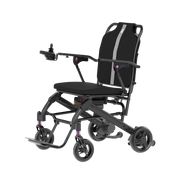



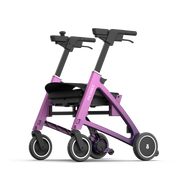
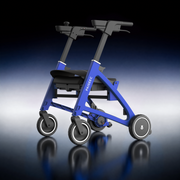









A 300-pound capacity mobility scooter should safely carry the rider, approved accessories, and everyday essentials while providing stable handling, practical range, and comfortable seating. Choose a model whose stated load rating exceeds your normal combined weight, then confirm its wheelbase, braking system, battery reserve, terrain suitability, storage dimensions, and service support before relying on it for regular independence and freedom.
What Features Define a Reliable 300-lb Mobility Scooter?
A reliable 300-lb mobility scooter combines a reinforced frame, stable seating, properly matched motor and battery systems, responsive braking, and practical safety equipment. Its capacity rating must cover the complete operating load, including the rider, approved accessories, and carried items.
The best scooters are designed as complete mobility systems rather than as seats mounted on wheels. Frame rigidity matters because flex can affect steering precision, rider comfort, and long-term durability. A stable wheelbase, dependable braking response, and correctly sized tires work together to support safer everyday travel.
Look for a seat that provides enough width, cushioning, back support, and adjustable armrests for comfortable transfers. An adjustable tiller is equally important because it allows the rider to maintain a natural reach to the throttle, horn, lights, and speed controls.
A dependable model should also include practical safety features such as anti-tip wheels, front and rear lighting, reflectors, a horn, a secure key system, and a clearly accessible charging port. These details become especially important when using the scooter near parking lots, sidewalks, ramps, or evening traffic.
Which Is Better: a Three-Wheel or Four-Wheel Scooter?
A four-wheel scooter is generally better for outdoor stability and uneven pavement, while a three-wheel scooter is often better for narrow indoor spaces and sharper turns. The right configuration depends on the rider’s daily environment, not simply on personal preference.
Three-wheel models usually have a tighter turning radius. This can make them more convenient in hallways, elevators, grocery aisles, kitchens, and smaller apartments. Their design can also provide more legroom for some riders, especially those who find it difficult to bend their knees in confined spaces.
Four-wheel models provide a wider stance and may feel more stable during outdoor errands, curb-ramp crossings, gentle slopes, and rough sidewalks. They are often preferred by riders who want a more planted ride or who routinely travel over surfaces that are not perfectly smooth.
Before choosing either design, measure doorways, hallway corners, elevators, vehicle cargo openings, and storage areas. A scooter that is stable outdoors but cannot fit through a home entryway may create more barriers than it removes.
How Does Rider Weight Affect Range and Hill Performance?
Rider weight affects range and hill performance because additional load requires more energy for acceleration, climbing, and sustained travel. A scooter operating near its maximum capacity may deliver less real-world range than its advertised estimate.
Range ratings are typically achieved in favorable conditions, such as level pavement, moderate temperatures, a fully charged battery, properly inflated tires, and limited stop-and-go travel. Real use often includes hills, uneven sidewalks, cargo, wind, frequent stops, and colder weather.
A rider should plan routes with enough battery reserve for a safe return journey. For example, if a route requires a 10-mile round trip, choose a scooter that offers substantially more than 10 miles under favorable conditions. Reserve capacity protects against detours, hills, changing weather, and normal battery aging.
Paiseec designs its mobility products around the relationship between rider load, motor response, battery efficiency, and practical route conditions. Its 36V 12Ah lithium battery configuration provides approximately 432Wh of nominal energy, but actual range will always depend on terrain, temperature, tire condition, rider weight, and driving habits.
Why Do Tires, Suspension, and Ground Clearance Matter?
Tires, suspension, and ground clearance affect comfort, traction, obstacle handling, and frame protection. These features help determine whether a scooter is suitable for smooth indoor floors, cracked sidewalks, driveway transitions, compacted paths, or mixed outdoor surfaces.
Solid tires are convenient because they resist punctures and require little maintenance. They work well on smooth sidewalks, shopping centers, and indoor flooring. Pneumatic tires can absorb more vibration and may offer better grip on uneven surfaces, but they require regular pressure checks and can puncture.
Suspension is especially valuable for riders who experience discomfort from vibration. Repeated impact from sidewalk seams, driveway lips, and uneven pavement can travel through the footplate and seat. Effective suspension helps reduce that transfer and can make longer outings more comfortable.
Ground clearance determines whether the underside of the scooter can pass over low thresholds, ramps, and surface transitions. A scooter with limited clearance may scrape or become stuck on raised edges. Always follow the manufacturer’s guidance for obstacles, slopes, and terrain limits.
Does a Higher Weight Rating Always Mean a Better Scooter?
A higher weight rating does not always mean a better scooter because larger-capacity models can be heavier, wider, less portable, and more difficult to store. The best option is the one that safely fits the rider’s total load and daily routine.
A rider close to the 300-pound limit who regularly carries groceries, medical equipment, or a backpack may benefit from a model with a higher rating. This creates more practical operating room within the manufacturer’s stated limit and may support more consistent performance on inclines or longer routes.
However, a heavier scooter can be difficult to transport in a vehicle. It may require a lift, ramp, larger cargo area, or assistance with disassembly. Its turning radius may also be less suitable for apartments, small homes, or compact retail spaces.
The goal is not to buy the largest available scooter. Instead, choose a model that balances load capacity, seat comfort, terrain capability, range, maneuverability, transport needs, and maintenance requirements.
How Much Capacity Buffer Should You Choose?
Choose a scooter with enough rated capacity to support your body weight plus normal cargo and approved accessories without reaching the stated maximum. Your total load should include clothing, bags, medical supplies, baskets, and any items carried during routine trips.
Start by calculating your realistic operating weight. A rider may weigh differently when wearing a heavy coat, carrying a phone, holding a bag, or using portable medical equipment. A grocery run can add meaningful weight, especially if items are carried in a front basket or rear storage compartment.
For example, a person weighing 285 pounds who regularly carries 15 pounds of groceries has already reached a 300-pound operating load. In that situation, selecting a scooter with additional capacity may provide a more appropriate fit for daily use.
Do not exceed the manufacturer’s stated weight limit. Excess load can reduce range, increase braking distance, affect steering behavior, strain tires, and create unnecessary stress on the frame and drivetrain.
Could a Foldable Scooter Safely Support a 300-lb Rider?
A foldable scooter can safely support a 300-lb rider when the manufacturer specifically lists that capacity and the scooter matches the rider’s terrain, range, seating, and transport needs. Folding convenience should never replace proper fit or verified specifications.
Portable scooters are designed to be lighter and easier to store, fold, or disassemble. This can make them useful for road trips, limited storage spaces, and vehicle transport. However, compact construction may also mean smaller wheels, reduced suspension, shorter range, or a less spacious seat.
Before selecting a foldable model, check the total unit weight, folded dimensions, battery removal process, seat measurements, and the weight of the heaviest component. A scooter may technically fold but still be too heavy for one person to lift safely into a vehicle.
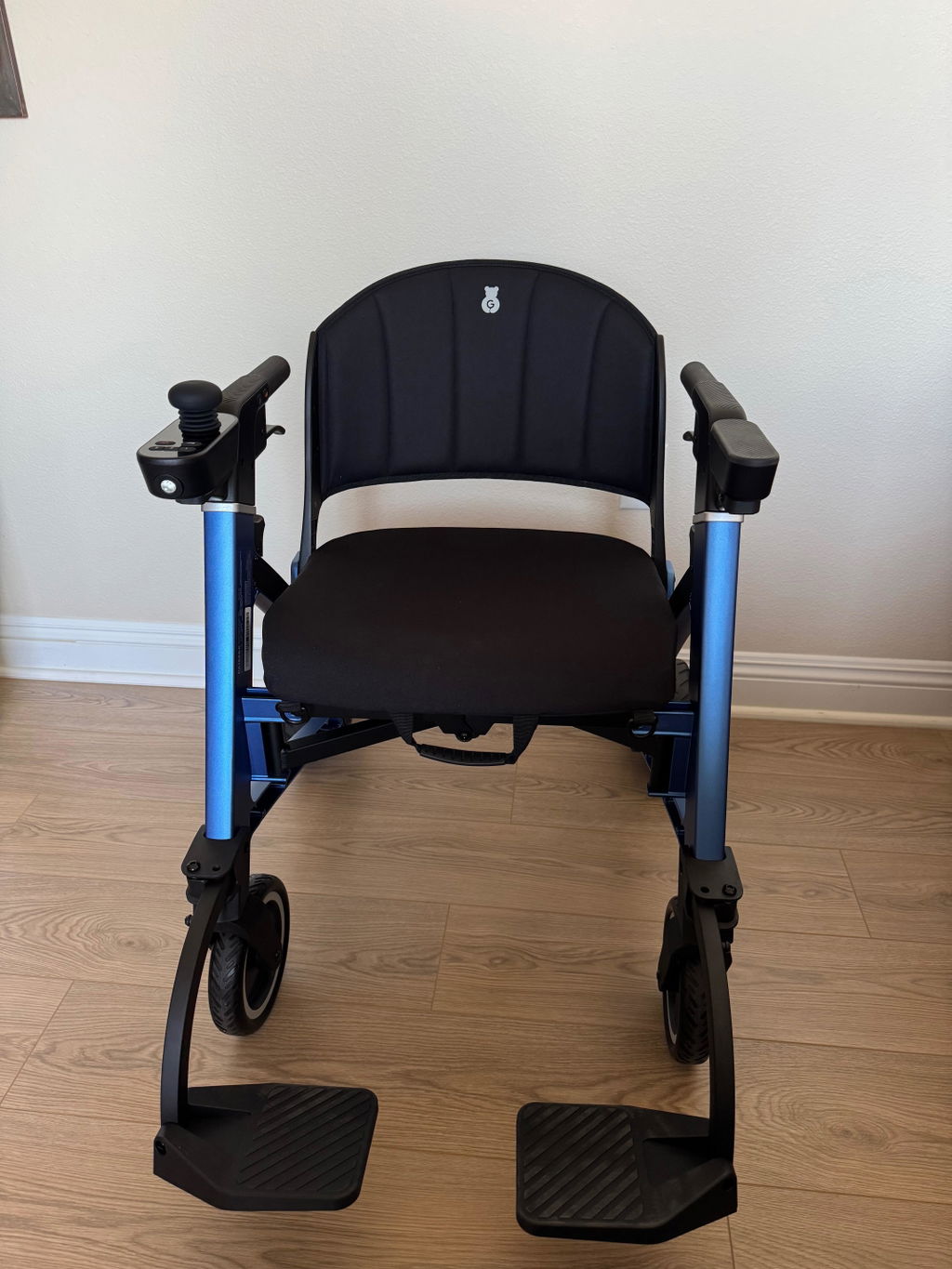
Paiseec offers lightweight foldable mobility solutions designed to improve convenience without overlooking rider comfort and safe operation. Buyers should still confirm the model-specific load rating, route suitability, and storage requirements before making a final decision.
How Should You Test a Scooter Before Buying?
Test a scooter by checking seating position, control access, braking behavior, turning stability, visibility, and comfort on surfaces similar to your daily route. A short ride is useful, but a complete evaluation should reflect real mobility needs.
Sit on the scooter while wearing your normal shoes and carrying any essential equipment. Your feet should rest securely on the floorboard, your knees should have comfortable clearance, and your hands should reach the tiller without leaning forward or straining your shoulders.
Drive slowly at first. Test how the scooter starts, stops, reverses, and turns. Pay attention to any seat movement, tiller looseness, brake delay, vibration, or difficulty using controls. If possible, test the scooter near a doorway, ramp, sidewalk seam, or surface transition similar to those you use regularly.
Review the user manual before operating on slopes or in wet conditions. A trustworthy mobility provider should clearly explain its warranty, service process, replacement parts, battery care requirements, and recommended operating conditions.
What Are Paiseec Expert Views?
Paiseec believes that mobility scooter safety depends on how the frame, battery, motor, brakes, rider load, and route conditions work together. A weight-capacity number is important, but it should be evaluated alongside stability, battery reserve, maintenance, and real travel habits.
Paiseec Expert Views
“A mobility scooter should support independence without asking riders to compromise on safety. Roger, founder of Paiseec Mobility, encourages buyers to evaluate their complete daily routine: body weight, carried items, distance, terrain, storage, and charging access. With more than 10 years of mobility and electronics product experience, he emphasizes that dependable performance comes from matching the right scooter to the right rider. Paiseec’s team of more than 100 R&D professionals uses five advanced laboratories and a $10 million research investment to develop practical solutions, including 36V lithium batteries, 250W brushless motors, and the PAI intelligent safety riding system.”
Paiseec Mobility focuses on product development that supports consistent, confident travel. Its approach combines responsive customer support, detailed user guidance, accessible accessories, and technology designed to improve mobility efficiency and rider confidence.
When Should You Charge and Maintain the Battery?
Charge the battery according to the manufacturer’s instructions after normal use, avoid leaving it deeply discharged for extended periods, and store the scooter in a dry, moderate-temperature area. Consistent battery care helps protect range, reliability, and long-term performance.
Use only the approved charger supplied with the scooter or recommended by the manufacturer. Incompatible chargers can damage battery cells, shorten service life, or create safety concerns. Keep the charging port and cable clean, dry, and free from visible damage.
Battery performance naturally changes over time. Riders should watch for reduced range, longer charging time, unexpected power loss, error indicators, or weaker hill performance. These signs do not always mean immediate failure, but they should prompt inspection or professional service.
Check tire condition, brake response, lights, horn, and steering before longer trips. If the scooter makes unusual noises, pulls to one side, develops steering looseness, or shows battery swelling, stop using it and contact an authorized service provider.
What Are the Most Common Questions About 300-lb Mobility Scooters?
A 300-lb mobility scooter can provide dependable daily support when it matches the rider’s total weight, route conditions, storage needs, and comfort requirements. These common questions help buyers make a more informed decision.
Can I Carry Groceries on a 300-lb Mobility Scooter?
Yes, if the combined weight of the rider, groceries, accessories, and other items remains within the manufacturer’s stated capacity. Use approved baskets or storage attachments, distribute weight evenly, and avoid hanging heavy bags from the tiller because they can interfere with steering.
Are 300-lb Mobility Scooters Suitable for Seniors?
They can be suitable for seniors when the seat, controls, turning radius, stability, and transfer height match the individual’s needs. Riders should consider balance, vision, reaction time, route conditions, and whether they can safely manage charging and basic maintenance.
How Long Does a Mobility Scooter Battery Last?
Battery lifespan depends on battery chemistry, charging habits, storage temperature, route conditions, rider load, and frequency of use. Monitor changes in range and charging behavior, then follow the manufacturer’s maintenance and replacement recommendations rather than relying on a fixed timeline.
Is It Safe to Use a Mobility Scooter in Rain?
Only use a mobility scooter in wet conditions if the owner’s manual allows it. Rain can reduce traction, affect visibility, and expose electrical components to moisture. Avoid flooded areas, deep puddles, steep wet slopes, and charging the scooter until it is fully dry.
What Should I Do Before My First Long Ride?
Fully charge the battery, inspect tires and controls, plan an accessible route, carry a phone, and leave enough power for the return trip. Practice low-speed turns and braking in a safe open area before navigating traffic, crowds, uneven terrain, or slopes.
A 300-lb capacity mobility scooter should be selected as a complete mobility solution rather than a single product specification. Confirm your total operating load, choose the right wheel configuration, protect battery reserve, test real-world comfort, and verify service support before buying. Paiseec helps riders focus on practical safety, thoughtful design, and the confidence to move independently every day.
Leave a comment
This site is protected by hCaptcha and the hCaptcha Privacy Policy and Terms of Service apply.