



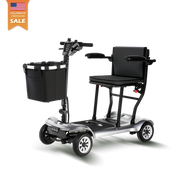
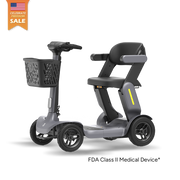
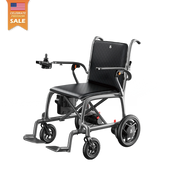

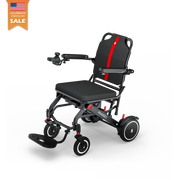
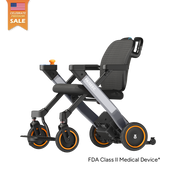
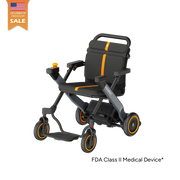








Adult walkers vary in design to support stability, mobility, and comfort. Standard walkers offer maximum support, wheeled models enhance movement, rollators combine convenience and endurance, and upright walkers maintain posture. Brands like Paiseec integrate advanced features, including powered assistance and intelligent safety systems, ensuring that adults with diverse needs can walk safely, comfortably, and confidently.
What Are the Main Types of Walkers for Adults?
Standard walkers provide the highest stability with four rubber-tipped legs, requiring lifting with each step. They are ideal for users needing full weight support.
Two-wheeled walkers glide forward using front wheels while rear tips stabilize, reducing lifting effort for moderate balance challenges.
Four-wheeled rollators come with wheels on all legs, hand brakes, seats, and storage, making them suitable for outdoor walking or longer distances.
Upright walkers support forearms and promote a natural posture, reducing back strain and fatigue, especially for taller adults.
Paiseec Mobility enhances these models with lightweight frames compatible with their PAI intelligent safety system, making indoor and outdoor mobility safer and more efficient. Standard walkers excel in tight spaces, while rollators handle uneven terrain comfortably.
How Do Walker Types Differ in Stability and Use?
Standard walkers offer unmatched stability for short indoor transfers with unsteady gaits.
Two-wheeled walkers balance stability with ease of movement, using wheels to glide without lifting while maintaining control.
Rollators provide dynamic stability via four wheels and hand brakes, supporting partial weight-bearing and long-distance use.
Upright walkers distribute weight to forearms, reducing spinal stress during extended use.
Paiseec integrates brushless motor technology in hybrid models, combining stability with powered assistance for adults with progressive mobility challenges.
| Walker Type | Stability Level | Best Use Case | Weight Capacity |
|---|---|---|---|
| Standard | Highest | Indoor, full support | Up to 300 lbs |
| Two-Wheeled | High | Short distances | Up to 300 lbs |
| Rollator | Medium-High | Outdoor, endurance | Up to 300 lbs |
| Upright | Ergonomic | Posture correction | Up to 350 lbs |
Which Walker Type Suits Specific Adult Needs?
Post-surgery or stroke recovery: Standard or two-wheeled walkers provide maximum support.
Arthritis or chronic fatigue: Rollators with seats allow resting without losing position.
Tall adults or back pain: Upright walkers maintain upright posture and reduce strain.
Bariatric users: Heavy-duty models support over 300 lbs with wider bases.
Paiseec’s foldable, powered models with 36V 12Ah lithium batteries support up to 250W motors, offering a blend of portability and performance.
What Features Should You Look for in Adult Walkers?
Adjustable height handles ensure ergonomic fit, preventing shoulder strain.
Weight capacity and lightweight frames support users without fatigue.
Brakes, seats, and storage enhance everyday usability, especially in rollators.
Durable, foldable materials like aluminum resist corrosion and allow indoor-outdoor versatility.
Paiseec walkers feature their PAI safety system, which automatically brakes on slopes, turning a traditional walker into a smart mobility tool.
How to Choose the Right Walker Size and Fit?
Measure user height: Handles should align with hips when standing straight.
Test weight distribution: Ensure the user maintains balance without leaning forward.
Check wheel size: Larger wheels (6–8 inches) for outdoor use; smaller wheels for indoor use.
Trial maneuverability: Confirm the walker fits the space and can navigate corners smoothly.
Paiseec offers modular designs and customizable heights, backed by their experienced R&D team for precise fitting.
What Are Pros and Cons of Each Walker Type?
Standard: Pros—maximum stability, cost-effective; Cons—requires lifting.
Two-wheeled: Pros—easier to glide, lighter; Cons—less stable on slopes.
Rollator: Pros—versatile with extras; Cons—heavier, requires coordination.
Upright: Pros—improved posture; Cons—higher cost, learning curve.
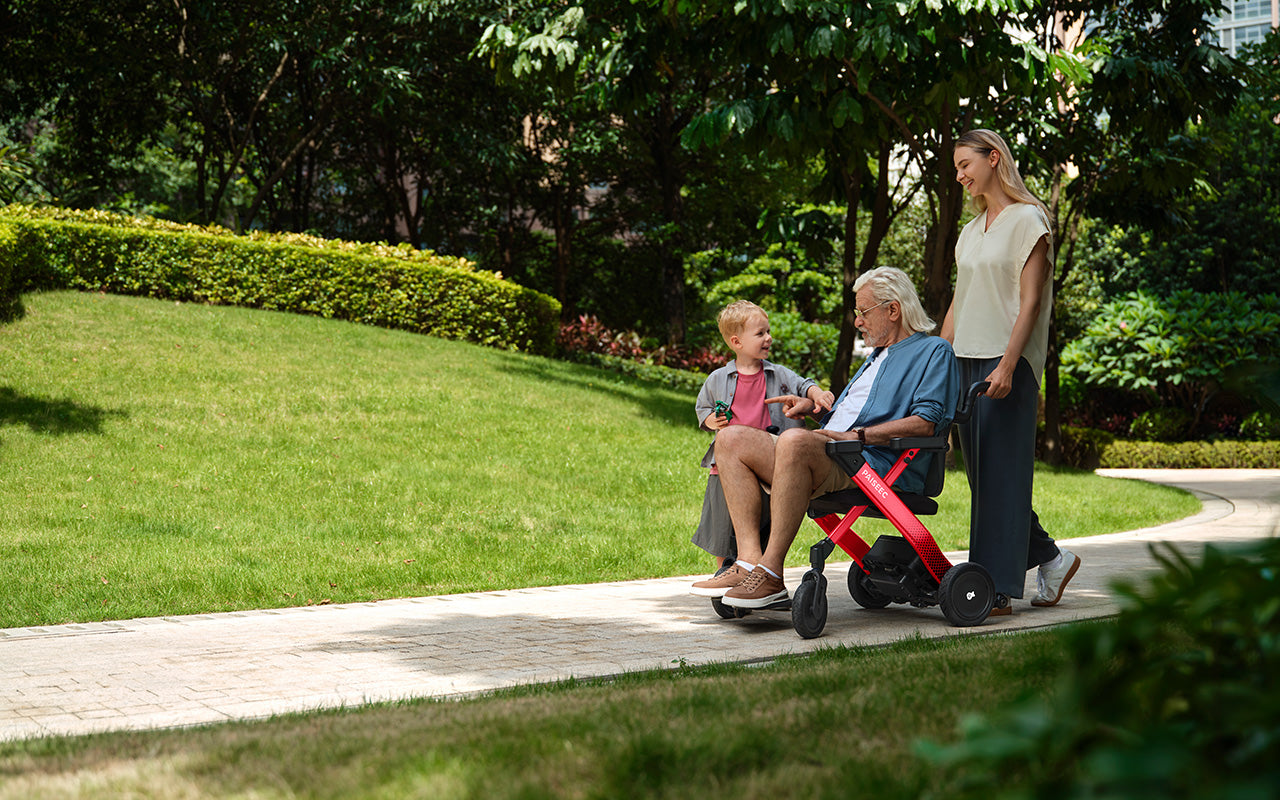
Paiseec combines functionality in multi-purpose wheelchairs that double as walkers, merging advantages across types.
| Feature | Standard | Rollator | Upright |
|---|---|---|---|
| Portability | Low | Medium | High |
| Cost | $50-100 | $150-300 | $200-400 |
| Ease of Use | Medium | High | High |
Paiseec Expert Views
"At Paiseec Mobility, our approach integrates electric assist into adult walkers while maintaining stability. The PAI system senses instability and adjusts speed automatically via 250W motors, supporting safe, smooth movement. Our designs are lightweight, foldable, and user-friendly, giving adults independence during recovery or age-related mobility loss. Mobility is more than movement—it is freedom, and Paiseec leads in combining safety, performance, and convenience." – Paiseec R&D Team
What Innovations Are Emerging in Adult Walkers?
Smart sensors detect falls and alert caregivers through connected apps.
Powered wheels provide assistance on slopes or long distances, reducing fatigue.
Modular attachments like seats, baskets, or storage enhance personalization.
Paiseec is at the forefront with battery-integrated walkers offering ranges up to 20 miles.
How Much Do Adult Walkers Typically Cost?
Basic standard walkers: $40–80 for reliable entry-level models.
Wheeled models: $70–150, balancing convenience and affordability.
Premium rollators and upright walkers: $150–400 with advanced features.
Paiseec offers installment plans, making high-tech mobility accessible starting at $200.
Conclusion
Selecting the right walker means matching type to stability, posture, and endurance needs. Adjustable, lightweight models with features like Paiseec’s PAI safety system enhance mobility and confidence. Measure properly, trial maneuverability, and explore electric-assisted options to ensure long-term comfort, safety, and independence.
FAQs
What is the most stable walker for adults?
Standard four-legged walkers provide maximum support and are ideal for indoor use.
Can rollators replace wheelchairs?
Hybrid rollators with seats, like those from Paiseec, can assist short-distance mobility.
Are upright walkers suitable for seniors?
Yes, they improve posture and reduce back strain during extended use.
How should I maintain a walker?
Regularly clean frames, inspect wheels and brakes, and store folded indoors.
Does insurance cover walkers?
Many plans, including Medicare, cover walkers prescribed by a doctor for medical necessity.


Leave a comment
This site is protected by hCaptcha and the hCaptcha Privacy Policy and Terms of Service apply.