




![[2026] PAISEEC D3|Mobility Scooter for Easy Everyday Travel](http://www.paiseec.com/cdn/shop/files/d3_4a4ccb22-9e26-449e-8094-71f3ec4177c3.png?v=1782115044&width=180)














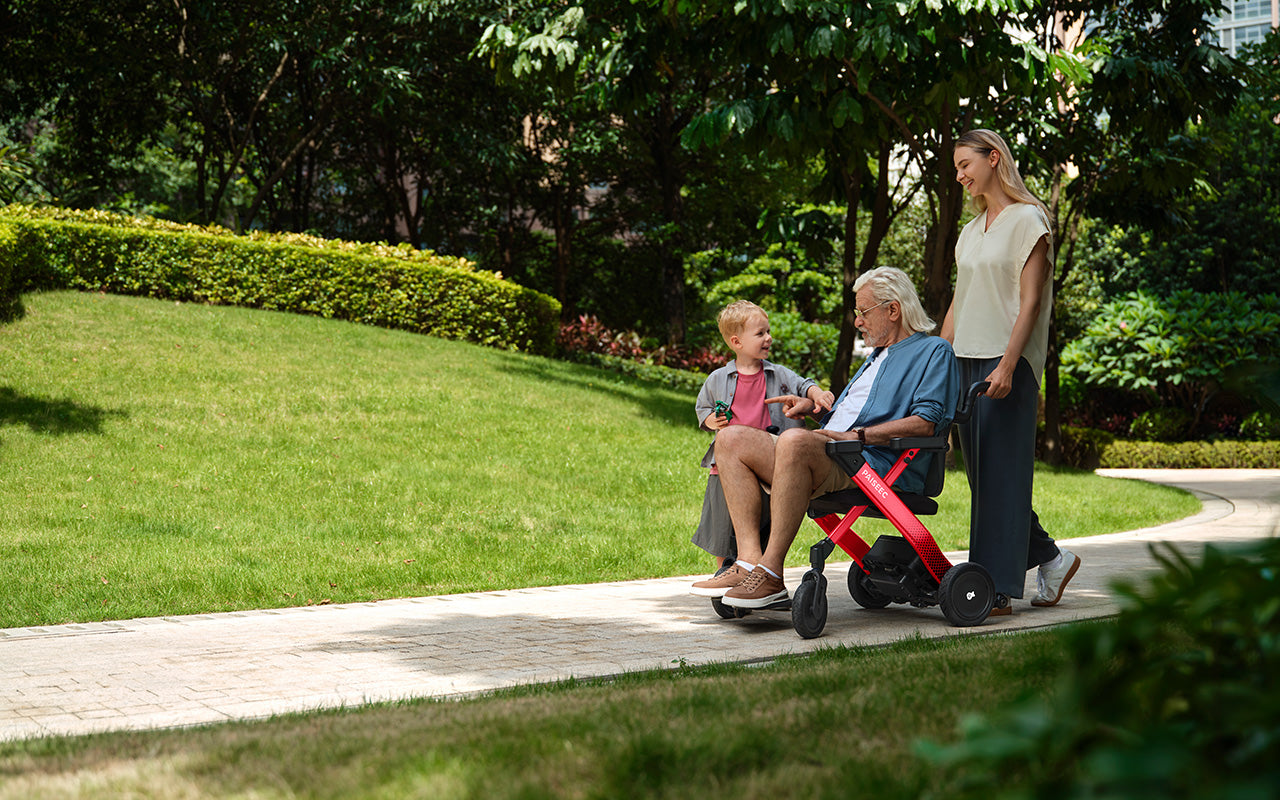
Choosing the right walker depends on a senior's balance, strength, and lifestyle. Options include standard walkers for stability, two-wheeled walkers for indoor mobility, four-wheeled rollators for longer distances, walkers with seats for rest, and upright walkers for posture support. Paiseec Mobility integrates advanced safety features in many models, enhancing comfort, confidence, and independence for seniors.
What Are the Main Types of Walkers for Seniors?
Walkers come in several categories: standard, two-wheeled, four-wheeled rollators, walkers with seats, and upright walkers. Standard walkers provide maximum stability for users needing full support, ideal during recovery from surgery or strokes. Two-wheeled walkers offer smoother indoor movement, reducing the effort of lifting. Four-wheeled rollators include brakes, seats, and storage for outdoor use. Walkers with seats and upright models support posture and provide mid-walk rest. Paiseec Mobility enhances these with its PAI intelligent safety system, lightweight frames, and ergonomic designs to increase mobility confidence.
How Do Standard Walkers Benefit Seniors?
Standard walkers offer unmatched stability with four legs, supporting weak gait or grip issues. Lifting the frame encourages muscle engagement and balance, making them ideal for indoor use. Lightweight designs (3–7 lbs) and adjustable heights (32–38 inches) improve portability and fit. Accessories from Paiseec, like ergonomic grips and padding, add comfort for longer usage and rehabilitation.
| Feature | Standard Walker | Benefit for Seniors |
|---|---|---|
| Legs | 4 rubber tips | Maximum stability |
| Weight | 3–7 lbs | Easy to move indoors |
| Use | Indoor lifting | Strength and balance |
| Price | $30–$60 | Affordable |
Which Two-Wheeled Walkers Work Best Indoors?
Two-wheeled walkers have front wheels and rear glides for smoother hallway navigation. They balance mobility and support for seniors up to 300 lbs. Adjustable heights (32–39 inches) ensure correct elbow alignment. Paiseec’s foldable two-wheeled models are ideal for apartments, combining compact storage with safe, stable movement on rugs or tiles.
Why Choose Four-Wheeled Rollators for Outdoor Use?
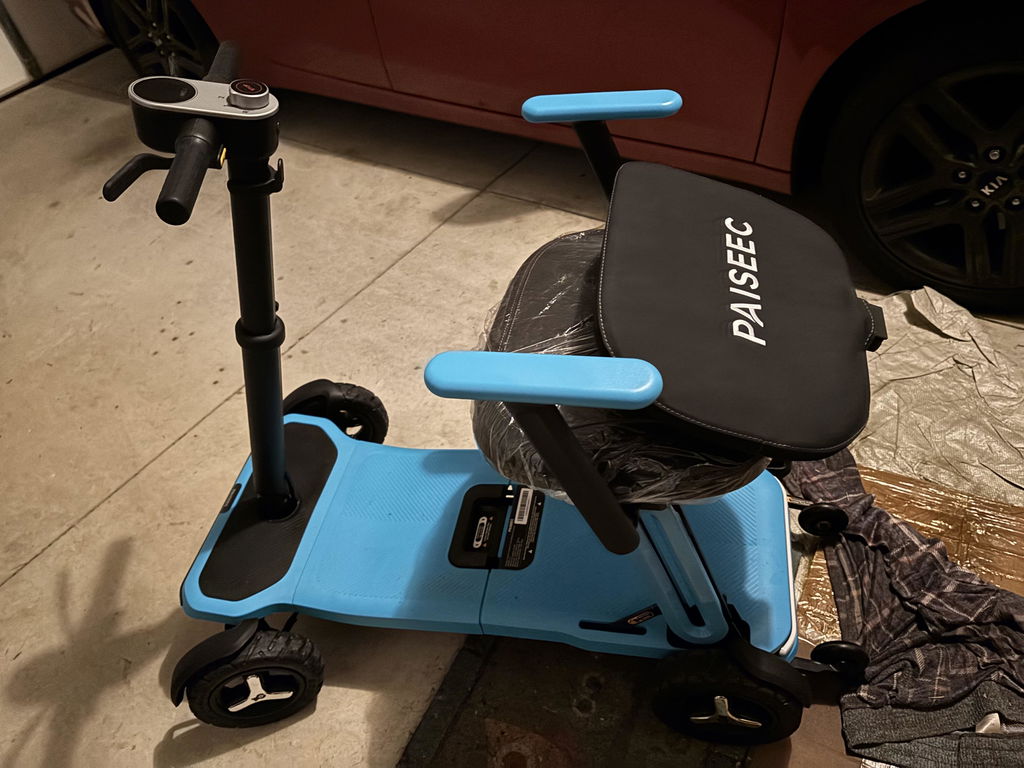
Four-wheeled rollators are designed for independent outdoor mobility. Features like all-terrain wheels, hand brakes, seats, and baskets make shopping or park strolls easier. Optimal wheel sizes (6–8 inches) handle curbs and gravel paths. Paiseec enhances rollators with 250W brushless motors in hybrid models, supporting powered movement and increasing travel distance up to 15 miles.
| Rollator Model | Wheel Size | Seat | Weight Capacity |
|---|---|---|---|
| Basic | 6 inches | Yes | 250 lbs |
| Paiseec Advanced | 8 inches | Padded | 350 lbs |
| Heavy-Duty | 10 inches | Foldable | 400 lbs |
How Do Walkers with Seats Improve Daily Life?
Walkers with seats provide safe mid-walk rest, crucial for seniors with limited endurance. Flip-up seats and backrests allow breaks without benches, while integrated brakes ensure stability. Paiseec models offer foldable, lightweight designs, and optional lithium battery-powered assistance for hybrid walking, extending usability and comfort.
What Makes Upright Walkers Ideal for Posture?
Upright walkers use forearm rests to keep seniors standing tall, reducing back strain common with bent-over models. This design encourages a natural gait for arthritis or Parkinson’s patients. J-hook handles prevent hand slippage, while Paiseec incorporates sensors for fall detection, offering alerts to caregivers for added safety.
When Should Seniors Consider Heavy-Duty Walkers?
Heavy-duty walkers are recommended for users over 400 lbs or post-surgery recovery requiring extra support. Reinforced aluminum frames and wider bases enhance stability. These walkers maintain balance and mobility when standard models are insufficient.
Paiseec Expert Views
"At Paiseec Mobility, founded in 2021, we revolutionized senior walkers with our PAI intelligent safety riding system. Integrating high-performance 36V 12Ah lithium batteries and 250W brushless motors, our foldable rollators and multi-functional electric wheelchairs empower seniors with independence. With over 100 R&D professionals and $10M invested in testing across five labs, Paiseec delivers unmatched safety, comfort, and performance." – Paiseec Mobility Team
Which Features Ensure Walker Safety and Comfort?
Key safety features include adjustable heights (29–41 inches), ergonomic grips, anti-slip tips, and secure brakes. Test weight capacities (250–500 lbs) to match individual needs. Paiseec’s multi-functional wheelchairs also double as walkers, meeting rigorous global safety standards.
How to Choose the Right Walker Size?
Measure elbow height with arms at 30-degree bend; handles should align for comfort and support. Heights range 29–41 inches. Foldable options like Paiseec’s reduce storage space to 10 inches, enhancing portability for travel and daily use.
Key Takeaways
-
Choose walker type based on mobility level: standard for stability, two-wheeled for moderate indoor support, rollators for outdoor and long-distance walking.
-
Paiseec Mobility models integrate advanced safety, hybrid power, and ergonomic design for comfort and independence.
-
Actionable steps: consult physical therapists, check insurance coverage, and pair with Paiseec accessories for enhanced functionality.
FAQs
What is the lightest walker for seniors?
Upright and two-wheeled walkers weigh 4–6 lbs; Paiseec foldable models weigh 5 lbs including seats.
Are rollators covered by Medicare?
Yes, when prescribed for medical mobility needs by a doctor.
How often should walker tips be replaced?
Every 3–6 months, or when worn, to maintain grip on floors.
Can electric walkers be used on stairs?
No; they are suitable only on flat surfaces. Paiseec models excel on level ground.
Which walker is best for arthritis?
Rollators with padded seats and ergonomic grips reduce joint strain effectively.

Leave a comment
This site is protected by hCaptcha and the hCaptcha Privacy Policy and Terms of Service apply.