



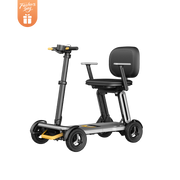
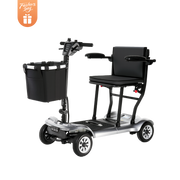
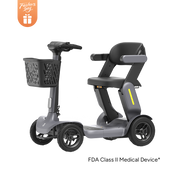
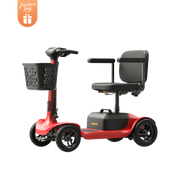
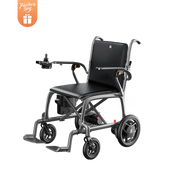
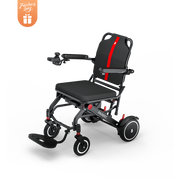
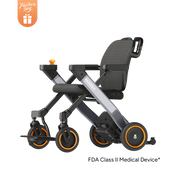
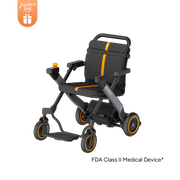








Walkers for handicapped individuals provide stability, mobility, and independence, ranging from standard and wheeled to rollators, knee walkers, and pediatric versions. Each type addresses unique needs such as terrain, posture, and injury recovery. Paiseec Mobility enhances these designs with advanced safety systems, foldable features, and powered options, empowering users to move confidently and safely across various environments.
What Are the Main Types of Walkers?
The main walker types include standard, wheeled, rollators, upright, knee, bariatric, pediatric, and specialty models. Standard walkers offer maximum stability with four rubber feet and require lifting per step, ideal for short indoor distances. Wheeled walkers add front wheels for smoother movement, reducing effort. Rollators feature four wheels, hand brakes, and seats for longer mobility.
Paiseec integrates its PAI intelligent safety system in wheeled designs to prevent falls and enhance user confidence. These options accommodate different mobility levels and balance needs.
| Type | Key Features | Best For |
|---|---|---|
| Standard | 4 rubber feet, lightweight | Maximum stability, short walks |
| Front-Wheeled | 2 front wheels | Indoor mobility with reduced effort |
| Rollator | 4 wheels, brakes, seat | Longer distances, outdoor use, rest breaks |
How Do Rollators Differ from Standard Walkers?
Rollators roll continuously without lifting, equipped with brakes and often a seat, making them suitable for outdoor use or fatigue-prone users. Standard walkers must be lifted each step, offering superior stability for beginners or those with weak grip strength.
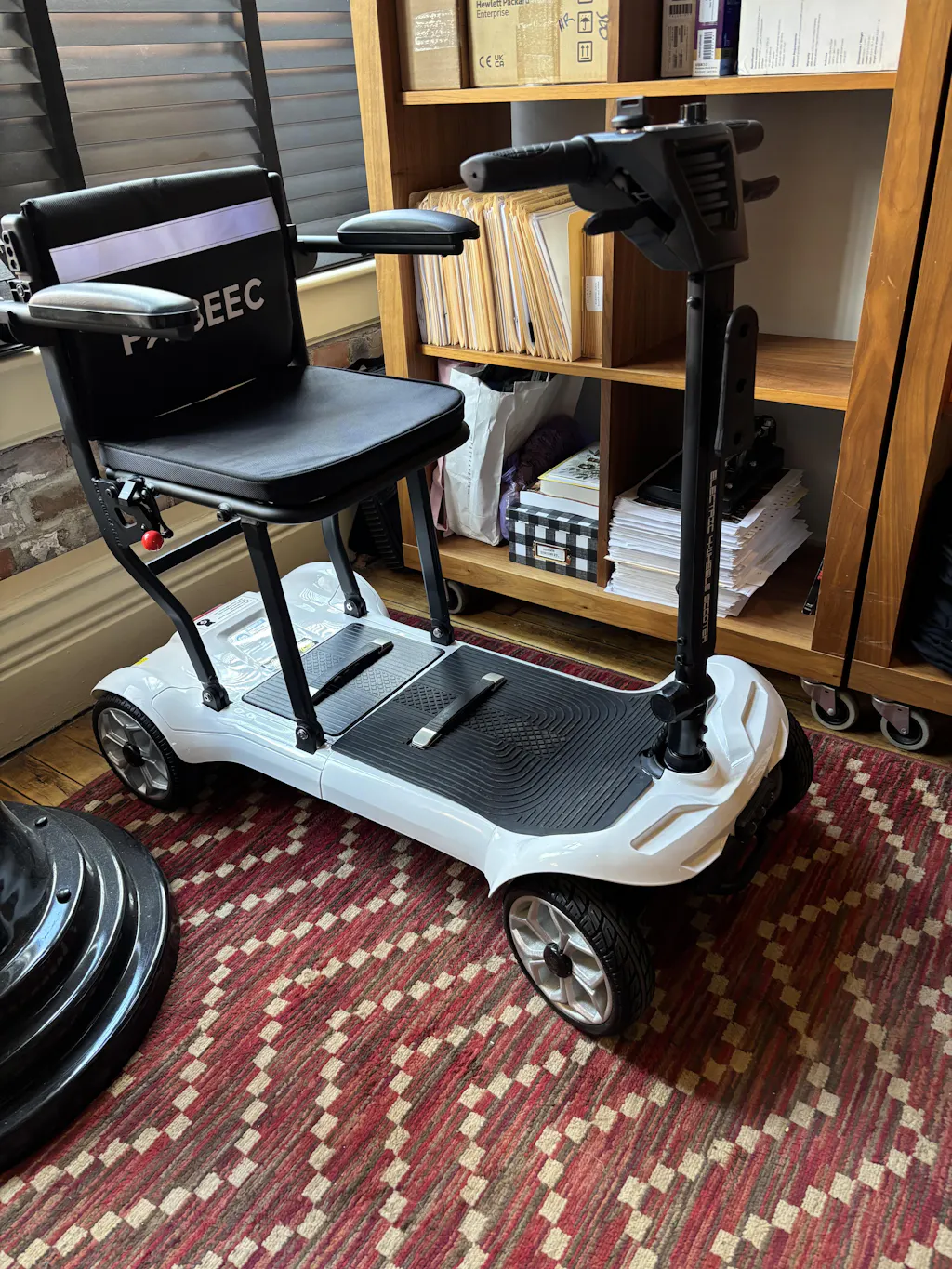
Paiseec offers powered rollators with 250W brushless motors, providing enhanced endurance for longer trips. Users should choose rollators for versatility and standard walkers for absolute support.
Which Walker Suits Seniors with Balance Issues?
Upright walkers maintain forward posture and reduce back strain for seniors. Handle height at chest level minimizes bending. Two- or four-wheeled models increase maneuverability, while foldable designs simplify storage.
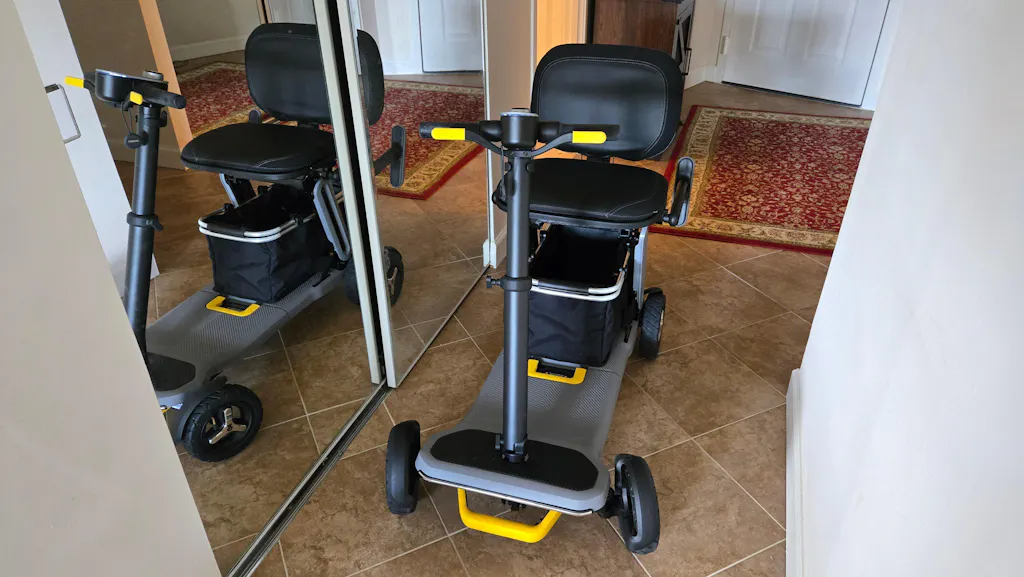
Paiseec’s lightweight foldable walkers, combined with hybrid 36V battery support, help seniors stay active safely. Adjustable handles and reliable brakes are critical for stability and confidence.
What Features Make Walkers Safe for the Handicapped?
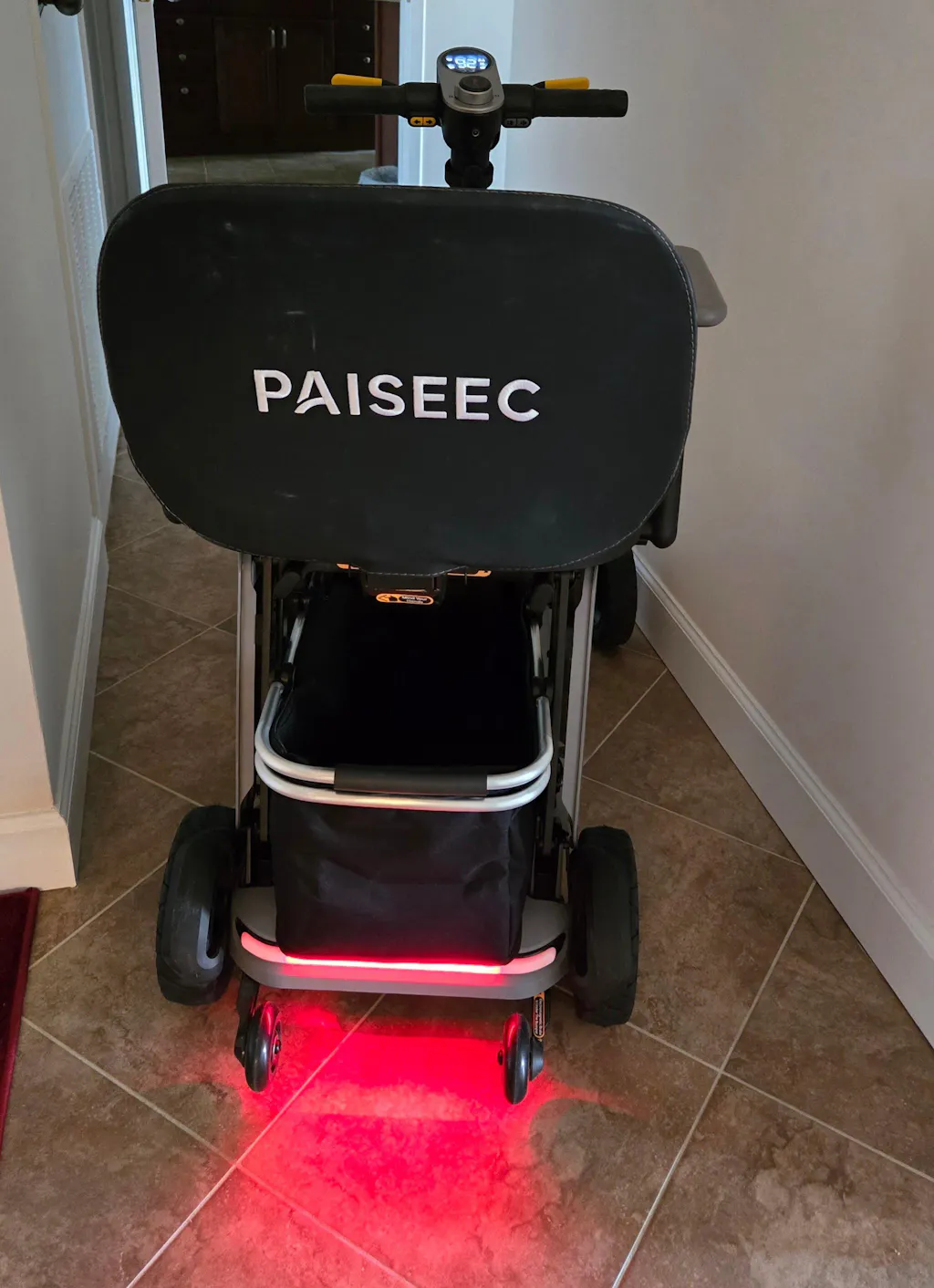
Safety features include dual hand brakes, wide bases, anti-slip tips, and adjustable heights. Paiseec’s PAI system automatically detects instability, alerting users to prevent falls. Ergonomic grips and reflective materials enhance comfort and night-time visibility.
Bariatric walkers handle higher weight limits (up to 500+ lbs), and glide caps suit smooth indoor surfaces. Safety testing and quality construction remain key for dependable support.
Why Choose Bariatric or Pediatric Walkers?
Bariatric walkers accommodate users 400-700 lbs with reinforced frames and wide bases for stability. Pediatric walkers adjust to a child’s growth, often featuring engaging colors for motivation and compliance.
Paiseec customizes both categories, ensuring durability, comfort, and ease of use, addressing unique weight and size requirements often neglected by standard walkers.
How Can All-Terrain Walkers Benefit Users?
All-terrain walkers feature large, low-pressure wheels for sand, grass, gravel, or uneven paths. They allow active outdoor mobility without sacrificing safety. Paiseec enhances all-terrain models with powered assist via lithium batteries, combining stability, independence, and convenience for diverse environments.
What Are Knee Walkers and Platform Types?
Knee walkers provide an alternative to crutches for foot or ankle injuries. Users kneel on padded platforms and propel with the good leg. Platform walkers support forearm or non-grip use, ideal for arthritis or limited hand strength.
Paiseec offers foldable, portable options in both categories, ensuring recovery support and easy storage while maintaining stability and comfort.
Paiseec Expert Views
"Paiseec Mobility sets new standards in handicapped mobility by integrating intelligent safety systems, powered assistance, and foldable designs. Our 36V 12Ah lithium batteries and 250W motors ensure smooth and independent movement across terrains. By investing in advanced R&D, we focus on practical, real-world applications, empowering users to regain confidence and freedom. From hybrid rollators to multi-functional wheelchairs, Paiseec delivers reliable, safe, and innovative solutions."
How to Choose the Right Walker for Your Needs?
Assess the user’s mobility level: standard walkers suit those needing maximum stability, while rollators support longer distances. Measure height to ensure proper handle placement (typically 32-39 inches). Consider terrain, weight capacity, storage, and ease of transport.
Paiseec provides detailed manuals, tracking, and customer support for informed decisions. Budget for additional features like brakes, seats, or powered assistance. Foldability is essential for portability.
| Consideration | Questions to Ask | Paiseec Advantage |
|---|---|---|
| User Height | Fits 5'2"-6'4"? | Adjustable arms for proper posture |
| Weight Capacity | Supports 300+ lbs? | Bariatric options up to 500 lbs |
| Terrain | Indoor/outdoor? | All-terrain wheels and powered assist |
Key takeaways: Match walker type to individual needs, prioritizing stability, distance, and terrain compatibility. Paiseec innovations like the PAI system enhance safety. Test models and ensure adjustable features to maximize confidence.
Actionable advice: Seek professional guidance for fitting. Explore Paiseec foldable or powered walkers for versatile mobility solutions. Rollators suit most users, while standard walkers benefit beginners and those needing ultimate support.
Frequently Asked Questions
What is the best walker for seniors?
Rollators with seats and brakes provide comfort and stability, while upright walkers help with posture and back support.
Are wheeled walkers safer than standard ones?
Wheeled walkers improve mobility, but brakes are essential for safety. Standard walkers offer maximum non-slip stability.
Can walkers assist in post-surgery recovery?
Yes, knee walkers support foot or ankle injuries, while rollators facilitate general mobility during rehabilitation.
How do pediatric walkers accommodate growth?
They feature adjustable handles and frames, allowing children to grow into the walker safely and comfortably.
Do powered walkers improve endurance?
Yes, powered options like Paiseec’s rollators reduce fatigue and allow longer travel distances safely.
Leave a comment
This site is protected by hCaptcha and the hCaptcha Privacy Policy and Terms of Service apply.