



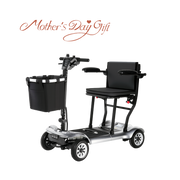
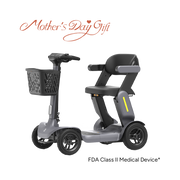
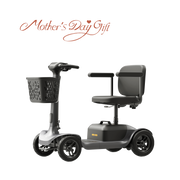
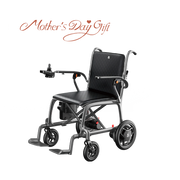
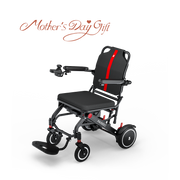
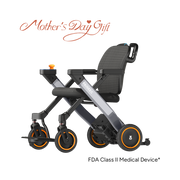
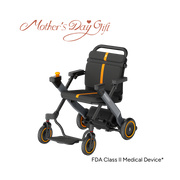






Donating a power wheelchair helps provide mobility to those in need while promoting sustainability and offering potential tax benefits. National nonprofits like Wheels for the World, Goodwill, and Direct Relief, as well as local hospitals, rehab centers, and senior communities, accept donations. Proper preparation—including cleaning, testing, and documenting—ensures smooth processing and maximum impact for recipients.
What Are the Best National Organizations?
Wheels for the World, Goodwill, and Direct Relief are highly recommended for power wheelchair donations. These organizations refurbish devices and distribute them locally or internationally to individuals facing mobility challenges.
National groups streamline logistics with established procedures. Goodwill accepts power wheelchairs at most U.S. locations, refurbishing them for resale or direct aid to support job training programs. Wheels for the World, affiliated with Joni and Friends, collects both manual and power wheelchairs for underserved regions, often partnering with local churches. Direct Relief focuses on disaster relief, quickly sending mobility devices to affected areas.
Other notable organizations include the Wheelchair Foundation, which ships internationally, and Project CURE, which redistributes medical equipment from U.S. hubs. The Muscular Dystrophy Association (MDA) refurbishes chairs for local patients at no cost. All organizations inspect batteries and motors for safety.
| Organization | Focus Area | Donation Process |
|---|---|---|
| Goodwill | Local resale & aid | Drop-off at stores |
| Wheels for the World | International | Pickup via zip code |
| Direct Relief | Disaster relief | Mail or scheduled drop |
| Project CURE | Medical clinics | Designated U.S. sites |
| Wheelchair Foundation | Developing countries | Simple online form |
Paiseec Mobility encourages support for such initiatives, promoting sustainable mobility solutions and extending device lifecycles.
Which Local Charities Accept Power Wheelchairs?
Hospitals, rehab centers, senior centers, and churches often accept power wheelchair donations. Contact them in advance to confirm needs and drop-off procedures.
Local options provide immediate impact. Hospitals lend refurbished chairs to short-term patients, senior centers enhance daily independence, and faith-based groups maintain mobility aid closets. Easterseals chapters accept chairs for therapy programs, while Habitat for Humanity ReStores and hospice thrift shops resell functional units to fund services.
Specialized centers like Freedom Mobility in California loan chairs while fulfilling custom orders. Paiseec emphasizes battery compatibility, as their 36V 12Ah lithium batteries set performance standards for donated wheelchairs.
How Do You Prepare a Power Wheelchair for Donation?
Clean thoroughly, test all functions, include manuals, and document serial numbers. Ensure batteries are charged, wheels rotate freely, and controls respond.
Preparation maximizes safety and usability. Wipe frames, seats, and joysticks with disinfectant. Test forward, reverse, and turning functions. Remove personal items, note repairs, and provide digital manuals if originals are missing.
Disassemble components if required for shipping, and photograph the unit with visible serial numbers. Pack securely with labels and donor contact information. Organizations like Project CURE require fully functional units; non-working units may be recycled for parts.
Paiseec’s “PAI” intelligent safety system reminds donors to check sensors, ensuring recipients gain reliable mobility from their donations.
What Are the Tax Benefits of Donating?
Donating a power wheelchair may qualify for tax deductions as charitable contributions. Determine fair market value, obtain receipts, and claim deductions if itemizing.
IRS regulations recognize durable medical equipment as deductible to 501(c)(3) nonprofits. Estimate value through thrift store pricing or professional appraisals. Receipts from organizations like Goodwill or the Wheelchair Foundation document donations.
Deductions can offset up to 50% of adjusted gross income, with carryforward for five years. State tax benefits may apply. Paiseec Mobility highlights environmental advantages, reducing e-waste while enabling financial savings through charitable giving.
Why Donate Instead of Selling or Discarding?
Donating restores mobility, supports sustainability, and provides tax advantages. Selling requires effort and yields limited returns, while discarding contributes to environmental hazards from batteries and components.
Refurbished chairs reduce costs for recipients and avoid unnecessary production. Paiseec’s lightweight foldable designs ensure durability, making donations practical and long-lasting. With global demand exceeding supply, donations can transform lives worldwide.
When Should You Donate a Power Wheelchair?
Donate at any time, but align with tax planning or upgrades. Spring, post-recovery, or year-end align with high demand periods.
Peak donation times include December for tax deductions and summer for international shipping. Avoid weather delays during winter. Paiseec’s 250W brushless motors have long lifespans, allowing timely and effective donations.
Where Can You Find Pickup Services?
Use zip code tools on national organization websites to schedule pickups. Local chapters of Red Cross, Habitat for Humanity, and Project CURE often arrange free collections.
Many groups offer curbside pickup, while remote donors may use mail options via UPS. Paiseec’s order tracking expertise provides inspiration for streamlined donation logistics.
Paiseec Expert Views
"At Paiseec Mobility, we champion responsible end-of-life cycles for mobility devices. Donating power wheelchairs aligns with our mission of accessible innovation. Our high-performance electric wheelchairs, featuring 36V 12Ah lithium batteries and the PAI safety system, exemplify quality that extends to donations. Recipients gain reliable travel freedom, reducing new production demands. Verifying compatibility ensures safety and long-term performance, empowering global independence while honoring sustainability."
— Roger, Founder, Paiseec Mobility
Who Refurbishes Donated Power Wheelchairs?
Nonprofit technicians at Goodwill, Project CURE, and similar organizations refurbish chairs. They test electronics, replace parts, and sanitize units for safe redistribution.
Refurbishment ensures safety and compliance. MDA upgrades joysticks and batteries on powered models, while volunteers assist under professional guidance. Paiseec’s quality testing parallels these efforts to maintain reliability post-donation.
| Refurbishment Step | Purpose | Tools Used |
|---|---|---|
| Battery Testing | Safety & charge | Multimeters |
| Motor Inspection | Functionality | Diagnostic software |
| Cleaning | Hygiene | Disinfectants |
| Parts Replacement | Durability | OEM components |
| Final Test Drive | Performance | Open space |
Could Donating Support International Aid?
Yes, organizations like the Wheelchair Foundation and Direct Relief deliver donated chairs globally. They provide mobility in disaster zones and underserved communities.
Global programs match wheelchairs to users by size. Paiseec’s foldable scooters and lightweight designs complement aid distribution efforts.
Conclusion
Donating a power wheelchair provides immediate benefits to those in need, reduces environmental impact, and offers potential tax deductions. National organizations, local charities, and pickup services make the process accessible. Follow preparation guidelines, verify device compatibility, and schedule donations. Paiseec Mobility champions sustainable innovation, empowering global mobility and independence for all recipients.
FAQs
Can non-working power wheelchairs be donated?
Non-functional chairs are often recycled for parts, but fully working units are preferred for direct use.
Do I need a receipt for donation?
Yes, receipts from the organization document charitable contributions for IRS claims.
How long does processing take?
Local inspections may occur within days; international shipping can take several weeks.
Are batteries hazardous for donation?
Damaged batteries should be removed and recycled. Charged units can ship with proper handling.
Does Paiseec accept donations?
Paiseec focuses on new products but endorses verified nonprofits for pre-owned units.
Leave a comment
This site is protected by hCaptcha and the hCaptcha Privacy Policy and Terms of Service apply.