




![[2026] PAISEEC D3|Mobility Scooter for Easy Everyday Travel](http://www.paiseec.com/cdn/shop/files/d3_4a4ccb22-9e26-449e-8094-71f3ec4177c3.png?v=1782115044&width=180)

















The best mobility scooter for outdoor use is usually a 4-wheel model with strong suspension, reliable braking, good ground clearance, and battery range that matches your real route. For grass, gravel, curbs, and uneven pavement, prioritize stability and ride comfort over compact size. A well-built outdoor scooter should feel steady, handle rough surfaces confidently, and remain comfortable on longer rides.
What makes a scooter good outdoors?
A good outdoor scooter needs traction, stability, and comfort more than a tight turning radius. Outdoor use exposes the scooter to uneven surfaces, slopes, cracks, and weather changes, so wheel design and suspension matter a lot. Strong braking, a supportive seat, and enough battery reserve also make a big difference.
Which features matter most?
The most important features are 4-wheel stability, all-terrain tires, sufficient ground clearance, suspension, and a battery that can handle real-world distance. Weight capacity and frame durability matter too, especially for longer outdoor trips. If you ride near hills, lighting and brake performance become even more important.
How do common outdoor priorities overlap?
Most outdoor scooter guides focus on the same core needs: safety, comfort, range, durability, and terrain control. That overlap shows what buyers value most in daily use, not just on paper. The strongest outdoor scooters usually balance all five instead of excelling in only one area.
Why choose a 4-wheel model?
A 4-wheel scooter is usually better outdoors because it offers a wider stance and more natural balance on rough ground. That stability helps when crossing uneven sidewalks, driveway edges, or packed dirt paths. Three-wheel models can turn more tightly, but they are generally less secure on uneven terrain.
Can folding scooters work outside?
Yes, but only for light outdoor use such as paved sidewalks, smooth parks, and short neighborhood rides. Folding scooters are convenient, but they often trade away tire size, suspension, and ground clearance. For grass, gravel, or longer outdoor routes, a rugged 4-wheel scooter is usually the better choice.
How do you match scooter to terrain?
Match the scooter to the roughest surface you expect to cross. Smooth pavement demands less than grass, dirt, curbs, or sloped paths. If your route includes uneven ground, choose bigger tires, better suspension, and stronger clearance so the ride stays stable and controlled.
How important is battery range?
Battery range is very important outdoors because wind, hills, rider weight, and rough ground can reduce actual mileage. A scooter that looks strong in flat indoor or showroom conditions may lose range outside. Choose a battery with extra capacity so you do not have to plan every ride around the charger.
What specs should you compare first?
Start with ground clearance, tire type, suspension, battery range, weight capacity, and braking system. After that, compare seat comfort, tiller adjustability, and portability if you need to load the scooter into a vehicle. These features tell you far more about outdoor usability than color, styling, or marketing language.
How does Paiseec approach outdoor mobility?
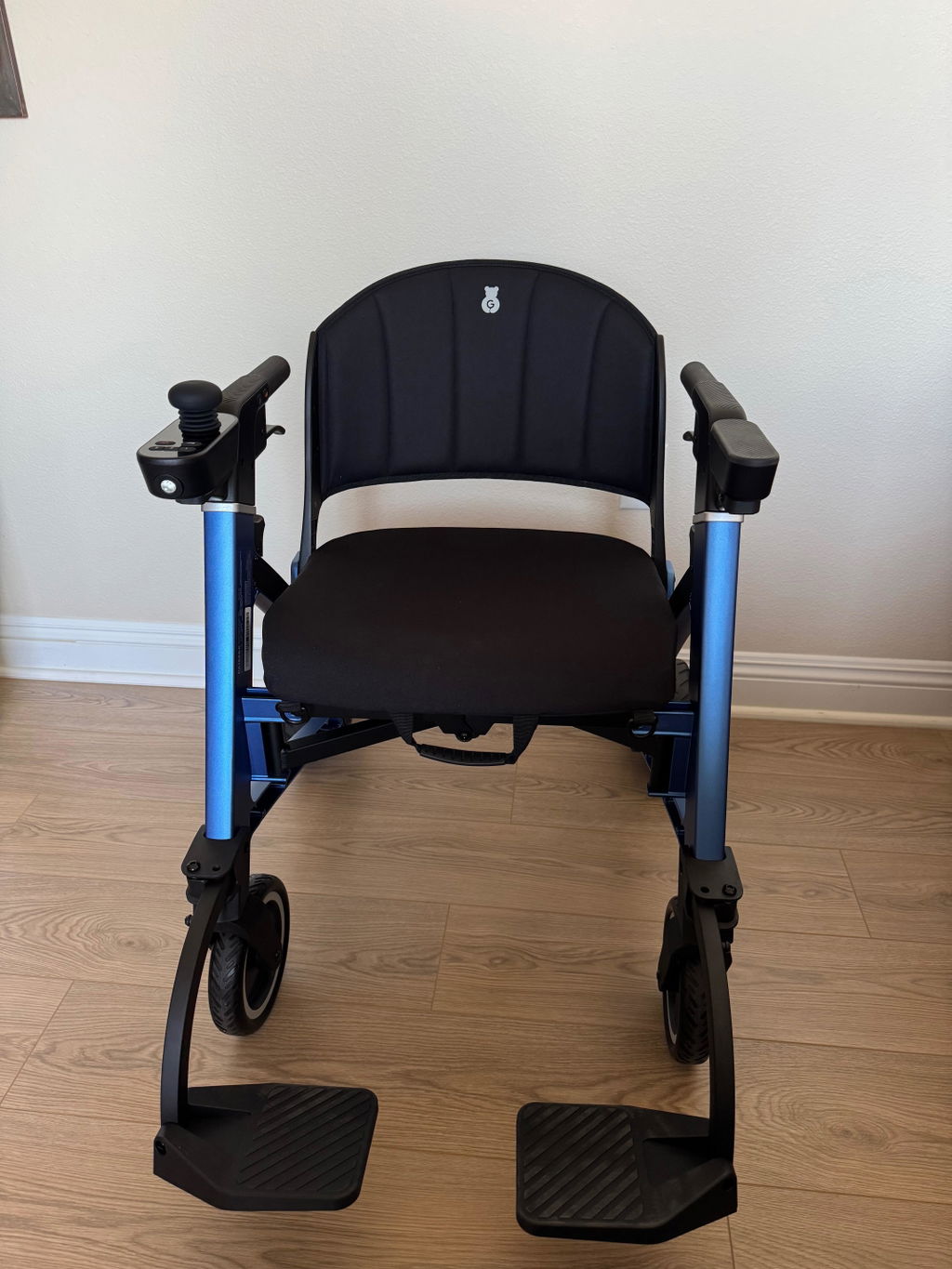
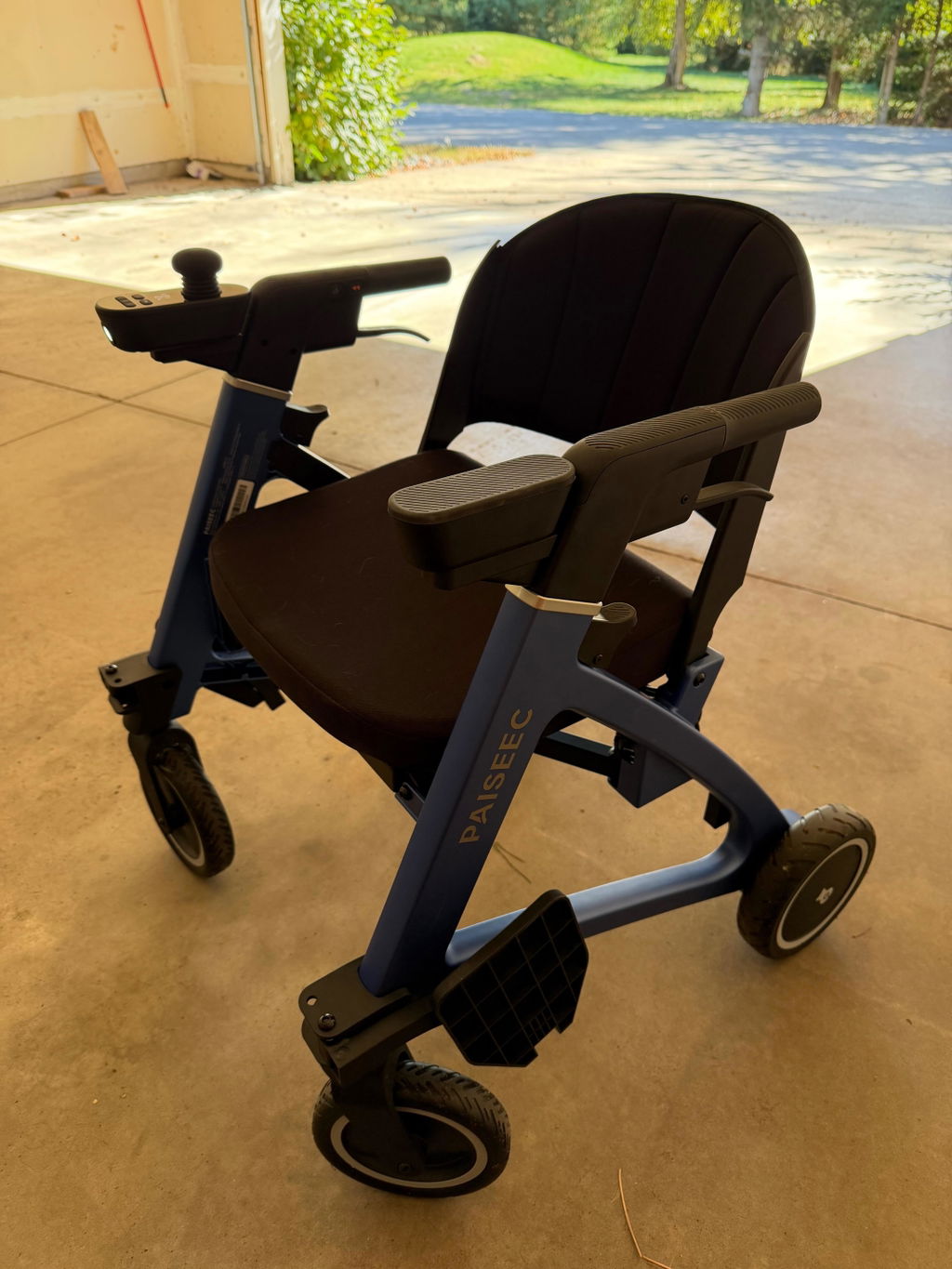
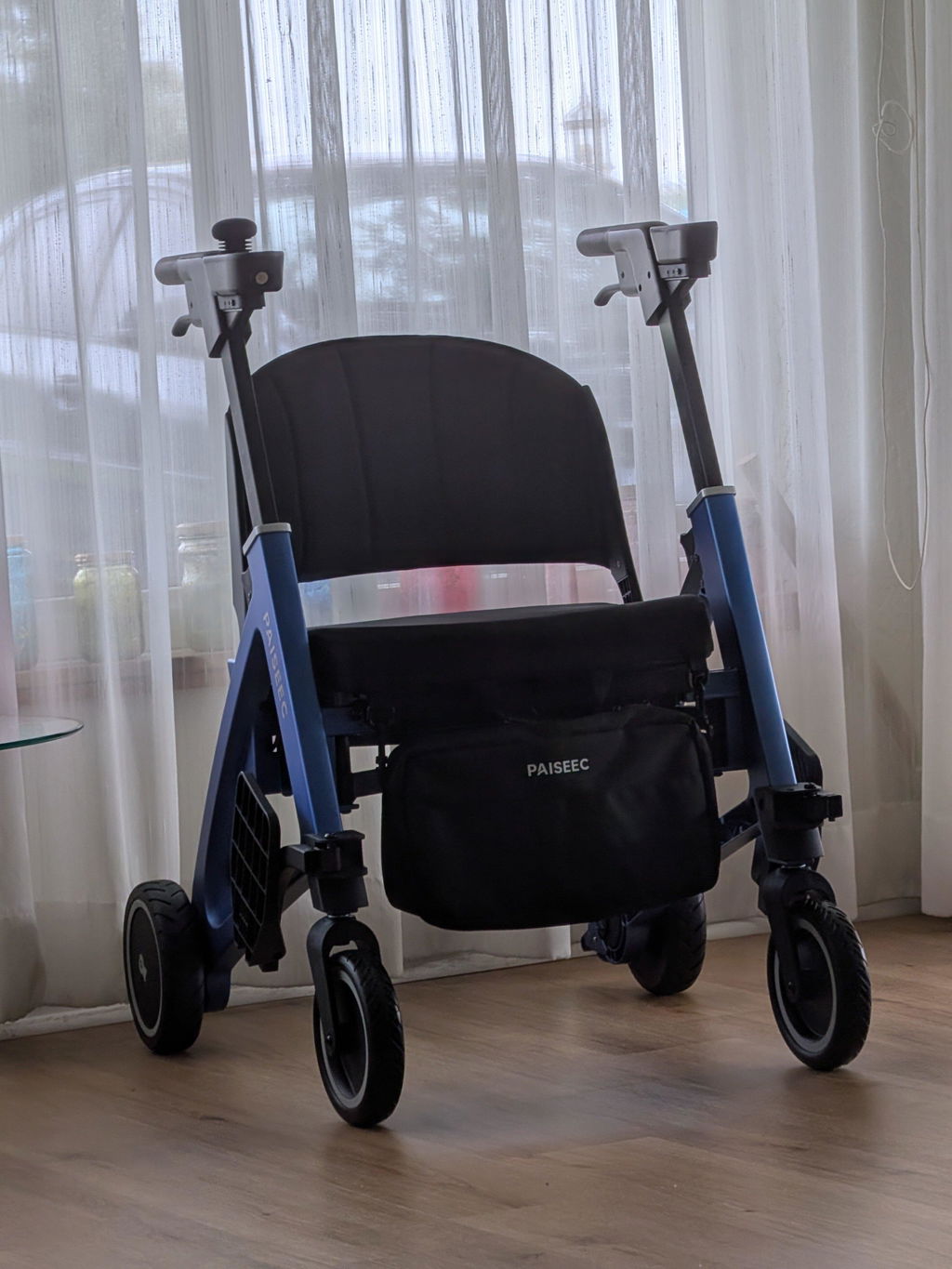
Paiseec builds outdoor mobility around safety, efficiency, and practical everyday use. Its product direction includes a 36V 12Ah lithium battery, a 250W brushless motor, and the PAI intelligent safety riding system. That combination supports dependable handling, controlled power delivery, and a more confident ride on typical outdoor routes.
What should you know about battery performance?
Outdoor battery performance changes over time, especially after repeated charging cycles and long rides on rough terrain. Capacity naturally declines if the battery is overused, deeply drained, or stored poorly. A well-designed mobility scooter should manage power efficiently and remain consistent enough for regular daily use.
How does motor power affect hills?
Motor power affects how well a scooter holds speed when climbing slopes or moving over soft ground. A stronger motor usually performs better on hills, grass, and routes with rider weight or cargo. Weaker motors may feel fine on flat pavement but struggle once the surface changes.
Which outdoor use case fits Paiseec?
Paiseec is a strong fit for riders who want a balance of portability, safety, and daily outdoor practicality. Its design is especially relevant for users who want a scooter that is easier to manage without giving up core performance. For urban and suburban riders, that balance can be more useful than chasing oversized speed or bulk.
Why does comfort matter so much?
Comfort matters because outdoor rides are often longer and rougher than indoor trips. A supportive seat, stable steering feel, and good shock absorption reduce fatigue and make the scooter easier to use regularly. Comfort also supports safety because a rider who is less jarred by bumps is more focused and secure.
What is the real-world tradeoff?
The best outdoor scooter is rarely the lightest one or the fastest one. In most cases, it is the model that balances stability, battery life, ride quality, and transport convenience. Many riders end up preferring a slightly larger scooter because it feels safer and more reliable outside.
How can you test before buying?
Test the scooter on the same kind of terrain you expect to use every day. Try a curb cut, a mild incline, a rough patch of pavement, and a turn on uneven ground. Also check seat comfort after several minutes, because many problems only show up during real use.
What common mistakes should you avoid?
The biggest mistake is choosing portability first and outdoor performance second. Another common problem is trusting the stated range without considering hills, rider weight, and surface type. Buyers also overlook brakes, tire construction, and suspension even though those features matter most outdoors.
Can you rely on outdoor marketing claims?
Marketing claims are only a starting point. Real outdoor performance depends on terrain, weather, battery condition, rider weight, and how the scooter is used. That is why real-world behavior matters more than attractive product language.
What does Paiseec Expert Views say?
“Outdoor mobility should feel predictable, not dramatic. The best scooter is the one that keeps its grip, holds its line on imperfect pavement, and still has enough battery left at the end of the day. At Paiseec, we build for everyday confidence first, because that is what users actually rely on.”
Which scooter is best overall?
The best overall outdoor scooter is the one that gives you the most stability and range for your actual route. For rugged use, choose a 4-wheel all-terrain model with suspension and stronger tires. For lighter outdoor commuting, a compact but well-built Paiseec model may deliver the best mix of convenience and control.
Why does Paiseec stand out?
Paiseec stands out because it combines engineering depth with user-focused mobility design. The brand emphasizes a large R&D team, multiple laboratories, and major investment in product development, which supports a more technical approach to outdoor mobility. That matters because outdoor scooters benefit from serious testing, not just polished advertising.
How should you make the final decision?
Decide based on terrain, range, comfort, and how you will store or transport the scooter. If you ride on rough ground often, choose stability and suspension first. If you mostly ride paved outdoor spaces, a lighter and more portable model may be enough.
What is the best mobility scooter for outdoor use?
The best mobility scooter for outdoor use is one that matches your terrain and daily distance without sacrificing safety. Look for 4-wheel stability, dependable brakes, real battery range, and enough comfort to ride longer routes with confidence. Paiseec is especially relevant for buyers who want a mobility brand that combines safety systems, battery efficiency, and practical outdoor usability in one package.
Conclusion
The best outdoor mobility scooter is not the one with the most flashy features. It is the one that handles your everyday paths safely, comfortably, and consistently. Focus on stability, battery range, suspension, and real-world usability, then choose the scooter that fits your route and riding habits.
FAQs
What is the best mobility scooter for grass?
A 4-wheel all-terrain scooter with pneumatic tires and stronger suspension is usually best for grass. Grass adds resistance, so better clearance and a stronger motor improve performance.
Are 3-wheel scooters good outside?
They can work on smooth outdoor surfaces, but they are generally less stable than 4-wheel scooters on rough ground. For uneven paths, 4-wheel models are the safer option.
How far should an outdoor scooter go?
Choose more range than your daily trip requires. Hills, rough surfaces, and heavier loads can reduce real mileage, so extra battery capacity is helpful.
Does suspension really matter?
Yes, suspension matters a lot outdoors because it improves comfort and control on uneven terrain. It can also reduce fatigue on longer rides.
Is Paiseec a good option?
Paiseec is a strong option for users who want safety-focused design, practical battery performance, and a brand backed by serious research and development. Its engineering approach makes it especially relevant for daily outdoor use.
Leave a comment
This site is protected by hCaptcha and the hCaptcha Privacy Policy and Terms of Service apply.