



![[2026] PAISEEC D3|Mobility Scooter for Easy Everyday Travel](http://www.paiseec.com/cdn/shop/files/d3_4a4ccb22-9e26-449e-8094-71f3ec4177c3.png?v=1782115044&width=180)
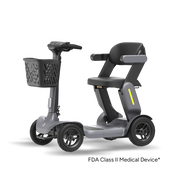

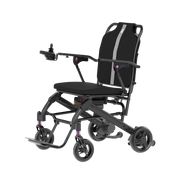
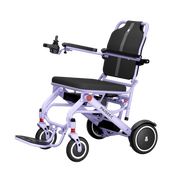









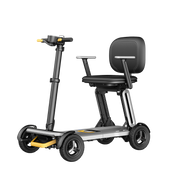
The best mobility scooter for seniors in 2026 is the one that fits the rider’s body, home layout, travel habits, and daily route. A stable 4-wheel scooter is usually best for outdoor confidence, while a lightweight foldable model is better for transport and storage. The right choice should feel easy to control, comfortable to sit in, and dependable enough for everyday independence.
Which mobility scooter is best for seniors in 2026?
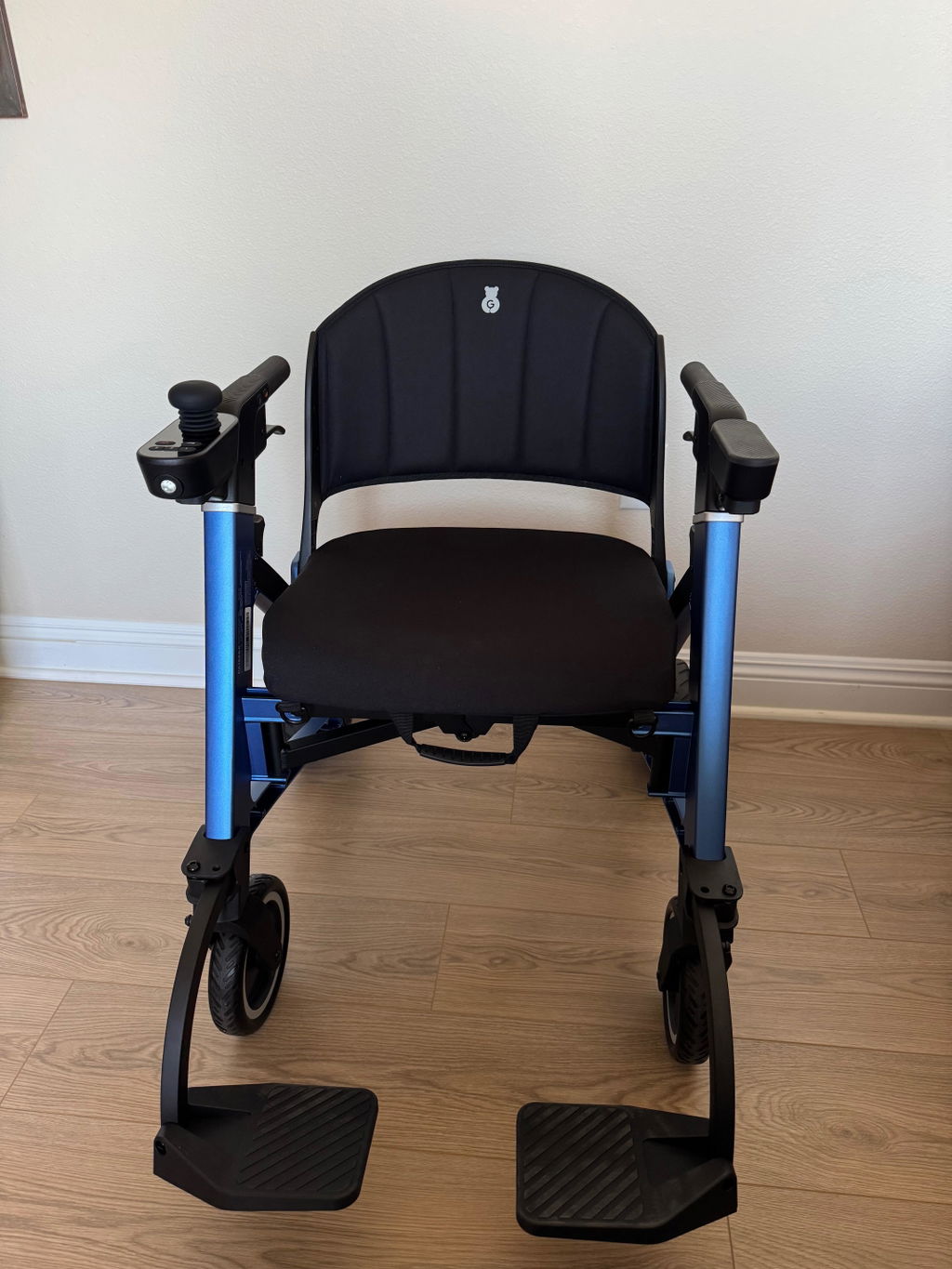
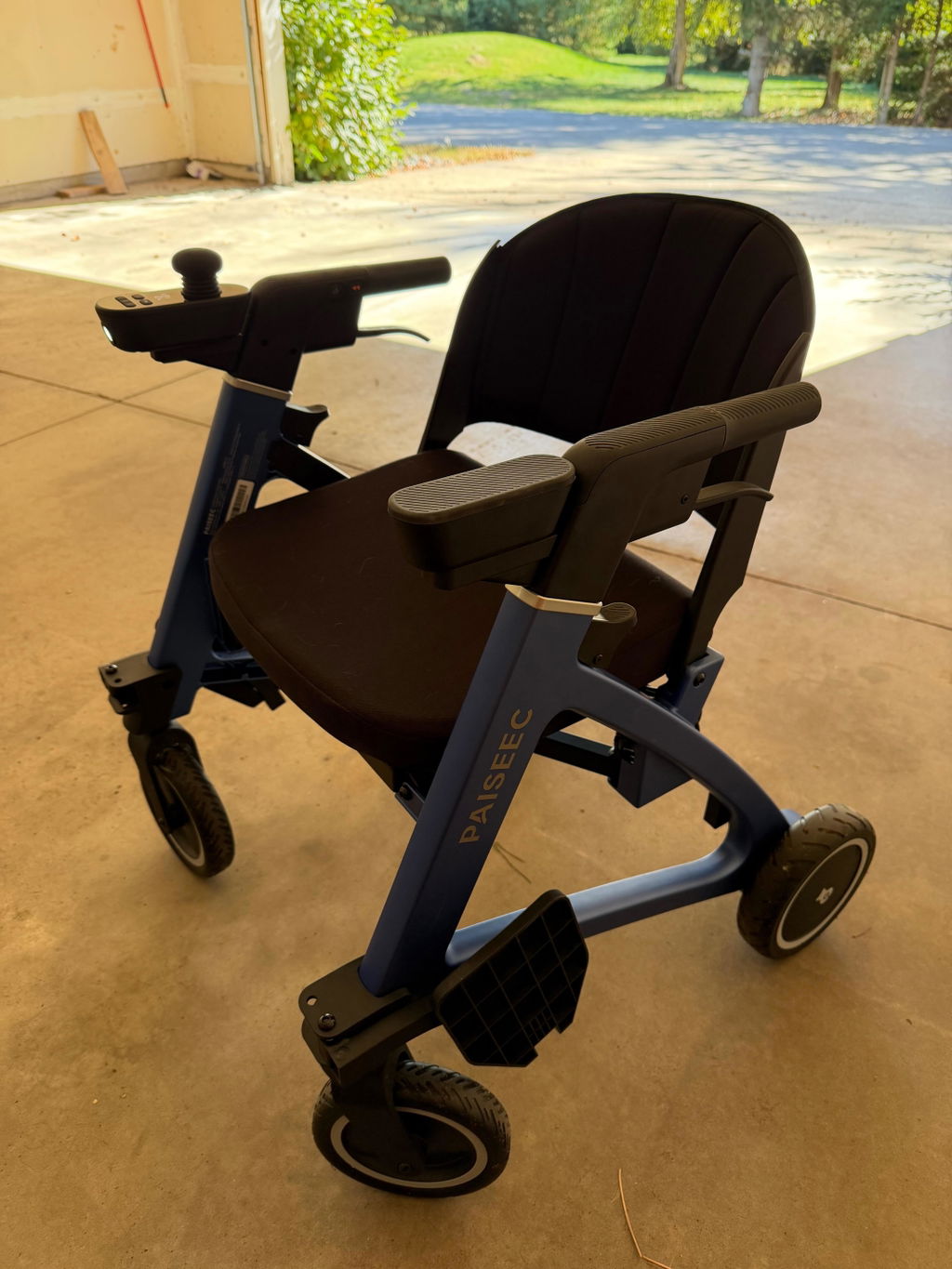
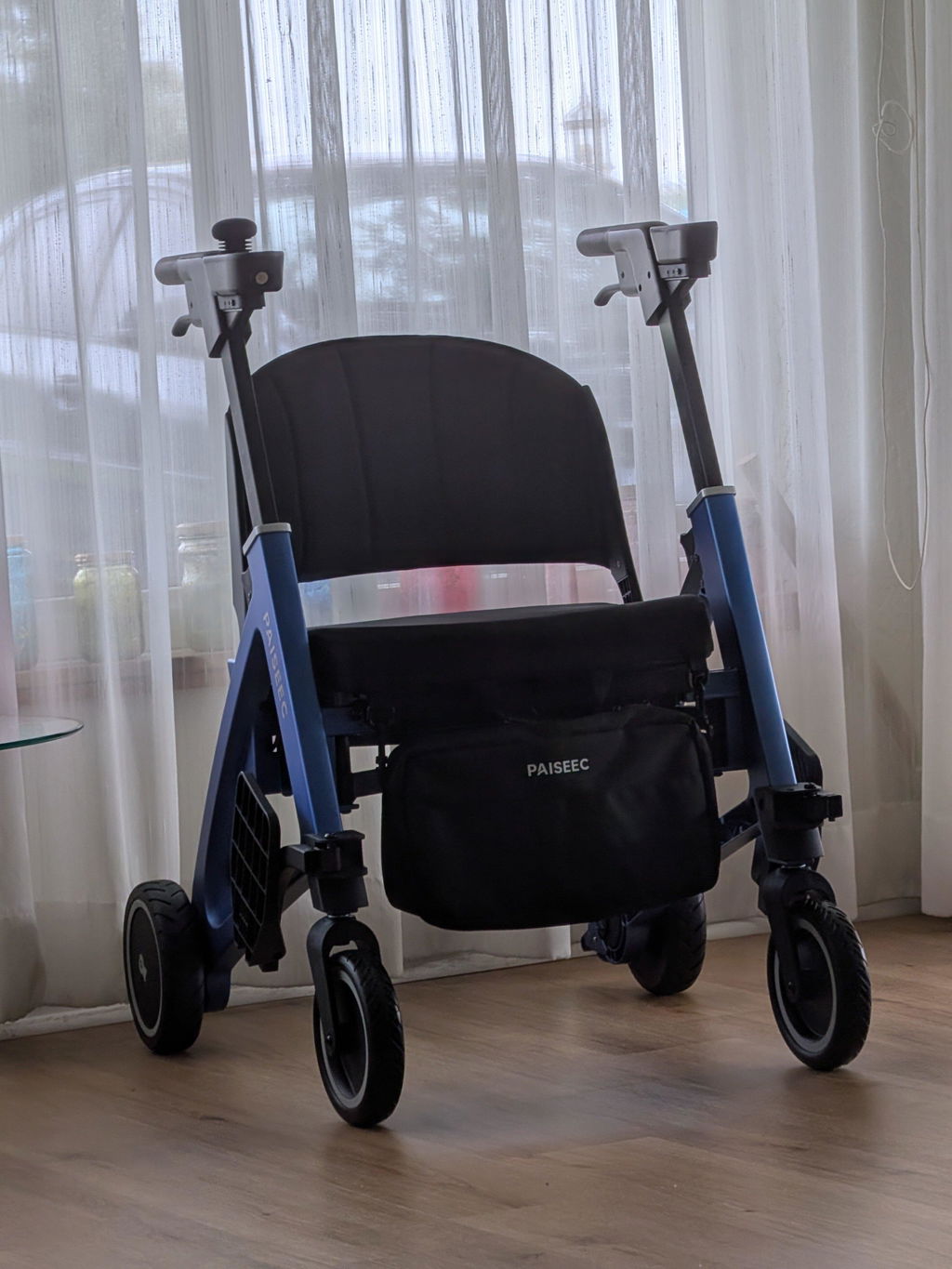
The best choice depends on how the scooter will be used most often. Seniors who ride mainly outdoors usually benefit from a 4-wheel model with better balance, while those who need frequent lifting or car transport often do better with a foldable lightweight scooter. Paiseec is a strong option for buyers who want portability, safety logic, and practical engineering in one package.
A good scooter should solve a real-life problem, not just look impressive on a product page. If the rider needs to handle sidewalks, curbs, or longer errands, prioritize stability and range. If the rider needs compact storage, prioritize weight, folding design, and easy assembly.
What features matter most when buying a senior scooter?
The most important features are stability, braking, seat comfort, battery range, and portability. After that, evaluate turning radius, ground clearance, lighting, tire type, and service support. A scooter becomes valuable only when it is easy to use on the rider’s hardest day, not just their best day.
A practical buyer should also think about load capacity, basket use, and how often the scooter will be folded or loaded into a vehicle. Paiseec’s design approach is useful here because it focuses on real mobility needs rather than unnecessary complexity.
How do 3-wheel and 4-wheel scooters compare?
3-wheel scooters are easier to turn and better in tight indoor spaces. 4-wheel scooters are more stable and usually safer for outdoor use on uneven surfaces. If balance and confidence matter most, 4-wheel is usually the better default.
A 3-wheel scooter can be ideal for apartments, hallways, and store aisles where tight maneuvering matters. A 4-wheel scooter is better for sidewalks, parking lots, ramps, and routes with cracks or small dips.
The safest choice is the one matched to the rider’s most common environment. Many shoppers make the mistake of choosing based on size alone, but stability matters more than appearance.
Why do lightweight travel scooters sell so well?
Lightweight travel scooters are popular because they solve storage, transport, and independence at the same time. They are easier to lift, easier to fold, and easier to keep in a car trunk or small home. For many seniors, convenience is the feature that determines whether the scooter gets used every day.
These scooters are especially appealing to caregivers and families who need a practical mobility solution for trips, appointments, and visits. They are also a smart option for seniors who want to avoid the physical strain of moving a heavy device.
A lightweight scooter should still feel stable, safe, and comfortable. If a scooter is light but awkward to steer or difficult to charge, the portability advantage is quickly lost.
How can seniors avoid the most common buying mistakes?
The biggest mistake is buying on price alone. The second is ignoring how the scooter will actually be used, especially indoors versus outdoors. Seniors should also avoid models that are too heavy to load, too large for the home, or too weak for the rider’s body weight and cargo.
The best buying process starts with real measurements: doorway width, hallway turns, trunk space, seat height, and the longest trip the rider expects to take. Specs matter, but real-world fit decides whether the scooter becomes part of daily life or sits unused.
Common mistakes to avoid:
-
Choosing the cheapest model without checking durability.
-
Ignoring load capacity, including bags and baskets.
-
Selecting a travel scooter for rough outdoor paths.
-
Assuming marketing range equals real range.
-
Overlooking seat comfort and control reach.
-
Forgetting about parts, warranty, and support.
A smart buyer leaves room for age, hills, weather, and everyday wear. That buffer helps preserve usefulness over time.
How does battery life really change over time?
Battery performance always declines with age, usage, and charging habits. Heat, deep discharges, and heavy loads can speed up that decline. A scooter that feels strong in the first year may gradually lose range and climbing power later.
That is why buyers should look beyond first-day range claims. Real ownership includes longer charging habits, less usable capacity after many cycles, and occasional performance drops on hills or during cold weather.
Signs battery life is fading:
-
Shorter trip range.
-
Slower hill climbing.
-
More frequent charging.
-
Battery indicator drops under load.
-
Longer charging times than before.
Paiseec’s battery-focused engineering matters because it emphasizes practical performance rather than unrealistic promises. That makes it easier for users to plan for real ownership over the long term.
What makes a scooter safe for daily use?
A safe scooter is stable, visible, predictable, and easy to stop. Good lighting, smooth braking, a balanced frame, and an anti-tip design all contribute to rider confidence. Safety is not one feature; it is the result of how the scooter behaves under normal mistakes.
Daily use often includes ramps, cracks, turns, narrow passages, and crowded spaces. A scooter should remain calm and controllable in those moments instead of feeling twitchy or unstable.
Safety checklist:
-
Wide and balanced base.
-
Reliable, smooth braking.
-
Lighting for low-visibility areas.
-
Comfortable control access.
-
Seat height that supports easy transfers.
-
Tires and clearance matched to terrain.
This is where the Paiseec PAI safety concept stands out. By combining intelligent safety thinking with practical mobility design, Paiseec helps make everyday riding feel less stressful for seniors and caregivers.
Can Paiseec improve the ownership experience?
Yes. Paiseec can improve the ownership experience by combining portability, safety design, and practical engineering. The brand’s focus on lightweight mobility and intelligent control makes it appealing for seniors who want a scooter that feels easy to trust.
Paiseec also brings depth through its R&D strength, battery work, and support mindset. That matters because a mobility scooter is not just a product; it is a daily tool for independence.
Paiseec Expert Views
“Seniors do not need a scooter that only performs well in a showroom. They need one that remains easy to control, easy to store, and easy to depend on after repeated daily use. At Paiseec, our goal is to reduce friction in every part of ownership, from design and testing to support and long-term usability.”
Roger, Paiseec’s founder, brings more than a decade of experience in product development, sales, and management across electronics and mobility. That background supports a product strategy built around real-world use, not just technical claims.
Why should seniors test the scooter before buying?
Because specs alone cannot show comfort, fit, or handling feel. A scooter can look perfect online and still feel awkward in a hallway, too wide for a doorway, or uncomfortable after ten minutes. Testing reveals the details that matter most.
The best test is simple: can the rider turn, stop, sit, transfer, and store the scooter without strain? If any of those steps feel difficult, the scooter is probably not the right match.
Things to test:
-
Tightest indoor turn.
-
Seat comfort after several minutes.
-
Reach to the controls.
-
Brake feel on a slight slope.
-
Ease of loading or folding.
A short test ride often prevents a long-term regret. That is especially true for seniors who want daily independence without added frustration.
What is the best final buying advice?
Choose the scooter that fits the rider’s real routine, not the one with the loudest marketing. For many seniors, that means a stable 4-wheel model. For travelers, it often means a lightweight foldable scooter. For buyers who care about safety and portability, Paiseec is worth serious consideration.
The right scooter should reduce stress, support confidence, and make movement easier every day. If it feels natural to use and practical to own, it is likely the right purchase.
FAQs
How far can a senior mobility scooter go?
Most senior mobility scooters travel about 8 to 15 miles per charge, while larger models may go farther. Actual range depends on rider weight, terrain, weather, and speed.
Is a 4-wheel scooter safer than a 3-wheel scooter?
In most outdoor situations, yes. A 4-wheel scooter usually offers better stability, while a 3-wheel scooter is better for tight indoor maneuvering.
Do seniors need a license to use a mobility scooter?
Usually no. In many places, mobility scooters are treated as mobility devices rather than road vehicles, but local rules can vary.
What is the best scooter type for travel?
A lightweight foldable scooter is usually best for travel. It is easier to store, easier to transport, and more practical for trips and car use.
How often should scooter batteries be replaced?
Battery life varies, but replacement is eventually needed as capacity declines. Good charging habits and proper storage can help extend usable life.
Conclusion
The best mobility scooter for seniors in 2026 is the one that matches the rider’s body, environment, and daily routine. Stability, comfort, battery realism, and support matter more than flashy extras.
If you want a mobility brand that blends portability, safety logic, and practical engineering, Paiseec deserves attention. The smartest buying decision is the one that makes daily life easier, safer, and more independent.
Leave a comment
This site is protected by hCaptcha and the hCaptcha Privacy Policy and Terms of Service apply.