




![[2026] PAISEEC D3|Mobility Scooter for Easy Everyday Travel](http://www.paiseec.com/cdn/shop/files/d3_4a4ccb22-9e26-449e-8094-71f3ec4177c3.png?v=1782115044&width=180)


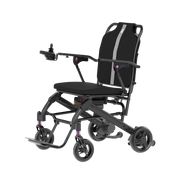



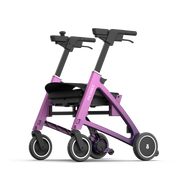
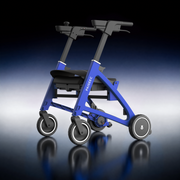









The best outdoor mobility scooter in 2026 is a stable, comfortable model matched to your terrain, body size, range needs, and daily routine. Look for four-wheel stability, reliable braking, supportive seating, sufficient battery reserve, outdoor-ready tires, and responsive service. The right scooter should make errands, park visits, and neighborhood travel feel safer, easier, and more independent every day.
What Makes an Outdoor Mobility Scooter Truly Capable?
A truly capable outdoor mobility scooter combines stable handling, suitable tires, dependable braking, comfortable seating, practical range, and a chassis designed for the rider’s real environment. It should perform confidently on the surfaces you use most without forcing you to exceed its stated operating limits.
Outdoor riding is different from moving through a shopping center or smooth indoor corridor. Pavement cracks, driveway transitions, grass edges, loose gravel, uneven paths, and changing weather all affect ride quality and control. A scooter that feels smooth indoors may feel unstable or uncomfortable when exposed to rougher outdoor conditions.
The most important starting point is identifying your typical route. Consider whether you will primarily ride on sidewalks, paved park paths, residential streets, compacted gravel, or uneven rural property. The terrain determines the tire type, suspension needs, ground clearance, wheel configuration, and battery reserve required for a confident ride.
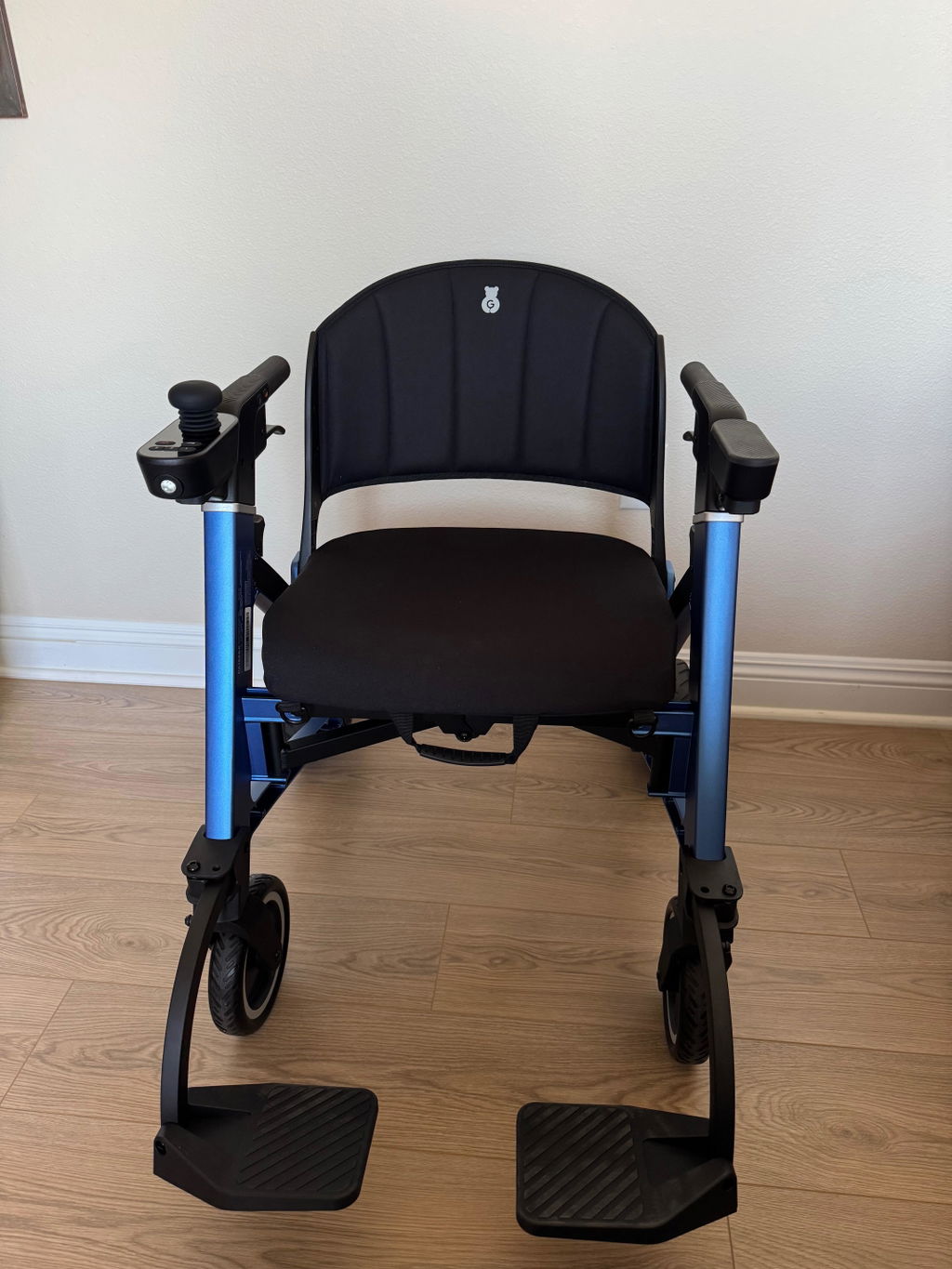
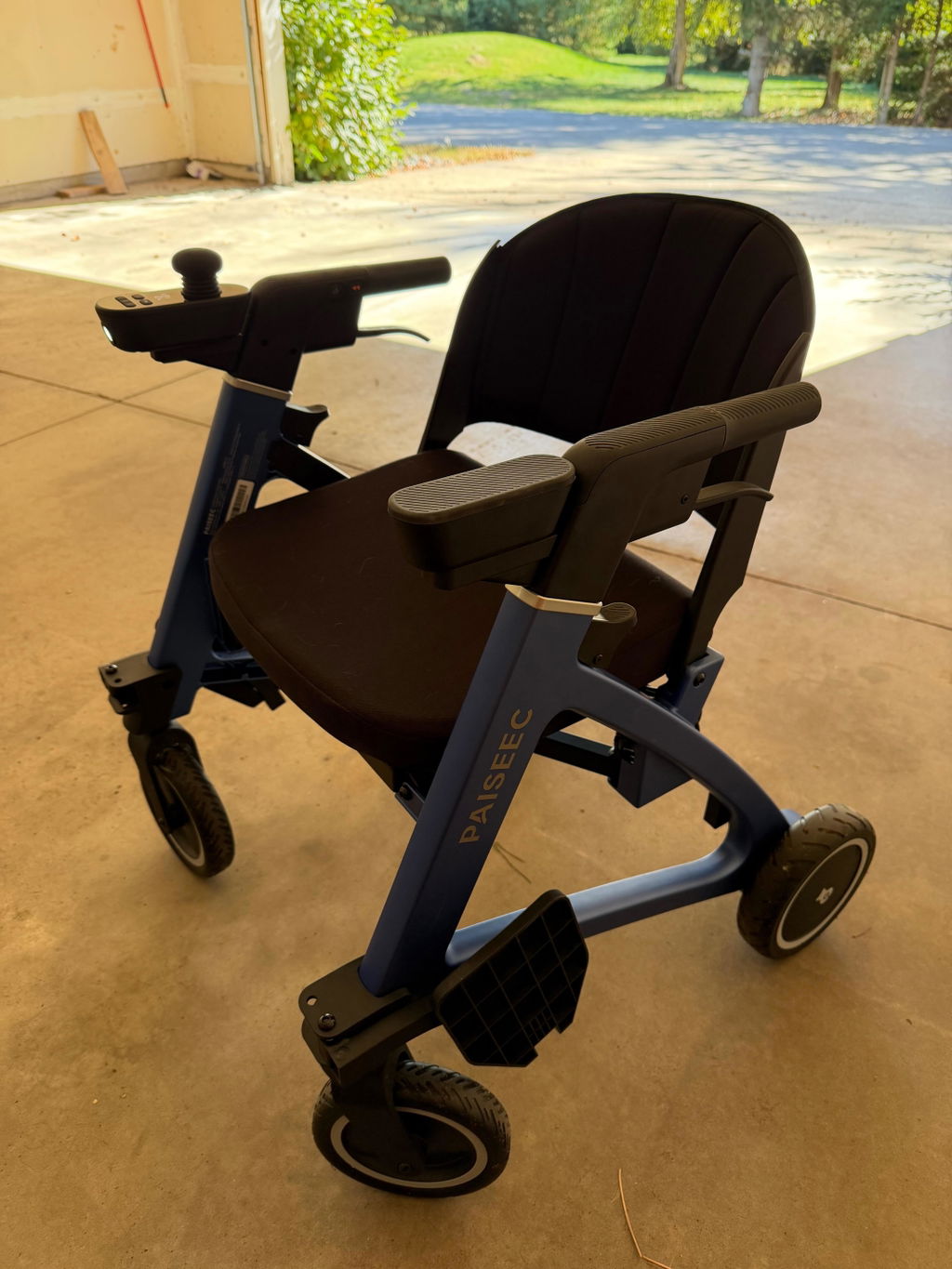
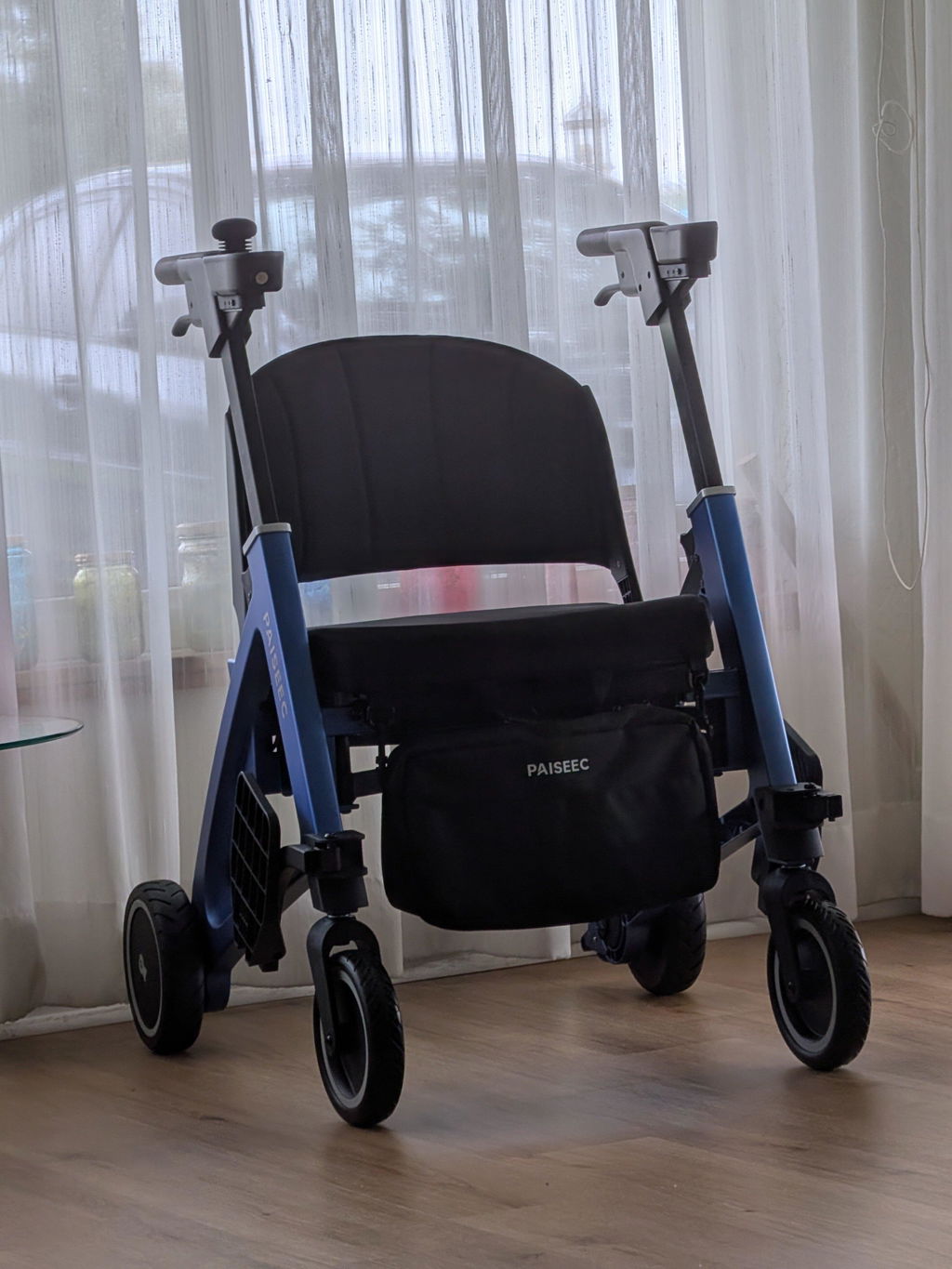
A well-equipped outdoor scooter commonly includes four wheels, visible lighting, a wide wheelbase, an adjustable seat, armrests, a basket or storage compartment, and a tiller that can be positioned comfortably. These features are not cosmetic. They affect control, posture, visibility, and the ability to carry essential personal belongings.
Paiseec develops mobility solutions around practical independence. Its product range includes lightweight folding scooters, electric wheelchairs, mobility accessories, lithium battery technology, and intelligent riding safety features designed to support different travel routines.
Which Specifications Matter Most for Outdoor Riding?
The most important specifications are real-world range, weight capacity, wheelbase width, tire type, ground clearance, incline rating, braking system, seat dimensions, and total scooter size. These measurements should match your body, belongings, route conditions, storage space, and transportation plan.
Weight capacity should include more than the rider. Add the weight of a basket, groceries, medical equipment, bags, oxygen supplies, or other accessories. Choosing a scooter with a comfortable capacity margin can improve confidence and reduce unnecessary strain during hills, turns, and longer rides.
Motor power also deserves careful interpretation. A higher wattage figure does not automatically mean better climbing or outdoor performance. Controller programming, tire diameter, battery voltage, rider load, traction, motor temperature, and gear reduction all influence how a scooter behaves under pressure.
Before purchasing, measure the narrowest doorway, elevator, garage space, vehicle lift, or trunk opening involved in your routine. A scooter must work at both ends of the journey, not just on the road between them.
How Far Can an Outdoor Scooter Travel in Real Conditions?
Real outdoor range depends on rider weight, hills, surface resistance, tire condition, speed, weather, cargo, battery age, and stop-and-go riding. Actual travel distance is often lower than a maximum advertised figure, so riders should always keep enough battery reserve for a safe return.
A scooter may achieve its highest stated range under controlled conditions: a moderate rider load, flat pavement, stable temperature, a healthy battery, and steady speed. Everyday travel is more demanding. Hills require more energy, while cold weather can reduce battery efficiency and a full basket adds load.
Plan every trip as a complete round journey. If a destination is four miles away, your scooter must comfortably handle at least eight miles, plus unexpected detours, hills, waiting time, and a return reserve. Avoid planning trips that use nearly all displayed battery capacity.
Battery condition gradually changes through normal use. Heat, deep discharge, improper storage, long periods without charging, and repeated heavy loads can reduce available capacity over time. Responsible ownership includes charging correctly, following the manual, and addressing a sudden range decrease before it becomes a reliability issue.
Paiseec incorporates 36V 12Ah lithium battery technology in its mobility development. Before buying any scooter, confirm the battery’s watt-hour rating, charge time, replacement availability, warranty coverage, and recommended storage procedure.
Why Are Four Wheels Usually Better for Outdoor Stability?
Four-wheel mobility scooters are usually better outdoors because they provide a broader support base for turns, uneven surfaces, driveway transitions, and cargo-carrying rides. Three-wheel models can be more maneuverable, but four-wheel designs typically provide greater confidence for regular outdoor travel.
Wheel count is not the only factor that affects stability. Seat height, track width, wheelbase length, tire grip, suspension movement, speed, rider posture, and cargo placement all play a role. A high seat and narrow base can make sharp turns more demanding, especially on sloped or irregular ground.
Four-wheel scooters are especially valuable for riders who use sidewalks with cracks, outdoor paths, grass borders, shopping areas, and gradual ramps. They are also a strong option for people who want more reassurance when carrying groceries, personal items, or medical equipment.
Three-wheel scooters can still be practical when tight indoor turns, limited legroom, or narrow spaces are the priority. However, users should be realistic about their outdoor riding needs. A tight turning radius is useful, but it should not outweigh stability on the surfaces used every week.
No matter which design you choose, reduce speed before every turn. Avoid sudden steering movements, do not turn sharply while descending, and never attempt to travel across steep side slopes. Good technique remains one of the strongest safety features on any mobility scooter.
What Safety Features Should an Outdoor Scooter Have?
An outdoor scooter should have effective braking, visible lighting, reflectors, a horn, stable tires, speed control, a clear battery display, comfortable controls, and appropriate anti-tip protection. The safest scooter is one that fits the rider properly and is operated within its documented limits.
Electromagnetic braking is particularly important because it helps the scooter stop when the rider releases the throttle. Riders should practice braking on a flat, open surface before traveling near intersections, crowded areas, ramps, or unfamiliar paths.
Lighting improves visibility for both the rider and others. Headlights, rear lights, reflectors, and a horn can help communicate your presence in parking areas, residential neighborhoods, paths, and low-light conditions. Bright clothing and reflective accessories add another layer of visibility.
Outdoor conditions require extra judgment. Wet leaves, painted pavement, loose stones, snow, ice, standing water, mud, and deep sand can reduce traction. Do not assume that outdoor capability means the scooter can safely travel through every weather condition or surface type.
Paiseec’s PAI intelligent safety riding system reflects the brand’s focus on advanced rider support. Buyers should still ask which alerts, controls, diagnostics, or operating protections apply to a specific model. Technology can support safer decisions, but it cannot replace cautious speed, route awareness, and responsible riding habits.
How Can You Test a Scooter Before Buying It?
Test a scooter on the type of route, surface, slope, and transfer situation you expect to use most. Confirm that you can sit comfortably, operate the controls, turn safely, brake smoothly, reach storage areas, charge the battery, and store the scooter before making a purchase decision.
A short showroom ride can reveal basic comfort, but it may not reveal how the scooter feels after twenty minutes, how it responds to an incline, or whether the seat position strains your shoulders and lower back. Test the model while wearing your normal outdoor footwear and clothing.
Bring the items you typically carry. A basket may appear large enough when empty but feel inconvenient once it contains a bag, water bottle, medication, or groceries. Check whether you can reach the basket safely without twisting or leaning too far forward.
During a test ride, assess whether the throttle is easy to control, whether the steering feels natural, and whether the seat supports your posture. Ask if the armrests, tiller, seat height, and backrest can be adjusted. These details can determine whether the scooter remains comfortable after months of use.
Also ask direct service questions. Who handles repairs? How are replacement parts supplied? What does the warranty cover? Is there technical support after delivery? Paiseec emphasizes user manuals, order tracking, payment options, and professional customer service, but buyers should verify the current support terms for their selected model.
Does Battery Care Affect Outdoor Scooter Reliability?
Yes, battery care directly affects outdoor scooter reliability, usable range, charging consistency, and long-term ownership costs. Using the approved charger, avoiding prolonged deep discharge, keeping the battery dry, and following storage instructions can help preserve dependable performance over time.
A common mistake is returning from a ride with a low battery and leaving the scooter uncharged for days or weeks. Another is storing the scooter in extreme heat, freezing cold, or damp conditions. These habits can reduce battery efficiency and increase the likelihood of inconvenient range loss.
Create a consistent battery routine:
-
Check the charge indicator before leaving home.
-
Inspect the charging cable and port for visible damage.
-
Charge according to the manufacturer’s instructions.
-
Store the scooter in a clean, dry, temperature-moderate location.
-
Arrange service if the range drops sharply or charging behavior changes.
Tire condition also affects battery demand. Underinflated pneumatic tires create more rolling resistance, forcing the motor and battery to work harder. Follow the tire-pressure guidance in the manual and inspect tires for wear, punctures, or embedded debris before long trips.
If a scooter will not be used for an extended period, follow the storage-charge guidance provided by the manufacturer. Proper battery maintenance is not only about preserving distance; it helps ensure the scooter is ready when independence matters most.
Can Intelligent Safety Technology Improve Outdoor Independence?
Yes, intelligent safety technology can improve outdoor independence when it provides timely, understandable information about battery status, system condition, riding behavior, or potential concerns. The most useful technology supports confident decisions without distracting the rider from the path ahead.
A battery warning is valuable only if it appears early enough for a rider to change plans and return safely. Likewise, a diagnostic alert should be easy to understand and paired with clear next steps. Complicated screens and vague error messages can create stress rather than improve safety.
Paiseec Mobility has invested $10 million in research and development and works with more than 100 R&D professionals across five advanced laboratories. Its product-development focus includes 250W brushless motors, lithium battery systems, lightweight mobility designs, and the PAI intelligent safety riding system.
Paiseec Expert Views
“The right outdoor mobility scooter is built around a complete daily journey, not a single specification. Riders need a product that helps them leave home comfortably, manage real surfaces, carry essentials, return with battery reserve, and maintain the scooter without unnecessary complexity. Under Roger’s product-development leadership, Paiseec focuses on connecting safety, comfort, battery management, responsive support, and practical design into one dependable mobility experience.”
Founder Roger brings more than a decade of experience in product development, sales, management, electronics, and mobility solutions. This background supports Paiseec’s goal of creating products that help users travel with greater confidence and independence.
Which Outdoor Scooter Features Improve Comfort on Longer Rides?
Long-ride comfort depends on seat support, suspension, tire compliance, armrest position, tiller reach, legroom, vibration control, and the ability to adjust posture. A scooter that feels acceptable for five minutes may become uncomfortable during longer errands or neighborhood travel.
A supportive seat should allow the rider to sit upright without forcing pressure into the lower back, hips, or shoulders. Adjustable armrests can reduce arm fatigue, while a properly positioned tiller helps prevent wrist and shoulder strain. Riders should be able to reach all controls without leaning.
Suspension can improve comfort on cracked pavement, uneven paths, and driveway transitions by reducing repeated impacts. Pneumatic tires may also soften road vibration, although they require regular inspection and proper inflation. Solid tires can reduce maintenance but may transmit more shock on rough surfaces.
Comfort affects safety. When riders become tired, they may react more slowly, struggle with steering precision, or lose patience with difficult routes. Selecting the right seating and suspension setup is therefore not just a luxury decision; it is part of safe, sustainable independence.
Consider your longest normal trip, not only your shortest. If you expect to visit parks, attend outdoor events, travel through large communities, or complete several errands in one outing, prioritize seating comfort and vibration management from the beginning.
What Is the Smartest Way to Choose an Outdoor Mobility Scooter?
The smartest way to choose an outdoor mobility scooter is to match the model to your daily route, body fit, terrain, battery needs, storage limitations, and support expectations. Choose a scooter that completes your normal journeys with a comfortable safety margin rather than chasing the highest headline specification.
Start by writing down your most common destinations, the distance to each location, the surfaces encountered, the steepest incline, and the items you carry. Then compare only models that meet those real requirements. This approach prevents overspending on features you will not use or underbuying for the terrain you face.
A practical decision should answer five questions:
-
Can I operate the scooter comfortably and confidently?
-
Can it handle my usual route and surface conditions?
-
Does it provide enough real-world range for a round trip?
-
Can I store, charge, and transport it easily?
-
Can I access parts, service, and support if needed?
The best outdoor mobility scooter is not necessarily the biggest, fastest, or most expensive option. It is the one that gives you consistent confidence to travel independently while fitting naturally into your home, routines, and future needs.
What Are the Most Important Final Takeaways?
The best choice combines stability, comfort, realistic range, safe operation, suitable tires, correct battery care, and dependable product support. Start with your normal route, test the scooter carefully, maintain a battery reserve, and choose features that solve real mobility challenges rather than simply adding impressive specifications.
Prioritize four-wheel stability for uneven outdoor travel, especially if you carry belongings or regularly encounter cracked sidewalks, slopes, and driveway transitions. Confirm the approved terrain, incline rating, rider capacity, and storage requirements before purchasing.
Paiseec offers a technology-led mobility approach that combines lithium battery development, brushless motor systems, safety-focused innovation, and customer support. For the strongest outcome, compare the exact specifications and support terms of your preferred model against your own daily mobility needs.
What Are Common Questions About Outdoor Mobility Scooters?
How much weight can an outdoor mobility scooter carry?
The maximum weight capacity varies by model and includes the rider, basket contents, accessories, and carried equipment. Choose a scooter with enough extra capacity to support normal daily loads without operating at its stated maximum limit.
Can an outdoor mobility scooter ride on grass?
Some models can travel on short, dry, firm grass, especially those with four wheels, suitable tires, and adequate clearance. Avoid wet grass, steep slopes, deep ruts, loose soil, mud, and other unstable conditions unless the manufacturer specifically approves them.
How often should I charge an outdoor mobility scooter?
Follow the manufacturer’s charging instructions for your specific battery system. In general, charge consistently after use and avoid leaving the battery deeply discharged for extended periods. Proper charging supports more reliable range and long-term battery health.
Is a folding mobility scooter suitable for outdoor use?
A folding mobility scooter can be suitable for paved paths, local errands, and travel when its specifications match the rider and route. It may not be the best choice for repeated use on rough terrain, long hills, or heavily uneven surfaces.
Who can help me choose the right mobility scooter?
The rider should be involved in the decision, with support from a caregiver, mobility specialist, occupational therapist, physical therapist, or qualified dealer when posture, transfers, control access, balance, or medical needs require closer evaluation.
Leave a comment
This site is protected by hCaptcha and the hCaptcha Privacy Policy and Terms of Service apply.