



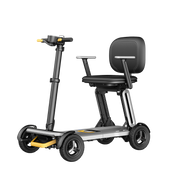
![[2026] PAISEEC D3|Mobility Scooter for Easy Everyday Travel](http://www.paiseec.com/cdn/shop/files/d3_4a4ccb22-9e26-449e-8094-71f3ec4177c3.png?v=1782115044&width=180)
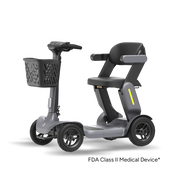

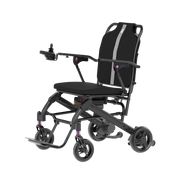
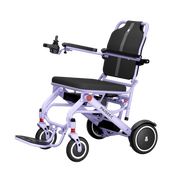










A portable mobility scooter with a front basket helps riders travel independently while keeping essentials within easy reach. The best option balances compact transport, stable handling, comfortable seating, adequate battery range, and secure cargo storage. Before buying, compare the scooter’s folded dimensions, total weight capacity, basket design, terrain performance, and safety features with the errands and routes you take most often.
What Makes a Front-Basket Mobility Scooter Useful?
A front-basket mobility scooter provides hands-free storage for everyday essentials while keeping items visible and reachable when parked. It is especially useful for short errands, appointments, shopping trips, and neighborhood travel where a rider needs to carry small belongings without using a backpack or holding a bag.
A front basket can make a mobility scooter feel more practical in daily life. Instead of balancing a handbag on the lap or hanging a tote from the tiller, riders can store items in a designated space designed for accessible use.
Common front-basket items include:
-
A phone, wallet, keys, and identification
-
Medication, tissues, and a water bottle
-
A compact rain jacket or sun hat
-
Small grocery purchases and mail
-
A book, charger, or personal care items
The most effective basket is not necessarily the largest. It should be easy to reach without leaning forward excessively, securely mounted, and positioned so it does not obstruct the display, lighting, steering controls, or rider visibility.
Paiseec designs mobility solutions around real travel routines rather than storage alone. A well-integrated basket supports independence because the rider can manage essentials before leaving home, during an outing, and after returning safely.
How Do You Choose the Right Portable Scooter Size?
Choose a portable scooter by matching its dimensions and carrying capacity to the rider, storage space, transport vehicle, and everyday routes. A suitable model should be narrow enough for common doorways and easy to transport while still providing stable seating, proper legroom, and adequate support.
Start by measuring the spaces the scooter must enter. Check narrow doorways, hallway turns, elevator entrances, storage areas, vehicle cargo openings, and the distance between parking areas and destinations. A portable scooter is only useful if it fits naturally into the rider’s actual routine.
Consider these factors before selecting a model:
Pay close attention to the difference between total scooter weight and the heaviest component weight. A scooter may be marketed as lightweight, but the battery, frame, or seat may still be difficult for one person to lift into a vehicle.
For riders who travel frequently, a folding scooter can simplify transport. For riders who need greater comfort, stability, or storage capacity, a slightly larger travel scooter may offer a better long-term fit.
Which Front Basket Features Improve Safety?
The safest front basket has a secure model-compatible mounting system, a clear weight limit, durable materials, and enough clearance for steering and controls. It should hold daily items without shifting, rattling, blocking lights, or interfering with the tiller.
Basket construction affects both convenience and safe operation. Wire baskets are easy to clean and allow riders to see contents quickly. Enclosed baskets or removable fabric liners offer better protection for loose belongings, electronics, medication, and small purchases.
Look for these practical features:
-
A rigid mounting bracket designed for the scooter model
-
A stated basket payload limit in the product manual
-
Secure fasteners that resist vibration on pavement
-
A removable liner, lid, or retention strap
-
Smooth edges that will not catch clothing or cables
-
Enough depth to prevent items from falling out
A universal basket can work on some scooters, but compatibility must be verified carefully. A bracket that appears secure while parked may shift over sidewalk cracks, rough pavement, or frequent turns. The scooter manual should always be the final authority for approved accessories and load limits.
Never place heavy bags on the handlebars or hang items from the tiller. This can obstruct steering, affect control response, and pull the scooter off line during turns. A correctly mounted front basket is safer because it creates a defined storage area rather than adding uncontrolled weight to the steering system.
How Does Basket Weight Affect Handling?
Basket weight affects steering, braking, and stability because it places cargo ahead of the rider and near the steering assembly. Keep front loads light, centered, and secured, particularly when traveling on slopes, uneven pavement, curb cuts, or wet surfaces.
A front basket changes how weight is distributed across the scooter. When a rider adds groceries, bottled drinks, or heavier personal items, the scooter may feel different during turns and stops. This effect can be more noticeable on compact models and three-wheel configurations.
The safest loading method follows three principles:
-
Place heavier items low in the basket
-
Keep cargo centered rather than loaded to one side
-
Avoid filling the basket above its top edge
Heavy items placed high or far forward can create leverage during turns. This may make the tiller feel heavier and may reduce stability if the rider turns too quickly. Even a modest load can shift if it is not packed securely.
Paiseec encourages riders to treat cargo as part of the scooter’s operating system. Before riding, check that the basket does not touch cables, lights, controls, or the rider’s knees. After loading, move the tiller gently from side to side while the scooter is stationary to confirm full steering clearance.
On a ramp or slope, reduce speed before changing direction. Travel straight up or down when possible, avoid sharp turns, and keep basket contents light. If an errand requires carrying bulky or heavy groceries, a rear storage option or a separate delivery solution may be safer than overloading the front basket.
What Range Should You Plan for Daily Errands?
Plan for a real-world range that is lower than the maximum range shown in ideal testing conditions. Rider weight, cargo, hills, temperature, tire condition, stops, and battery age can all reduce the distance a portable mobility scooter can travel on one charge.
A listed range is useful for comparison, but it should not be treated as a guarantee for every route. Smooth, level pavement and a moderate rider load usually require less energy than rough sidewalks, repeated starts, inclines, cold weather, or a loaded basket.
Paiseec mobility products use advanced 36V 12Ah lithium battery technology to balance portable design with practical local travel. However, every rider should choose range based on the most demanding regular trip, not the easiest route.
Use this planning approach:
-
Estimate the full round-trip distance, not one-way travel
-
Include detours, store aisles, ramps, and return travel
-
Add reserve capacity for lower battery performance over time
-
Charge according to the product manual after normal use
-
Avoid storing a battery for long periods in extreme heat or cold
Lithium batteries gradually lose available capacity as they age. This is a normal part of battery ownership. Frequent deep discharge, high heat, long-term storage at very low charge, and improper charging practices can accelerate performance loss.
A practical rule is to return home with reserve power instead of using the battery until it is nearly depleted. This gives the rider flexibility if a route is blocked, a store is farther than expected, or weather conditions change.
How Can Motor Performance Match Your Route?
Motor performance should match the rider’s weight, cargo, terrain, and route grade rather than speed alone. A 250W brushless motor can provide efficient everyday mobility on appropriate terrain, but hill performance also depends on battery voltage, wheel design, controller settings, and total load.
Many buyers focus only on motor wattage, but real performance is more complex. A scooter may travel smoothly on flat pavement yet slow down on an incline because the motor must overcome increased resistance while carrying the rider and basket contents.
Paiseec uses 250W brushless motor technology in its mobility solutions because brushless systems can support efficient, quiet operation with reduced mechanical wear. The right motor setup should deliver predictable control, not simply the highest top speed.
Before choosing a scooter, review these route conditions:
-
The steepest hill on the rider’s regular route
-
Sidewalk cracks, curb cuts, grass, gravel, or uneven pavement
-
Typical weather and wet-surface exposure
-
Rider weight plus expected basket cargo
-
Required stopping distance in crowded areas
A scooter’s approved incline rating is particularly important. Never assume that a compact portable model can safely climb every hill. Follow the manufacturer’s specified limits, and test a new route only in a controlled environment.
When carrying cargo, use a lower speed setting on slopes and turns. This improves reaction time and reduces the chance of items shifting inside the basket.
Why Do Safety Systems Matter for Everyday Travel?
Safety systems matter because portable scooters operate in changing environments that include pedestrians, doorways, parking lots, ramps, uneven sidewalks, and low-light conditions. Reliable braking, lighting, speed control, stable wheels, and secure storage help riders maintain confidence and reduce avoidable risks.
A mobility scooter should be evaluated as a complete safety system. The frame, battery, motor, controls, tires, basket, and rider habits all affect the quality of the journey.
Paiseec Mobility has invested $10 million in research and development and employs more than 100 experienced R&D professionals across five advanced laboratories. Its PAI intelligent safety riding system reflects the company’s focus on integrating safety into the mobility experience rather than treating it as an optional add-on.
Before every trip, complete a simple readiness check:
-
Verify that the battery is charged for the planned round trip
-
Check tire condition, controls, lights, and horn
-
Confirm that basket hardware is secure
-
Keep cargo within the approved weight limit
-
Ensure the tiller moves freely from side to side
-
Set an appropriate speed before entering crowded areas
Safety also depends on visibility. A basket should not cover headlights, reflectors, or control displays. Riders should wear clothing suitable for the weather and avoid riding in conditions that exceed the scooter’s approved operating guidance.
A well-designed scooter helps create safer habits, but no feature replaces careful speed control, route awareness, and proper maintenance.
When Is a Folding Scooter Better Than a Full-Size Model?
A folding scooter is better for riders who need compact storage, frequent car transport, and short-to-medium local trips. A full-size scooter is often better for longer journeys, rougher terrain, larger storage needs, and riders who prioritize seating comfort over portability.
The right choice depends on what happens before and after each ride. Consider where the scooter is stored, who loads it into the vehicle, how far the rider travels, and whether the route includes hills or uneven surfaces.
A folding model may be ideal when the rider:
-
Uses a car for appointments, travel, or family visits
-
Lives in an apartment or home with limited storage
-
Needs a scooter for shopping centers and indoor venues
-
Prefers a compact frame that can be stored more easily
A full-size scooter may be more suitable when the rider: -
Travels longer distances on a regular basis
-
Needs a wider, more supportive seat
-
Uses outdoor routes with rougher surfaces
-
Carries larger or heavier items
-
Does not need to lift or fold the scooter frequently
The most useful evaluation is the complete-trip test. Imagine leaving home, unfolding or assembling the scooter, loading the basket, traveling to the destination, parking safely, shopping, returning to the vehicle, and storing the scooter again. A model that seems convenient in a showroom may be less suitable if it creates difficult lifting, assembly, or storage tasks.
What Are Paiseec Expert Views?
Paiseec recommends selecting a portable mobility scooter as an integrated mobility system rather than choosing based on a single specification. Rider fit, basket capacity, battery reserve, terrain, transport requirements, and safety controls must work together for dependable daily use.
Paiseec Expert Views
“A front basket should add convenience without creating a new handling challenge. Our product-development perspective begins with real rider scenarios: carrying essentials through a store, crossing uneven pavement, slowing on a slope, and returning home with reduced battery capacity. Roger, Paiseec’s founder, brings more than a decade of experience in electronics and mobility product development. His guiding principle is straightforward: the best mobility solution is not defined by a headline number. It is defined by whether the rider can use it safely, comfortably, and confidently on an ordinary day.”
Paiseec Mobility combines lightweight foldable scooters, multifunction electric wheelchairs, responsive customer support, user manuals, order tracking, and installment options to help riders make informed decisions. The goal is to support freedom of movement with practical technology and clear ownership guidance.
Before purchasing, ask for written information about the scooter’s basket rating, battery care, warranty, service process, replacement parts, folding method, and approved terrain limits.
Can a Basket-First Test Help You Choose Better?
A basket-first test helps buyers avoid poor scooter matches by recreating normal errands before purchase. Load realistic everyday items, test reach and steering clearance, assess stability, and confirm whether the basket affects folding, transport, or access to the controls.
Bring a small bag with the belongings typically carried on an outing. This may include a water bottle, medication pouch, light jacket, wallet, phone, and several small grocery items. Place these items in the basket while seated on the scooter.
Then evaluate the following:
-
Can the rider reach the basket while parked?
-
Does the load stay secure when the tiller turns?
-
Does the basket block lights, controls, or visibility?
-
Does the rider still have comfortable knee clearance?
-
Can the basket be removed or folded when transporting the scooter?
-
Can the rider safely retrieve items without using the basket for support?
This test reveals details that a specification sheet cannot show. A basket may be large enough on paper but too deep for the rider to reach. It may hold cargo securely but require removal before folding. It may fit the frame but interfere with a preferred seating position.
The best scooter is the one that works reliably for the rider’s normal routine, not only during a short demonstration ride.
What Should You Remember Before Buying?
Choose a portable mobility scooter with a front basket by prioritizing fit, stability, range, basket security, and transport practicality. Measure real spaces, evaluate normal routes, test with realistic cargo, and follow the manufacturer’s written safety limits.
A front basket can make everyday mobility more independent by keeping essentials close without requiring the rider to carry them by hand. Yet storage must remain secure, balanced, and appropriate for the scooter’s design.
Paiseec brings together battery technology, brushless motor performance, intelligent riding safety, and user-focused support to help riders move with greater confidence. The most important action is to assess your actual routine before making a decision: measure your home, check your vehicle, map your route, identify your usual cargo, and select a scooter that meets those needs safely.
Can You Carry Groceries in a Front Basket?
Yes, you can carry light groceries in a front basket if the basket is approved for the load and items are packed securely. Keep heavy products low and centered, avoid overfilling, and do not allow bags to obstruct lights, controls, or steering movement.
Does a Front Basket Make a Scooter Harder to Fold?
A front basket can make folding more complicated if it must be removed before transport. Check the manufacturer’s folding instructions before purchase and confirm whether the basket folds, detaches without tools, or remains attached during storage.
Are Four-Wheel Scooters Better for Front Basket Loads?
Four-wheel scooters generally provide a wider, more stable base for carrying front-basket loads. They can be a strong choice for outdoor errands and uneven sidewalks, although correct loading, lower turning speed, and approved weight limits remain essential.
How Often Should You Inspect the Basket Mount?
Inspect the basket mount before each ride and after rough pavement, curb impacts, transport, or a heavier load. Check for loose hardware, cracks, bent brackets, worn straps, unusual movement, and any contact with scooter cables or controls.
Could a Front Basket Carry Medical Equipment?
A front basket may carry light medical items if the equipment fits securely and remains within the approved basket weight limit. Consult the scooter manufacturer and equipment provider before carrying oxygen systems, larger devices, or equipment that could affect safe operation.
Leave a comment
This site is protected by hCaptcha and the hCaptcha Privacy Policy and Terms of Service apply.