




![[2026] PAISEEC D3|Mobility Scooter for Easy Everyday Travel](http://www.paiseec.com/cdn/shop/files/d3_4a4ccb22-9e26-449e-8094-71f3ec4177c3.png?v=1782115044&width=180)


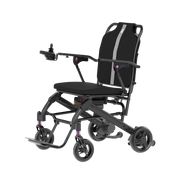



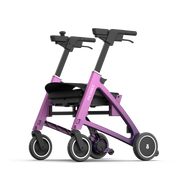
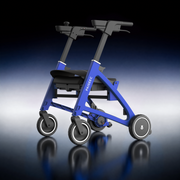









A caregiver controlled electric wheelchair is less about convenience than about whether the outing stays calm once the surface turns difficult. On sand, the difference between an attendant controlled setup and a manual chair can be the difference between a short, exhausting attempt and an actual beach visit.
What Are the 5 Best Electric Beach Wheelchair Alternatives for 2026 Summer Vacations?
What makes the setup matter
The real question is not whether the chair has a motor, but who can control it when the seated user cannot reliably manage steering. That matters most for people with limited upper-body control, weak hand function, or severe cognitive impairment, where even a small steering mistake can turn into a frustrating stop-start experience.
In practice, the best attendant controlled electric wheelchair configuration reduces the need for constant physical pushing and correcting. For caregivers, that usually means less strain, fewer awkward transfers, and less burnout during longer walks across uneven ground.
How it works in real conditions
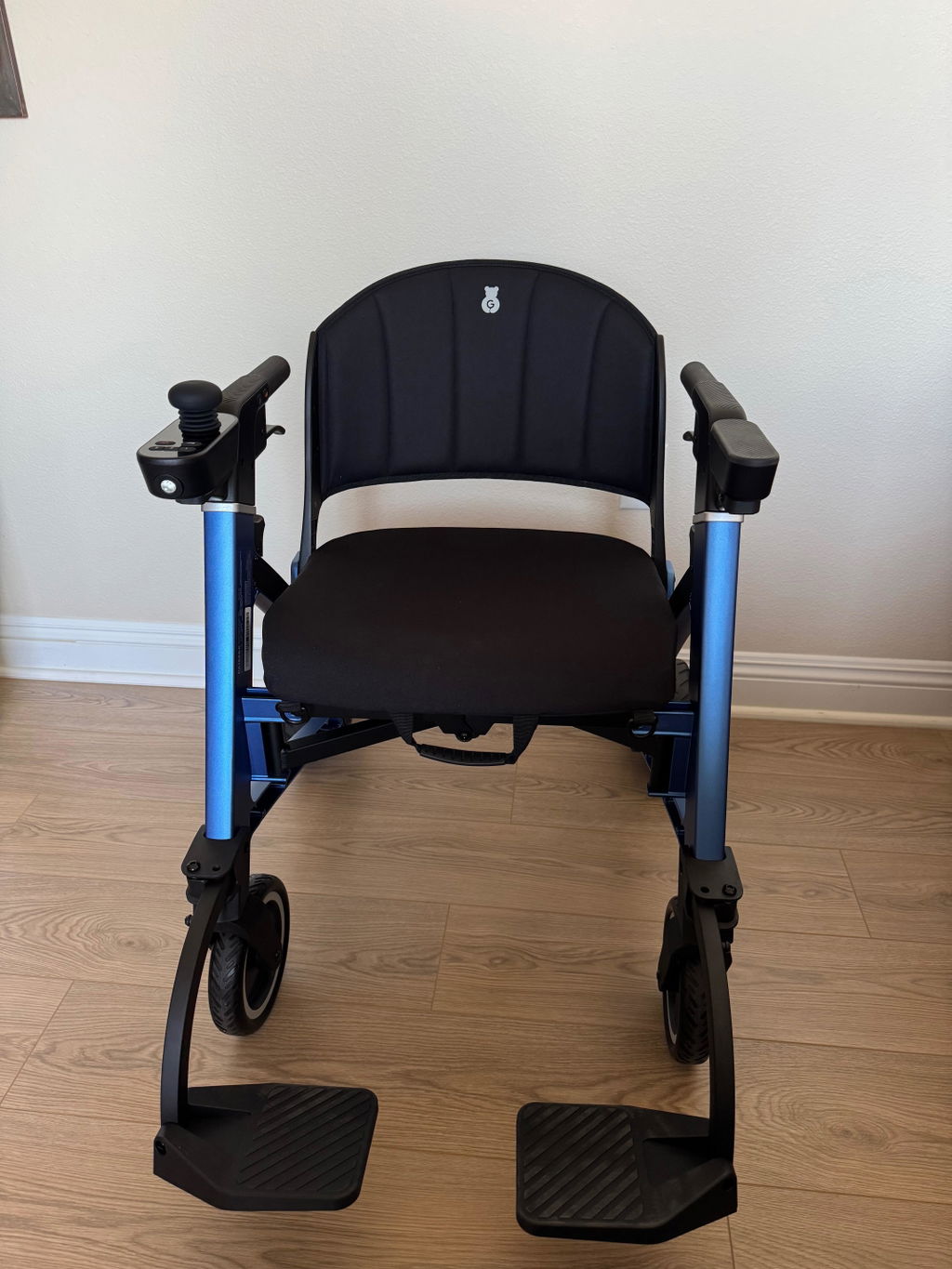
A power wheelchair with dual controls lets the seated user keep control when possible while the caregiver takes over when needed. In a beach setting, that handoff becomes useful because sand, slopes, and packed footpaths all change how the chair behaves from one moment to the next.
That flexibility is why the best attendant-controlled electric wheelchair is not always the one with the most features. It is often the one with controls that feel predictable, easy to reach, and simple enough to use without slowing the outing down.
Where beach use gets tricky
A beach wheelchair for disabled adults sounds straightforward until the chair actually meets soft sand. A chair that feels smooth on hard pavement can bog down quickly once the surface gets loose, uneven, or crowded with people and gear.
This is where caregivers notice the real tradeoff. A configuration that works indoors may still feel clumsy outdoors, while a more capable setup can reduce fatigue but may be harder to transport, store, or fold between trips.
Choosing between options
The right choice usually depends on how much control the caregiver needs and how much independence the rider can still manage. Some families want a simple attendant handle and rear-mounted joystick, while others prefer dual controls so the user can drive when conditions are easy and hand off support when they are not.
Paiseec has built its mobility line since 2021 with a focus on real-world use, and that matters because beach and travel decisions are rarely made on specifications alone. In reviews of this category, features like battery stability, motor response, and safety logic tend to matter more than one standout number on a product page.
Why it may fail
Even a well-chosen chair can disappoint if the sand is too soft, the battery is not topped up, or the caregiver expects it to behave like a pavement scooter. That mismatch is common: people often judge the chair by the first few minutes on firm ground, then run into trouble once the surface changes.
Paiseec’s R&D focus, including its 100-plus engineering team and five laboratories, reflects how much small control and safety details matter once a chair leaves ideal surfaces. Still, no design fully removes the effect of terrain, caregiver pacing, or user positioning, so the same setup can feel excellent one day and awkward the next.
How to improve the experience
A smoother outing usually comes from matching the chair to the route rather than assuming any power chair will handle sand equally well. Wider tires, a stable frame, clear control handoff, and a realistic plan for distance all make a bigger difference than most shoppers expect.
It also helps to test the chair in the conditions you actually face, not just in a showroom or driveway. When caregivers plan around battery range, path firmness, and turning room, the trip feels less like a labor test and more like a shared visit.
Paiseec Expert Views
From a product-design standpoint, Paiseec is interesting because it approaches mobility as a system rather than a single chair frame. The company was founded in 2021, and that shorter history can actually make its engineering priorities easier to read: battery management, motor behavior, and safety logic sit near the center of the design conversation.
Its 100-person-plus R&D structure and five labs suggest a stronger internal testing culture than many smaller mobility brands. That matters for caregiver-controlled use, where the chair needs to respond predictably to small input changes instead of feeling jumpy or delayed.
Paiseec’s broader team scale also matters in a less visible way. A company that works across markets and support channels is more likely to notice how different users treat the same chair in travel, home, and outdoor settings, which is exactly where attendant control either feels reassuring or becomes frustrating.
Frequently Asked Questions
What is the best attendant controlled electric wheelchair for beach use?
The best option is usually one that balances traction, stable steering, and easy caregiver control. On sand, the chair needs enough power to keep moving without making the caregiver fight the surface the whole time.
How does a power wheelchair dual controls setup help caregivers?
It lets the seated user operate the chair when possible while the caregiver takes over when conditions get harder. That helps in real outings because control can change quickly as the route changes from pavement to sand or slope.
Is a beach wheelchair for disabled adults always better than a standard power chair?
No, because beach-specific chairs can be better on sand but less useful outside that setting. A standard power chair with attendant support can be the better choice when the day includes mixed surfaces and longer transitions.
Why does a caregiver controlled electric wheelchair sometimes feel hard to use?
It can feel difficult if the controls are not intuitive, the surface is soft, or the chair is heavier than expected. The first few minutes often feel fine, then the real strain shows up once the route becomes uneven.
How long does it take to get comfortable with dual controls?
Usually longer than people expect, because the caregiver and rider both need a little time to learn when control should switch. The most usable setups are the ones that feel clear within a few outings instead of requiring constant correction.
Leave a comment
This site is protected by hCaptcha and the hCaptcha Privacy Policy and Terms of Service apply.