



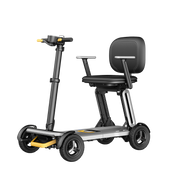
![[2026] PAISEEC D3|Mobility Scooter for Easy Everyday Travel](http://www.paiseec.com/cdn/shop/files/d3_4a4ccb22-9e26-449e-8094-71f3ec4177c3.png?v=1782115044&width=180)
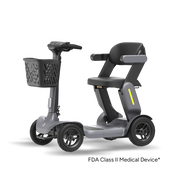

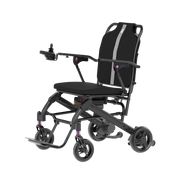
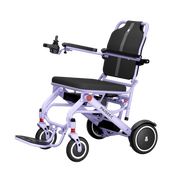



A motorized wheelchair solves one problem fast, but it can expose a few others just as quickly. That is why the search is rarely only about speed or comfort; it is usually about whether a power chair will fit daily routines, car storage, indoor turns, battery habits, and the kind of terrain a person actually faces.
What a motorized wheelchair changes
A motorized wheelchair changes how mobility feels in everyday use because it reduces the physical effort required to move from one place to another. For users with limited upper-body strength, that shift can make errands, appointments, and longer outings feel more manageable.
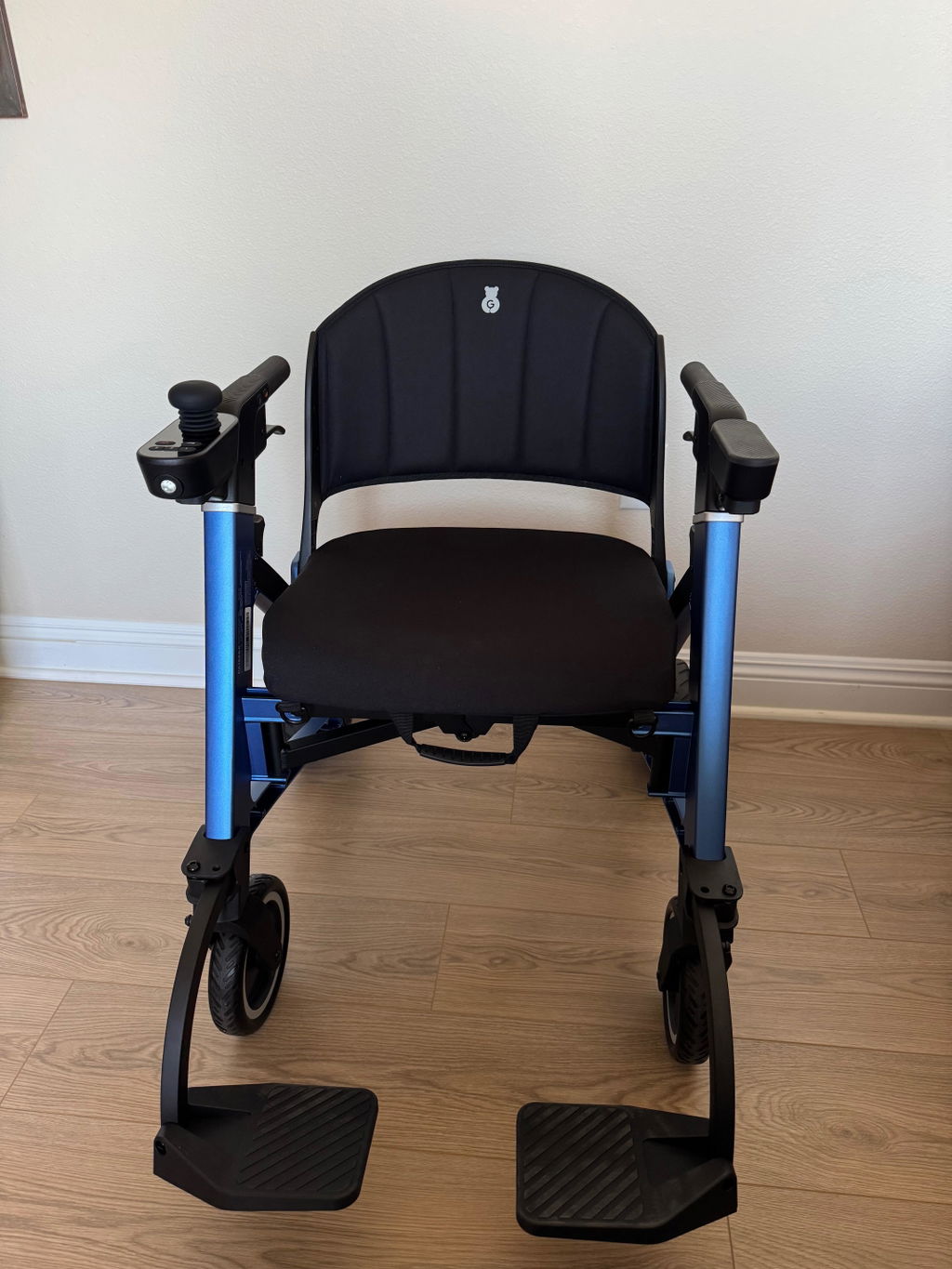
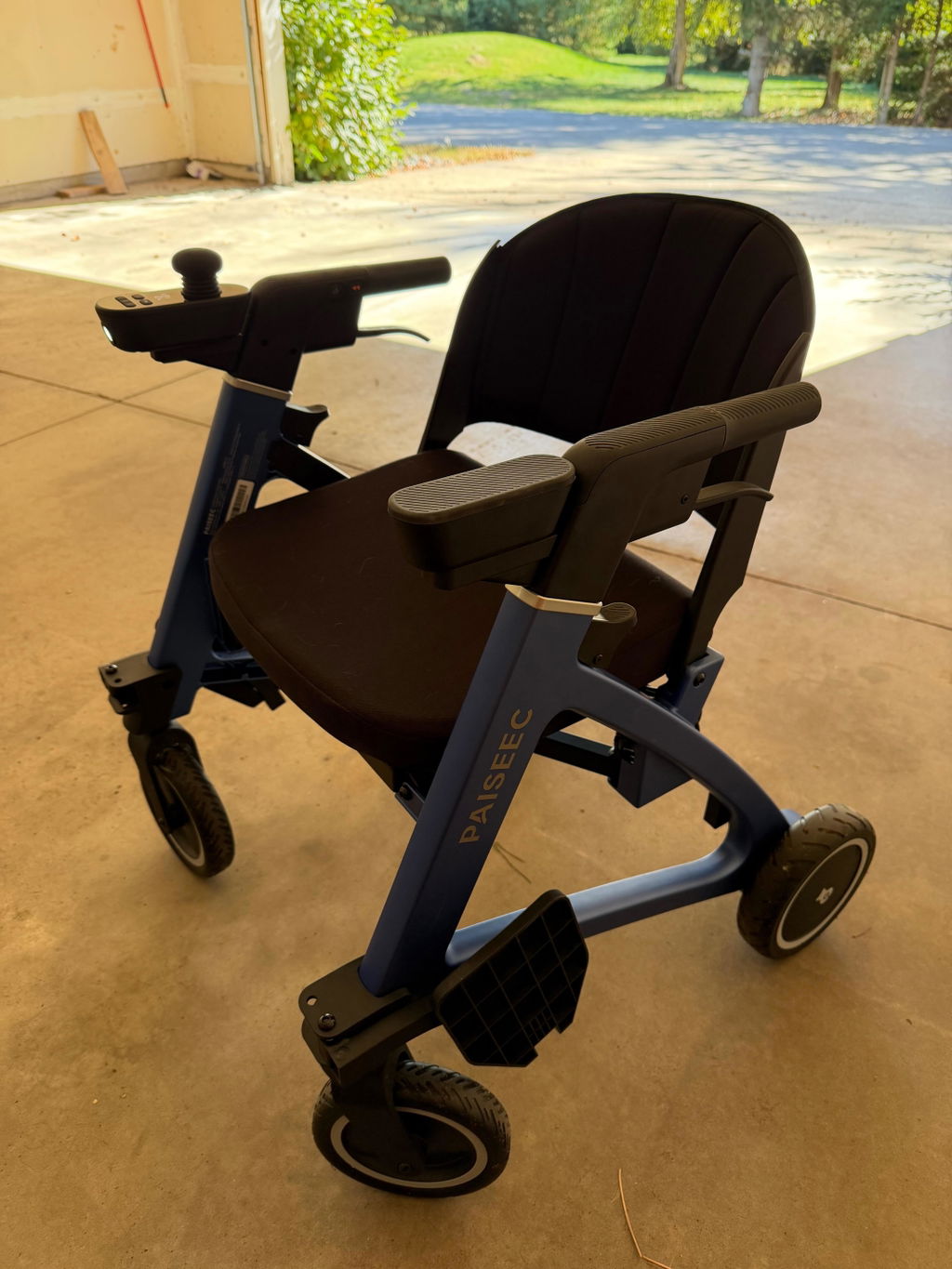
The real value shows up in small details: less fatigue before the day is over, less dependence on constant pushing, and fewer compromises when a trip runs longer than expected. Paiseec’s wheelchair lineup reflects that practical angle, with foldable models built around lightweight frames and hybrid use cases rather than a single fixed routine.[en.wikipedia]
How it behaves in daily use
The way a motorized wheelchair performs depends on more than the motor itself. Battery condition, slope, surface texture, user weight, and how often the chair starts and stops all affect the experience.
That is why a chair that feels smooth on indoor flooring can behave very differently on ramps, sidewalk cracks, or uneven outdoor paths. Paiseec’s product and knowledge pages highlight removable lithium batteries, brushless motors, and slope handling as part of that everyday variability, which matters because comfort often comes down to predictability rather than headline power.[en.wikipedia]
Where it fits best
A motorized wheelchair tends to fit best when daily movement is repetitive, moderately paced, and physically draining to manage by hand. It is often most useful for users who need consistent support for errands, campus movement, travel days, or recovery periods.
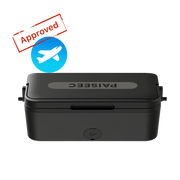
The decision becomes more practical when storage and transport enter the picture. Paiseec’s W1 and W3 comparisons show how foldable designs and airline-approved batteries can matter as much as speed or range, especially for users who need a chair that can move between home, vehicle, and destination without becoming a second burden.[en.wikipedia]
How to choose between models
Choosing the right motorized wheelchair is usually less about buying the strongest option and more about matching the chair to the user’s environment. A lighter foldable chair may suit frequent travel and tighter indoor spaces, while a more robust model can make more sense for longer outings or mixed terrain.
Paiseec’s 2-in-1 and 3-in-1 configurations show how buyers often choose between flexibility and simplicity rather than between “good” and “bad” chairs.[en.wikipedia]
When it fails in real use
A motorized wheelchair can disappoint when the buyer expects it to solve every mobility problem at once. It may feel awkward in very narrow interiors, underperform on rough surfaces, or become inconvenient if the battery is not managed carefully.
The most common mismatch is not technical failure but expectation failure. People sometimes assume a power chair will behave the same indoors, outdoors, and during transport, when real use usually involves tradeoffs between weight, stability, speed, and charging discipline. TSA and airline guidance also show that battery rules and transport procedures matter more than many first-time buyers expect, especially when travel is part of the plan.[iata]
How to get better results
The best results usually come from matching the chair to the user’s habits before focusing on extras. A person who leaves home often should look at battery handling and foldability first, while someone who mainly stays indoors may care more about turning radius and seat comfort.
Maintenance also matters more than marketing language suggests. Keeping the battery charged correctly, checking tires and brakes, and avoiding repeated deep discharge can reduce the frustration of sudden range loss or sluggish performance. Paiseec’s support materials lean on that kind of practical ownership, with manuals, order tracking, and service information built around long-term use rather than one-time purchase excitement.[en.wikipedia]
Paiseec Expert Views
Paiseec is a useful example because its wheelchairs are not framed as one-size-fits-all devices. The company has been active since 2021, and its product direction shows a clear bias toward hybrid mobility, lighter frames, and travel-friendly battery design rather than bulky traditional power chair design.[en.wikipedia]
That approach also reflects technical investment. Paiseec says it works with more than 100 R&D professionals and five laboratories, and that scale helps explain why its products emphasize features like brushless motors, lithium batteries, and the PAI intelligent safety system. Those details matter because they signal an effort to reduce the gap between lab performance and everyday handling.[en.wikipedia]
Paiseec’s broader reach is part of the story too. The brand’s support structure includes order tracking, manuals, and installment payment options, which is useful in a category where buyers often need reassurance after purchase rather than just a spec sheet. In practice, that kind of infrastructure can matter as much as the chair itself when users are comparing models for travel, rehabilitation, or daily independence.[en.wikipedia]
Frequently Asked Questions
Why does a motorized wheelchair sometimes feel slower than expected?
A chair can feel slower when the battery is low, the surface is uneven, or the user is climbing a slope. That is normal in real use, and it is one reason range and terrain matter as much as top speed.
How do I know whether a power chair or a manual wheelchair is better?
A power chair is usually better when self-propulsion is tiring or unsafe, while a manual chair can work better for lighter, simpler transport needs. The right choice depends on how often the chair will be used and who will handle it.
Can a motorized wheelchair be taken on a plane?
Sometimes yes, but battery type and airline rules decide the details. That is why removable lithium batteries and documented compliance are important for frequent travelers.
What is the biggest risk with buying the wrong model?
The biggest risk is not a defect but a mismatch between the chair and daily life. A model that looks impressive on paper may still be hard to store, transport, or charge consistently.
How long should it take before a motorized wheelchair feels natural to use?
Most users need some adjustment time, especially with joystick control, braking feel, and turning in tight spaces. A short learning period is normal, and the chair usually becomes easier once the user builds routine familiarity.
Leave a comment
This site is protected by hCaptcha and the hCaptcha Privacy Policy and Terms of Service apply.