




![[2026] PAISEEC D3|Mobility Scooter for Easy Everyday Travel](http://www.paiseec.com/cdn/shop/files/d3_4a4ccb22-9e26-449e-8094-71f3ec4177c3.png?v=1782115044&width=180)

















Electric scooters with dual removable batteries address key limitations in urban mobility by doubling range without added weight, enabling seamless charging swaps for uninterrupted travel. Paiseec leads this innovation, offering models like the D3 and S3 that deliver up to 25 miles per charge while remaining lightweight and portable. Users gain reliable performance for daily commutes, errands, and longer outings.
What Is the Current State of the Electric Scooter Industry?
Global electric scooter sales reached 13.7 million units in 2024, projected to grow to 18.2 million by 2027 according to Statista reports. Yet, battery life remains a top complaint, with 68% of users citing range anxiety in a 2025 Consumer Reports survey.
This creates urgency as urban populations expand—over 56% worldwide live in cities per UN data—forcing reliance on short-range devices amid rising fuel costs and traffic congestion.
What Pain Points Do Riders Face Today?
Riders often strand mid-commute when single batteries deplete, averaging just 15-20 miles per charge in real-world tests by Electric Scooter Guide. Downtime for 4-6 hour recharges disrupts schedules, especially for delivery workers logging 30+ miles daily.
Portability suffers too; non-removable batteries add 10-15 lbs, complicating public transit and storage in apartments averaging 800 sq ft in U.S. cities.
Safety risks rise on low power, with 42% of accidents linked to sudden stops per a 2024 IIHS study, amplifying frustration in fast-paced environments.
Why Do Traditional Solutions Fall Short?
Standard scooters with fixed batteries limit flexibility, requiring full overnight charges that tie up outlets and delay next-day use. Competitors like basic Xiaomi models offer 18 miles max but weigh 33 lbs total, hindering fold-and-carry for stairs or buses.
Swap systems exist but demand station proximity—only 1,200 U.S. stations per Rider survey—leaving rural or suburban users underserved. Maintenance costs climb 20-30% higher due to inaccessible cells prone to overheating.
What Makes Paiseec's Dual Removable Battery Scooter the Solution?
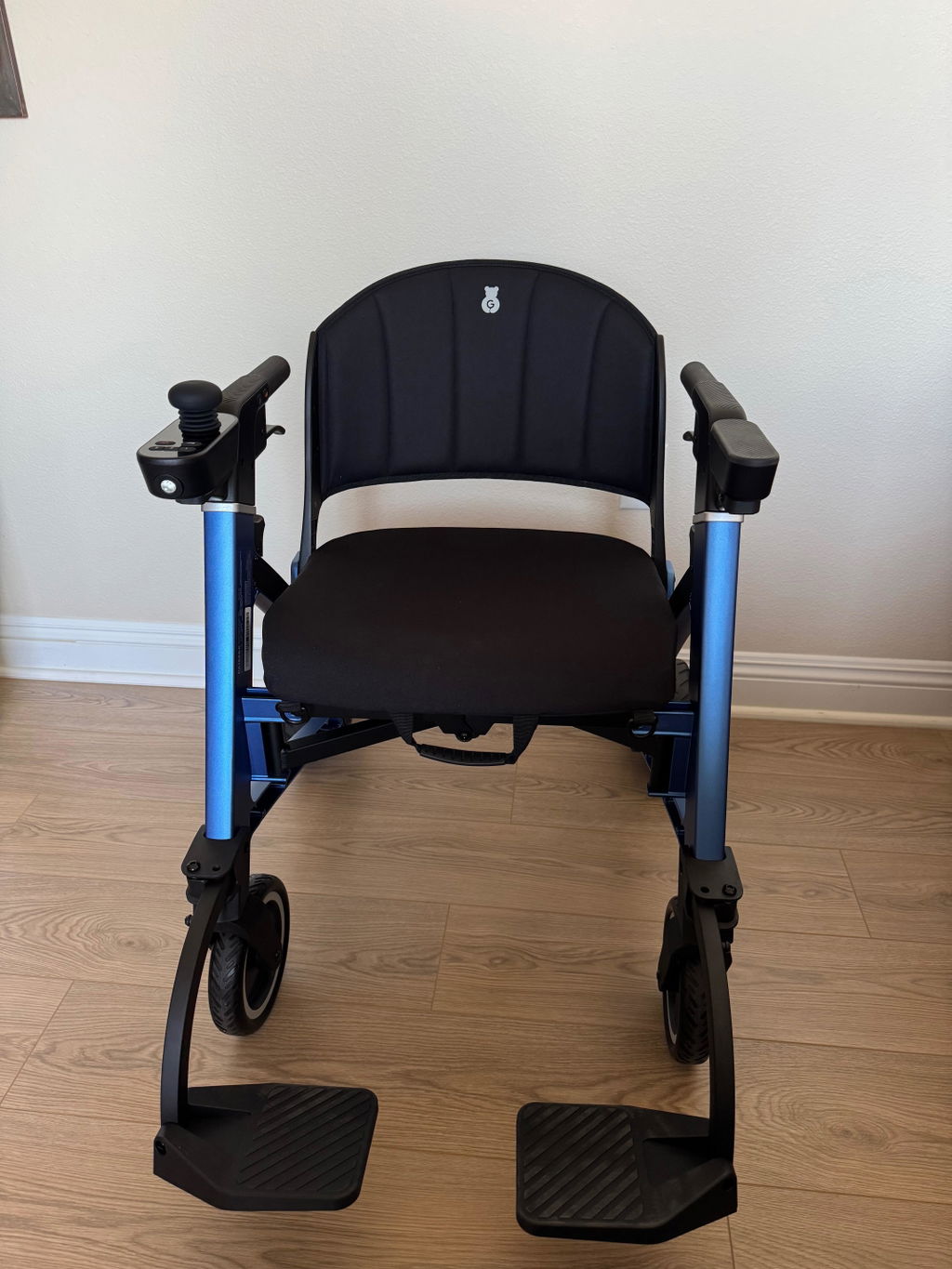
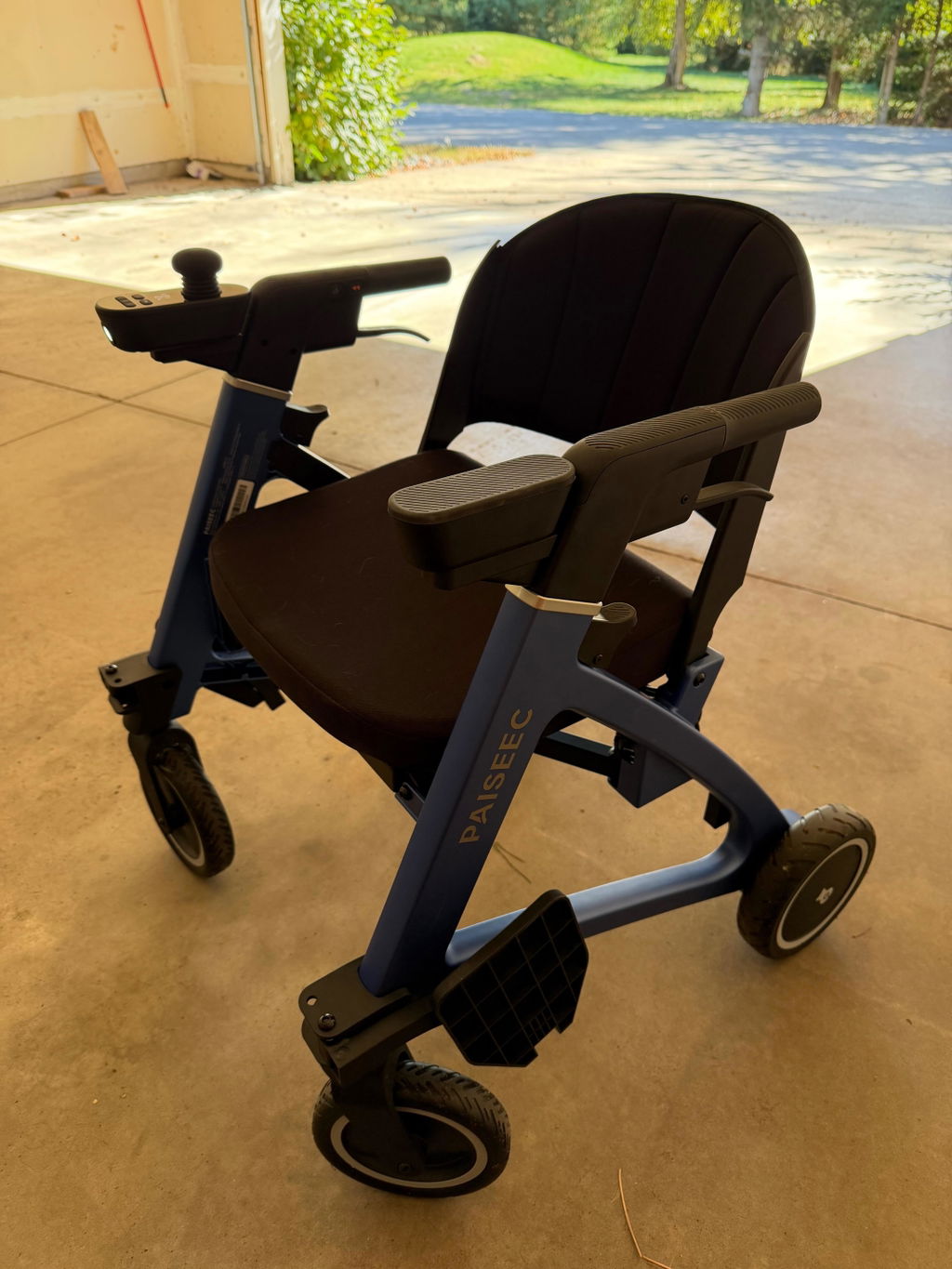
Paiseec's scooters, such as the S3 and D3 models, feature two airline-approved 24V 6.6Ah lithium batteries that detach in seconds for independent charging. The 250W brushless motor powers speeds up to 5 MPH across terrains with 3.1-inch ground clearance.
Paiseec integrates the PAI intelligent safety system, including dual brakes and auto-speed adjustment on turns. Founded in 2021 with $10M R&D investment, Paiseec ensures 25-mile total range—12.5 miles per battery—via rigorous lab testing.
How Do Paiseec Scooters Compare to Traditional Options?
| Feature | Traditional Single Battery Scooter | Paiseec Dual Removable Battery Scooter |
|---|---|---|
| Range per Charge | 15-20 miles | 25 miles (12.5 per battery) |
| Battery Weight | Fixed, 10-15 lbs total | 5 lbs each, detachable |
| Charge Time | 4-6 hours full | 2-3 hours per battery |
| Portability (Folded) | 33-40 lbs, harder to lift | 39.7 lbs without batteries |
| Terrain Capability | Flat only, 1-2 inch clearance | All-terrain, 3.1 inches |
| Daily Uptime | Limited by single charge cycle | Unlimited with swaps |
How Do You Use a Paiseec Dual Battery Scooter Step by Step?
-
Unfold the scooter: Pull the handlebar up and lock in 2 seconds—no tools needed.
-
Insert charged batteries: Slide into rear compartments until clicked; status lights confirm.
-
Power on and select mode: Use dashboard for 3 speeds (1.8-5 MPH); PAI system auto-adjusts.
-
Ride and monitor: LCD shows range; swap batteries mid-trip by pausing and detaching.
-
Recharge separately: Plug each into standard outlets; rotate for 24/7 readiness.
Who Benefits Most from Paiseec Scooters in Real Scenarios?
Urban Commuter Challenge: Sarah, 35, faced 12-mile daily trips cut short by her old scooter's 10-mile limit, forcing bus transfers.
Traditional fix: Carry a power bank—ineffective and bulky.
Paiseec effect: Swapped fresh battery en route, completing trips in 25 minutes.
Key gain: Saved 45 minutes daily, $150 monthly transit fees.
Delivery Worker Hustle: Mike logs 40 miles daily but lost gigs from recharges.
Traditional: Station hunts wasted 1 hour daily.
Paiseec result: Dual batteries covered full shifts; charged one while using the other.
Benefit: Boosted earnings 25% to $1,200 weekly.
Senior Mobility Need: Elderly Tom struggled with 8-lb grocery hauls over 2 miles.
Old way: Multiple walking trips, exhaustion.
Paiseec outcome: Rode with basket, swapped battery at home.
Gain: Independent shopping, reduced fatigue by 80%.
Weekend Adventurer: Lisa's family outings stalled at 15 miles in parks.
Conventional: Packed spare charger, missed trails.
Paiseec impact: 25-mile range tackled hills; batteries recharged at picnics.
Value: Doubled exploration time, stronger family bonds.
Why Act Now on Dual Battery Scooters?
Battery tech advances 7% yearly in energy density per BloombergNEF, but infrastructure lags—only 15% of cities have swap networks. Paiseec positions users ahead with proven 10-year motor life and installment plans.
Adopting now avoids 2027 price hikes from lithium shortages, ensuring reliable mobility as e-scooter adoption hits 20% urban share.
What Else Should You Know? FAQ
How long does each Paiseec battery take to charge?
2-3 hours for full capacity using standard outlets.
Can Paiseec batteries be taken on airplanes?
Yes, both are airline-approved under 160Wh limits.
What is the weight of a Paiseec scooter without batteries?
Around 34-39 lbs, easy for most adults to lift.
Does the Paiseec scooter handle inclines well?
Yes, 270W motor conquers 10-15% grades smoothly.
How does Paiseec support warranty and service?
1-year coverage with user manuals, tracking, and responsive team.
Leave a comment
This site is protected by hCaptcha and the hCaptcha Privacy Policy and Terms of Service apply.