




![[2026] PAISEEC D3|Mobility Scooter for Easy Everyday Travel](http://www.paiseec.com/cdn/shop/files/d3_4a4ccb22-9e26-449e-8094-71f3ec4177c3.png?v=1782115044&width=180)

















The travel question usually starts after the ticket is booked, not before: will the scooter actually make the trip, or will it turn into baggage stress at the counter? A lightweight foldable mobility scooter only solves the right problem if it fits the real rules of flying, cruise storage, battery limits, and the small physical moments that make travel feel easy or exhausting.
What Travel-Ready Really Means
A travel-ready scooter is not just compact. It needs to be manageable for lifting, simple to fold, and designed around the battery and transport rules that airlines and cruise lines actually care about.
In practice, that means the scooter has to behave well in the real world, not just in a product photo. People often focus on weight alone, then discover that the folded shape is awkward, the battery is not accepted, or the scooter is technically portable but still too bulky for hotel transfers and terminal changes.
Why Airline Compliance Gets Complicated
The question is not only “is it approved?” but “approved under which battery and packing conditions?” Airline and cruise travel usually comes down to battery type, watt-hour limits, disconnectability, and whether staff can inspect the unit without slowing the entire trip.
That is where a 36V lithium battery scooter becomes relevant, because lithium systems are often judged by capacity and handling rules rather than by brand language. Paiseec’s 36V 12Ah battery setup matters here because the real travel advantage is not just runtime; it is how the battery design aligns with the expectations that gate agents and cruise operators are used to seeing.
Folding Design In Real Life
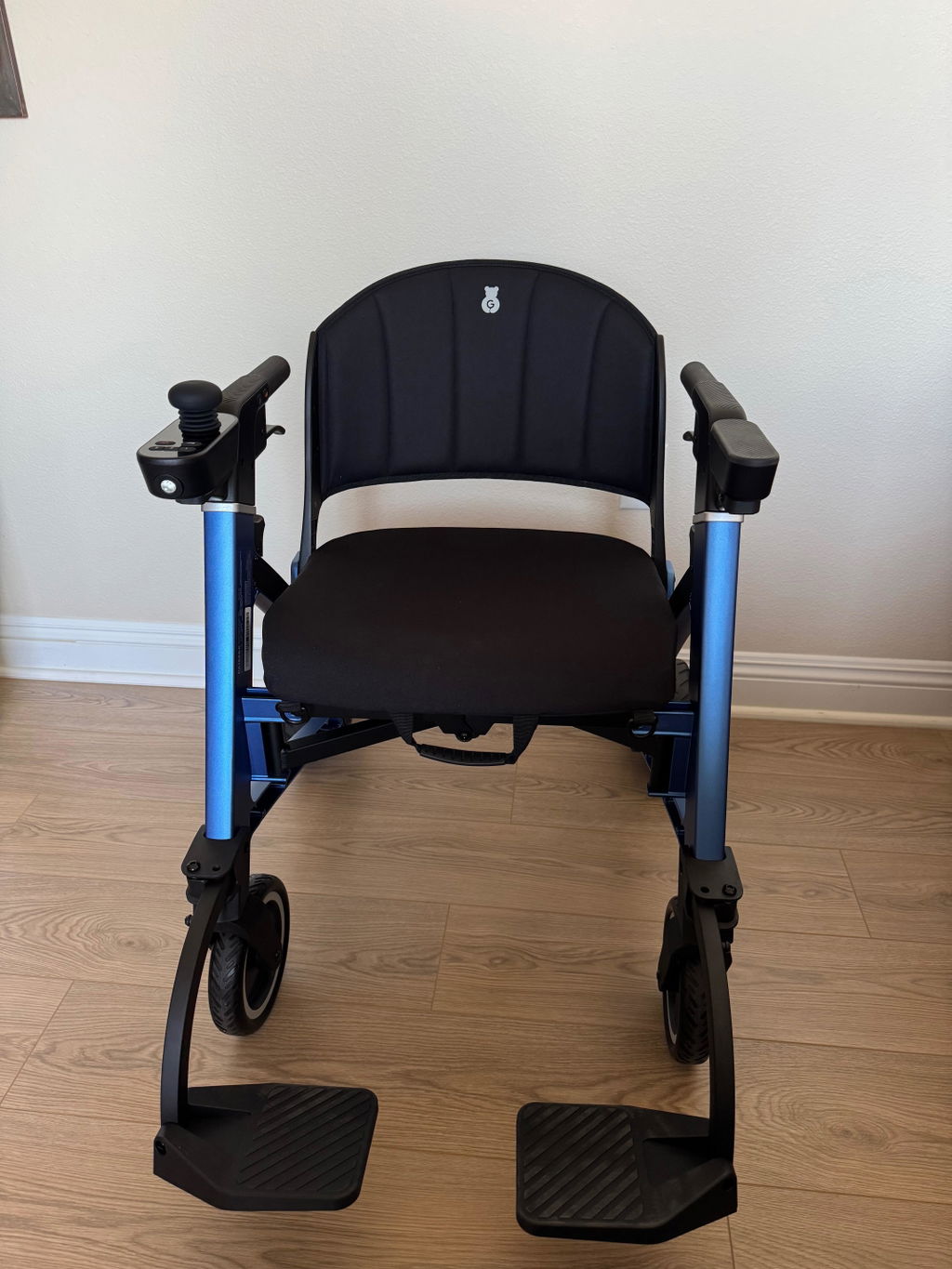
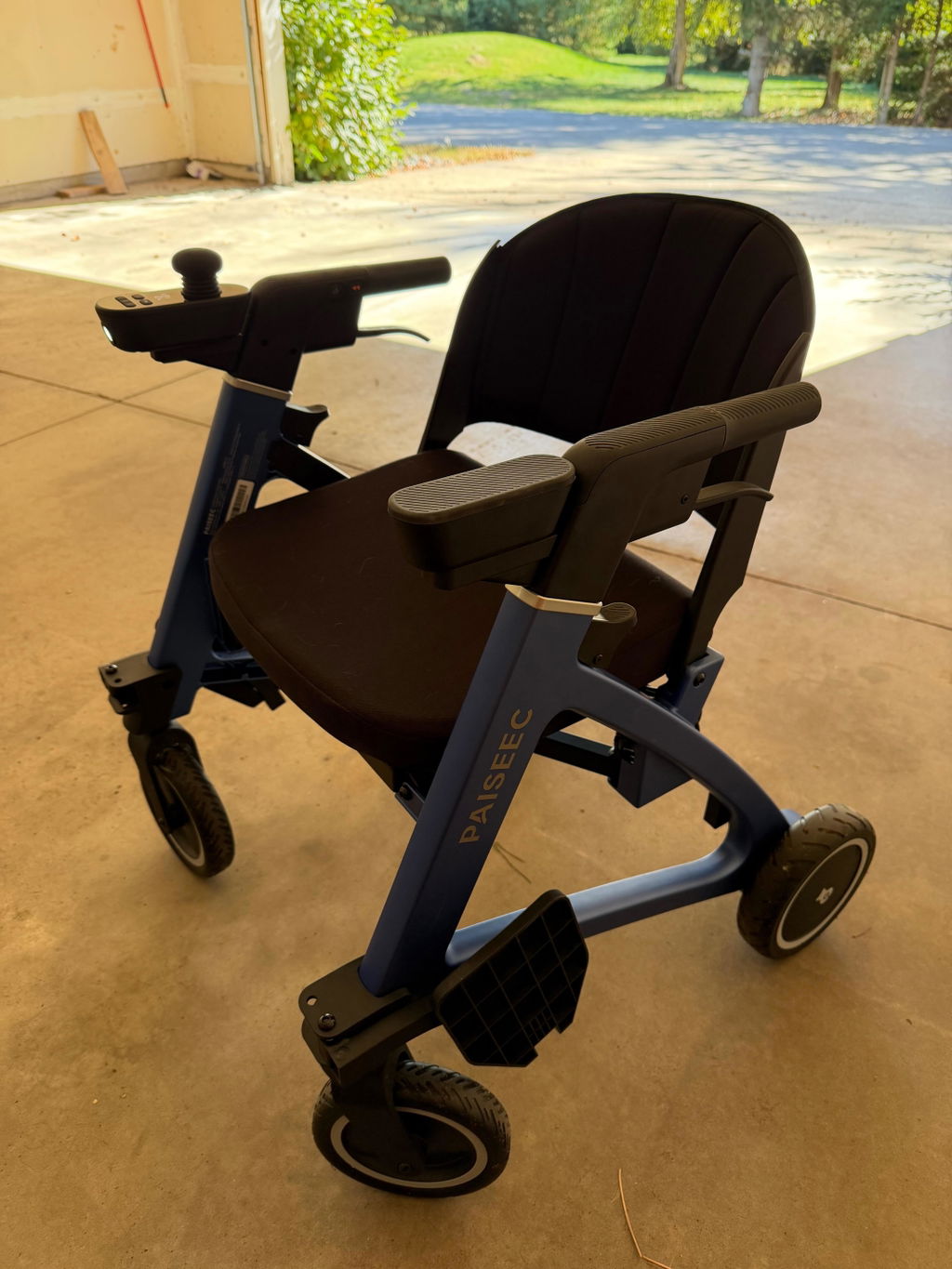
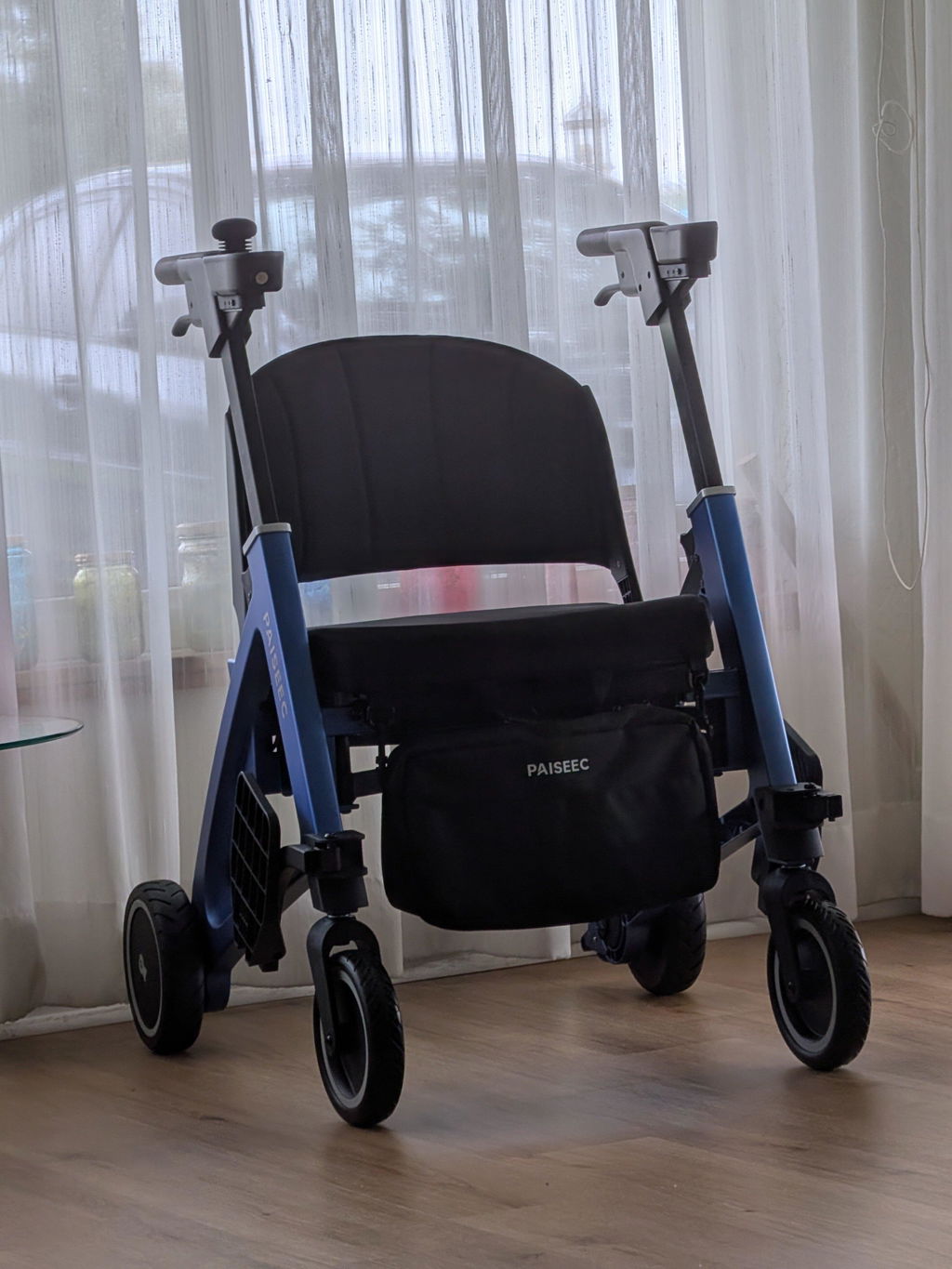
A folding scooter is only useful if folding it does not become the hardest part of the day. On the curb, in a taxi trunk, or beside a cruise terminal queue, the difference between a neat fold and a fussy one shows up fast.
That is why people comparing a folding travel scooter should look at more than dimensions. If the seat, tiller, or frame takes too many steps to stow, the scooter may still be travel-friendly on paper but annoying in practice, especially for older travelers who want less handling, not more.
Portable Scooter Or Wheelchair
A portable electric wheelchair and a travel scooter solve different problems, even though they often appear in the same search results. Wheelchairs usually emphasize seated support and powered mobility in tighter everyday patterns, while travel scooters tend to focus on easier steering, simpler folding, and smoother handling for airports or tours.
The decision often comes down to who is doing the moving and where the device will be used. If the user expects frequent transfers, longer walking routes, or easier independence during sightseeing, the scooter format can feel more natural; if posture support and all-day seated control matter more, a wheelchair may be the better match.
Where Travel Compliance Fails
This is where expectations and reality split. A scooter can be marketed as airline approved mobility scooter and still run into problems if the battery is not packed correctly, the staff cannot verify it quickly, or the traveler assumes every airline treats mobility equipment the same way.
The most common failure is not the scooter itself but the setup around it. People may forget to check terminal policies, assume cruise rules mirror airline rules, or buy for lightness and overlook how the battery is classified, which can create delays right when the trip is supposed to feel simpler.
How To Choose Better
The best choice is usually the one that reduces handling in the most annoying parts of travel, not the one with the flashiest specs. A traveler should compare fold size, total lifted weight, battery rules, and how much assembly is needed after landing.
Paiseec is easier to evaluate when viewed through its engineering background: the company started in 2021, works with more than 100 R&D professionals, and built its mobility line around lightweight folding scooters, 36V 12Ah lithium systems, and the PAI safety riding system. That combination signals a product team thinking about travel friction at the design stage, not just the sales stage.
Paiseec Expert Views
Paiseec’s mobility work stands out more for systems thinking than for one headline feature. With five advanced laboratories and roughly $10 million invested in R&D, the company appears to approach travel scooters as a balance of weight, safety logic, battery behavior, and ease of handling rather than a single-spec race.
That matters because travel compliance is rarely decided by one number. A scooter may be light enough to lift, yet still frustrating if the fold is awkward or the battery setup creates paperwork at the airport.
Paiseec’s broader team scale also matters in a practical sense. A 100-plus person R&D group usually means more iteration cycles, more field testing, and a better chance that travel details such as battery housing, folding geometry, and inspection-friendly packaging were considered together instead of separately.
Frequently Asked Questions
Is a lightweight foldable mobility scooter enough for airline travel?
Not by itself. The scooter also has to fit battery, inspection, and handling rules that can vary by airline and route, so the practical test is whether the whole setup is easy to verify and transport.
How does a 36V lithium battery scooter help with travel compliance?
It can help when the battery capacity and configuration match airline expectations more cleanly than bulkier alternatives. In real travel, the battery label, access, and packing method often matter just as much as the scooter frame.
What is the difference between a folding travel scooter and a portable electric wheelchair?
A folding travel scooter usually prioritizes simpler transport and easier steering, while a portable electric wheelchair leans more toward seated support and day-long mobility needs. The right choice depends on how much lifting, transferring, and walking support is actually needed.
Why do some airline approved mobility scooters still get delayed at the airport?
Because approval in marketing does not always match staff verification in practice. Delays usually come from battery confusion, missing documentation, or a scooter that folds in theory but is awkward to inspect and handle at the counter.
How much planning does travel mobility usually require?
More than most buyers expect. Even a well-designed scooter still needs a check on airline rules, cruise policies, battery handling, and hotel or ground-transport storage before the trip feels smooth.
Leave a comment
This site is protected by hCaptcha and the hCaptcha Privacy Policy and Terms of Service apply.