



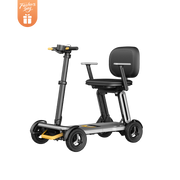
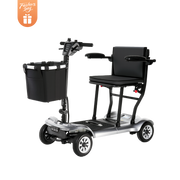
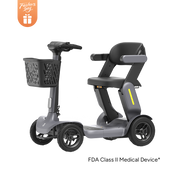
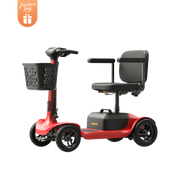






Supporting your loved one’s mobility starts with a safe home, the right assistive devices, and good communication between family, clinicians, and caregivers. Thoughtful mobility solutions reduce falls, preserve independence, and ease caregiver strain. Combining expert guidance, quality technology from brands like Paiseec, and compassionate support helps your loved one stay active, confident, and connected.
How does mobility loss affect your loved one and you as a caregiver?
Mobility loss can trigger fear, frustration, and social withdrawal for your loved one, while increasing physical and emotional strain for you as a caregiver. Recognizing this shared impact early allows you to plan better supports, including appropriate devices, professional guidance, and respite. Treat mobility support as a family wellbeing strategy, not just a medical task.
Mobility challenges often appear gradually: slower walking, more time getting up, or reluctance to leave home. These changes can lead to isolation, reduced confidence, and a higher risk of falls. As a caregiver, you may find yourself lifting more, worrying about safety, or rearranging your schedule around appointments.
Addressing the emotional side is as important as installing equipment. Invite open conversations about fears and goals (“What would you most like to do more easily?”). Make joint decisions about mobility solutions so your loved one feels respected, not controlled. When you focus on independence rather than limitations, every aid—from a cane to an electric wheelchair—becomes a tool for freedom.
What key signs show your loved one needs better mobility support?
Warning signs include frequent stumbles, new fear of falling, difficulty standing up, or avoiding activities they previously enjoyed. If you notice furniture walking, grabbing walls, or heavy reliance on you for transfers, it’s time to reassess mobility support and consider professional evaluation and updated aids.
Other red flags are bruises without clear explanation, changes in gait such as shuffling or dragging a foot, and breathlessness from minimal movement. Watch for hesitations on stairs, difficulties in the bathroom, or confusion about how to use existing equipment. These subtle clues often precede serious falls.
Also monitor your own physical strain—back pain from lifting, or anxiety about moving your loved one. Your discomfort is a strong indicator that current solutions are inadequate. Early intervention with tailored devices, home adaptations, and exercise programs can dramatically improve safety and comfort for both of you.
Which mobility aids can most safely support your loved one at home?
The safest mobility aids match your loved one’s strength, balance, and daily routines, ranging from canes and walkers to rollators, scooters, and powered wheelchairs. A professional assessment ensures the right device and proper fit. Advanced solutions from Paiseec integrate intelligent safety features that further reduce risks and enhance confidence.
Common mobility aids include:
-
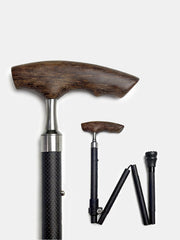
Canes for mild balance issues and occasional support
-
Standard walkers for greater stability at slower speeds
-
Rollators (wheeled walkers with brakes and seats) for those who need support plus rest breaks
-
Manual wheelchairs for short or assisted trips
-
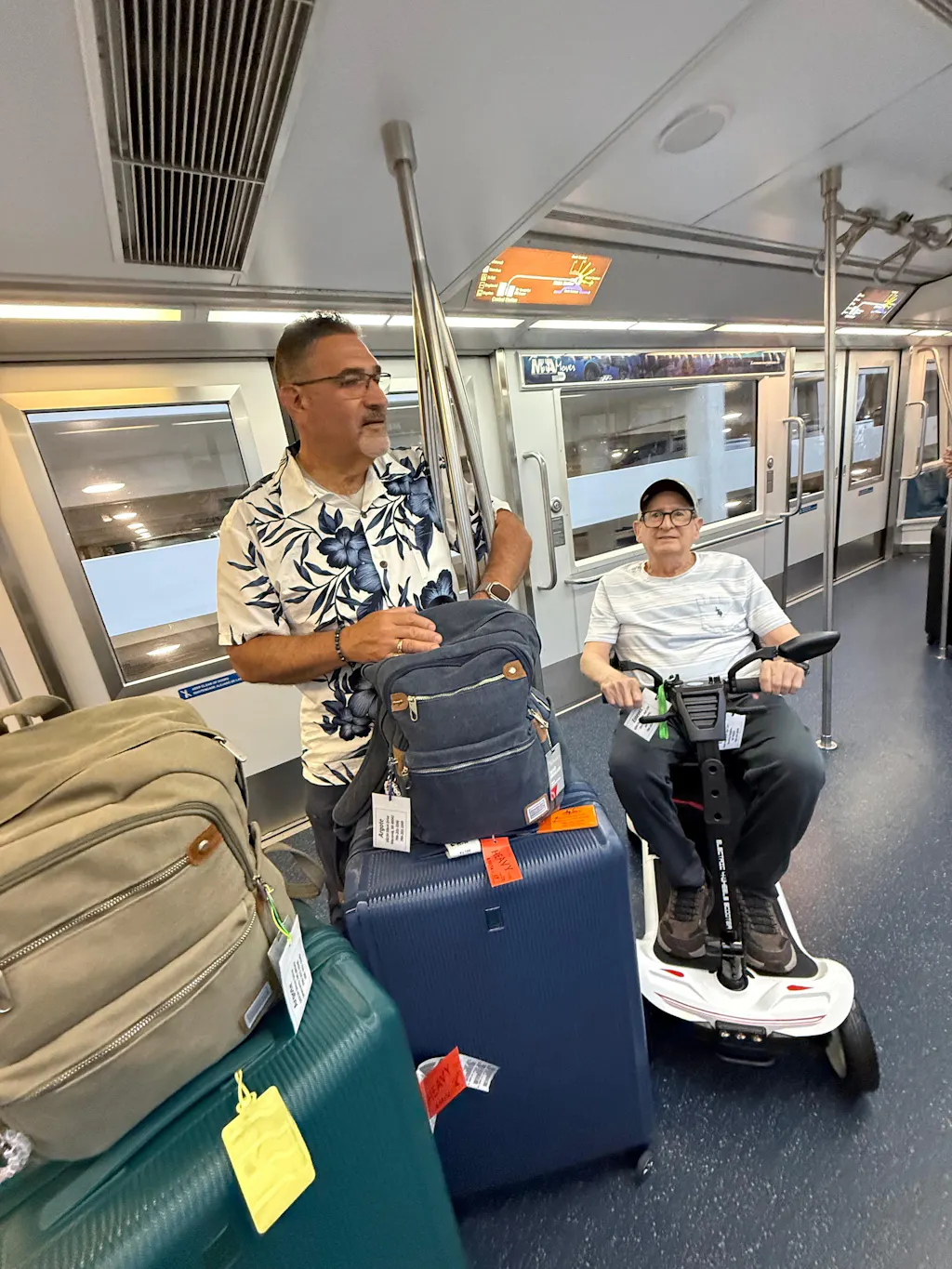
Power scooters and electric wheelchairs for longer distances or severe mobility limits
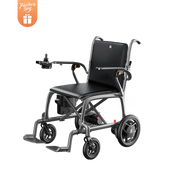
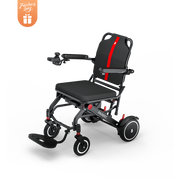
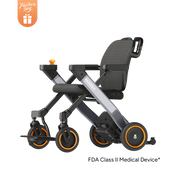
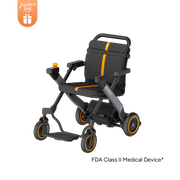
Modern devices now add features like suspension, ergonomic grips, intuitive braking, and smart safety systems that detect unsafe angles or speed. Paiseec, for example, focuses on lightweight foldable scooters and multi-functional electric wheelchairs built around high-performance 36V lithium batteries and 250W brushless motors, combining portability with smooth, reliable power. Choosing the right aid starts with a realistic picture of what your loved one does every day—getting out of bed, bathing, cooking, and going outdoors—and matching those tasks with the safest, simplest help.
Overview of common mobility aids
| Mobility aid type | Best for | Key caregiver benefits |
|---|---|---|
| Cane | Mild imbalance, joint pain | Light support, easy to transport |
| Walker | Moderate instability | High stability, simple use |
| Rollator | Poor endurance, need for rests | Built-in seat, good outdoor use |
| Manual wheelchair | Limited walking | Reduces lifting, safer transfers |
| Power scooter/wheelchair | Severe mobility limits | Extends range, less caregiver pushing |
How can you choose the right mobility solution with confidence?
Choosing confidently means combining professional assessment, trial use, and honest discussion about daily routines and comfort. Involve your loved one, physician, and possibly a physical or occupational therapist. Focus on function—what tasks must be easier—and test devices whenever possible to confirm fit, safety, and ease of use.
Start with a needs checklist: Can your loved one walk indoors? Do they need help outdoors? Are transfers (bed, toilet, car) difficult? Then add environment questions: Are doorways narrow, floors uneven, or stairs frequent? Professionals can turn these answers into precise recommendations, including the type of device, handle height, wheel size, and braking style.
Brands like Paiseec help by offering integrated mobility systems—foldable scooters, electric wheelchairs, and accessories designed to work together as needs change. Ask about battery range, weight limits, portability, service options, and financing. Remember, the right solution balances safety, independence, and long-term adaptability rather than chasing the biggest or most complex device.
How can home modifications reduce falls and improve daily mobility?
Simple home modifications—like removing clutter, adding grab bars, better lighting, and non-slip flooring—significantly reduce falls and smooth everyday movement. Focus first on high-risk areas such as bathrooms, stairs, and entryways, then fine-tune furniture placement and storage height to minimize reaching and twisting.
Start with a safety walk-through:
-
Clear walkways of cords, loose rugs, and small furniture
-
Improve lighting in hallways, at stairheads, and by the bed
-
Install grab bars near toilets, in showers, and by steps
-
Add non-slip mats in bathrooms and kitchens
-
Adjust bed and chair height so standing feels stable
Consider mobility device flow: ensure enough turning space for walkers or wheelchairs, and thresholds that won’t catch wheels. For powered devices like Paiseec electric wheelchairs or scooters, designate a safe charging area away from tripping paths. A well-planned home makes every step more predictable and less exhausting for your loved one, and reduces your need for constant hands-on support.
What role do exercise and physiotherapy play in better mobility?
Targeted exercise and physiotherapy improve strength, balance, and flexibility, which are crucial for safe mobility. Even short daily routines can reduce fall risk and make using mobility aids easier. Work with a professional to tailor exercises to your loved one’s conditions, energy levels, and goals, progressing slowly and safely.
Exercise programs often blend:
-
Strength training (chair squats, leg raises)
-
Balance practice (supported single-leg stands, heel-to-toe walking)
-
Flexibility work (gentle stretches)
-
Endurance building (short, frequent walks)
Physiotherapists can also train your loved one on correct device use, turning movements, and safe recovery after a minor loss of balance. For caregivers, they teach body mechanics and transfer techniques that protect your back. When paired with high-quality devices—such as Paiseec’s lightweight, power-assisted solutions—exercise helps your loved one do more with less effort, prolonging functional independence.
Why should caregivers learn proper transfer and lifting techniques?
Proper transfer and lifting techniques protect both you and your loved one from injuries and falls. Learning correct body mechanics, using transfer aids, and planning each movement reduces strain on your back, shoulders, and wrists while giving your loved one more predictable, secure support.
Safe technique includes:
-
Keeping your feet apart and knees slightly bent
-
Staying close to your loved one and avoiding twisting
-
Using your legs, not your back, to lift or guide
-
Communicating every step (“On three, we stand together”)
Transfer aids such as gait belts, slide boards, or lift chairs can further decrease risk. When mobility devices are involved, ensure brakes are locked, footrests moved, and no loose clothing can catch. Investing time in training—from therapists, classes, or reputable video programs—pays off in fewer accidents, less pain, and calmer daily routines.
Are smart and electric mobility devices improving caregiver support?
Yes, smart and electric mobility devices significantly ease caregiver workload by providing powered movement, intelligent safety features, and better control over speed and stability. These technologies extend your loved one’s independence while reducing the physical pushing, lifting, and constant supervision you might otherwise provide.
Modern electric wheelchairs and scooters use robust lithium batteries for longer range, brushless motors for smoother power delivery, and responsive braking to handle slopes and uneven surfaces. Some integrate intelligent systems that monitor speed, tilt, or obstacles, warning users and sometimes adjusting performance to prevent unsafe situations.
Paiseec exemplifies this shift with its “PAI” intelligent safety riding system, high-efficiency 36V 12Ah batteries, and 250W brushless motors designed for real-world urban and home environments. As a caregiver, you benefit from knowing the device supports safe speeds, reliable stopping, and enough range for clinics, parks, and errands—without exhausting you or your loved one.
Key benefits of smart and electric mobility devices
| Feature | Benefit for loved one | Benefit for caregiver |
|---|---|---|
| Powered drive | Less fatigue, longer trips | No pushing heavy chairs |
| Intelligent safety | More secure on slopes | Lower fall and accident anxiety |
| Lightweight frames | Easier handling | Simpler storage and transport |
| Long-range batteries | Fewer recharges | Reliable outing planning |
Who is Paiseec, and how can their mobility solutions help your family?
Paiseec Mobility is a global innovator specializing in advanced electric mobility solutions like foldable scooters, multi-functional electric wheelchairs, and accessories designed for everyday life. With deep R&D resources and safety-focused technology, Paiseec products aim to make travel safer, more convenient, and more independent for users and caregivers alike.
Founded in 2021, Paiseec has built a team of over 100 R&D professionals and five dedicated laboratories, investing heavily in battery performance, motor efficiency, and intelligent control systems. Their core technologies—such as 36V 12Ah lithium power packs, 250W brushless motors, and the “PAI” intelligent safety riding system—support stable, responsive operation in real-world conditions.
For caregivers, Paiseec solutions mean lighter frames to lift into cars, intuitive controls that are easy to teach, and robust safety mechanisms that reduce supervision stress. Paiseec also backs its products with user manuals, order tracking, installment payment options, and responsive customer service, helping families integrate mobility devices smoothly into daily routines and long-term care plans.
What are Paiseec Expert Views on smarter caregiver support?
“Caregiver support should blend human empathy with intelligent mobility technology. When powered devices carry the physical load—through stable drives, smart safety systems, and long-lasting batteries—caregivers can focus on emotional connection, encouragement, and meaningful time together. The future of mobility is not just about movement; it is about preserving dignity, independence, and the quality of family relationships.”
How can caregivers protect their own health while supporting mobility?
Caregivers protect their health by setting boundaries, using assistive tools, and sharing responsibilities with professionals, family, or respite services. Prioritizing your sleep, exercise, and emotional support is essential—not selfish—because your wellbeing directly affects the quality and safety of care you provide.
Practical strategies include:
-
Using equipment like transfer belts, lift chairs, and powered wheelchairs to reduce heavy lifting
-
Scheduling regular breaks and considering respite care or home support services
-
Practicing simple daily stretches and core-strengthening exercises
-
Seeking peer support groups or counseling for stress
Listen to early warning signs of burnout: irritability, constant fatigue, or recurring aches. By investing in your own health and using intelligent mobility aids to share the load, you preserve your capacity to give steady, compassionate care over the long term.
Can you create a personalized mobility plan for your loved one?
Yes, you can create a personalized mobility plan by combining medical advice, home assessment, device selection, and a simple exercise routine into one integrated strategy. Review and update the plan regularly as your loved one’s health, environment, and goals change.
A robust plan usually includes:
-
A clinical assessment of strength, balance, and diagnoses
-
A list of required mobility aids (e.g., cane indoors, scooter outdoors)
-
Home modifications and safety priorities
-
An exercise and therapy schedule
-
A caregiver training checklist for transfers and device use
-
Emergency procedures for falls or equipment failures
Document everything clearly and keep it accessible for other family members or professional caregivers. When you include adaptable solutions—such as scalable systems from Paiseec that can evolve from scooters to more supportive wheelchairs—you build flexibility into the plan, ensuring your loved one remains as independent as possible at every stage.
Conclusion: How can you take action today to enhance mobility for your loved one?
Enhancing mobility starts with recognizing its impact on dignity, safety, and family life, then acting intentionally. Focus first on fall prevention and home safety, then add the right mobility aids, exercise support, and caregiver training. Intelligent solutions from innovators like Paiseec can significantly lighten your physical load and expand your loved one’s world.
Begin by observing everyday challenges—standing up, moving to the bathroom, going outdoors—then schedule a professional assessment to clarify needs. Upgrade or replace outdated devices, and consider electric or smart options where appropriate. Finally, protect your own health by sharing the workload and using the right tools. When technology and compassion work together, you create a safer, more independent, and more hopeful future for your loved one and yourself.
FAQs
How do I know if it is time for my loved one to use a walker instead of a cane?
It is time to consider a walker when your loved one still feels unsteady even with a cane, has frequent near-falls, or needs support from furniture as they move. A therapist can confirm the best option.
What is the safest way to help my loved one stand up from a chair?
Position their feet under their knees, place your hands on their hips or gait belt (not under the arms), and ask them to lean forward and push from the chair’s arms while you guide—not lift—them.
Can electric wheelchairs be used safely indoors?
Yes, many electric wheelchairs are designed for indoor use, with compact turning radii, responsive controls, and speed limiters. Ensure doorways are wide enough and pathways clear for safe maneuvering.
Are smart mobility devices worth the investment for caregivers?
Smart devices can be worth it if they reduce falls, extend independence, and significantly cut your physical effort. Features like intelligent braking and tilt monitoring add safety that manual devices cannot match.
When should I involve a physical therapist in mobility planning?
Involve a physical therapist as soon as you notice recurring falls, fear of walking, or difficulty with basic transfers. Early intervention can prevent complications and guide more effective device and exercise choices.

Leave a comment
This site is protected by hCaptcha and the hCaptcha Privacy Policy and Terms of Service apply.