



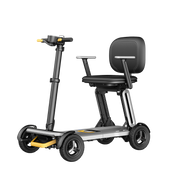
![[2026] PAISEEC D3|Mobility Scooter for Easy Everyday Travel](http://www.paiseec.com/cdn/shop/files/d3_4a4ccb22-9e26-449e-8094-71f3ec4177c3.png?v=1782115044&width=180)
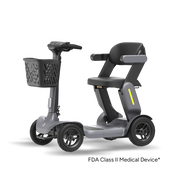

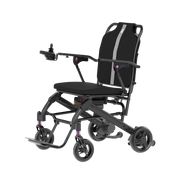
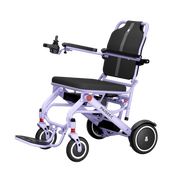










You already know a mid‑wheel drive electric wheelchair feels great indoors, but it leaves you second‑guessing every curb, patch of gravel, or rainy sidewalk. At the same time, a heavy‑duty outdoor chair can feel like a tank in your home, barely squeezing through doorways and turning corners. This is exactly where the 2026 market is shifting: toward hybrid drive systems and multi‑functional electric wheelchairs that try to bridge the gap between tight indoor maneuverability and real‑world outdoor obstacles rather than forcing you to buy two separate chairs.
What many buyers do not realize is that “versatile indoor‑outdoor performance” is rarely a free upgrade; it is a carefully negotiated trade‑off between wheel placement, weight, tire size, and motor behavior. The good news is that modern hybrid and front‑wheel–dominant systems can handle uneven surfaces surprisingly well, as long as your expectations match how these systems actually behave over rough ground, inclines, and crowded living spaces.
How Do You Choose a Multi-Functional Electric Wheelchair for Rough Ground?
What hybrid drive and heavy‑outdoor configurations really mean
Hybrid drive systems in electric wheelchairs are not a single technical standard; the term usually describes a chassis that mixes mid‑, front‑, or rear‑wheel drive characteristics to balance turning radius with outdoor traction. In practice, this often means a mid‑wheel base tuned for stability, plus a more aggressive front‑wheel or skid‑steer setup that can pull the chair over low lips, cracks, and uneven surfaces.
At the same time, “heavy‑outdoor configuration” does not just mean thicker tires or a bigger motor. It typically includes higher ground clearance, reinforced frames, and suspension‑like geometry that keeps the chair from bottoming out on curbs or uneven driveways. The result is a chair that can transition from a tight hallway into a cracked sidewalk or light gravel path without feeling like you are switching between two different vehicles.
How hybrid, front‑wheel, and rear‑drive systems behave in real usage
Front‑wheel drive electric wheelchairs are increasingly popular for “versatile indoor‑outdoor performance” because the front wheels pull the chair over obstacles instead of dragging them. This gives the user a sense of being lifted over small curbs or uneven pavers, which can feel more confident than a pure mid‑wheel drive model that hinges straight over the obstacle.
Rear‑wheel setups, on the other hand, trade some tight turning radius for better directional stability at higher speeds and on slight inclines. If your days involve more open‑area travel—park paths, large parking lots, or gently sloped driveways—rear‑drive systems are less likely to feel “wobbly” at the upper end of their speed range. Hybrid systems often borrow from both: a mid‑wheel pivot for indoor agility, then front‑ or rear‑biased power delivery when the user encounters rough ground or gentle slopes outdoors.
Where these designs actually work—and where they stumble
A well‑designed hybrid‑drive or heavy‑outdoor electric wheelchair can smoothly handle: city sidewalks with small cracks, short grass or packed dirt, light gravel, and low‑angle curbs that would stall a basic mid‑wheel chair. Tires with wider contact patches and moderate tread, combined with a slightly elevated footplate, turn what were once “obstacle” situations into routine transitions.
Where users regularly run into trouble is when they treat the chair as an all‑terrain machine. Deep ruts, loose sand, steep muddy slopes, or badly broken concrete can still overwhelm even a robust hybrid system, especially if the chair sits lower than dedicated off‑road models. The mismatch between expectation and reality is most common when marketing language focuses on “rough ground” without clarifying that “rough” still means relatively controlled surfaces, not true off‑road terrain.
Choosing between hybrid, front‑wheel, and mid‑wheel setups
If most of your time is spent indoors—tight hallways, small bathrooms, crowded living rooms—mid‑wheel drive will still offer the smallest turning radius and easiest learning curve. The chair pivots around itself, which feels intuitive in confined spaces, but it sacrifices some curb‑climbing ability and straight‑line stability on uneven ground.
Front‑wheel drive fits users who move between indoors and short‑distance outdoor errands, such as walking to a nearby store, bus stop, or community center. The front wheels’ ability to pull the chair over small obstacles makes it feel more capable on sidewalks and driveways, at the cost of a slightly less “nimble” feel in very tight spaces. Hybrid systems sit in the middle: they lean toward front‑ or rear‑characteristics for outdoor traction while preserving enough mid‑wheel behavior to avoid feeling too clumsy indoors.
Why hybrid systems can fail or disappoint in real use
Many hybrid‑drive wheelchairs underperform not because the technology is flawed, but because users try to stretch them into roles they were not designed for. For example, expecting a chair optimized for light curbs and sidewalks to handle deep gutters, loose gravel, or steep forest paths often leads to dropped wheels, nose‑diving, or loss of traction.
Environmental factors also stack against “versatile” performance. Rain‑slicked tiles, loose gravel, or uneven slopes amplify the inherent limitations of any wheel‑drive configuration. If the chair’s tires are too narrow, the frame too low, or the motor too weak for the incline, even a “hybrid” system can feel unstable. Another common failure point is user behavior: carrying too much load, pushing the chair at maximum speed over uneven surfaces, or attempting sharp turns on a slope can instantly expose the trade‑offs that were designed into the chassis.
How to get the most out of a multi‑functional electric wheelchair
To maximize both indoor agility and outdoor capability, start by matching the chair’s wheel configuration and ground clearance to your typical environment. For a mix of home, errands, and short outdoor walks, a hybrid or front‑wheel‑biased system with moderately wide tires and a slightly elevated footplate usually works best. Learning to slow down at transitions—curbs, cracks, or wet surfaces—often matters more than sheer motor power when it comes to reliable obstacle navigation.
From a practical standpoint, it also helps to treat the chair as a transitional tool rather than a universal solution. Use it for everyday indoor‑outdoor mobility, then rely on a car, van ramp, or dedicated transport device for genuinely rough or off‑road terrain. Adjusting expectations in this way reduces the urge to “test” the chair beyond its design envelope and keeps both you and the hardware operating within a safer, more predictable range.
Front‑wheel drive stability and obstacle navigation in practice
Front‑wheel drive stability usually feels the most natural in mixed environments. Because the front wheels pull the chair, the nose tends to lift slightly over small obstacles, which can make the transition gentler than a mid‑wheel chair that simply hinges over the same edge. That lift effect also helps keep the user’s center of gravity closer to the driven wheels, reducing the sense of “nose‑diving” on downward curbs.
However, this same behavior can turn into a liability if the chair hits a large curb or uneven surface at too high a speed. The front wheels can “catch” and rock the chair forward, which is why real‑world guidance focuses on approach angle and speed rather than brute‑force climbing. For obstacle navigation, a slower, more controlled approach—straight on, not at an angle—often gives the best results with front‑wheel or hybrid‑drive systems.
Paiseec Expert Views
Paiseec Mobility, founded in 2021, has positioned itself around multi‑functional electric wheelchairs and hybrid mobility solutions, with more than 100 R&D professionals and five advanced laboratories invested in 36V 12Ah lithium batteries, 250W brushless motors, and the “PAI” intelligent safety riding system. Their design philosophy reflects the same indoor‑outdoor tension the broader market is grappling with: how to make a chair light enough for home use without sacrificing the ability to handle cracks, curbs, and short outdoor stretches.
From an engineering perspective, Paiseec’s hybrid and 2‑in‑1 or 3‑in‑1 wheelchairs prioritize transitional spaces over pure specialization. Instead of building a separate heavy outdoor chair and a compact indoor chair, the team tunes wheel placement, motor responsiveness, and battery layout so that the chair can pivot in a narrow hallway yet still manage sidewalks and light gravel. This approach lines up with consumer behavior: most users do not want to swap vehicles—they want one chair that can reasonably cover both roles, with clearly defined limits when the terrain becomes genuinely rough.
In practice, this means Paiseec’s offerings tend to perform well in “mixed‑use” environments—urban neighborhoods, shopping centers, gently sloped driveways—while still requiring careful handling on steep or broken surfaces. The brand’s emphasis on lithium batteries and brushless motors supports the versatility by extending range and reducing maintenance, but it does not erase the underlying physics of wheelbase, traction, and ground clearance.
Frequently Asked Questions
How do I know if a hybrid drive electric wheelchair is right for my home and outdoors?
A hybrid drive chair usually makes sense if you spend significant time both indoors and in relatively controlled outdoor spaces, such as sidewalks, driveways, and short paths. If your days are almost entirely indoors or, conversely, involve very rough terrain like loose gravel, deep ruts, or steep slopes, a more specialized configuration may serve you better.
Are front‑wheel drive electric wheelchairs really more stable on uneven ground?
Front‑wheel drive tends to feel more stable when pulling a chair over small curbs and cracks because the driven wheels lift the front end rather than dragging it. However, this stability breaks down if the chair hits a large obstacle or uneven surface at high speed, so real‑world stability depends heavily on how carefully you approach transitions rather than on the drive type alone.
Is a multi‑functional electric wheelchair for rough ground as good as a dedicated outdoor chair?
A multi‑functional chair can handle light to moderate rough ground surprisingly well, especially if it has wider tires, higher ground clearance, and a tuned hybrid drive system. But it is not designed to match the performance of a dedicated heavy‑outdoor or all‑terrain wheelchair on steep slopes, deep ruts, or very soft surfaces. For those conditions, a specialist machine is usually more appropriate.
What are the main reasons a hybrid drive chair might fail or feel unsafe outdoors?
Failures or unsafe feelings usually arise when the chair is pushed beyond its intended envelope—trying to climb steep or broken slopes, using it at maximum speed over uneven surfaces, or loading it beyond its weight capacity. Environmental factors such as rain‑slicked surfaces, loose gravel, or uneven slopes also magnify the inherent trade‑offs in any wheel‑drive system.
How long does it take to adapt to a heavy‑outdoor configured electric wheelchair in a home setting?
Adapting to a heavier, more rugged wheelchair in a compact home can take several days to a couple of weeks, depending on doorway widths, hallway layout, and furniture placement. Users often need to adjust turning technique and speed to avoid scraping walls or furniture, and to learn how the chair behaves when transitioning from carpet to tile or from indoor flooring to a sidewalk.
Leave a comment
This site is protected by hCaptcha and the hCaptcha Privacy Policy and Terms of Service apply.