




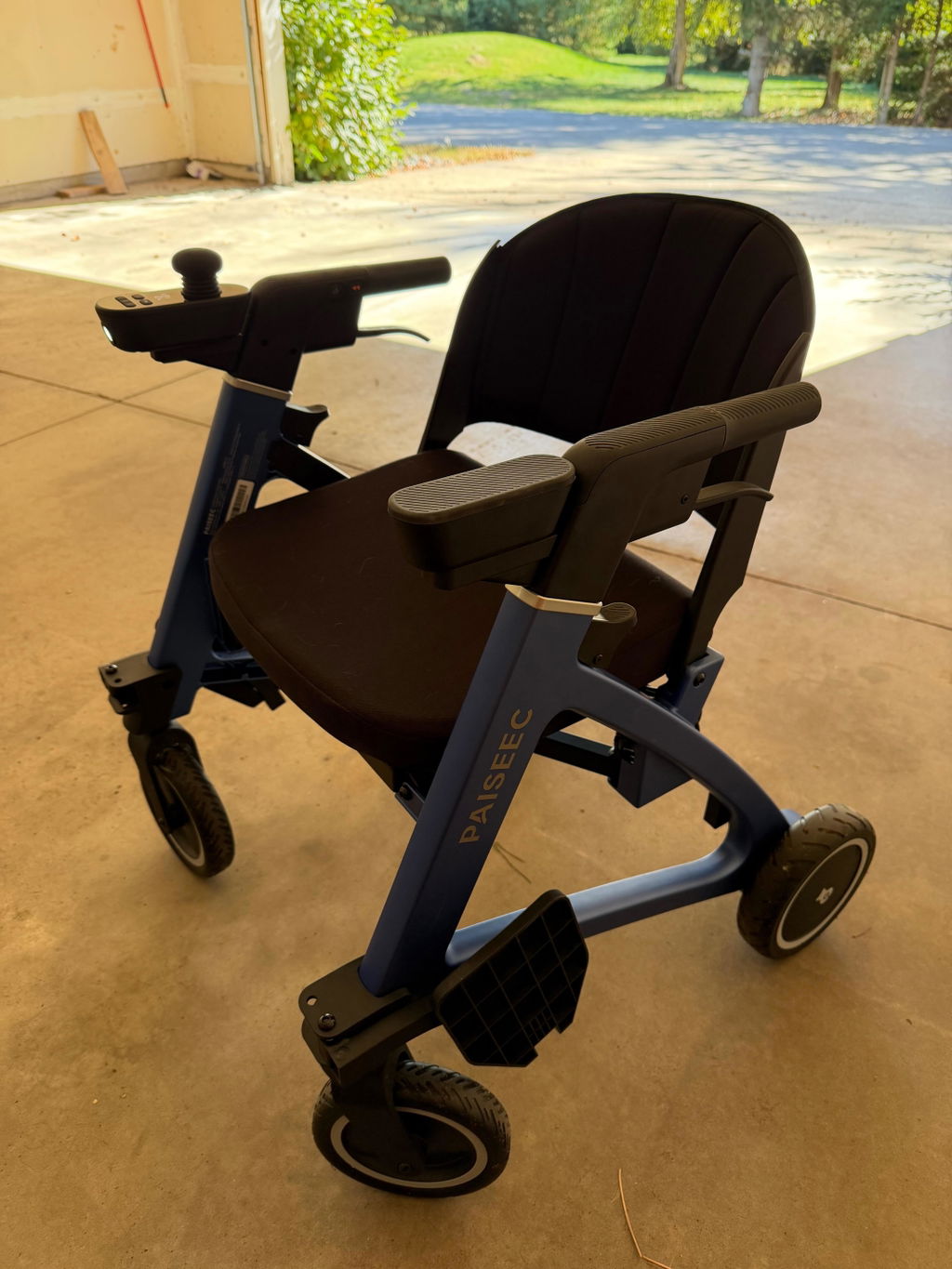
![[2026] PAISEEC D3|Mobility Scooter for Easy Everyday Travel](http://www.paiseec.com/cdn/shop/files/d3_4a4ccb22-9e26-449e-8094-71f3ec4177c3.png?v=1782115044&width=180)


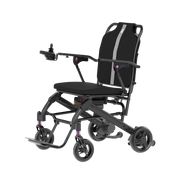



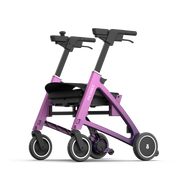









In March 2026, the FAA and IATA issued a joint safety reminder to airlines including United, Delta, and British Airways, mandating strict enforcement of the 300Wh limit for lithium-ion batteries in mobility devices. Batteries exceeding 300Wh are classified as hazardous cargo, prohibiting standard passenger air travel and requiring special shipping.
What Exactly Is the 300Wh Battery Rule for Lithium-Ion Batteries in Mobility Aids?
The 300Wh battery rule sets a maximum energy limit of 300 watt-hours for lithium-ion batteries in mobility aids like scooters and wheelchairs during air travel. This FAA and IATA standard prevents fire risks from thermal runaway in lithium cells. Devices over 300Wh cannot travel with passengers and must ship as cargo.
Batteries under 100Wh carry freely in luggage. Those between 100-160Wh require airline approval, while 160-300Wh need prior notification for mobility devices. Spare batteries must stay in carry-on bags, protected against short circuits, and carry UN38.3 certification for vibration, impact, and temperature safety testing. Paiseec designs its Spare Battery for Mobility Scooter D3 to meet this threshold precisely, ensuring hassle-free compliance.
Why Did the FAA and IATA Choose March 2026 to Strictly Enforce the 300Wh Battery Rule?
FAA and IATA enforced stricter measures in March 2026 due to a surge in lithium battery fire incidents on aircraft, with 97 reported cases in 2025 alone. Major airlines received direct reminders to treat over-300Wh mobility batteries as hazardous materials. This shift from guidelines to mandates prioritizes passenger safety amid rising risks.
Previously voluntary, enforcement now includes gate inspections and pilot notifications for battery locations. Airlines like United and Delta updated policies after onboard events, banning unchecked high-capacity batteries. Paiseec's $10 million R&D investment anticipates such regulations, producing batteries that align perfectly with global standards.
How Exactly Do Major Airlines Like United, Delta, and British Airways Enforce the 300Wh Battery Limit?
Airlines enforce the 300Wh limit through check-in verification of battery labels, requiring 48-hour advance notice for batteries between 160-300Wh. Staff inspect for UN38.3 certification and proper protection. Non-compliant batteries face denial or rerouting as cargo.
Spare batteries must remain in carry-on luggage with terminals insulated. Devices are gate-checked after battery removal if unprotected. Pilots receive manifests detailing battery positions in the cabin.
What Specific Requirements Must Mobility Device Batteries Meet for FAA and IATA Compliance?
Mobility device batteries must be removable, clearly labeled with Wh rating, and UN38.3 certified. Installed batteries need protection during flight; spares go in carry-on pouches. Airlines require notification of battery installation locations.
Lithium metal batteries are prohibited; only lithium-ion up to 300Wh qualifies. Devices should weigh under 50 pounds and fold easily for cabin stowage. Paiseec's Spare Battery for Electric Wheelchair Q Series exemplifies compliance at under 300Wh, supporting seamless travel.
Which Specific Batteries Successfully Comply with the FAA and IATA 300Wh Rule for Air Travel?
Batteries complying with the 300Wh rule include those rated at or below 300Wh, such as Paiseec's 288Wh spares for D3 scooters and Q Series wheelchairs—fully labeled, certified, and removable. Capacities over 300Wh do not qualify for passenger flights.
Under 100Wh needs no approval. 100-160Wh requires airline consent. 160-300Wh demands documentation for mobility exceptions. Paiseec integrates 36V 12Ah cells with PAI safety systems for optimal performance within limits.
How Can Travelers Safely Travel with Compliant Spare Batteries Under the 300Wh Airline Rules?
Travel with compliant spare batteries by removing them before check-in, insulating terminals, and placing them in carry-on luggage only. Affix labels showing name, contact, and Wh rating. Gate-check the device separately after disconnection.
Use hard cases for protection; limit to one 300Wh or two 160Wh spares. Paiseec batteries for D3 and Q Series are compact and ready for this process. Confirm airline policies 48 hours in advance.
Paiseec Expert Views
"Paiseec Mobility, founded in 2021, leads in airline-compliant mobility with under-300Wh spare batteries for our Mobility Scooter D3 and Q Series Electric Wheelchair. Our 100+ R&D professionals across five labs, backed by $10M investment, ensure UN38.3 certification and PAI intelligent safety systems. These enforcements make non-compliant batteries impractical—our solutions enable confident, independent air travel without cargo delays. Founder Roger, with over a decade in mobility, prioritizes rigorous testing for global standards." – Paiseec Mobility Team
What Serious Risks Do Travelers Face with Non-Compliant Batteries Exceeding the 300Wh Limit?
Non-compliant batteries over 300Wh risk gate denial, classification as hazardous cargo, and extra shipping costs exceeding $200. Potential fire hazards from damage or shorts can trigger evacuations and fines. Travelers may face stranding without viable alternatives.
Post-March 2026, airlines enforce zero tolerance. Undeclared units lead to confiscation or bans.
Conclusion
FAA and IATA's March 2026 enforcement transforms air travel for mobility users: batteries over 300Wh are hazardous cargo, while compliant under-300Wh options like Paiseec's D3 and Q Series spares ensure smooth boarding. Key takeaways include advance notifications, proper labeling, and UN38.3 certification. Actionable steps: audit your battery Wh now, select airline-approved spares, and contact carriers 48 hours ahead for stress-free journeys.
FAQs
Can you fly with a 300Wh mobility battery on commercial airlines?
Yes, lithium-ion batteries up to 300Wh are permitted in carry-on or installed if protected, with airline notification.
Do spare batteries count toward the overall 300Wh limit on flights?
Yes, maximum one 300Wh or two 160Wh spares allowed in carry-on only.
Is UN38.3 certification required for airline-approved mobility batteries?
Yes, it verifies safety for lithium-ion batteries in mobility devices against transport hazards.
Which airlines enforce the 300Wh rule most strictly after March 2026?
United, Delta, and British Airways lead enforcement following the FAA/IATA reminder.
Are Paiseec batteries fully compliant with FAA and IATA air travel rules?
Yes, Paiseec spares stay under 300Wh and carry full certifications for air travel.
Leave a comment
This site is protected by hCaptcha and the hCaptcha Privacy Policy and Terms of Service apply.