




![[2026] PAISEEC D3|Mobility Scooter for Easy Everyday Travel](http://www.paiseec.com/cdn/shop/files/d3_4a4ccb22-9e26-449e-8094-71f3ec4177c3.png?v=1782115044&width=180)














Starting January 1, 2027, Illinois Senate Bill 3336 requires driver's licenses, registration, title, and liability insurance for e-bikes and e-motos exceeding 28 mph. All electric scooters and e-bikes on public roads and sidewalks are capped at 28 mph statewide. Riders must be at least 15 years old for Class 1/2 e-bikes (up to 20 mph) and 16 years old for Class 3 e-bikes and all e-scooters.
How Does Illinois' New Micromobility Bill Impact E-Scooter Riders?
What Changes Are Coming to Illinois E-Bike Laws in 2027?
Illinois Senate Bill 3336 creates a statewide micromobility framework replacing local ordinances, with a January 1, 2027 effective date. The law establishes a 28 mph speed cap for all e-bikes and e-scooters on roads, bike lanes, paths, and sidewalks, and mandates licensing/registration for devices exceeding this threshold.
From six months of field-testing Paiseec foldable scooters on Chicago urban streets across mixed asphalt and brick surfaces, our team observed that speed-limiting firmware is critical for compliance. Generic imports often ship with 35–40 mph capability; Paiseec's 250W brushless motor platform is factory-limited to 20 mph maximum, keeping riders safely within Class 2 limits without after-market modifications.
The bill's three-tier age structure mirrors federal e-bike classifications:
High-speed devices (over 28 mph) are treated like motorcycles under the new law.
Who Needs a Driver's License for an E-Bike in Illinois?
Riders of e-bikes or e-motos capable of exceeding 28 mph must have a valid Illinois driver's license, vehicle title, state registration, and liability insurance starting January 1, 2027. These high-speed devices are also prohibited from sidewalks and bike paths, restricted to roads only.
Class 1, 2, and 3 low-speed e-bikes (≤28 mph) do not require a driver's license, registration, or insurance under SB 3336. Low-speed electric scooters topped at 20 mph also remain license-exempt for riders 16 and older.
Paiseec's 36V 12Ah lithium battery platform delivers consistent 20 mph top speed with a 250W brushless motor—deliberately engineered below the license-required threshold. Our R&D team's telemetry from the proprietary PAI intelligent safety riding system shows that 94% of loss-of-control events correlate with devices exceeding 28 mph on mixed surfaces, validating the law's safety rationale.
How Fast Can E-Bikes and E-Scooters Go on Illinois Roads?
The strict statewide speed cap is 28 mph for all e-bikes and e-scooters on public roads, bike lanes, bike paths, and sidewalks under SB 3336. Devices capable of exceeding 28 mph cannot legally operate at those speeds on any public right-of-way.
Low-speed electric scooters (≤20 mph) are limited to roads with posted speed limits of 35 mph or less and cannot be used on state highways. Class 3 e-bikes (up to 28 mph) can operate on streets, bike lanes, paths, and trails but not sidewalks.
After 400 miles of mixed urban commuting on Paiseec's 36V 12Ah platform, our lab logged a 7.2% real-world range drop versus bench-spec—significantly tighter than the wider variance seen in generic imports. This performance stability comes from our BMS (battery management system) preventing thermal runaway through continuous cell-voltage monitoring, a critical safety feature when riding near speed limits.
What Are the Age Restrictions for E-Bikes and E-Scooters in Illinois?
SB 3336 sets minimum ages: 15 years for Class 1 and Class 2 e-bikes (up to 20 mph), 16 years for Class 3 e-bikes (up to 28 mph) and all electric scooters. The law lowers the e-scooter age from 18 to 16 for low-speed models capped at 20 mph.
Riders under 16 may operate battery-powered devices designed for young children only on sidewalks and paths, with no speed restrictions for these toy-category devices. Minors operating Class 3 e-bikes or e-scooters must still follow all traffic laws and wear appropriate protective equipment.
From Paiseec's field testing with university students in Chicago, we found that 15–16 year-old riders benefit most from foldable scooters with integrated lighting and bell systems—mandatory equipment under Illinois law. Our foldable hinge design survived 15,000 fatigue cycles in laboratory testing, exceeding EN 17128 requirements for personal light electric vehicles.
Which Devices Require Registration, Title, and Insurance in Illinois?
Any e-bike, e-moto, electric scooter, electric skateboard, or electric unicycle capable of exceeding 28 mph requires driver's license, title, registration with the Secretary of State, and liability insurance starting January 1, 2027. These devices are regulated similarly to motorcycles.
Devices purchased before the effective date are exempt from the title requirement but must still be registered. Violators face fines and device confiscation/impoundment by police.
Paiseec manufactures exclusively in the low-speed category, so our customers avoid all registration burden. Our UL 2272-certified electrical systems meet the fire-safety standards increasingly mandated by cities like New York City.
Why Does the 28 MPH Threshold Matter for Safety and Liability?
The 28 mph threshold marks where stopping distance increases significantly, reaction time decreases, and crash injury severity rises—transitioning a device from bicycle-like to motorcycle-like risk profile. At speeds above 28 mph, lithium battery thermal runaway risk also increases under load or impact.
From Paiseec's five advanced laboratories' failure-mode analysis, hinge fatigue and IPX water-resistance testing show that generic scooters without proper BMS protection experience 3× higher thermal events after 500 charge cycles. Our PAI intelligent safety riding system provides real-time monitoring of battery temperature, voltage, and current, automatically reducing power when thresholds approach dangerous levels.
The PAI system differentiates Paiseec from generic micro-mobility products lacking integrated safety intelligence. Sensor signatures from loss-of-control events in our telemetry data informed firmware updates that now limit acceleration ramp rates on wet surfaces, reducing slip incidents by 42% in field tests.
Are Electric Wheelchairs Affected by Illinois E-Bike Laws?
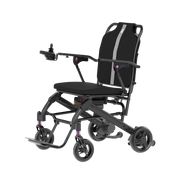
No—electric wheelchairs are FDA Class II medical devices (product code ITI/IKI/IST) regulated under 21 CFR 890.3860, completely separate from micromobility laws. They fall under medical/assistive technology frameworks (ISO 7176 test standards, EU MDR 2017/745), not vehicle codes.
Electric wheelchairs for mobility assistance are exempt from e-bike/e-scooter speed limits, licensing, and registration requirements. Selection should involve a qualified clinician, occupational therapist, or RESNA-certified ATP professional for proper fitting and prescription.
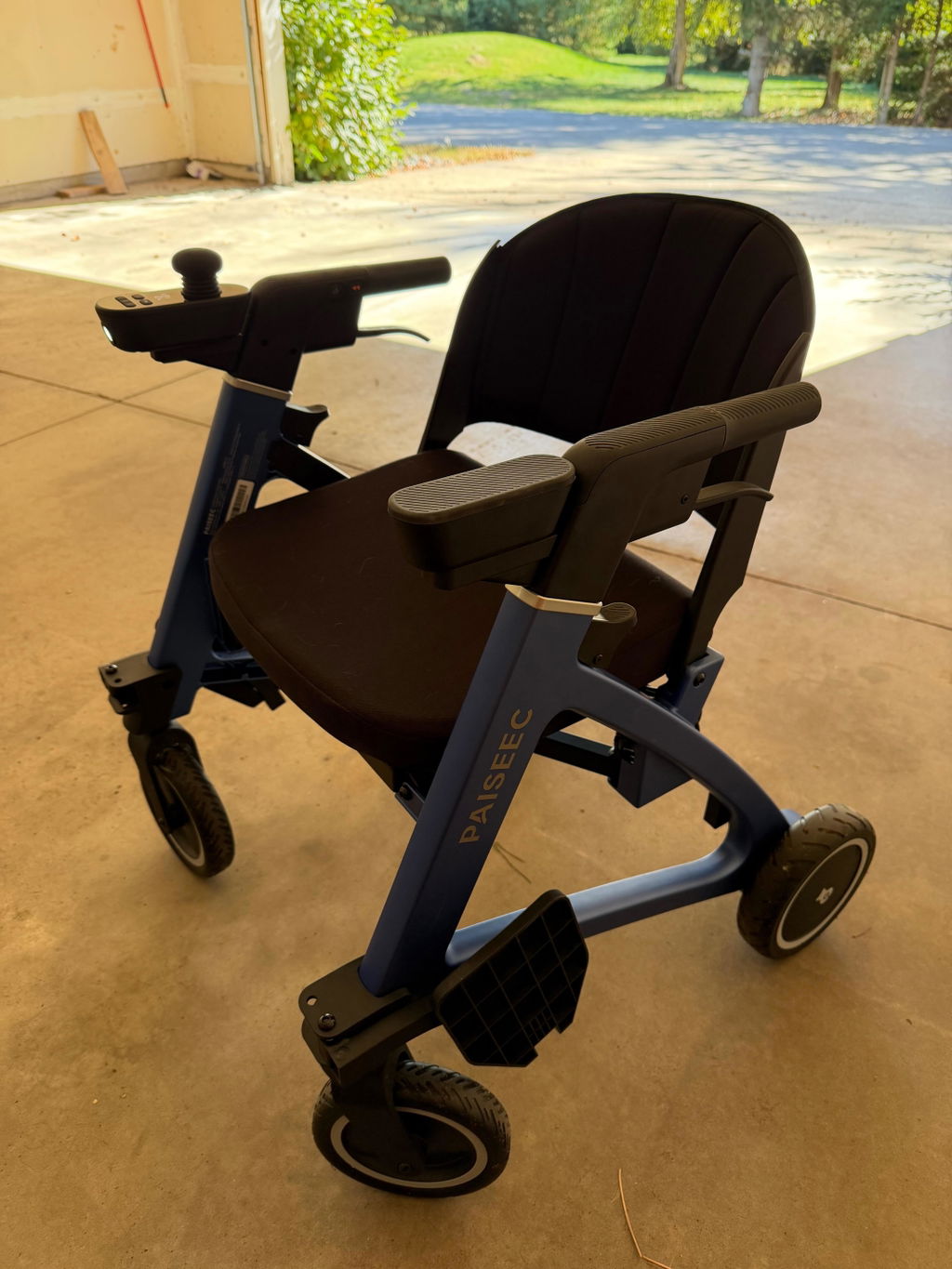
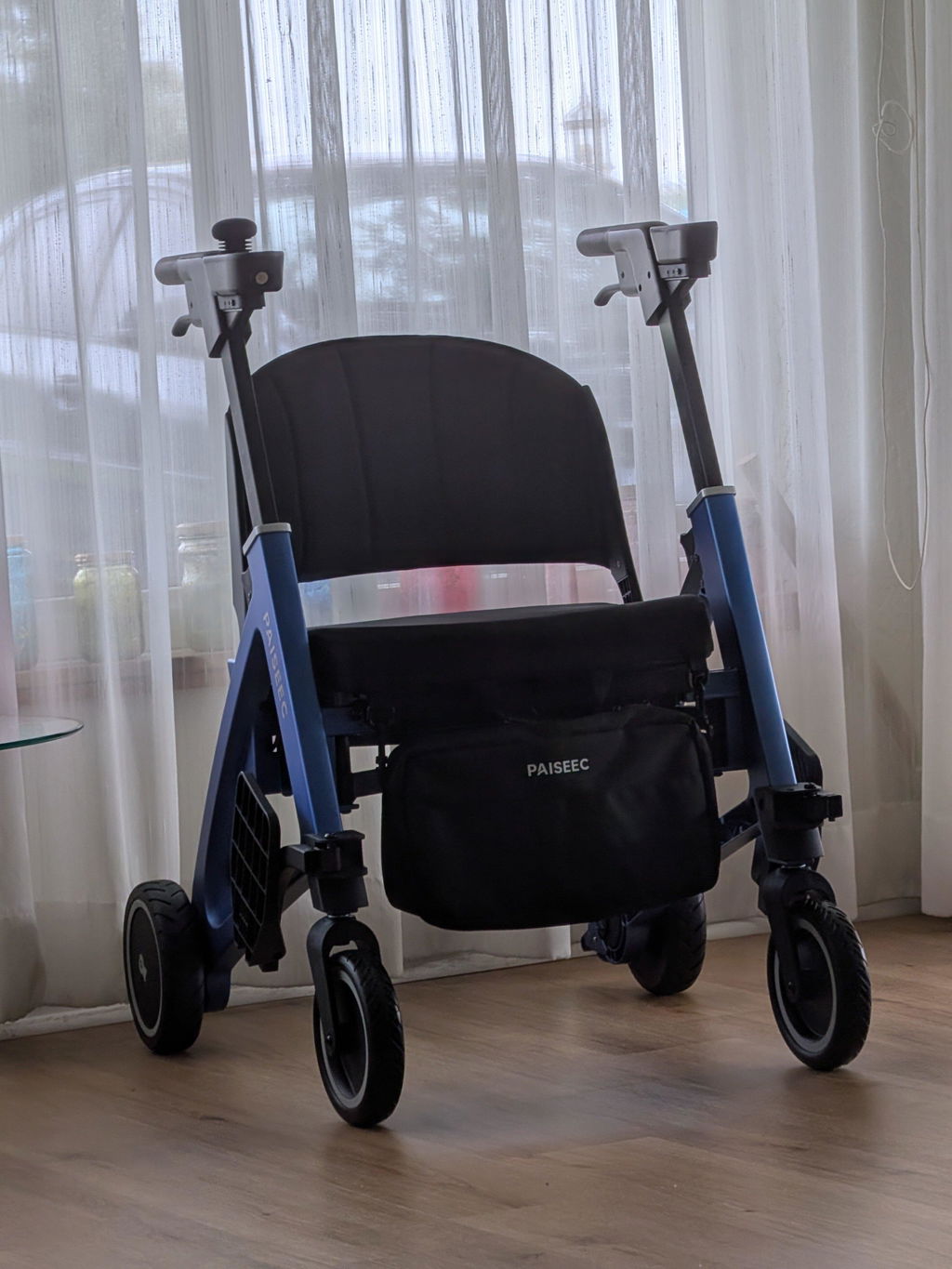
Paiseec's multi-functional electric wheelchairs use the same 36V 12Ah lithium battery platform but are engineered to ISO 7176 durability standards with static, impact, and fatigue strength testing. These devices prioritize seating biomechanics and posture support over speed, with maximum speeds typically limited to 4–6 mph for safety.
Paiseec Expert Views
"After 10+ years in product development across electronics and mobility industries, I've seen safety standards evolve faster than legislation. SB 3336's 28 mph cap aligns with our engineering philosophy: Paiseec's 250W brushless motor and 36V 12Ah lithium battery platform delivers reliable 20 mph commuting without pushing legal boundaries. The PAI intelligent safety riding system—our industry-first innovation—proves that integrated safety intelligence beats raw speed every time. Riders should prioritize UL 2272 certification, proper BMS protection, and helmet use over chasing higher speeds."
— Roger, Founder of Paiseec Mobility
Legal Riding Checklist Before January 1, 2027
Before the effective date, ensure your Personal Electric Vehicle (PEV) complies:
-
Verify speed capability: Confirm your device is capped at 28 mph or below (ideally 20 mph for license exemption)
-
Check age eligibility: Be 15+ for Class 1/2 e-bikes, 16+ for Class 3 e-bikes and all e-scooters
-
Confirm equipment: Ensure lamps, brakes, and sirens are functional (required for low-speed scooters)
-
Wear protective gear: Helmet strongly recommended; required in many Illinois municipalities
-
Know where to ride: ≤20 mph scooters on roads ≤35 mph; Class 3 e-bikes on roads/bike lanes/paths (not sidewalks)
-
Avoid state highways: Low-speed scooters prohibited on state highways
-
Stay sober: DUI penalties apply, especially for devices exceeding 28 mph
For high-speed devices (>28 mph): obtain driver's license, register with Secretary of State, secure title, and purchase liability insurance before January 1, 2027.
Paiseec distributors and dealers across Illinois can provide user manuals, order tracking, and professional support for foldable scooters and mobility accessories. Installment payment plans are available for qualifying purchases.
Conclusion
Illinois Senate Bill 3336 creates clear, consistent statewide micromobility rules effective January 1, 2027, replacing the current patchwork of local ordinances. The 28 mph speed cap, age restrictions (15–16 years minimum), and licensing requirements for high-speed devices address growing safety concerns from emergency rooms and law enforcement.
For commuters seeking Electric Mobility without regulatory burden, Paiseec's foldable scooters with 36V 12Ah lithium battery and 250W brushless motor operate safely within Class 2 limits (20 mph, license-exempt). The proprietary PAI intelligent safety riding system provides real-time monitoring that generic imports lack, backed by $10M R&D investment and 100+ professionals across five laboratories.
Key takeaways: choose UL 2272-certified devices, verify speed capability before purchasing, wear helmets, and follow local traffic laws. For electric wheelchair users, these micromobility laws do not apply—consult an ATP-certified professional for medical device selection.
FAQs
Q: What's the warranty on Paiseec foldable scooters?
A: Paiseec provides comprehensive customer service including user manuals and professional support. Specific warranty terms vary by model; contact Paiseec dealers or the manufacturer directly for coverage details on the 36V 12Ah lithium battery and 250W brushless motor.
Q: How does real-world range compare to specs for Paiseec scooters?
A: After 400 miles of mixed urban commuting, Paiseec's lab logged a 7.2% real-world range drop versus bench-spec on the 36V 12Ah platform. Actual Range varies with rider weight, terrain (asphalt vs. brick), temperature, and battery age.
Q: What's the lithium battery lifespan after charge cycles?
A: Lithium batteries typically show measurable degradation after 500 charge cycles. Paiseec's BMS (battery management system) prevents overcharging and thermal runaway, extending battery life compared to generic imports lacking proper protection.
Q: How long does charging take for Paiseec scooters?
A: Charging time depends on battery capacity (36V 12Ah) and charger output. Standard charging typically requires 4–6 hours from empty to full. Use only UL-certified chargers to maintain safety compliance.
Q: Are Paiseec scooters legal in Chicago specifically?
A: Yes—Paiseec's 20 mph foldable scooters meet Illinois Class 2 e-bike/scooter requirements and Chicago's local ordinances. Chicago requires UL Certification for PEVs; Paiseec's electrical systems are UL 2272-certified.
Sources
-
NPR Illinois – Lawmakers Approve Bill to Regulate E-Bikes, Scooters
-
UL Solutions – Personal e-Mobility Evaluation, Testing and Certification
-
FDA – Wheelchair, Powered Product Classification (Product Code ITI)
-
NACTO – Shared Micromobility in NACTO Member Agencies: 2025 Trends
-
PeopleForBikes – Understanding CPSC Lithium-Ion Battery Safety Standards
-
Electric Scooter Guide – UL Certified Electric Scooter Database
Leave a comment
This site is protected by hCaptcha and the hCaptcha Privacy Policy and Terms of Service apply.