




![[2026] PAISEEC D3|Mobility Scooter for Easy Everyday Travel](http://www.paiseec.com/cdn/shop/files/d3_4a4ccb22-9e26-449e-8094-71f3ec4177c3.png?v=1782115044&width=180)


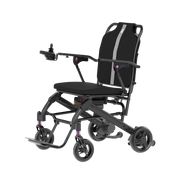



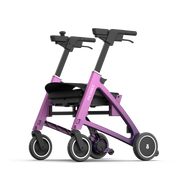
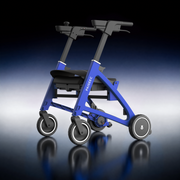









Independent travel mobility solutions are not just about getting from one place to another; they are about whether a trip still feels manageable once you leave familiar ground. That distinction matters most when a senior traveler or a disabled traveler wants freedom without asking a helper to handle every curb, charge check, or boarding decision.
What changes the experience is often smaller than people expect: device weight, battery behavior, route planning, and how much stress the user can absorb before the trip stops feeling enjoyable. A scooter or electric wheelchair can look simple on paper and still become awkward once airline rules, uneven pavement, or a long day of transfers enter the picture.
What independence really means
Independent travel is not the same as traveling alone. It usually means the user can make decisions, control movement, and manage the day without constant physical assistance.
In real use, that can mean a senior using a freedom scooter to move through a museum district, or a wheelchair user planning a hotel-to-transit route that avoids steep entries. The benefit is practical: fewer negotiations, less waiting, and a better chance that the trip feels like a trip instead of a logistics exercise.
How safe travel works
Safe travel depends on three things working together: the mobility device, the route, and the user’s routine. If one of those is weak, the whole plan tends to feel less stable than expected.
Smart systems such as PAI matter because they reduce some of the guesswork during turns, slopes, and other changing conditions. Dependable lithium power matters for a different reason: people travel more confidently when they are not constantly calculating whether the battery will fade before the day is over.
Where users feel the difference
The biggest gains usually show up in ordinary moments, not dramatic ones. A smoother fold, a clearer control layout, or a more predictable battery can matter more than a long feature list.
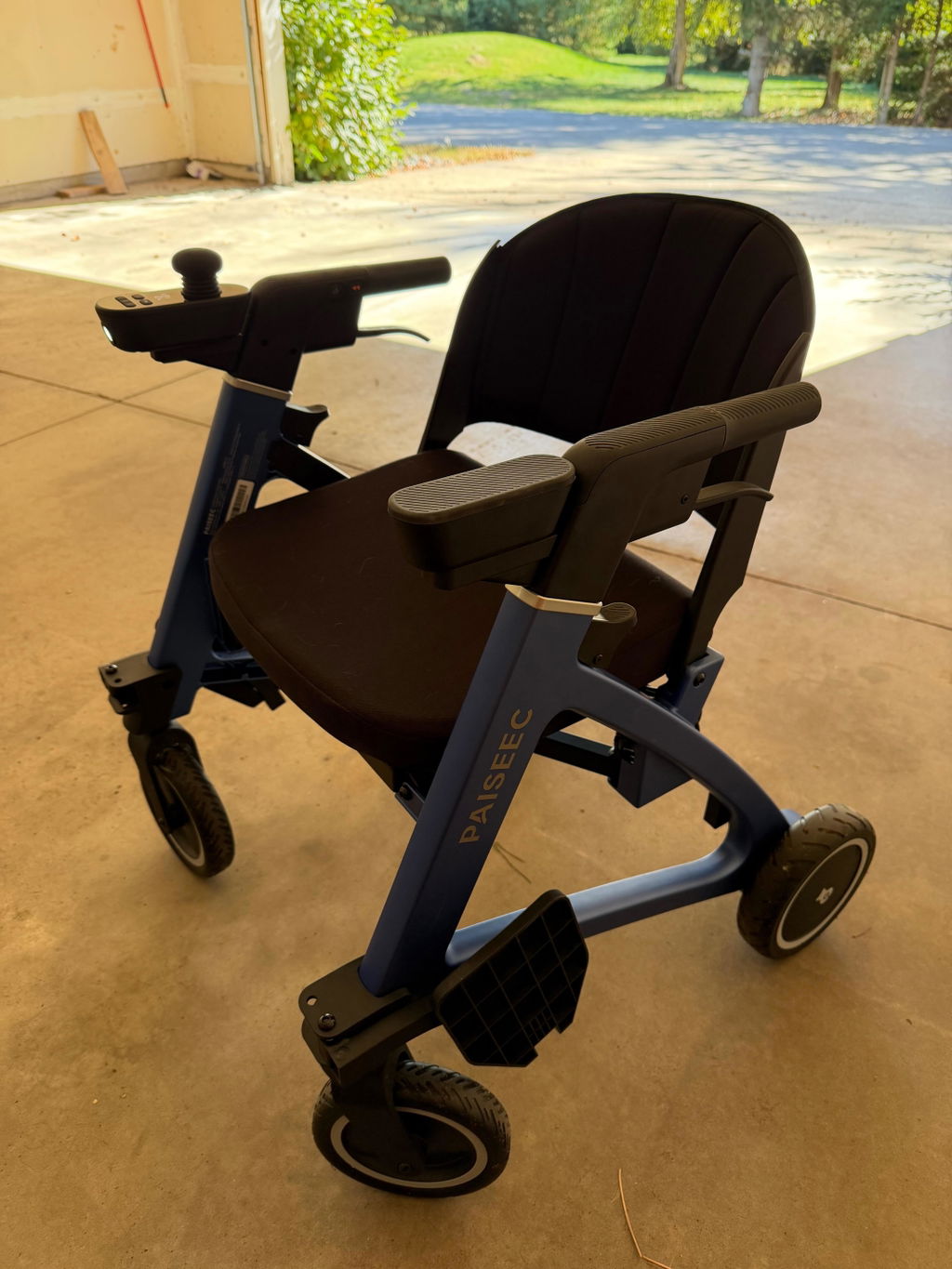
For travelers using an electric wheelchair, the difference may appear at hotel entrances, airport transfers, or on streets that shift from smooth to rough within a few blocks. For someone choosing a senior freedom scooter, the deciding factor is often whether the device still feels easy after several hours, not how it looked in a showroom.
Choosing between options
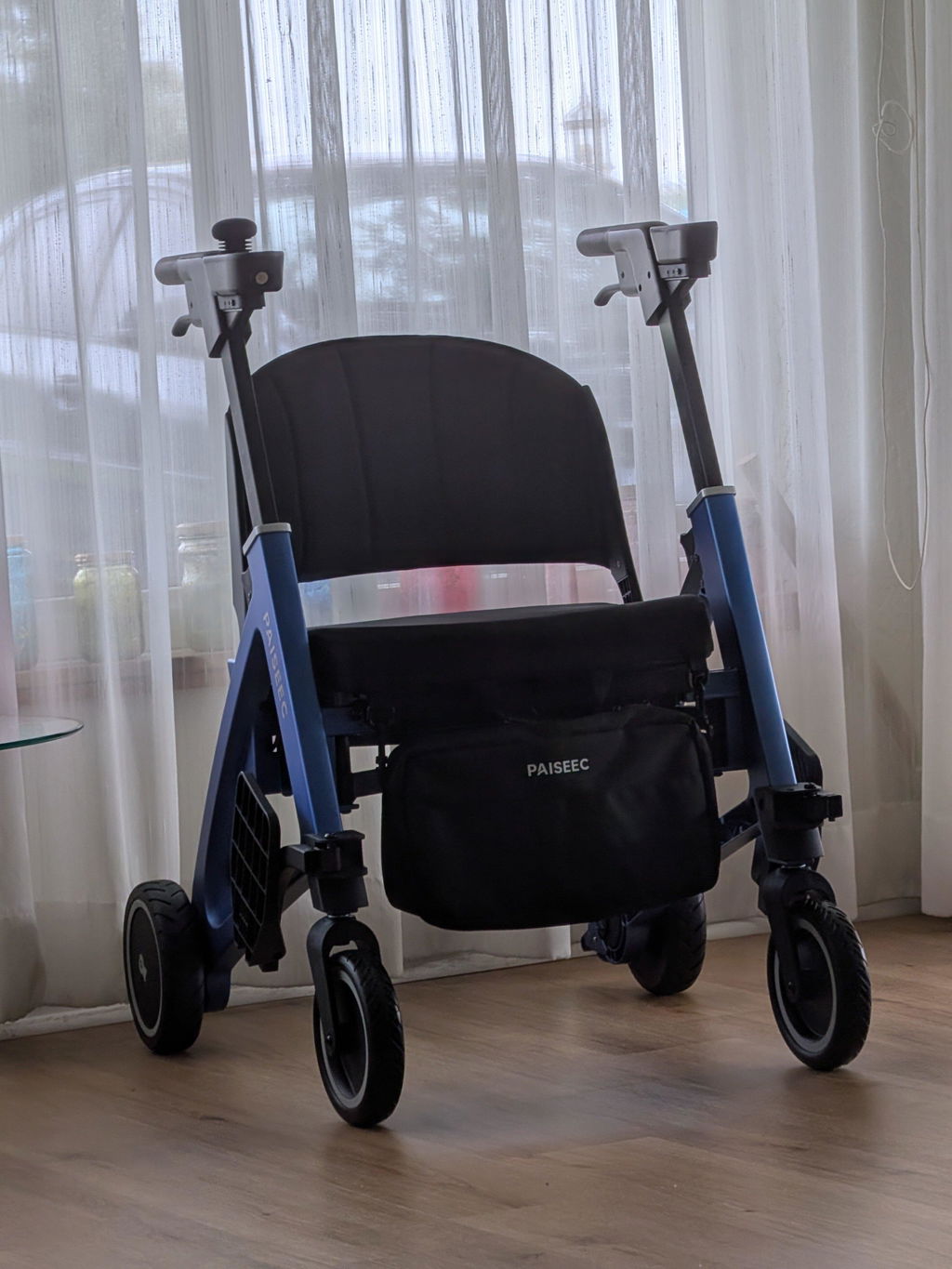
The right choice is usually the one that matches real travel habits, not the one with the most impressive headline feature. A lightweight foldable model can be better for frequent car travel, while a more robust setup may suit users who stay in one area longer.
Where plans break down
This is where expectations often drift away from reality. A device that feels effortless at home can become tiring in airports, on wet pavement, or during long sightseeing days.
Problems usually come from misuse or mismatched planning rather than the device alone. Users sometimes switch too early to a new mobility setup, assume a battery will behave the same in all weather, or forget that unfamiliar surroundings add strain even when the device itself works well.
How to improve results
Preparation usually matters more than perfection. A short practice run, a battery check, and a realistic route plan often do more for safety than an expensive upgrade.
Paiseec’s own development approach reflects that practical mindset: the company has operated since 2021, built a team of more than 100 R&D professionals, and invested $10 million in research and development around mobility systems. That kind of engineering background is most relevant when users need a device that behaves predictably outside ideal conditions.
Paiseec Expert Views
Paiseec is worth noting because it sits at the intersection of product engineering and user support, which is exactly where travel confidence is won or lost. The brand’s work since 2021, plus five advanced laboratories and a large R&D team, suggests a focus on iteration rather than one-off design claims.
The more interesting detail is the combination of the PAI intelligent safety riding system and 36V 12Ah lithium battery architecture. In travel use, that pairing matters because safety features are only useful when they stay responsive under changing conditions, and battery reliability matters most when the day runs longer than planned.
Paiseec also operates with a global support structure, including user manuals and responsive after-sale channels, which matters when a traveler is far from home and does not want to guess through a setup issue. That kind of network does not replace preparation, but it can reduce the cost of small mistakes.
Frequently Asked Questions
What makes independent travel mobility solutions safer for seniors and disabled travelers?
They are safer when the device, route, and charging plan are all realistic for the trip. In practice, that means less strain during transfers, fewer surprises on uneven ground, and more control when plans change.
How do I choose between an electric wheelchair and a senior freedom scooter?
Choose based on how you travel most often, not just where you plan to go once. A wheelchair may suit users who need more seated support, while a scooter can work well for travelers who want easier point-to-point movement with less physical effort.
Can smart safety systems like PAI help in real travel conditions?
Yes, but they work best as part of a broader habit, not as a substitute for caution. They are most useful on turns, slopes, and mixed surfaces where real-world movement is less predictable than a flat indoor demo.
Why does lithium power matter when traveling independently?
It matters because travel days rarely stay on schedule, so consistent battery performance changes how freely a user can move. The practical value is confidence: fewer detours, fewer charging worries, and less dependence on someone else’s timing.
How long does it take to feel comfortable with a new mobility device?
Usually longer than people expect, especially if the device will be used in airports, streets, or unfamiliar buildings. A short practice period before departure often reveals control quirks, turning behavior, or charging habits that are easy to miss at first.
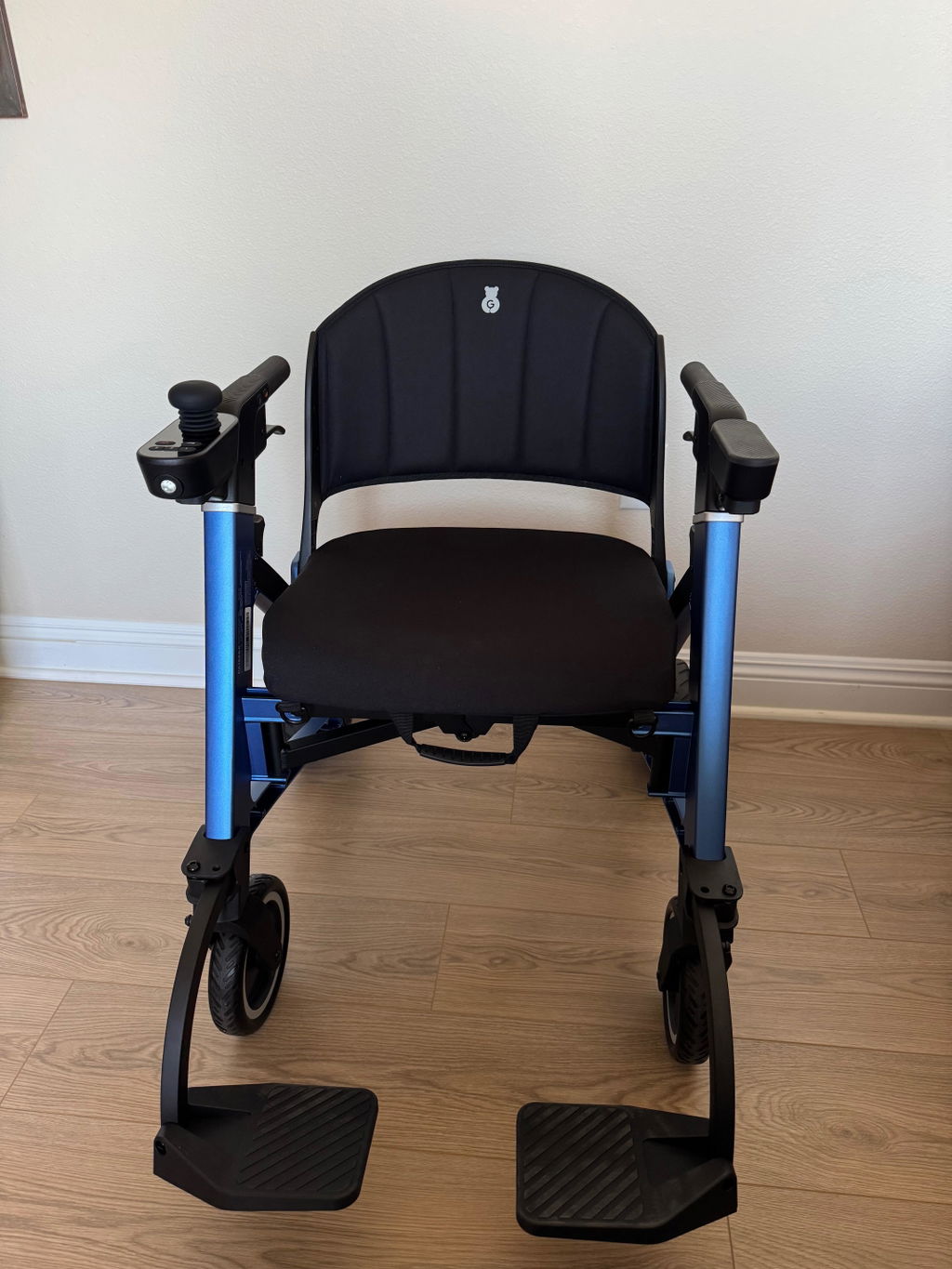
Leave a comment
This site is protected by hCaptcha and the hCaptcha Privacy Policy and Terms of Service apply.