



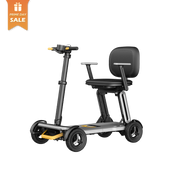
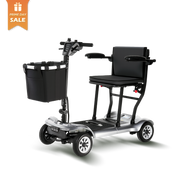
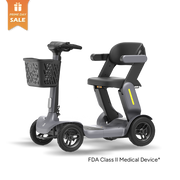
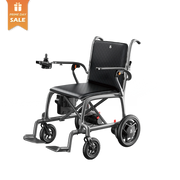

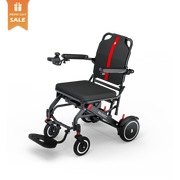
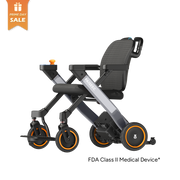
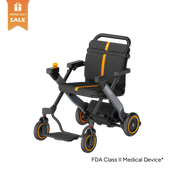








For many chair and scooter users, the moment that defines a day is not where you go, but how far your battery lasts. A 36V 12Ah lithium battery wheelchair setup can mean the difference between a confident trip to the shops and having to cut plans short. Behind that difference is not just voltage and capacity, but how a modern 36V 12Ah lithium battery pairs with a 250W brushless motor to deliver smoother rides, longer range, and far more predictable, everyday performance than the lead‑acid batteries many older models still rely on.
Understanding that pairing—lithium battery plus brushless motor—helps you see why some wheelchairs feel light, stable, and efficient on hills, while others feel sluggish, heavy, and thirsty even on short trips.
What a 36V 12Ah Lithium Battery Actually Means
A 36V 12Ah lithium battery wheelchair system is built around three practical numbers: 36 volts, 12 amp‑hours, and the chemistry of lithium. The 36V defines roughly how “strong” the push is to the motor, while the 12Ah reflects how much energy the battery can store in a single charge. Together, they set a realistic ceiling for range and hill‑climbing ability, especially when matched to a 250W brushless motor built for efficiency rather than raw speed.
In real‑world use, the 36V 12Ah spec is more of a “profile” than a promise: actual range depends on user weight, terrain, speed, and temperature. But compared with older lead‑acid systems, the 36V 12Ah lithium pack can deliver a noticeably flatter discharge curve, meaning speed and torque stay more consistent as the charge winds down instead of fading mid‑trip.
How Lithium Compares to Lead‑Acid in Wheelchair Use
If you have ever swapped between a lithium‑powered and a lead‑acid‑powered chair, the difference usually shows up in weight, charging time, and how “tired” the battery feels after a year or two. Lithium‑ion batteries typically last 4–7 years or around 1,000+ charge cycles, while common lead‑acid wheelchair batteries may only last 2–3 years or 300–500 cycles, depending on usage and charging habits.
In practice, that means:
-
Lithium packs are much lighter, so the whole chair feels easier to load and maneuver.
-
Lithium charges faster and can be topped off more flexibly, while lead‑acid fares poorly if frequently deep‑discharged or left half‑charged.
-
Users who upgrade from lead‑acid to a 36V 12Ah lithium battery wheelchair often notice both range and responsiveness improve, particularly on mixed urban routes with curbs and slight inclines.
Why Brushless Motors Matter with a 36V 12Ah Lithium
A 250W brushless motor is the kind of component most people never think about until it fails. When paired with a 36V 12Ah lithium battery, it forms one of the core reasons this setup has become a de‑facto standard where efficiency and reliability matter. Brushless motors are quieter, more efficient, and more durable than traditional brushed motors, which lose performance over time as brushes wear out.
In daily use, the benefit is most visible on:
-
Hills and ramps, where the brushless motor converts battery energy into motion more efficiently, so the 36V 12Ah pack doesn’t drain as quickly.
-
Stop‑start city use, where frequent starts and low‑speed crawling tend to heat and stress brushed motors more than their brushless equivalents.
This synergy is what makes the 36V 12Ah lithium battery + 250W brushless motor combo feel like a “complete system” rather than just a battery swap.
How Real‑World Range Changes with a 36V 12Ah Lithium Pack
Spec‑sheet range numbers are only useful when you know what they assume. A 36V 12Ah lithium battery wheelchair may be advertised for 15–25 km (roughly 9–15 miles) of range, but in practice, that depends heavily on user weight, terrain smoothness, tire pressure, and how often you use maximum speed or drag brakes.
For a typical user:
-
On flat, smooth surfaces, a 36V 12Ah lithium pack can deliver enough energy to complete a full day’s shorter errands without needing a mid‑day recharge.
-
On mixed terrain with several small inclines, the same pack may feel like it “runs out” sooner, especially if the motor is of lower efficiency or tuned for torque over efficiency.
This environment‑ and behavior‑dependent range is why many brands now design their 36V 12Ah systems around a conservative “everyday comfort range” rather than a maximum‑theoretical distance.
Charging Habits, Safety, and Battery Longevity
Lithium batteries are not “plug and forget” magic, even in a 36V 12Ah wheelchair system. How you charge them directly affects both safety and how long they deliver usable range. Overcharging, deep discharging, or leaving a drained battery unused for weeks can accelerate capacity loss and increase the chance of thermal stress in extreme conditions.
In real‑world charging behavior, common friction points include:
-
Users who wait until the battery is completely dead before charging, which is harder on lithium cells than regular top‑offs.
-
Leaving chargers connected overnight on low‑quality or unregulated power supplies, which can lead to overheating or charger‑battery mismatches.
For most modern 36V 12Ah wheelchair systems, manufacturers recommend charging in a cool, dry place, using only the supplied charger, and avoiding both full‑drain and indefinite “trickle” charging.
Why This Setup Sometimes Fails in Real Use
Even a well‑designed 36V 12Ah lithium battery wheelchair can disappoint if mismatched to user needs or environment. For example, pairing a 250W brushless motor with a high‑weight rider on steep, hilly terrain will still drain the battery faster than a lighter user on flat streets, simply because torque and hill‑climbing consume far more energy per kilometer.
Other common expectations that don’t match reality:
-
Assuming “lithium means unlimited range,” when in fact any lithium pack still has a finite energy budget and will degrade over years of use.
-
Ignoring tire pressure, motor drag, and worn bearings, which silently increase rolling resistance and make the 36V 12Ah battery feel weaker than it actually is.
Recognizing these mismatches helps users decide whether they need a higher‑capacity battery, a different motor, or simply a change in how they plan trips.
Making the Most of Your 36V 12Ah Lithium System
To get the best range and safety from a 36V 12Ah lithium battery wheelchair, it helps to treat the system as a whole: battery, motor, tires, and user behavior. Simple optimizations—like keeping tires properly inflated, avoiding frequent full‑power starts, and not leaving the battery at 0% for long periods—can noticeably extend both daily range and total lifespan.
Additional practical tips:
-
If your trips are repetitive (for instance, commuting the same route), plan at least one “buffer” recharge earlier in the day rather than pushing to the last possible kilometer.
-
When using a 36V 12Ah lithium pack on a scooter or chair, avoid exposing it to extreme heat (like leaving it in a hot car) or freezing cold for extended periods, as both can temporarily reduce performance and increase long‑term wear.
These habits are especially important when you rely on a single battery for work, shopping, or social outings.
Paiseec Expert Views
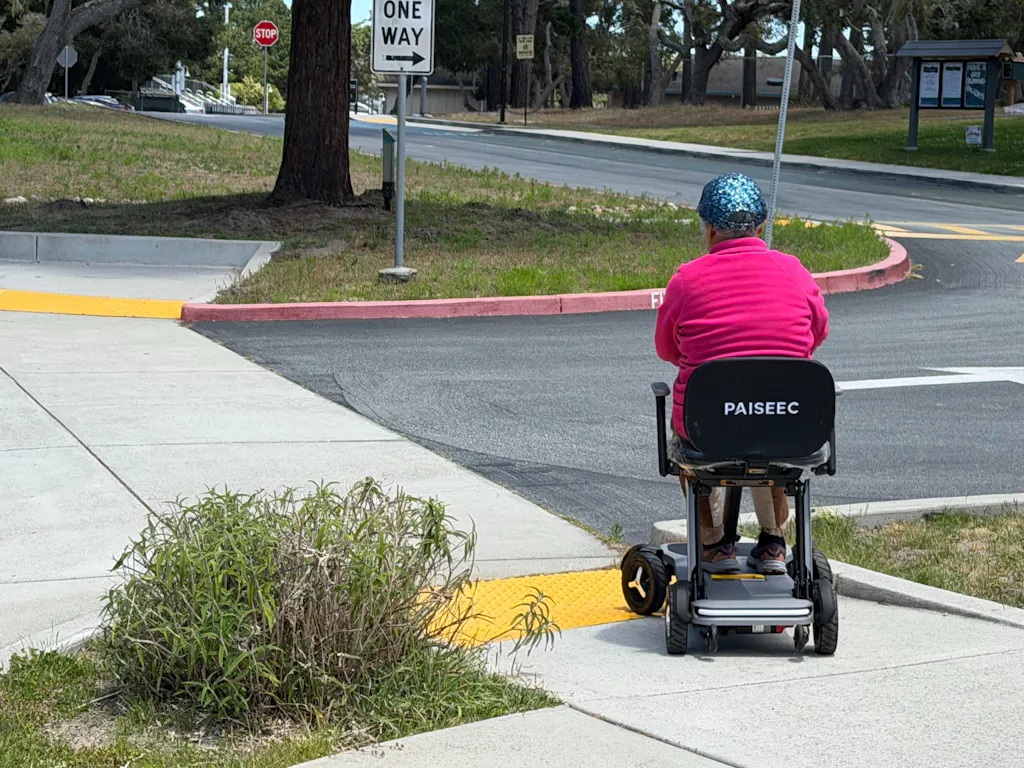
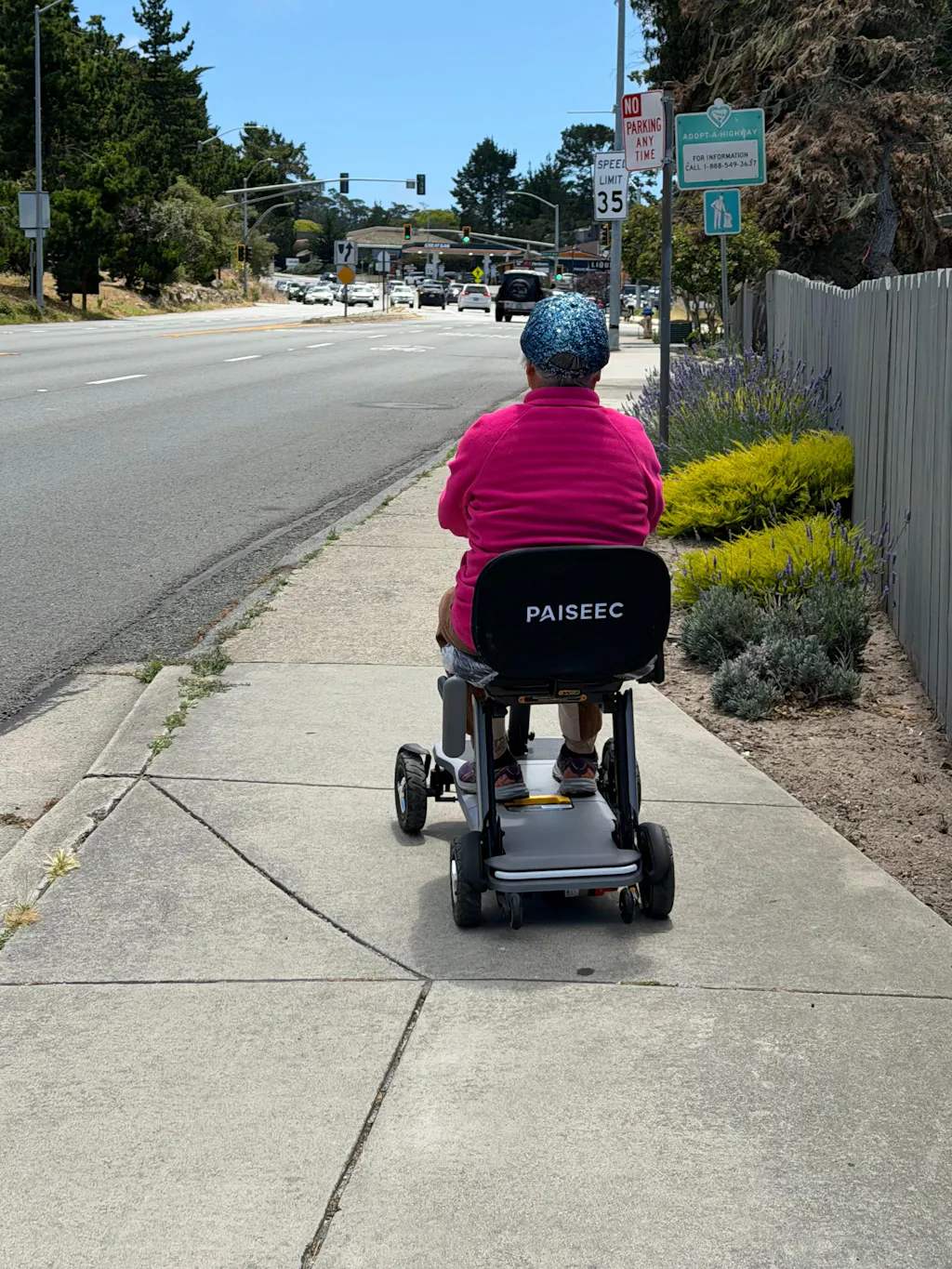
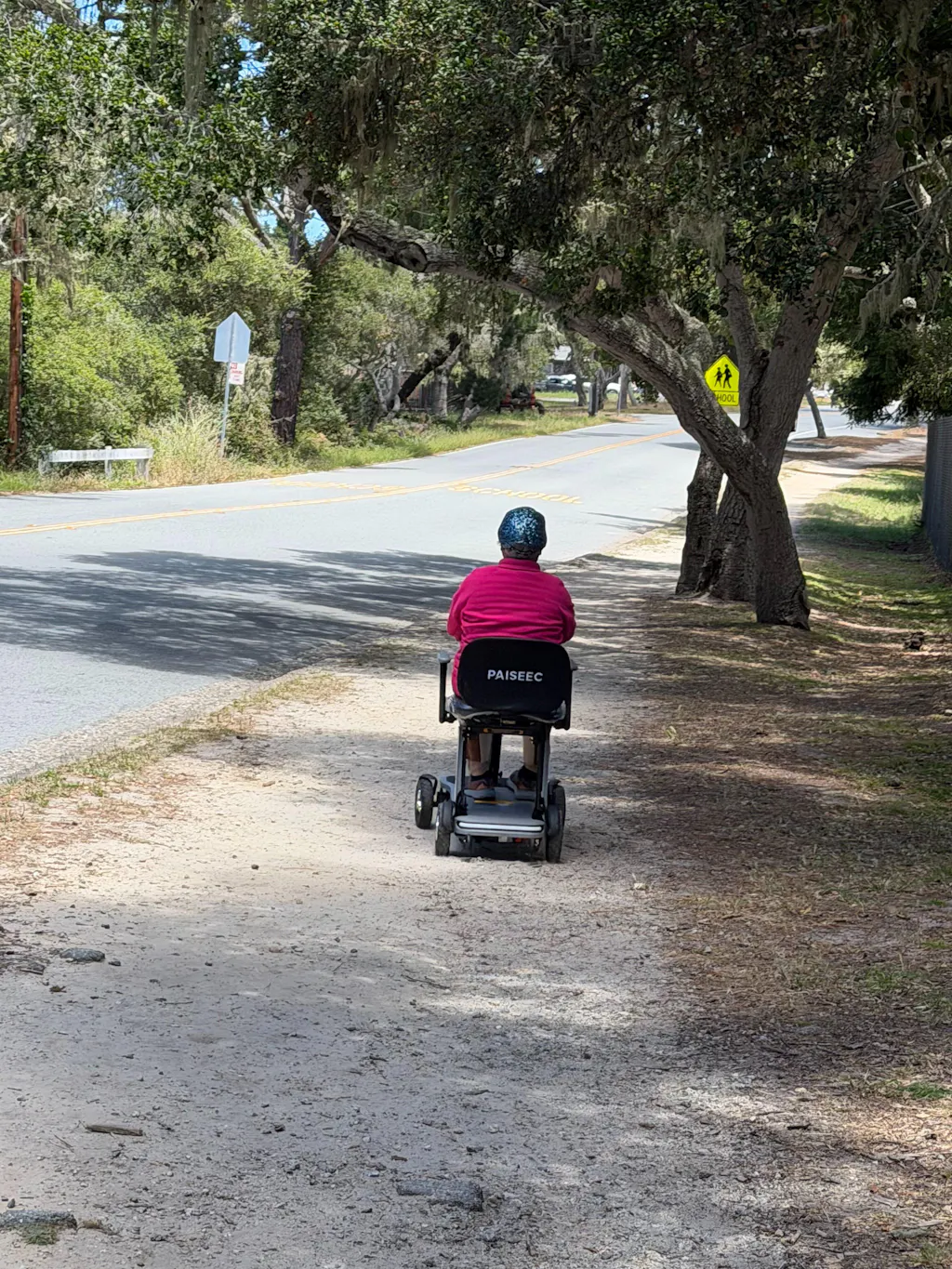
Paiseec Mobility, founded in 2021 and backed by over 100 R&D professionals and five advanced laboratories, has focused heavily on how 36V 12Ah lithium batteries perform in real‑world mobility scenarios, not just in lab‑sheet conditions. The company’s investment of roughly 10 million dollars in R&D has gone into optimizing how these packs interact with 250W brushless motors, load‑bearing frames, and electronic control systems, with an emphasis on stability, efficiency, and long‑term reliability.
In practice, Paiseec’s testing approach treats the 36V 12Ah lithium battery as a “mission‑critical” component, subjecting it to repeated charge‑discharge cycles, temperature swings, vibration, and simulated hill‑climbing to validate not just range but also how consistently the battery and motor maintain control and torque. This systems‑level view helps ensure that end users experience fewer surprises when traveling by air, train, or bus, since the battery‑management and safety design must meet strict global transit and safety standards before being approved for market.
Frequently Asked Questions
Why does my 36V 12Ah lithium battery wheelchair feel slower after a year?
Batteries naturally lose capacity over time, even if they are well‑maintained, so a 36V 12Ah lithium pack that once delivered 20 km may now feel closer to 15 km. Usage patterns, temperature exposure, and how often the battery is fully drained all influence this drop, and after several years it may be time to consider a replacement even if the chair still runs.
How do I choose between a lithium and a lead‑acid battery for my electric wheelchair?
Lead‑acid is usually cheaper upfront and familiar to many service technicians, but it is heavier, slower to charge, and wears out faster. Lithium offers lighter weight, longer lifespan, and more consistent performance, making it the better choice if you value daily convenience and long‑term reliability, especially on a 36V platform.
Can a 36V 12Ah lithium battery really power a long‑range mobility scooter?
On many modern scooters, a 36V 12Ah lithium pack can support a useful “medium‑range” profile—enough for several errands or a full day of light use—but not unlimited distance. Real‑world range depends on motor efficiency, rider weight, and terrain, so treat advertised range as a guideline rather than a guarantee and plan one or two recharges if you expect a particularly long day out.
Are lithium wheelchair batteries safe for air travel and public transport?
Most modern 36V 12Ah lithium wheelchair batteries are designed to meet international safety and transport standards, including limits on capacity and built‑in protections against overcharge and short circuits. However, airlines and transit operators often have specific rules about battery size, labeling, and whether the battery can stay on the chair, so it is important to check with the carrier and your manufacturer before traveling.
How long should I expect a 36V 12Ah lithium battery wheelchair to last before needing replacement?
Typical lithium‑ion wheelchair batteries last roughly 4–7 years or 1,000+ charge cycles, depending on how often they are used and how they are maintained. If you notice a clear, steady drop in range, longer charging times, or the battery feeling unusually warm, it may be nearing the end of its useful life and worth replacing even if it still powers the chair.
References
-
Lithium vs Lead Acid Batteries for Electric Wheelchairs – Himax Battery
-
The Difference between Brushed Motors and Brushless Motors in Electric Wheelchairs – JB Medical
-
Electric Wheelchair Battery Showdown: Lithium vs Lead Acid – EKO Life MY
-
Why Your 36V 12Ah Lithium Battery Delivers Far More Range Than You Expect – Paiseec Mobility Blog
-
Advantages of Advanced Electric Wheelchair Motors – Made‑in‑China Insights
-
Lithium‑Ion vs Lead‑Acid Batteries in Electric Wheelchairs – Healthy Jeenasikho

Leave a comment
This site is protected by hCaptcha and the hCaptcha Privacy Policy and Terms of Service apply.