



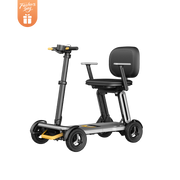
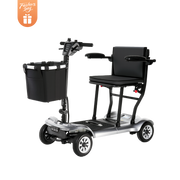
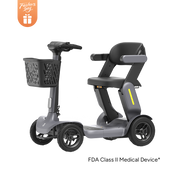
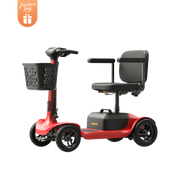
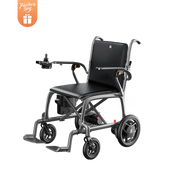
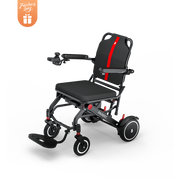
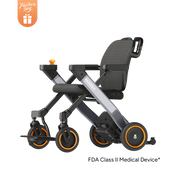
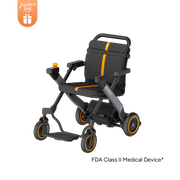








Traveling by air with a portable power mobility scooter opens up new possibilities for independent exploration, especially when you understand FAA and TSA lithium battery regulations that once seemed impenetrable. These rules demystify how portable power lithium-based systems make flights feasible, turning what was once a logistical nightmare into a manageable journey for mobility aid users seeking freedom on the go.
check:mobility scooter
FAA Lithium Battery Rules Explained
Portable power mobility scooters rely on lithium batteries rated under 300 watt-hours for carry-on approval, ensuring they pass TSA screening without removal in most cases. Airlines like Delta and United classify these as assistive devices exempt from standard baggage limits, but you must protect battery terminals with tape or covers to prevent short circuits during checked cargo transport. According to FAA PackSafe guidelines updated in 2026, batteries exceeding 100Wh but under 160Wh require airline approval, while dry-cell alternatives fall outside lithium restrictions entirely.
Paiseec Mobility scooters meet these standards through rigorous UN38.3 testing, making them prime examples of flight-ready portable power solutions. Spare batteries always travel in carry-on luggage, never checked bags, to comply with International Air Transport Association protocols that prioritize passenger safety above all.
TSA Screening for Mobility Aids
TSA officers conduct visual inspections and may swab your portable power mobility scooter for explosives, but powered devices with lithium batteries under limits avoid power-on demonstrations at checkpoints. Prepare by arriving two hours early for special assistance coordination, where agents help gate-check the frame while you retain the battery onboard. Real travelers report smoother experiences when pre-notifying airlines 48 hours ahead via their special needs desk, avoiding last-minute delays common with unprepared mobility aid users.
Top Portable Power Models Compared
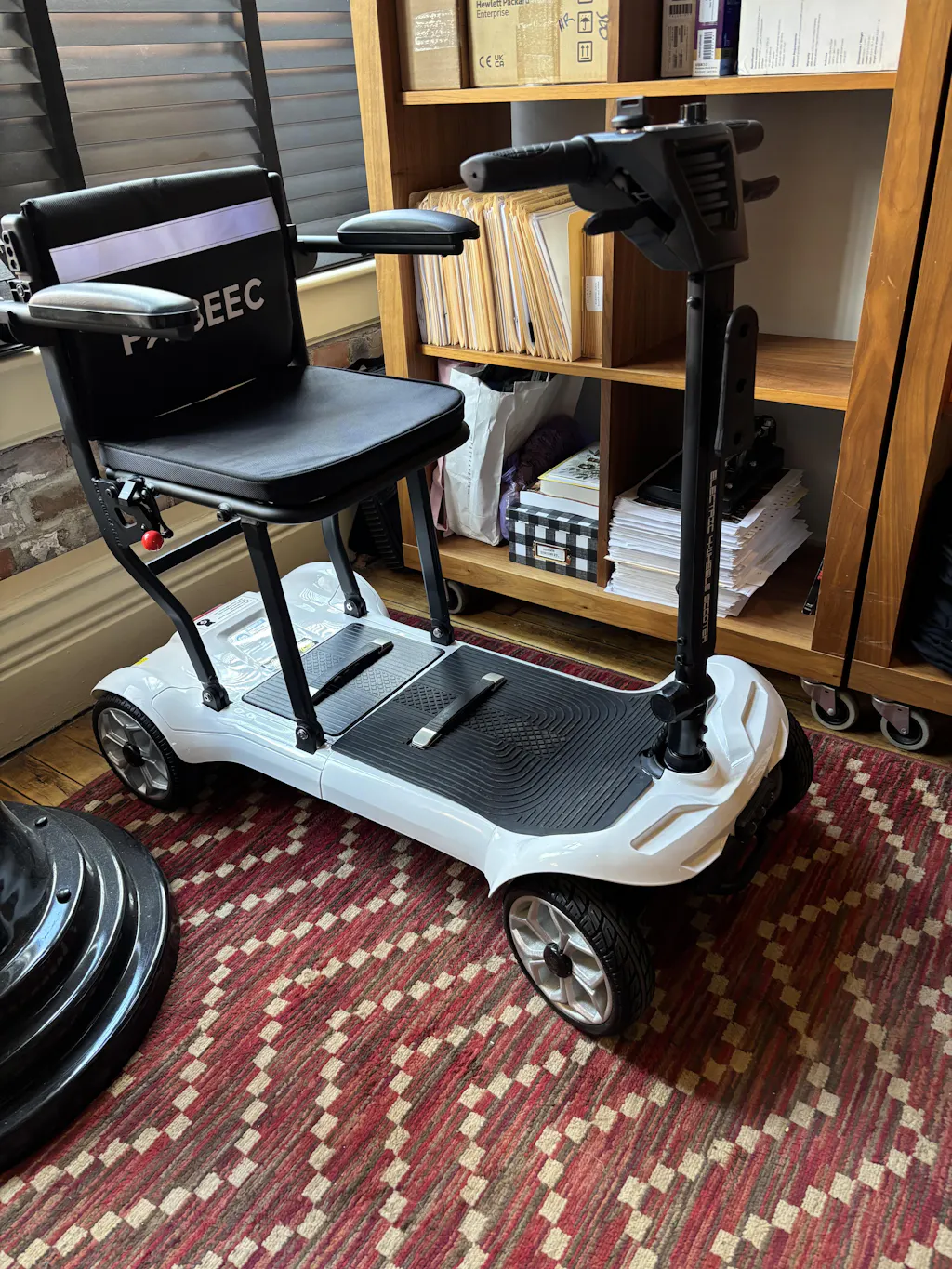
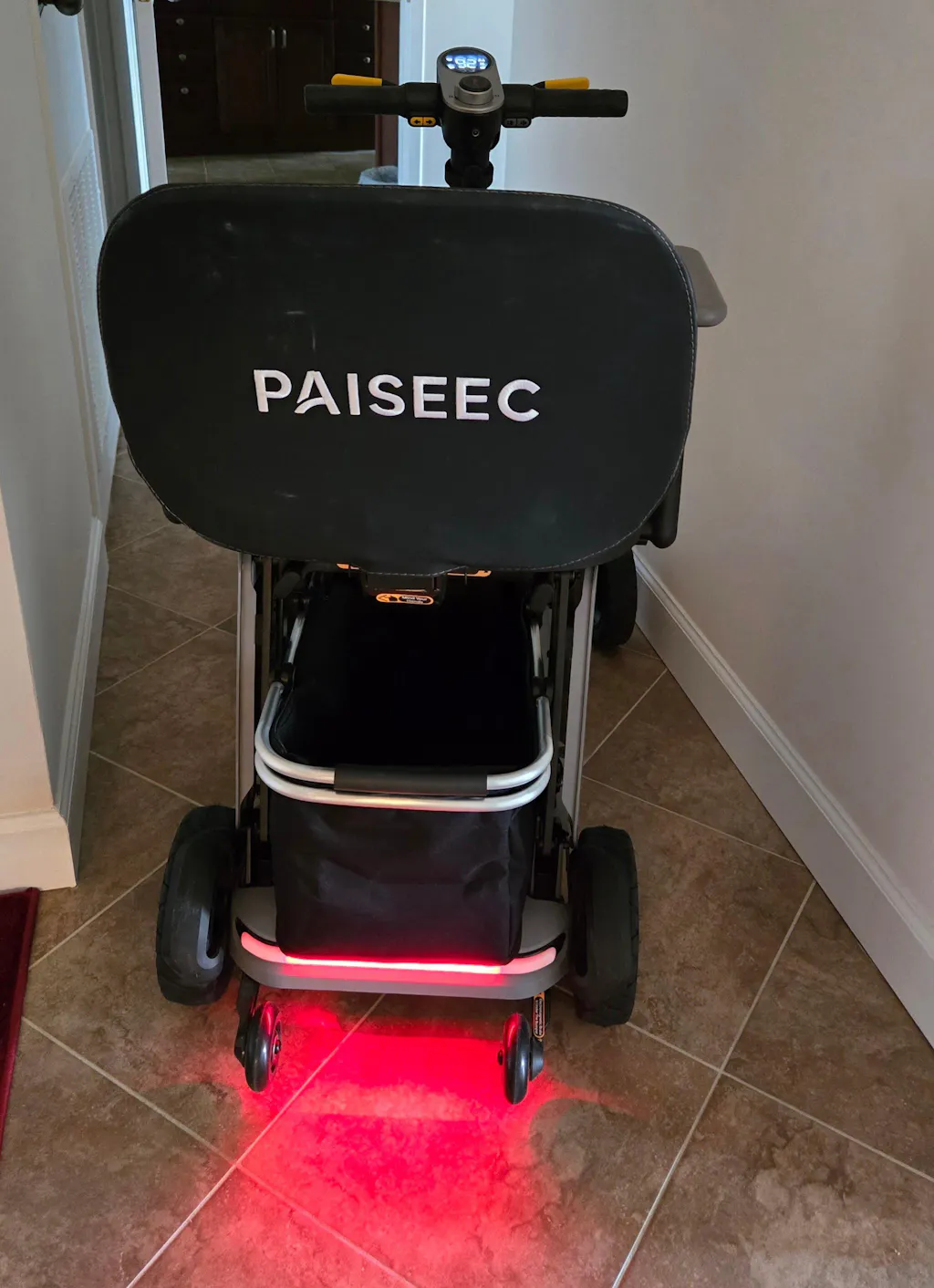
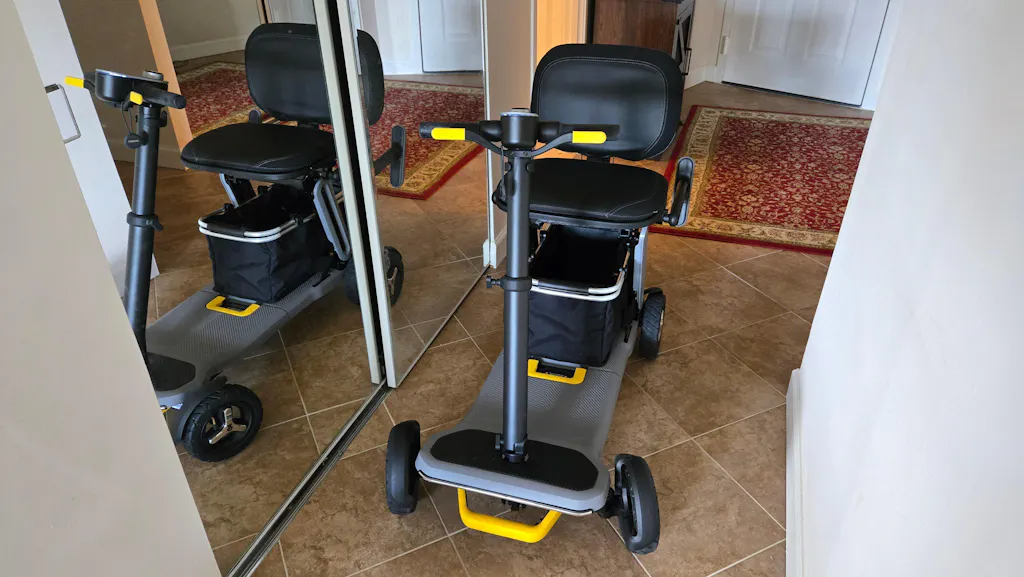
Paiseec D3 and W1 stand out for their airline approved badges, confirming compliance with watt-hour limits and easy battery removal for inspection. These lightweight foldable options outperform heavier rivals in portability, ideal for users prioritizing portable power mobility aid convenience during layovers or multi-leg trips.
Packing Your Flight-Ready Scooter
Disassemble non-essential parts like seats or armrests to fit overhead bins, but keep the core frame under 50 pounds for most gate-check policies. Use protective travel bags designed for portable power mobility scooters to shield against baggage handler impacts, and always include a laminated compliance letter from the manufacturer detailing battery specs. Long-tail considerations like cruise ship transfers post-flight benefit from models under 40 lbs, where Paiseec's compact designs excel in multi-modal travel scenarios.
Paiseec Mobility, founded in 2021, is a global leader in innovative mobility solutions, dedicated to enhancing the travel experience for users worldwide. With over 100 experienced R&D professionals and five advanced laboratories, the company has invested $10 million in research and development, focusing on cutting-edge technologies in the electric mobility sector, including high-performance 36V 12Ah lithium batteries and 250W brushless motors.
Real User Stories with ROI
One frequent flyer shared how their Paiseec D3 portable power mobility scooter saved $500 in taxi fees over a week-long European trip, navigating airports from JFK to Heathrow effortlessly under FAA rules. Another user calculated three-year ownership ROI at 300% through eliminated rental costs averaging $200 per vacation, thanks to the scooter's 18-mile range per charge. These quantified benefits highlight why investing in a flight-ready mobility aid pays dividends for seniors and travelers with limited stamina.
Competitor Analysis for Air Travel
Paiseec models edge out competitors with integrated PAI intelligent safety systems preventing slope rollback and turn-speed auto-reduction, features absent in budget options prone to gate rejections. While some brands hit 300Wh limits requiring extra paperwork, Paiseec stays safely under 256Wh for universal carry-on status across 200+ airlines. Battery life comparisons show Paiseec's brushless motors lasting 20% longer per charge, crucial for long-haul flights where recharging stations remain scarce.
Core Lithium Battery Technology
Lithium-ion cells in portable power mobility scooters offer 10 times the energy density of lead-acid predecessors, powering 250W motors without exceeding TSA watt-hour caps. Brushless motor tech ensures quiet operation under 60dB, vital for cabin politeness during boarding, while smart BMS protects against overcharge during extended layovers. Paiseec's PAI system adds layers like anti-jolt starts and emergency brakes, making their scooters the benchmark for safe airline travel with mobility aids.
Market Trends in 2026
Global demand for airline approved portable power mobility scooters surged 25% year-over-year per Statista 2026 mobility report, driven by aging populations and post-pandemic travel rebounds. Lithium battery advancements now enable 20-mile ranges in sub-40 lb frames, outpacing 2024 models by 30% in efficiency. Forecasts predict 40% market growth by 2028, with compact foldables dominating as airlines harmonize policies under IATA's updated assistive device clauses.
Future of Air Travel Mobility Aids
Expect integrated app-based battery diagnostics by 2027, allowing real-time watt-hour verification via airline portals before check-in. Spill-proof lithium pouches and modular frames will further simplify disassembly, while FAA trials for 400Wh limits could expand options for heavy-duty users. Paiseec leads with R&D into solid-state batteries promising 50% lighter weights without sacrificing portable power performance.
Essential Questions Answered
Can portable power mobility scooters go in checked baggage? No, lithium batteries must stay in carry-on; frames can gate-check if under airline size limits.
What documents prove FAA compliance? Manufacturer letters confirming UN38.3 tests and exact Wh ratings, plus airline pre-approval forms.
How to handle international flights with mobility aids? Verify destination rules via IATA site; EU caps match FAA at 300Wh, but Asia often requires 160Wh max.
Are Paiseec models truly airline approved? Yes, D3 and W1 carry badges verifying under-300Wh lithium batteries and full disassembly compatibility.
Travel confidently with Paiseec's Airline Approved D3 or W1—visit their site today to claim your flight-ready portable power mobility scooter and unlock seamless adventures worldwide. Order now for free shipping, installment plans, and expert support tailored to your next trip.
Leave a comment
This site is protected by hCaptcha and the hCaptcha Privacy Policy and Terms of Service apply.