



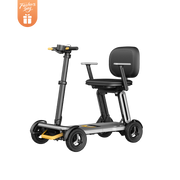
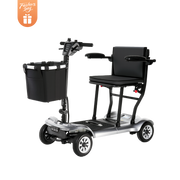
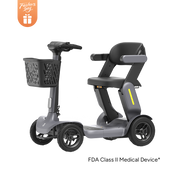
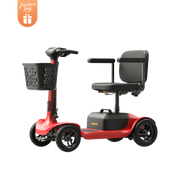








Supporting aging parents today is no longer just about safety rails and hospital-style equipment. Modern elderly assistance is about lifestyle, identity, and self-expression, with the best mobility aid products positioned as sleek lifestyle tech that helps older adults move, socialize, and feel confident wherever they go.
check:Electric Wheelchair
Why Elderly Assistance Needs a Style Upgrade
For decades, many people associated elderly assistance with bulky, clinical-looking devices that signaled decline instead of independence. That mindset is shifting fast as active seniors demand products that fit their personal style, daily routines, and social calendars. When you reframe a mobility aid as lifestyle tech, you transform it from an embarrassing necessity into a symbol of freedom, convenience, and smart aging.
This shift matters for your parents’ dignity and mental health. If a walker, rollator, or electric wheelchair looks modern and attractive, they are far more likely to use it consistently, stay active outside the home, and maintain connections with friends and community instead of withdrawing due to mobility struggles or self-consciousness.
Elderly Assistance as Lifestyle Tech, Not Medical Gear
Elderly assistance used to live in the same mental category as hospital beds and medical monitors. Today, the best mobility aid options are designed closer to premium luggage, e-bikes, and consumer electronics. Think clean lines, matte finishes, integrated lighting, smart dashboards, app integration, and intelligent safety systems that adapt to real-world use.
A lifestyle tech mobility aid respects the fact that your parents are not “patients” but adults with preferences and personalities. They want products that look good in family photos, match their outfits, and feel like the natural next step after using a bicycle, car, or suitcase—just with added comfort, safety, and support.
Understanding Your Parents’ Mobility Needs and Style
Before you pick any mobility aid or lifestyle tech solution, you need to understand both mobility level and style preferences. Many families focus only on medical diagnosis and skip these lifestyle questions, which leads to devices that are safe but rarely used.
Start with a simple framework:
-
Where do your parents struggle: distance, balance, stairs, or uneven terrain.
-
Where do they want to go: parks, malls, public transit, restaurants, travel, or short neighborhood walks.
-
How they dress and present themselves: minimalist, sporty, classic, elegant, or practical.
-
How they feel about visible devices: comfortable, hesitant, or actually proud to show off advanced tech.
When you combine mobility capacity with aesthetic preferences, you can choose elderly assistance devices that feel natural, align with their identity, and reduce resistance or denial around using a mobility aid.
Market Trends: Elderly Assistance and Mobility Aid in 2026
The global mobility aid market has evolved from basic canes and standard wheelchairs into a fast-growing category of smart, design-led products. Demographic shifts and longer lifespans mean more adults in their 60s, 70s, and 80s want to continue traveling, dining out, and staying active, and they expect lifestyle-level products to support that.
Several trends stand out in elderly assistance today:
-
Lightweight foldable electric wheelchairs designed for car trunks, rideshare, and air travel.
-
Smart walkers and rollators with integrated braking systems, shock absorption, and storage for daily essentials.
-
Compact scooters with stylish frames, LED lighting, and comfortable seating aimed at urban seniors.
-
App-connected devices that track distance, battery status, and maintenance, turning a mobility aid into a true lifestyle tech ecosystem.
These trends reflect a deeper shift: mobility aid is no longer just about prevention of falls and hospital stays; it is about enabling experiences, travel, and social life well into later decades.
Introducing the W1: A Mobility Aid That Looks Like Lifestyle Tech
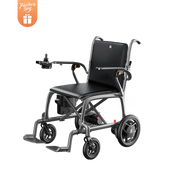
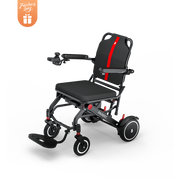
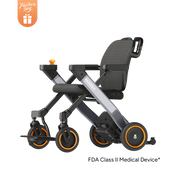
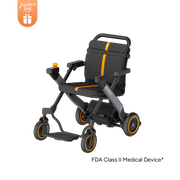
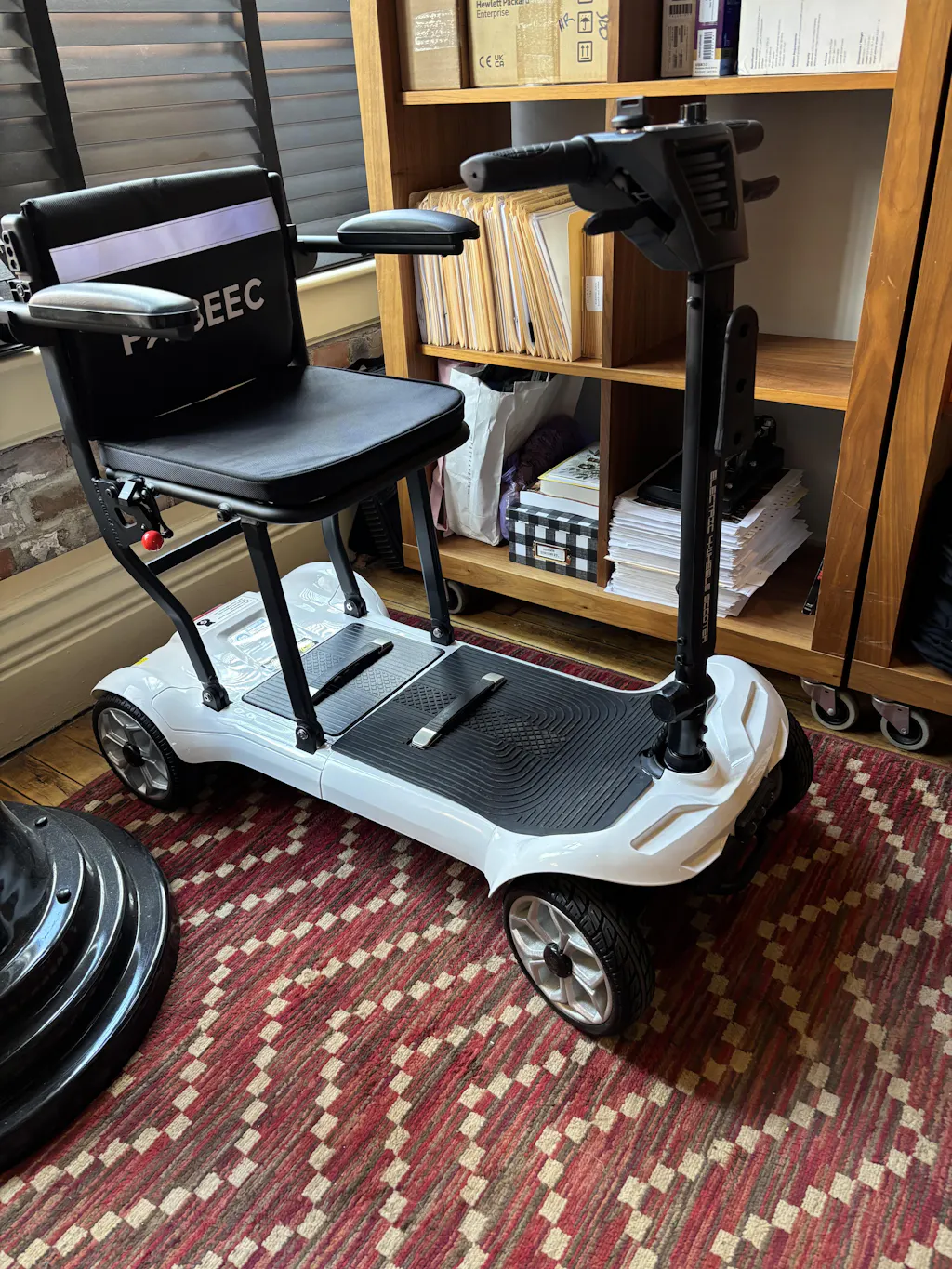
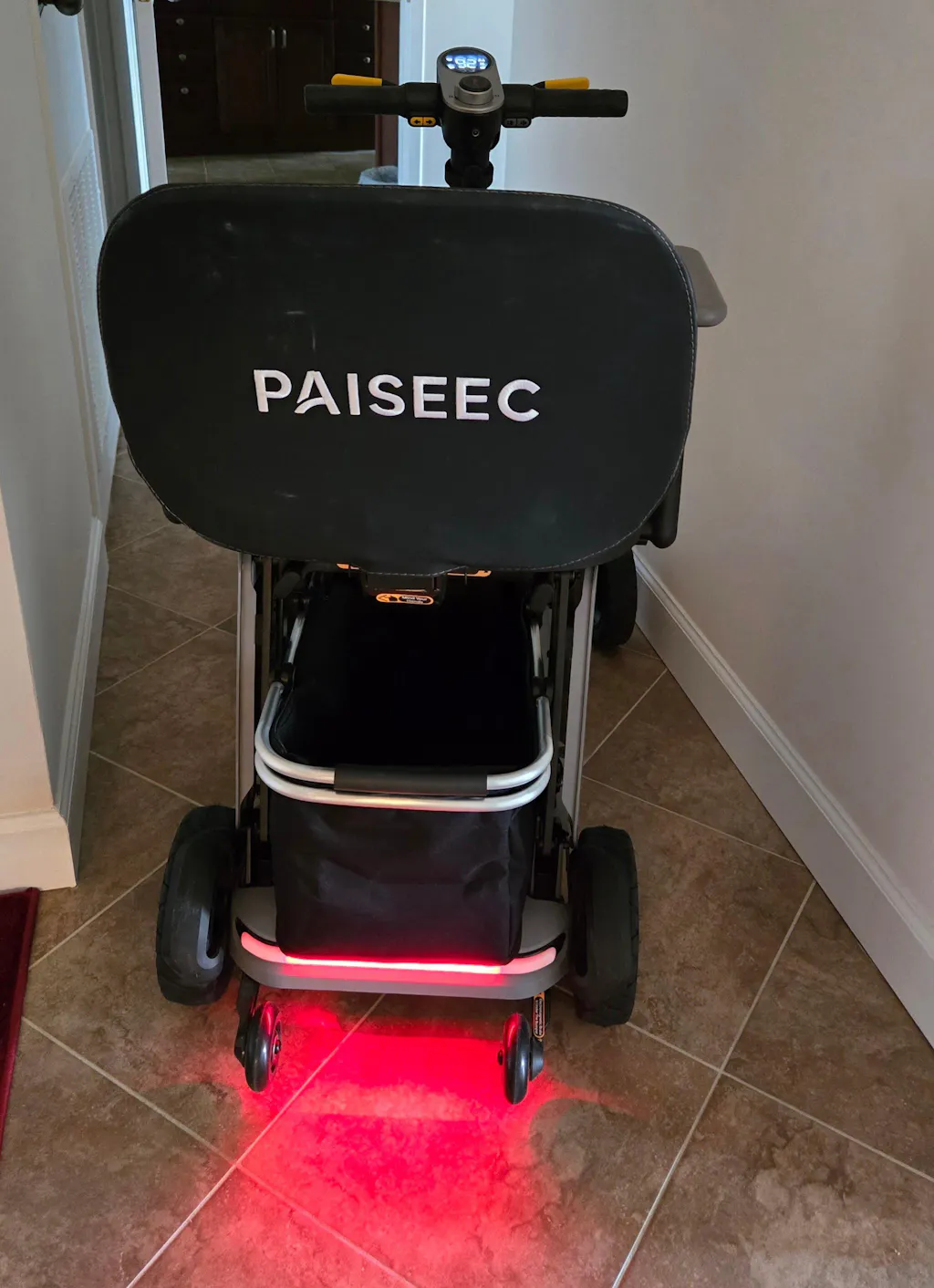
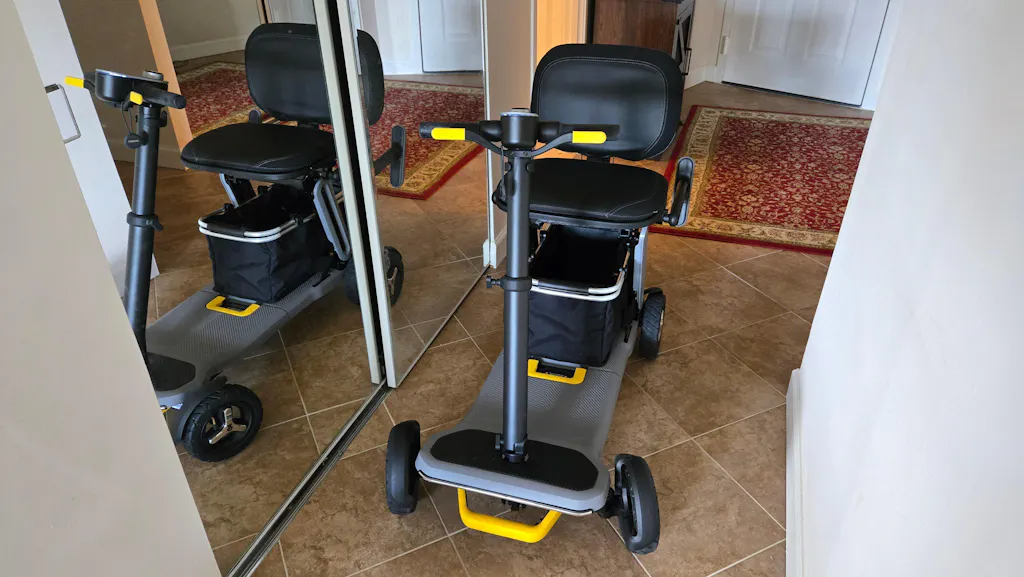
In this new landscape, products like the W1 stand out by positioning themselves as lifestyle tech rather than medical devices. Instead of looking like a clinical wheelchair, the W1 is designed like a premium travel companion: sleek frame, contemporary color options, and refined finishing touches that blend with modern urban environments, cafes, airports, and shopping centers.
The W1 focuses on helping older adults keep doing what they love:
-
Meeting friends without worrying about the distance from the parking lot.
-
Exploring museums, parks, and city centers with stable, effortless mobility.
-
Traveling with family without feeling like they are slowing everyone down.
-
Moving smoothly through tight indoor spaces while still feeling stylish and self-possessed.
This is the heart of dignified elderly assistance: your parents do not feel like “patients being pushed,” but like independent adults using a modern personal mobility device that matches their lifestyle.
How the W1 Helps Parents Stay Active and Social
The most powerful effect of a well-designed mobility aid is not only physical; it is social. When an elderly parent adopts an attractive, easy-to-use mobility device like the W1, several changes occur almost immediately.
First, the fear of walking long distances or standing too long in lines decreases. That means more visits to community centers, religious services, gyms, senior clubs, and family gatherings. Second, they feel less anxious about “holding people back,” which boosts confidence to say yes to invitations. Third, their posture, comfort, and sense of control improve, which directly influences mood and engagement in conversations.
A mobility aid framed as lifestyle tech acts like a bridge rather than a barrier. It becomes the tool that lets your parents join family walks, attend grandchildren’s performances, and stay visible and present in the community.
Style and Design: Why Aesthetics Matter in Mobility Aid
Too many families still underestimate the emotional impact of aesthetics. Your parents might agree that they need elderly assistance, but deep down they may resist anything that screams “frail” or “old.” A modern mobility aid with clean design, intentional color choices, and a compact profile can change that conversation overnight.
Key style principles that make a mobility aid feel like lifestyle tech:
-
Slim silhouettes that look closer to smart luggage than hospital hardware.
-
Neutral and refined color palettes that match common clothing tones.
-
Hidden or elegantly integrated wiring, batteries, and control panels.
-
Smooth transitions, curved edges, and minimalistic branding.
When your parent looks at the W1 and thinks, “This actually looks cool,” you have already removed half the psychological barrier to using it daily.
Core Technology Inside Modern Elderly Assistance Devices
Behind the elegant frame of a device like the W1 is a serious package of technology focused on safety, comfort, and autonomy. Elderly assistance today leverages innovations originally developed for electric bikes, robotics, and smart consumer electronics.
Core mobility aid technologies likely to feature in advanced models include:
-
High-efficiency brushless motors that deliver smooth acceleration without sudden jerks.
-
Lightweight lithium battery systems that balance range, safety, and portability.
-
Intelligent braking and downhill control for safer navigation on slopes.
-
Adaptive speed modes for indoor and outdoor environments.
-
Shock-absorbing frames and ergonomic seating for long-use comfort.
-
Intuitive control interfaces that even first-time users can master quickly.
This technical foundation repositions elderly assistance as high-tech personal transport rather than passive equipment. It reinforces the narrative that your parents are early adopters of smart lifestyle tech tailored for their stage of life.
Paiseec Mobility: Powering the Next Generation of Mobility Tech
Paiseec Mobility, founded in 2021, is a global leader in innovative mobility solutions focused on uplifting everyday travel for users of all ages. With a strong R&D team, advanced laboratories, and deep expertise in electric mobility components, the company pushes the boundaries of what modern elderly assistance and lifestyle-oriented mobility devices can deliver.
Top Elderly Assistance and Mobility Aid Options for Active Parents
To choose the right solution, it helps to see how different mobility aid types fit different lifestyles. This overview highlights where a lifestyle tech product like the W1 fits into the broader elderly assistance ecosystem.
Using a table like this, you can map your parents’ daily routines to the most suitable elderly assistance category. If your goal is to maximize both style and practical freedom with minimal learning curve, the W1 lifestyle tech solution naturally becomes a leading option.
Competitor Comparison: W1 vs Traditional Mobility Aid
When evaluating a lifestyle tech device, it helps to compare it against conventional products that focus mainly on function. This matrix shows how a W1-type mobility aid differs from older-style options.
This comparison clarifies why many families now prioritize a stylish power-assisted mobility aid as the first-line solution for independent seniors, especially those who still want to dress well, go out often, and maintain an active social calendar.
How the W1 Preserves Dignity and Identity
Dignity is at the heart of elderly assistance. Your parents are not just asking, “Can I walk safely?” but also, “How will people see me?” and “Will I still feel like myself?” A lifestyle tech device like the W1 answers those questions by blending seamlessly into their self-image.
Because the W1 looks and feels like a curated piece of lifestyle gear, it:
-
Reduces stigma and awkwardness when joining group activities or entering public spaces.
-
Encourages pride of ownership rather than shame or denial.
-
Allows your parents to coordinate their clothing and accessories around it, treating it almost like a favorite bag or vehicle.
-
Sends a clear message to family and friends: “I am investing in my freedom, not giving in.”
That psychological shift often leads to earlier adoption of elderly assistance, which prevents falls, reduces hospitalizations, and preserves functional independence for longer.
Real User Stories: From Hesitation to the Gift of Freedom
Consider an active grandparent who loves weekend outings but started refusing invitations because parking lots, long hallways, and crowded venues became overwhelming. Walking more than a few hundred meters led to exhaustion and joint pain, yet the idea of a traditional wheelchair felt like giving up independence.
After switching to a sleek, foldable W1-style mobility aid, this person could once again join family at shopping centers, parks, and community events without fear of being a burden. The device fit easily into a car trunk, glided smoothly over different surfaces, and drew positive comments like “That looks so smart!” instead of pity.
Another user who previously relied on a cane found that using a lifestyle tech mobility aid dramatically expanded daily radius—from one block to several kilometers spread over errands, coffee catch-ups, and short neighborhood adventures. Their step count and social interactions increased, and they reported feeling more like “themselves” again.
Measuring ROI: Health, Happiness, and Family Time
When thinking about elderly assistance, it is useful to consider the return on investment not just in financial terms but in quality of life, health outcomes, and family dynamics. A high-quality mobility aid like the W1 has several measurable benefits over time.
First, the risk of falls and related complications decreases when your parents have stable, supportive mobility tech. Second, consistent movement and outings support cardiovascular health, joint function, and mood, which can indirectly reduce healthcare costs. Third, increased social activity lowers the risk of isolation-related depression and cognitive decline, creating a positive feedback loop of engagement.
For families, the ROI shows up as more shared experiences: holidays, birthdays, weekend brunches, and trips that remain possible because mobility is no longer the limiting factor. Instead of arranging events around “how far Mom can walk,” you plan around what everyone wants to do, supported by a flexible, stylish mobility aid.
How to Choose the Right Mobility Aid for Your Parents
Choosing the right mobility aid starts with honest conversations. Ask your parents to describe their ideal day out if mobility were not a concern. Then work backward to identify the level of elderly assistance needed to make that vision real.
Consider the following dimensions:
-
Distance and duration of typical outings.
-
Terrain: city sidewalks, parks, shopping centers, or mixed environments.
-
Transportation: personal car, taxi, rideshare, buses, or trains.
-
Storage space at home and in vehicles.
-
Style preferences: minimal, sporty, elegant, or high-tech.
If your parents want to preserve maximum independence, enjoy frequent outings, and care deeply about how they present themselves, a lifestyle tech solution like the W1 often hits the sweet spot between functionality and fashion.
Core Features to Look For in Lifestyle Mobility Aid
When evaluating products, look beyond the specification sheet and think about everyday use. The best elderly assistance devices blend technical excellence with human-centered design.
Key features that matter for the W1-style device include:
-
Easy folding mechanism that does not require heavy lifting or complex steps.
-
Comfortable seating and backrest for longer periods of use.
-
Stable frame with a low center of gravity for safety on slopes and uneven ground.
-
Intuitive controls, with clear direction and speed management.
-
Battery system that supports a full day of typical use without constant recharging.
-
Design details such as armrests, footrests, and storage that support real-life activities.
Combine these technical aspects with aesthetics, and you have a mobility aid that truly fits into an active parent’s lifestyle rather than sitting unused in a corner.
Overcoming Resistance: Talking to Parents About Mobility Aid
Even with the best options available, many parents initially resist mobility assistance because they equate it with loss of independence. Reframing the conversation around lifestyle tech is essential.
Instead of saying, “You need a wheelchair,” try sharing, “This is a modern mobility device that will help you get out more, travel comfortably, and enjoy your favorite places again.” Emphasize benefits like:
-
Reduced fatigue and pain.
-
Ability to stay out longer without worrying about energy levels.
-
Less stress about keeping up with younger family members.
-
A stylish look that suits their personal taste.
Offer to test the W1 with them on a low-pressure outing, such as a casual coffee run or a short walk to a nearby park. Once they experience the difference, they often respond with surprise at how liberating the support can feel.
Creating an Active Lifestyle Plan Around the W1
Technology alone is not enough. To maximize elderly assistance impact, weave the W1 into a weekly or monthly activity plan tailored to your parents’ interests.
You might schedule:
-
Regular visits to local markets or malls.
-
Weekly park walks or waterfront outings.
-
Monthly museum or exhibition trips.
-
Social visits to friends, clubs, or community centers.
Use the mobility aid as a foundation to design an active, social routine rather than a backup plan “in case they get tired.” When the W1 is part of the plan from the start, your parents are more likely to see it as an enabling tool rather than a sign of weakness.
Safety, Training, and Confidence Building
Even the most intuitive lifestyle tech device benefits from a brief orientation. Invest time early on to build your parents’ skills and confidence in using their mobility aid.
Walk them through:
-
Starting, stopping, and turning at different speeds.
-
Navigating small ramps, doorways, and elevators.
-
Adjusting seating and posture for stability and comfort.
-
Folding or storing the device safely when not in use.
Consider practicing in a calm, familiar space before heading into busier environments. Over time, what begins as cautious learning will evolve into smooth, confident use that feels as natural as driving a car or handling a suitcase.
Future Trends: The Next Wave of Elderly Assistance Tech
Looking ahead, elderly assistance will become even more integrated with intelligent systems and personalized data. Expect mobility aids to:
-
Sync with smartphones to log distance, routes, and usage patterns.
-
Use sensors and AI to detect obstacles, adjust speed, and support safer navigation.
-
Offer modular accessories such as weather protection, charging ports, and travel adapters.
-
Integrate with home ecosystems to assist with doorways, ramps, and smart locks.
The W1 and similar devices are early examples of this convergence between mobility aid and lifestyle tech. Over time, the line between “assistive device” and “personal vehicle” will blur, giving older adults even more ways to remain independent, stylish, and connected.
Frequently Asked Questions About Elderly Assistance and Mobility Aid
Q: When should I start considering a mobility aid for my parents?
A: Consider a mobility aid when your parents begin avoiding outings due to fatigue, pain, or fear of falling, even if they insist they can still manage short distances.
Q: How do I choose between a walker, scooter, and W1-style device?
A: Match the device to lifestyle: walkers for short, frequent indoor trips, scooters for longer outdoor distances, and a W1-style mobility aid when you want powered support plus modern aesthetics.
Q: Are powered mobility aids difficult for seniors to learn?
A: Most modern devices are designed with simple controls, gentle acceleration, and clear indicators, so seniors usually adapt quickly with a little guided practice.
Q: Can a stylish mobility aid really improve confidence?
A: Yes, many users report feeling more at ease in public when their device looks modern and well-designed, which in turn encourages more social engagement and activity.
Q: How does a lifestyle tech mobility aid affect family life?
A: It often expands what families can do together, making outings more inclusive and less stressful by removing mobility limitations as the main constraint.
The Three-Level “Gift of Freedom” CTA for Your Parents
First, start with awareness: talk openly with your parents about their current mobility challenges and how these limit the activities they care about most. Listen carefully to their fears and priorities, and gently introduce the idea of elderly assistance as a path to greater freedom rather than a sign of decline.
Second, move into exploration: research lifestyle tech options together, including the W1, and evaluate design, comfort, and usability. If possible, arrange a hands-on trial so they can feel the difference between struggling with each step and gliding smoothly through their favorite places.
Third, commit to action: when you choose a W1-style mobility aid for your parents, you are not just buying equipment—you are giving them the gift of freedom. You are offering a way to stay active, stylish, and socially connected, turning everyday errands and family outings back into enjoyable experiences rather than exhausting obstacles. Empower them with tech that respects who they are and how they want to live, and you transform elderly assistance into a powerful statement of love, trust, and independence.
Leave a comment
This site is protected by hCaptcha and the hCaptcha Privacy Policy and Terms of Service apply.