



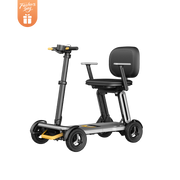
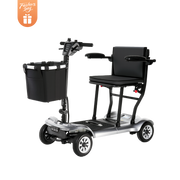
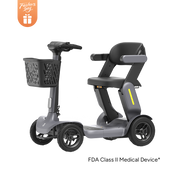
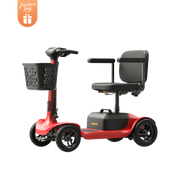








Accessible transportation and urban travel are no longer niche topics; they are central to how modern cities function and how people live, work, and connect. As more of daily life moves into dense urban cores, the question becomes simple: how do you navigate the city with ease when sidewalks, buses, subway stations, and shop entrances are not designed with you in mind?
check:Paiseec Lightweight Mobility Scooter D3
This 2026 guide to accessible transportation focuses on real-world urban mobility challenges such as broken curb cuts, public transit gaps, and narrow shop aisles, and shows how the D3 Lightweight Series can act as your practical “Urban Navigator.” Whether you are a wheelchair user, a senior looking for more stability, or a commuter with temporary reduced mobility, this guide will help you plan and enjoy barrier-free city travel.
Why Accessible Transportation Defines Urban Travel in 2026
Accessible transportation in urban travel has shifted from a compliance issue to a core quality-of-life indicator. Cities that deliver seamless, inclusive mobility gain economic, social, and environmental benefits because more residents can access jobs, education, healthcare, and leisure without relying on private cars.
In 2026, demand for accessible urban travel is rising quickly as populations age and more people live alone in dense city neighborhoods. Urban planners, transport authorities, and mobility innovators are responding by improving curb ramps, low-floor buses, step-free metro access, and flexible last-mile solutions that complement traditional buses and trains.
Market Trends: How Cities Are Redesigning Mobility
Across global metropolitan regions, three major trends define accessible transportation for urban travel. First, public transit agencies are expanding low-floor fleets, installing elevators and platform lifts, and redesigning stations to reduce transfer times for riders with reduced mobility. Second, cities are adopting universal design principles in street layouts, pedestrian crossings, and bus stops to make urban navigation safer for everyone, including people using mobility scooters, walkers, and strollers. Third, there is rapid growth in lightweight, powered mobility devices that bridge the “first and last mile” between transit stops and final destinations.
Recent research on transport accessibility shows that when wheelchair access is limited, typical urban journeys can become dramatically longer in both time and distance. In many large cities, journeys that take 30 minutes for a non-disabled rider can take 45 minutes or more for a rider who must avoid inaccessible stations or steep, broken sidewalks. This gap in travel time is pushing policymakers to prioritize accessible upgrades where they deliver the greatest time savings and independence gains.
The Everyday Barriers: Curb Cuts, Gaps, and Narrow Entrances
Even in cities with strong accessibility regulations, everyday obstacles still shape how people move. Uneven curb cuts or missing curb ramps can force detours around whole blocks. Steep ramps, potholes, and uneven pavements can make manual wheelchair propulsion exhausting and dangerous. At busy intersections, short crossing times can add stress for people who need a slower, steady pace.
Public transit gaps show up when key subway stations lack elevators, when bus drivers skip deploying ramps during peak hours, or when platform-train gaps and large level differences create boarding hazards. Once you exit the transit system, you may find narrow shop aisles, high thresholds, and cluttered entrances that make entering cafes and retail stores difficult or impossible with a mobility device.
The goal of an accessible transportation strategy is to anticipate these barriers before you leave home and select routes, modes, and equipment that minimize risk and fatigue while maximizing independence. That is where a compact, foldable, and stable mobility solution like the D3 Lightweight Series becomes central to urban travel planning.
Introducing the D3 Lightweight Series as Your Urban Navigator
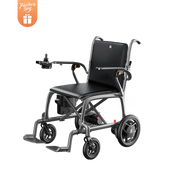
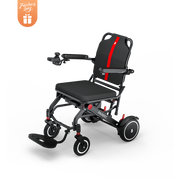
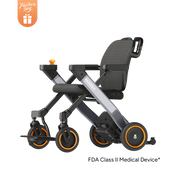
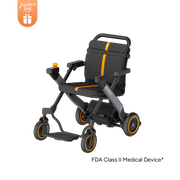
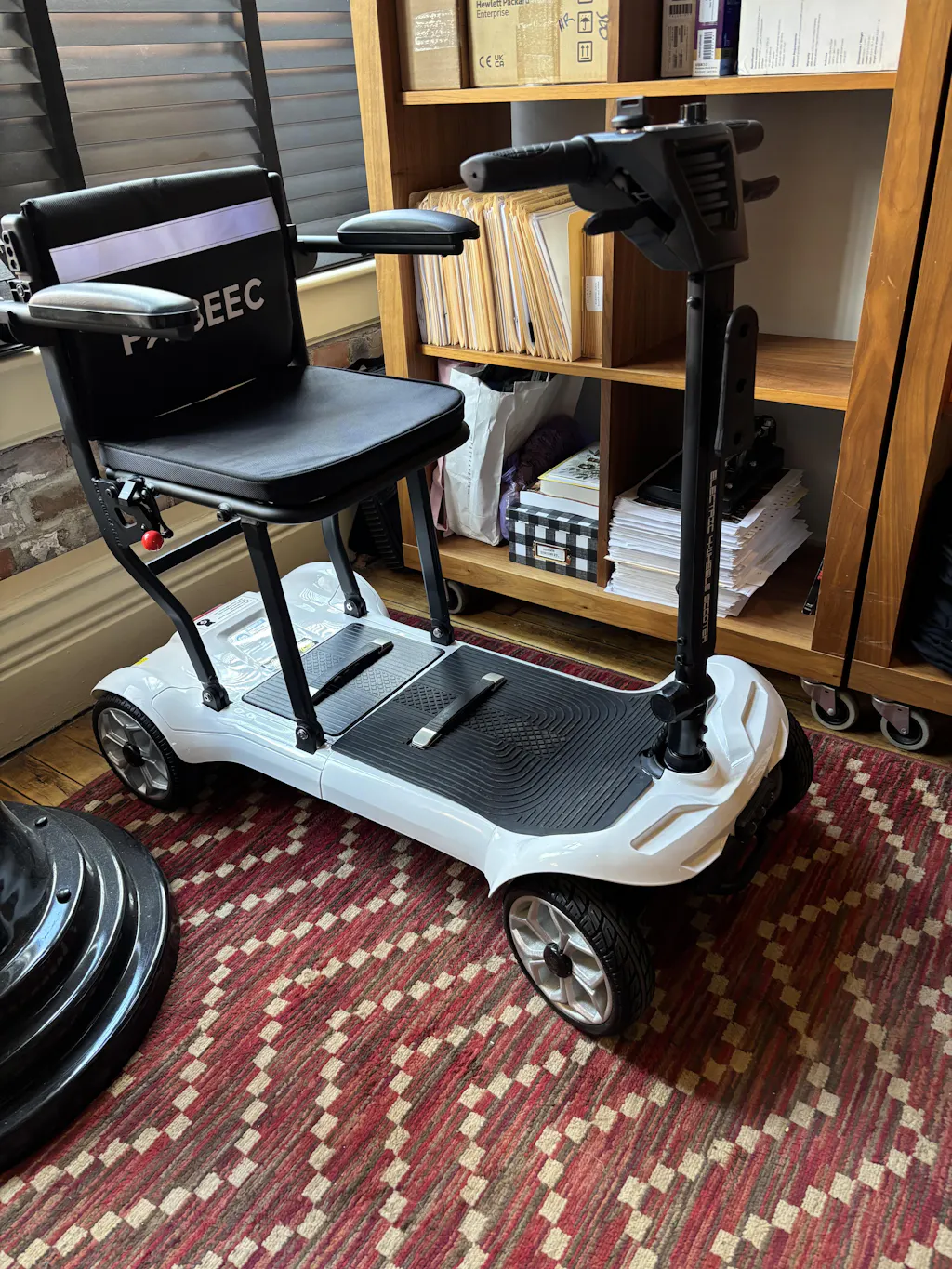
The D3 Lightweight Series has been designed specifically for people who need reliable, portable, and comfortable mobility support in dense city environments. While many mobility scooters or powered wheelchairs are powerful, they can be heavy, bulky, and awkward to lift into cars or navigate through busy indoor spaces. The D3 Lightweight Series focuses on ultra-light construction, compact folding geometry, and responsive motors that work well on sidewalks, in stations, and inside shops.
Typical specifications for the D3 include an overall weight under 40 pounds, a folding size engineered to fit in most car trunks, and a multi-section frame that can be collapsed quickly without tools. A powerful brushless motor in the 250–270 watt range delivers consistent torque for gentle ramps and urban hills, while dual detachable lithium batteries provide extended range for a full day of errands, commuting, and social trips.
How the D3 Lightweight Series Overcomes Curb Cuts and Rough Sidewalks
Navigating curb cuts and sidewalk transitions is one of the most demanding tasks in urban travel. Sharp changes in level, broken concrete, and nonstandard slopes can destabilize a rider or cause wheels to catch. The D3 Lightweight Series helps mitigate these risks through a low center of gravity, four-wheel stability, and carefully tuned power delivery.
Because the scooter is lightweight, it is easier to control when approaching sloped curb ramps or rough patches. The combination of solid tires and suspension design reduces jolts when passing over cracks and transitions, protecting both rider comfort and device integrity. Many users report that they can maintain steady speeds and smooth steering as they approach intersections, even when pedestrian infrastructure is inconsistent.
When you encounter missing or overly steep curb cuts, the D3’s compact size allows quick repositioning to safer crossing points, which reduces the need for exhausting backtracking. For companions or caregivers, the light frame weight makes it much easier to lift or pivot the D3 onto temporary ramps or into vehicles when necessary.
Closing Public Transit Gaps with a Foldable Urban Mobility Solution
Public transit is the backbone of accessible transportation for urban travel, but it is rarely perfect. Elevators may be out of service, platform gaps may be wide, or buses may be too crowded for large scooters during peak times. A key advantage of the D3 Lightweight Series is its ability to quickly transform from an active riding mode into a folded, compact unit suitable for boarding buses, trains, or paratransit vans.
Lightweight construction makes it practical for a single person or a driver to lift the folded D3 into a trunk or onto a train luggage rack. Airline-approved lithium batteries and compact dimensions make it compatible with many long-distance travel options, adding continuity between urban and intercity mobility. On low-floor buses, the D3 can be parked in designated mobility spaces, with enough maneuverability to adjust quickly when other passengers board or exit.
In real-world commuting scenarios, users often combine a short D3 ride with a metro or bus journey and then another short ride to their workplace. This hybrid model expands the radius of accessible trips beyond what a manual wheelchair alone may comfortably allow, while avoiding the expense and parking constraints of private cars.
Maneuvering Narrow Shop Aisles, Elevators, and Indoor Spaces
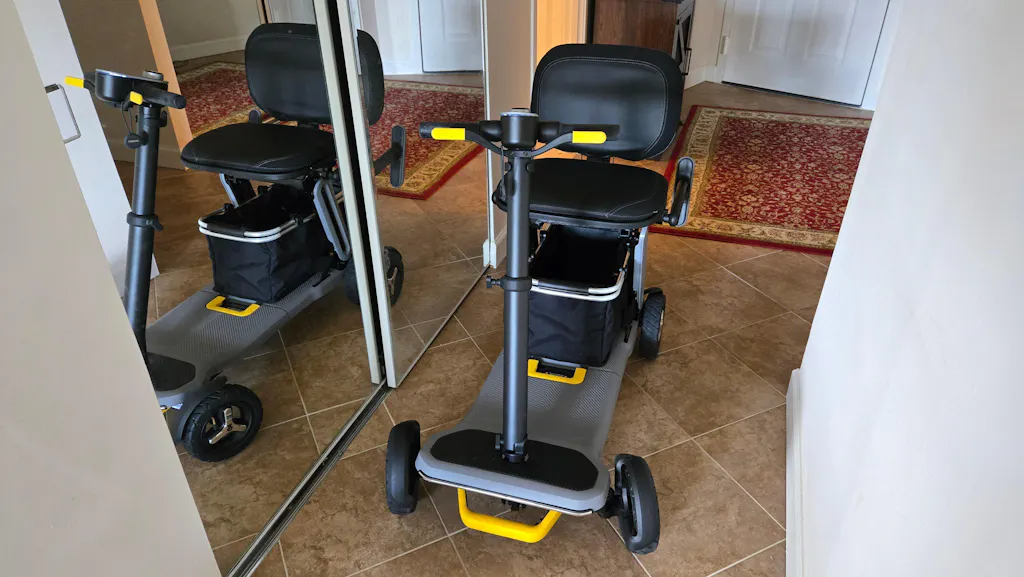
Inside urban buildings, mobility demands change. Instead of long distances and high speeds, you need tight turning radii, fine-grained control, and compact footprints that fit through standard doorways and elevators. The D3 Lightweight Series provides narrow body design and responsive steering that suits crowded retail aisles, restaurant layouts, and office corridors.
Because the scooter is not excessively long or wide, it can turn within small elevator cabins, navigate between clothing racks, and reach checkout counters without colliding with displays. Adjustable speed settings allow you to reduce velocity for indoor driving, giving you more confidence when operating in tight quarters or around pedestrians.
For shop owners and facility managers, the presence of compact devices like the D3 reinforces the importance of clear paths of travel and accessible layouts. As more customers arrive using modern mobility solutions, businesses that provide generous aisle widths, ramped entrances, and accessible restrooms will attract stronger loyalty and repeat visits.
Company Background: Paiseec Mobility’s Role in Urban Accessibility
Paiseec Mobility, founded in 2021, is a global leader in innovative mobility solutions with a strong focus on enhancing urban travel for users worldwide. With a large R&D team, multiple laboratories, and multimillion-dollar investment in electric mobility technologies, the company brings advanced batteries, motors, and intelligent safety systems into accessible transportation products designed for real city environments.
D3 Lightweight Series: Core Technology for Urban Travel
The technology behind the D3 Lightweight Series reflects a clear understanding of urban travel requirements. A 36-volt lithium battery pack around 12 amp-hours provides a long operating range, often close to 18–19 miles per charge under typical city conditions. Brushless motors deliver strong torque with low noise, improving reliability and reducing maintenance.
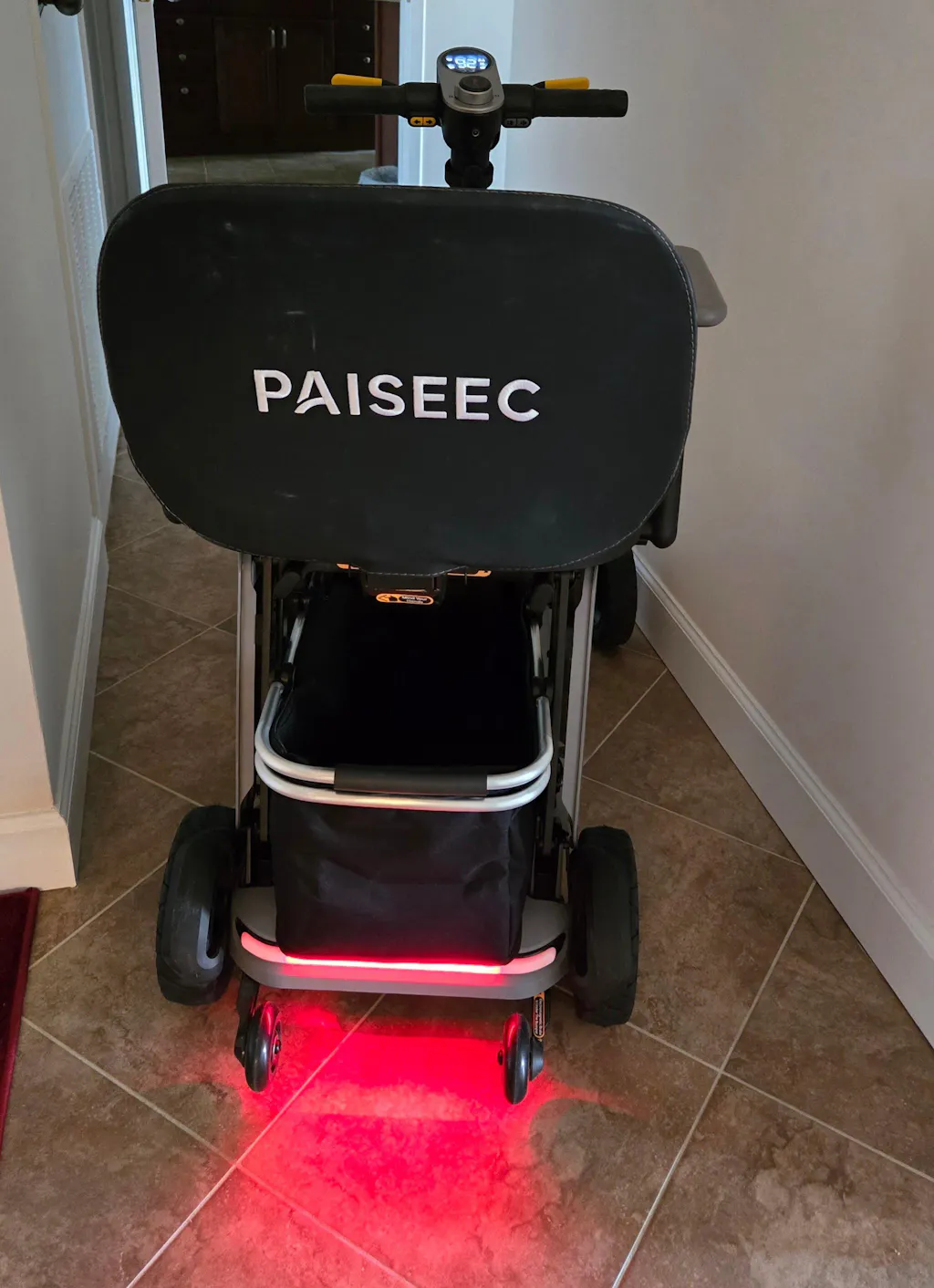
An intelligent control system manages power distribution, regenerative braking, and speed adjustment, helping the rider maintain smooth control when approaching crossings, ramps, or crowds. The chassis is engineered for both rigidity and shock absorption, balancing stability with comfort over rough terrain. Safety features such as electromagnetic brakes, anti-tip geometry, and bright lighting increase visibility and confidence during both day and night travel.
Where traditional scooters might sacrifice portability for performance, the D3 focuses on an optimal mix: sufficient power for hills, enough range for a full day, and light, foldable construction for multi-modal transit use.
Top Urban Mobility Products and How the D3 Fits In
In many urban travel scenarios, the D3 Lightweight Series occupies the sweet spot between bulky outdoor scooters and purely indoor power wheelchairs. It offers a balance of portability, speed control, and comfort that suits daily commuting routines, errands, and leisure travel across dense city neighborhoods.
Competitor Comparison: D3 Lightweight Series vs Common Alternatives
While individual models differ, this comparison highlights why a lightweight, foldable, four-wheel platform is particularly effective for accessible transportation in busy cities. It reduces barriers at multiple stages of a trip: leaving home, boarding transit, moving through public spaces, and entering private businesses.
Planning Urban Routes with the D3 Lightweight Series
Effective accessible transportation in urban travel starts with trip planning. Many riders use a mix of transit apps, digital maps, and local accessibility information to choose routes with step-free stations, working elevators, and safe crossings. When you add the D3 Lightweight Series into this planning, you can extend walking radii, bypass steep slopes, and manage fatigue more effectively.
A practical strategy is to map essential destinations such as medical facilities, workplaces, community centers, and grocery stores, then identify accessible transit stops within a comfortable D3 riding range. Between these nodes, you can experiment with different times of day and alternative routes to avoid congestion, construction, or known barriers like missing curb cuts. Over time, this creates a personal “urban accessibility map” tailored to your needs and your device’s capabilities.
Real User Cases: Measurable Benefits and Everyday ROI
Consider an office worker with limited mobility who lives three miles from a downtown business district. Before adopting the D3 Lightweight Series, they might rely primarily on paratransit or private taxis, facing variable wait times and higher monthly transport costs. With a lightweight scooter and a monthly transit pass, they can ride to a nearby bus stop, board using the low-floor ramp, and complete the last half-mile from the central station to the office on the D3.
In this scenario, daily travel time may remain similar, but predictability and independence increase significantly. Over a year, the user can save substantial costs compared to daily taxi use while gaining the flexibility to run errands or meet friends after work without booking specialized services. Similar stories emerge for older adults who switch from relying on family drivers to using the D3 and local buses, as well as for students who navigate large campuses and surrounding neighborhoods more freely.
Core Technology and Safety: What Makes an Urban Navigator Device
For an accessible transportation device to function as an urban navigator, three technology pillars matter most. The first is power and range: batteries and motors must handle typical daily distances, repeated start-stop cycles, and inclines without frequent recharging or overheating. The second is control and safety: braking systems, steering responsiveness, lighting, and anti-tip features must support real-world use, including emergency stops and quick maneuvers. The third is integration with human factors: adjustable seats, intuitive controls, and ergonomic design elements must allow users with varying strength levels and dexterity to operate the device comfortably.
The D3 Lightweight Series reflects these principles in its use of high-efficiency lithium batteries, reliable brushless motors, electromagnetic braking, and human-centered control layouts. These technologies work together so the rider can focus on navigation and awareness rather than worrying about equipment failure or difficult handling.
Future of Accessible Transportation and Urban Travel
Looking ahead to the next decade, accessible transportation in urban travel is expected to evolve along several dimensions. Cities are increasingly collecting data about how people with disabilities move through transit networks, using these insights to prioritize station upgrades and adjust service patterns. Smart infrastructure such as adaptive crosswalks, tactile navigation cues, and digital wayfinding tools will help riders choose safer routes in real time.
On the device side, connectivity, sensors, and advanced safety features will become more common. Intelligent driving assistance, collision alerts, and integrated navigation guidance may turn devices like the D3 into connected platforms that communicate with traffic systems, elevators, and building access control. Battery and motor efficiency improvements will increase range while keeping devices light enough for multi-modal travel.
Frequently Asked Questions About Accessible Urban Travel and the D3
How does the D3 Lightweight Series support accessible transportation in dense cities?
The D3 supports accessible transportation by combining light weight, strong stability, and a compact folding frame, making it practical for sidewalks, buses, trains, and indoor spaces in busy neighborhoods.
Is the D3 Lightweight Series suitable for use in narrow shop aisles and small elevators?
Yes. Its narrow profile and responsive steering are designed for indoor navigation, helping users move through aisles, turn inside elevators, and approach counters without excessive repositioning.
Can I combine the D3 Lightweight Series with public transit for daily commuting?
Many users pair the D3 with metro, tram, or bus travel by riding to accessible stations, folding or parking the scooter on board, and then using it again for the last segment of the journey.
What range should I expect from a D3 Lightweight Series in real urban use?
Under typical city conditions with moderate speeds and mixed terrain, many riders achieve ranges close to a full day of errands or a round-trip commute plus additional short trips before recharging.
How does the D3 handle steep ramps and uneven curb cuts compared to traditional scooters?
The D3’s stable four-wheel design, tuned power delivery, and low center of gravity support better traction and balance on moderate slopes and across uneven curb cuts than many older or bulkier models.
Three-Level Conversion Funnel CTA: From Awareness to Confident Urban Navigation
If you are just beginning to explore accessible transportation in urban travel, start by observing your daily routes and identifying the barriers that slow you down or limit your options. Think about where curb cuts fail you, which stations you avoid, and which shops you find hardest to enter. This awareness helps you define your own requirements for an urban mobility device.
As you move into consideration mode, compare different mobility solutions in terms of weight, range, folding design, and transit compatibility. Pay special attention to whether they fit your local buses, trains, elevators, and building entrances, and whether you or a companion can lift and store them without strain. Evaluate how each product addresses your most frequent obstacles, from steep ramps to crowded store layouts.
When you are ready to take action, choose the D3 Lightweight Series as your Urban Navigator and integrate it into your daily city routine. Use it on short neighborhood trips to build confidence, then progressively incorporate buses, metros, and longer itineraries as you discover new accessible routes. By aligning the D3’s capabilities with your own goals for independence, comfort, and efficiency, you can transform how you experience the city and turn complex urban travel into a smoother, more enjoyable part of your life.
Leave a comment
This site is protected by hCaptcha and the hCaptcha Privacy Policy and Terms of Service apply.