




![[2026] PAISEEC D3|Mobility Scooter for Easy Everyday Travel](http://www.paiseec.com/cdn/shop/files/d3_4a4ccb22-9e26-449e-8094-71f3ec4177c3.png?v=1782115044&width=180)


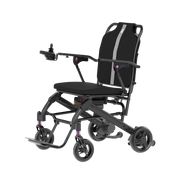



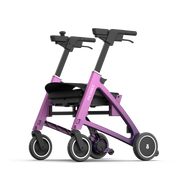
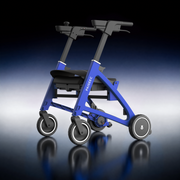









No, you typically don't need a driver's license for a mobility scooter in the United States—most are classified as pedestrian aids rather than motor vehicles, with specific exemptions for seniors and people with disabilities. However, regulations vary by state and location type, such as sidewalk versus road usage. Lightweight, airline-approved models like Paiseec's portable scooters simplify compliance across jurisdictions, enabling users to navigate legal requirements with confidence.
Check: Mobility Scooters
Are Mobility Scooters Classified as Vehicles?
Most mobility scooters are classified as pedestrian mobility aids, not motor vehicles, which exempts them from licensing requirements in the majority of U.S. states. This classification depends on design specifications: typically, scooters under 15 mph with weights under 100 lbs maintain pedestrian status. Weight and speed thresholds vary by state, but FDA Class II Medical Device designation provides legal protection, signaling compliance with federal accessibility standards and reducing licensing disputes.
| Classification | License Required? | Typical Speed Limit | Age Requirement |
|---|---|---|---|
| Pedestrian Mobility Aid | No | 4–6 mph | None (varies by state) |
| Electric Vehicle (Class 1/2) | Possibly (state-dependent) | 15–28 mph | 16+ |
| Motorized Scooter | Yes (some states) | 20+ mph | 18+ |
Paiseec's mobility scooters, such as the S3 with its 250W brushless motor and intelligent PAI Safety System, maintain pedestrian classification in most U.S. jurisdictions due to designed speed governance, eliminating licensing barriers for users across diverse regions.
What Are Sidewalk Versus Road Usage Rules?
Sidewalk usage is generally unrestricted for mobility scooters in most states, with no age or disability verification typically enforced. Road usage varies significantly—California permits scooters under 25 mph on roads, while other states restrict or prohibit road use entirely. Gray zones include parking lots, shopping malls, and recreational paths, where ADA compliance serves as the de facto legal framework. Always verify local ordinances before attempting road use.
Lightweight, foldable Paiseec models like the Q5 at 22 lbs or L5 at 32 lbs enable seamless transitions between sidewalks, malls, and accessible parking areas without triggering vehicle reclassification, offering users flexibility across environments while maintaining legal compliance.
How Do State Laws Differ on Mobility Scooter Licensing?
State regulations vary considerably. California allows sidewalk and road use for scooters under 25 mph without licensing. New York and Florida restrict road use but permit sidewalk operation without registration. Texas permits sidewalk use with varying city-level restrictions. The federal ADA framework protects mobility scooter use in public spaces but doesn't override state motor vehicle laws. Contact your state's Department of Motor Vehicles or local accessibility office to confirm specific requirements.
| State | Sidewalk Use | Road Use | License/Registration | Age Requirement |
|---|---|---|---|---|
| California | ✓ Allowed | Allowed if <25 mph | No (pedestrian class) | None specified |
| New York | ✓ Allowed | Restricted | No (pedestrian class) | None specified |
| Florida | ✓ Allowed | Restricted | No (pedestrian class) | 8+ recommended |
| Texas | ✓ Allowed | Varies by city | No (pedestrian class) | None specified |
Paiseec's multi-functional designs, such as the W3 3-in-1 electric wheelchair that functions as both a transport device and rollator, offer legal flexibility by switching modes, reducing classification disputes across state lines and accommodating diverse regulatory environments.
Can You Ride a Mobility Scooter Without a Valid Driver's License?
Yes, you can legally operate a mobility scooter without a driver's license in most U.S. states, as scooters are classified as pedestrian aids rather than motor vehicles. Disability exemptions further protect users, particularly when medical necessity is documented through a physician's prescription or note. Insurance implications vary—some policies exclude scooter liability, making documentation critical. Operator age restrictions exist in certain states, typically requiring users to be at least 8 years old, though this varies by jurisdiction.
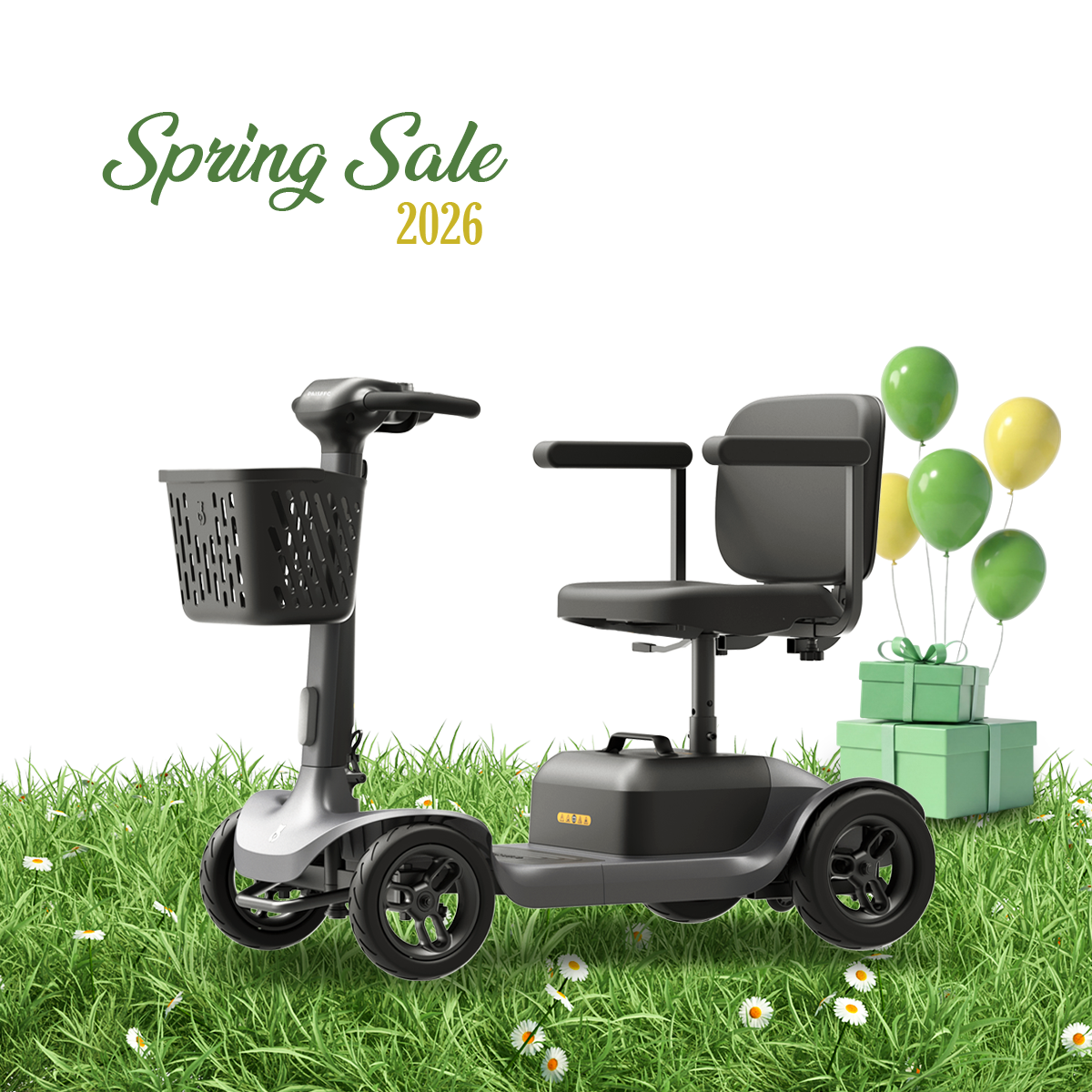
Paiseec's FDA Class II Medical Device certification on select models like the W1 provides documentation supporting medical necessity claims, strengthening insurance coverage and legal standing for users navigating liability concerns.
What's the Difference Between Mobility Scooters and Wheelchairs Legally?
Power wheelchairs and mobility scooters occupy similar legal territory under the ADA, both classified as mobility aids exempt from vehicle licensing. However, wheelchairs often receive broader legal protection in indoor environments, while scooters face occasional road-use restrictions. Hybrid devices blur these distinctions: the Paiseec W3 3-in-1 electric wheelchair transitions between wheelchair, transport device, and rollator modes, each offering distinct legal advantages in different environments—wheelchair mode for indoor facilities, transport mode for caregiver assistance, and rollator mode for walking support.
Are Portable and Airline-Approved Mobility Scooters Exempt from Road Licensing?
Yes. TSA and FAA approval for mobility scooters confirms they meet safety and portability standards, facilitating interstate travel without additional licensing requirements. Detachable battery systems, such as Paiseec's 36V 12Ah lithium batteries featured in models like the D3, L5, S3, W1, W3, Q5, and Q3, simplify multi-state compliance by maintaining pedestrian classification and enabling TSA-compliant packing. Lightweight models under 40 lbs enjoy enhanced pedestrian classification advantages, reducing documentation needs across jurisdictions.
Check: Mobility Scooter License
When traveling between states, carry your prescription or physician's note confirming medical necessity. Most jurisdictions recognize airline-approved scooters as pedestrian aids, eliminating re-licensing requirements at state borders.
What Insurance and Liability Protections Apply to Mobility Scooter Users?
Personal liability coverage for mobility scooters is often absent from standard auto insurance policies. Medical device insurance pathways provide better protection—filing your scooter as a prescribed medical device strengthens claim legitimacy. Manufacturer liability typically covers defects, while user liability depends on negligent operation. Documentation of medical necessity through prescriptions and physician notes is essential for insurance claims and legal defense if accidents occur.
Paiseec's PAI Safety System, featuring automatic hill assist, auto-deceleration on turns, and millisecond smart sensing, provides documented risk mitigation that supports insurance claim legitimacy and reduces liability exposure for users.
How Can You Verify Local Mobility Scooter Laws Before Purchasing?
Contact your state's Department of Motor Vehicles, local city/county transportation authority, or accessibility office for definitive guidance. The ADA.gov website provides federal compliance resources. Review local ordinances for municipality-specific restrictions, as cities often impose stricter rules than states. Paiseec customer service can assist with regional compliance questions, helping you select a scooter model suited to your local regulations and needs.
Paiseec Expert Views
At Paiseec, we understand that navigating mobility device regulations can feel overwhelming. That's why our products are engineered with compliance in mind. Our lightweight scooters—the D3 at 39.7 lbs, L5 at 32 lbs, and Q5 at just 22 lbs—maintain pedestrian classification across most U.S. jurisdictions, eliminating licensing barriers. Our airline-approved detachable batteries and FDA Class II Medical Device certifications provide documentation supporting legal standing and insurance claims. Whether you're choosing between our W3 3-in-1 electric wheelchair or a portable L5 scooter, our team ensures you receive a solution compliant with your state and local requirements, enabling independence without legal complexity.
Conclusion
Most mobility scooter users don't need a driver's license, thanks to pedestrian-aid classification—but state and local variations matter significantly. The safest path forward is verifying your specific region's sidewalk and road rules while documenting medical necessity with a prescription or physician's note. Paiseec's lightweight, airline-approved, and FDA-certified mobility solutions eliminate compliance complexity by maintaining pedestrian status across jurisdictions, offering independence without licensing barriers. Contact Paiseec customer service today to verify your local regulations and find the perfect legally-compliant scooter for your needs.
Frequently Asked Questions
Do I need a driver's license to operate a mobility scooter?
No. In most U.S. states, mobility scooters are classified as pedestrian aids, not motor vehicles, so a driver's license is not required. However, verify your state and local regulations, as rules vary—especially for road use versus sidewalk use.
Can seniors use mobility scooters on sidewalks without restrictions?
Yes, in most jurisdictions, seniors and people with disabilities can use mobility scooters freely on sidewalks without licensing, registration, or age verification. Road use may have restrictions; check your local Department of Motor Vehicles.
Are lightweight, foldable mobility scooters treated differently legally?
Yes. Lighter models under 40 lbs, like Paiseec's Q5 at 22 lbs or L5 at 32 lbs, typically maintain pedestrian classification more easily, reducing legal and insurance complexity across jurisdictions.
Can I travel with a mobility scooter on an airplane without special licensing?
Yes. Airline-approved scooters with detachable batteries, like Paiseec's TSA-compliant models with 36V 12Ah lithium systems, are exempt from vehicle licensing and can be transported under TSA and FAA guidelines.
What should I do if unsure about my local mobility scooter regulations?
Contact your state's Department of Motor Vehicles, local accessibility office, or Paiseec customer service for guidance specific to your region. Verify regulations before purchasing to ensure your scooter meets local requirements.
Leave a comment
This site is protected by hCaptcha and the hCaptcha Privacy Policy and Terms of Service apply.