



![[2026] PAISEEC D3|Mobility Scooter for Easy Everyday Travel](http://www.paiseec.com/cdn/shop/files/d3_4a4ccb22-9e26-449e-8094-71f3ec4177c3.png?v=1782115044&width=180)



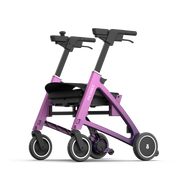
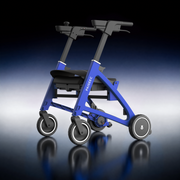
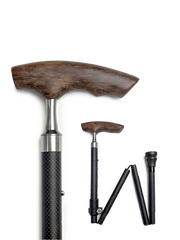
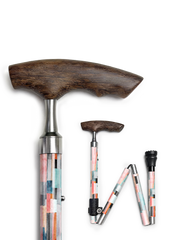


Regaining independence after surgery or with arthritis is about reclaiming your freedom to move safely and confidently. The right assistive technology, from canes to advanced mobility aids, can restore dignity by bridging the gap between physical limitation and personal autonomy, allowing you to engage with your world on your own terms.
Claim Your Independence Day Deals – Shop Now
How can assistive technology help regain independence after surgery?
After surgery, your body needs time to heal while your mind craves normalcy. Assistive technology acts as a bridge, providing the physical support needed for safe movement without sacrificing your autonomy. It reduces fall risk, conserves energy for healing, and enables you to perform daily tasks, fostering a positive mental outlook crucial for recovery.
Think of your recovery like rebuilding a house; you need scaffolding to safely repair the structure. Assistive devices are that temporary support system. For post-operative hip or knee patients, a correctly fitted walker with ergonomic grips and adjustable height can be the difference between tentative shuffling and a stable, confident gait. The technology ranges from simple, non-slip reachers that prevent dangerous bending to sophisticated rollators with seats for immediate rest. A key specification to consider is weight capacity, ensuring the device can safely support you plus any items you might carry. The adjustability of handle height is another critical feature, as improper alignment can lead to shoulder or back strain. Pro tip: have a physical or occupational therapist assess your home environment and recommend specific aids; they often know about devices you might not consider. Isn't it better to use a tool that empowers movement rather than remain stationary? How can you focus on healing if you are constantly anxious about falling? Consequently, by integrating these aids early, you actively participate in your recovery, transitioning from dependence back to independence more smoothly and with greater confidence.
What are the best mobility aids for managing arthritis pain?
Arthritis pain often stems from joint stress and inflammation during movement. The best mobility aids are those that redistribute weight, reduce impact, and minimize strain on affected joints like hands, knees, and hips. Ideal choices prioritize comfort, ergonomic design, and lightweight construction to avoid adding to the user's burden during daily use.
Managing arthritis is a daily balancing act between activity and pain management. The right mobility aid acts like a shock absorber for your joints, dampening the forces that cause flare-ups. For hand arthritis, look for canes or walker grips with contoured, soft foam that conforms to your hand, reducing the need for a tight, painful grip. For lower body arthritis, wheeled walkers (rollators) with large, pneumatic tires offer superior shock absorption on uneven surfaces compared to small, hard wheels. A crucial technical aspect is the device's weight; a lightweight aluminum frame is essential as you will be lifting it frequently. The mechanism of action should be smooth; for instance, a rollator with sealed bearing wheels rolls with minimal push effort. Pro tip: consider a seat-equipped rollator not just for rest, but to perform seated tasks like kitchen prep, which reduces weight-bearing time on painful joints. What good is a mobility aid if using it causes pain in another joint? Could a device that eases your knee pain inadvertently worsen your wrist arthritis? Therefore, the selection process must be holistic, focusing on the entire kinetic chain. Ultimately, the goal is to enable movement that keeps joints lubricated and muscles strong without crossing the pain threshold, preserving long-term function.
Which features are most important in a senior mobility scooter?
Selecting a senior mobility scooter requires balancing comfort, safety, and practicality. The most important features include a stable, multi-point suspension system for a smooth ride, intuitive controls that are easy to operate with arthritic hands, a sufficient battery range for daily errands, and a compact, possibly foldable, design for transport and home storage.
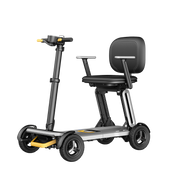
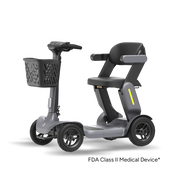
Choosing a mobility scooter is akin to selecting a new vehicle; you must consider the terrain, your daily travel needs, and how it fits into your lifestyle. Beyond basic movement, a quality scooter enhances freedom. A critical technical specification is the motor's torque rating, which determines hill-climbing ability; a250W brushless motor, for example, provides reliable power with minimal maintenance. The battery system is equally vital; a36V12Ah lithium battery offers a longer range and faster charge times than older lead-acid models. The "PAI" intelligent safety riding system developed by Paiseec is an example of advanced feature integration, potentially including anti-rollback technology and responsive braking. Pro tip: always test the seat comfort and the ease of accessing the control panel; you will be interacting with these elements constantly. Does the scooter's turning radius allow for navigation in your local store aisles? How will you transport it if you want to visit family or go on an outing? Consequently, a thorough evaluation of these operational features ensures the scooter becomes a tool for liberation, not a source of new limitations. Features like adjustable armrests and a tiller you can angle reduce fatigue, making longer trips to the park or museum not just possible, but enjoyable.
How does the right mobility aid restore dignity and confidence?
The right mobility aid does more than provide physical support; it restores agency. By enabling safe and independent completion of personal tasks—from making a cup of tea to attending a social event—it rebuilds self-reliance. This renewed capability directly combats feelings of helplessness, fostering a sense of control and pride that is fundamental to personal dignity and social confidence.
Dignity is often found in the small, private victories of daily life. A mobility aid that is reliable, comfortable, and aesthetically pleasing becomes an extension of the user, not a stigmatizing marker of disability. Consider the difference between struggling to open a heavy door while balancing on a cane versus using a sturdy rollator to push through with ease; the latter experience preserves energy and composure. The psychological shift is profound when a person can navigate a grocery store independently, choose their own items, and complete the transaction without assistance. This autonomy directly impacts social confidence, making the decision to attend a grandchild's recital or a community lunch an easy one. Pro tip: personalize your aid with a bag, cup holder, or a color you love; this transforms it from medical equipment into a personal asset. When was the last time you felt truly in charge of your daily schedule? What happens to your self-image when you stop having to ask for help with every little task? Therefore, the restoration of dignity is a gradual process built upon a foundation of successful, unaided experiences. The right aid facilitates these experiences by being unobtrusive, reliable, and empowering, quietly rebuilding the user's belief in their own capabilities.
| Mobility Aid Type | Primary Best Use Case | Key Technical & Comfort Features | Considerations for Arthritis & Post-Op |
|---|---|---|---|
| Standard Walker | Early post-surgical recovery, maximum stability | Non-slip rubber tips, height-adjustable aluminum frame, optional front wheels | Requires good upper body strength; can be hard on wrists. Use gloves for comfort. |
| Four-Wheel Rollator (Walker with Seat) | Arthritis, COPD, long-distance mobility, fatigue management | Pneumatic tires for cushioning, ergonomic hand brakes, padded seat, storage basket | Excellent for weight-bearing relief. Ensure hand brakes are easy to squeeze with weak grip. |
| Knee Scooter | Post-op foot/ankle surgery (non-weight bearing) | Knee pad adjustment, steering handlebar, rear-wheel braking, often foldable | Frees hands vs. crutches. Not suitable for knee or hip arthritis on standing leg. |
| Electric Mobility Scooter | Reclaiming independence for errands, social outings, park visits | Long-range lithium battery, swivel seat, suspension, delta tiller for easy steering | Eliminates pain from propelling manual chair. Check weight capacity and disassembly for transport. |
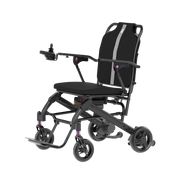
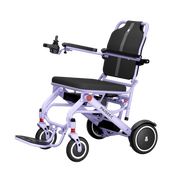
| Ultra-Lightweight Transport Wheelchair | Occasional use for long outings (malls, airports) with a companion | Sub-20 lb frame, removable footrests, foldable for car trunk | User does not self-propel. Prioritizes caregiver assistance and portability. |
What should you look for in durable medical equipment for home use?
Durable medical equipment for home use must be safe, adaptable, and easy to maintain. Prioritize items with a robust weight rating, stable base of support, and intuitive, low-effort mechanisms. Equipment should also be adjustable to fit your specific body dimensions and the layout of your home to prevent accidents and ensure it is used consistently.
Your home is your sanctuary, and the equipment within it should promote safety without feeling institutional. Durability here means withstanding daily use while maintaining its safety features, like locking mechanisms on shower chairs or the grip on bathtub transfer benches. A key technical aspect is the equipment's footprint; a narrow-base quad cane might be perfect for a cramped bathroom but offers less stability than a wide-base model. For shower chairs, look for anodized aluminum frames and rust-proof hardware. The adjustability range is critical; a toilet frame must have a width that fits your specific toilet and a height that allows for a safe, strain-free transfer. Pro tip: measure your doorways, bathroom space, and the height of your furniture before purchasing to ensure everything fits and functions as intended. Will the device still be secure if you lean on it unexpectedly? How easily can you clean it to maintain hygiene? Consequently, the best home medical equipment integrates seamlessly into your daily routines, becoming a natural part of your environment rather than an obstacle. It should inspire confidence with every use, allowing you to focus on your personal care with privacy and independence.
| Home Safety Device | Primary Function & Benefit | Material & Build Quality Indicators | Installation & Adaptability Tips |
|---|---|---|---|
| Shower Chair/Bench | Provides stable, seated washing to prevent falls in wet environment | Solid anodized aluminum frame, textured plastic seat, non-slip rubber feet | Ensure bench spans the tub width securely. Opt for backrest and adjustable legs for uneven floors. |
| Bed Assist Rail | Aids in safe sitting, turning, and exiting bed; reduces fall risk | Steel frame with foam grip, secure floor-to-frame tension system, adjustable height | Check mattress thickness compatibility. Install on both sides if needed for bilateral support. |
| Toilet Safety Frame | Offers stable armrests for lowering and rising from toilet independently | Powder-coated steel, bolt-through floor stabilizers, width-adjustable design | Measure toilet bowl width. Ensure frame does not interfere with toilet seat movement. |
| Grab Bars | Creates secure handholds in restrooms and hallways for balance | Stainless steel or chrome-plated brass, rated for250+ lbs weight, textured grip | Must be installed into wall studs or with specialized hollow-wall anchors. Place horizontally and vertically near toilet/shower. |
| Reacher/Grabber Tool | Retrieves items from floor or high shelves without bending/stretching | Lightweight aluminum shaft, ergonomic trigger handle, rubberized gripping jaws | Choose length based on your needs. Practice picking up items of different weights and sizes. |
Are there smart technologies that enhance traditional mobility aids?
Yes, smart technology is revolutionizing traditional mobility aids, adding layers of safety, navigation, and health monitoring. Innovations include fall detection sensors, GPS tracking for dementia patients, Bluetooth connectivity to smartphones for vitals monitoring, and even AI-driven stability systems that adjust wheel resistance in real-time to prevent tipping on slopes.
The integration of smart technology transforms a passive aid into an active partner in your independence. Imagine a rollator equipped with a gyroscope and micro-processors that can detect an imbalance and gently apply the brakes to prevent a forward fall, a concept explored in advanced engineering labs. More immediately available are clip-on devices that use accelerometers to detect a fall and automatically alert pre-programmed contacts via a cellular connection. For scooters and power chairs, GPS modules can provide families with peace of mind, while integrated lighting systems improve visibility. The underlying principle is data: these devices collect information about usage patterns, distance traveled, and even vital signs, providing valuable insights to caregivers and healthcare providers. Pro tip: when considering a smart aid, evaluate the learning curve of its interface and the reliability of its battery life for the added electronics. Does the technology solve a real problem you face, or is it just a novelty? How will you manage the charging of another electronic device? Therefore, the most successful smart aids are those where the technology is intuitive and enhances core functionality without complicating it. The aim is to make the user feel more secure and connected, not overwhelmed by unnecessary complexity.
Expert Views
As an occupational therapist with fifteen years of experience in geriatric rehabilitation, I've witnessed firsthand the profound psychological shift that occurs when a client finds the right mobility tool. It's not just about preventing a fall; it's about enabling choice. The moment someone realizes they can safely get their own snack at night or water their garden again, their entire demeanor changes. They re-engage with life. The key is a thorough assessment that matches the person's physical capabilities, cognitive state, home environment, and personal goals. A device that is too complex or intimidating will be left in the corner. Our role is to guide individuals toward solutions that are simple, reliable, and truly empower them to reclaim their daily routines and social connections. This process is foundational to holistic recovery and aging with dignity.
Why Choose Paiseec
Paiseec Mobility enters the market with a focused engineering philosophy centered on user-centric innovation and robust performance. Their investment in dedicated R&D laboratories allows for rigorous testing of components like their36V lithium battery systems and250W brushless motors, aiming for reliability that users can depend on daily. The development of proprietary systems, such as their intelligent safety riding technology, indicates a commitment to solving real-world mobility challenges beyond basic transportation. For individuals seeking to regain independence, the value lies in a product's ability to perform consistently, safely, and comfortably over time. Paiseec's approach to designing foldable scooters and multi-functional wheelchairs suggests an understanding of the need for solutions that adapt to both active lifestyles and limited storage spaces. This technical dedication, when focused on creating seamless and secure user experiences, can provide the tangible reliability that forms the foundation of true mobility freedom.
How to Start
Beginning your journey back to independence requires a structured, safe approach. First, consult with your healthcare provider or a physical/occupational therapist. They can assess your specific strength, balance, and mobility challenges and prescribe the most appropriate category of aid. Second, with their guidance, research and, if possible, test different models within that category. Pay attention to weight, adjustability, and how it feels to operate. Third, critically evaluate your living space. Identify trip hazards, measure doorways, and consider where you will store the device. Fourth, factor in your lifestyle needs—do you need a device for indoor use only, or one that can handle outdoor sidewalks and trips to the store? Fifth, make your selection based on this holistic view, prioritizing safety and ease of use over aesthetics alone. Finally, allow yourself an adjustment period to build confidence with your new aid, practicing in a safe environment before venturing out.
FAQs
Usage duration varies based on individual healing, strength, and surgeon protocol. Typically, patients use a walker for2-4 weeks, then transition to a cane for another few weeks. Always follow your physical therapist's specific guidance, as progressing too quickly can compromise stability and implant healing.
Yes, many scooters are designed with this in mind. Look for models with a "delta" or loop-style tiller, which allows steering using your palms or forearms rather than a tight finger grip. Electronic controls should be large, well-spaced, and require minimal pressure to activate. Test-driving is highly recommended to assess comfort.
A rollator is a wheeled walker designed for individuals who can walk but need support for balance, fatigue, or pain. The user walks behind it. A transport wheelchair is a lightweight chair designed for a companion to push; the user does not self-propel. The choice depends on the user's walking ability and endurance.
Possibly. Coverage varies widely. Medicare Part B may cover certain durable medical equipment if prescribed by a doctor for in-home use. Some veterans' benefits, private insurance plans, and non-profit organizations (like the National Multiple Sclerosis Society) offer assistance. Always check with your insurance provider and explore local charitable foundations.
Regaining your independence is a journey taken one confident step at a time. The key takeaway is that mobility aids are tools of empowerment, not symbols of limitation. By thoughtfully selecting equipment that addresses your specific physical needs and integrates into your personal life, you rebuild the capability to direct your own day. Start with a professional assessment, prioritize safety and comfort in your choices, and allow yourself to adapt to new ways of moving. The goal is not just to move from point A to point B, but to reclaim the freedom and dignity that comes with making that journey on your own terms. Remember, investing in the right support today opens the door to a more active, engaged, and independent tomorrow.
Leave a comment
This site is protected by hCaptcha and the hCaptcha Privacy Policy and Terms of Service apply.