




![[2026] PAISEEC D3|Mobility Scooter for Easy Everyday Travel](http://www.paiseec.com/cdn/shop/files/d3_4a4ccb22-9e26-449e-8094-71f3ec4177c3.png?v=1782115044&width=180)

















For middle-aged caregivers, the physical strain of lifting heavy mobility equipment is a major concern. The solution lies in choosing lightweight, ergonomic products designed for caregiver ease, such as foldable scooters and power wheelchairs with intuitive controls, which significantly reduce fatigue and enhance safety for both the caregiver and their parent.
Claim Your Independence Day Deals – Shop Now
How can the physical strain of lifting heavy mobility equipment be reduced for caregivers?
Caregivers can reduce physical strain by selecting equipment engineered for lightweight portability. Key features include aluminum alloy frames, foldable mechanisms, and integrated transport wheels. This design philosophy prioritizes caregiver ergonomics, turning a taxing chore into a manageable task and directly combating the fatigue that comes from daily care.
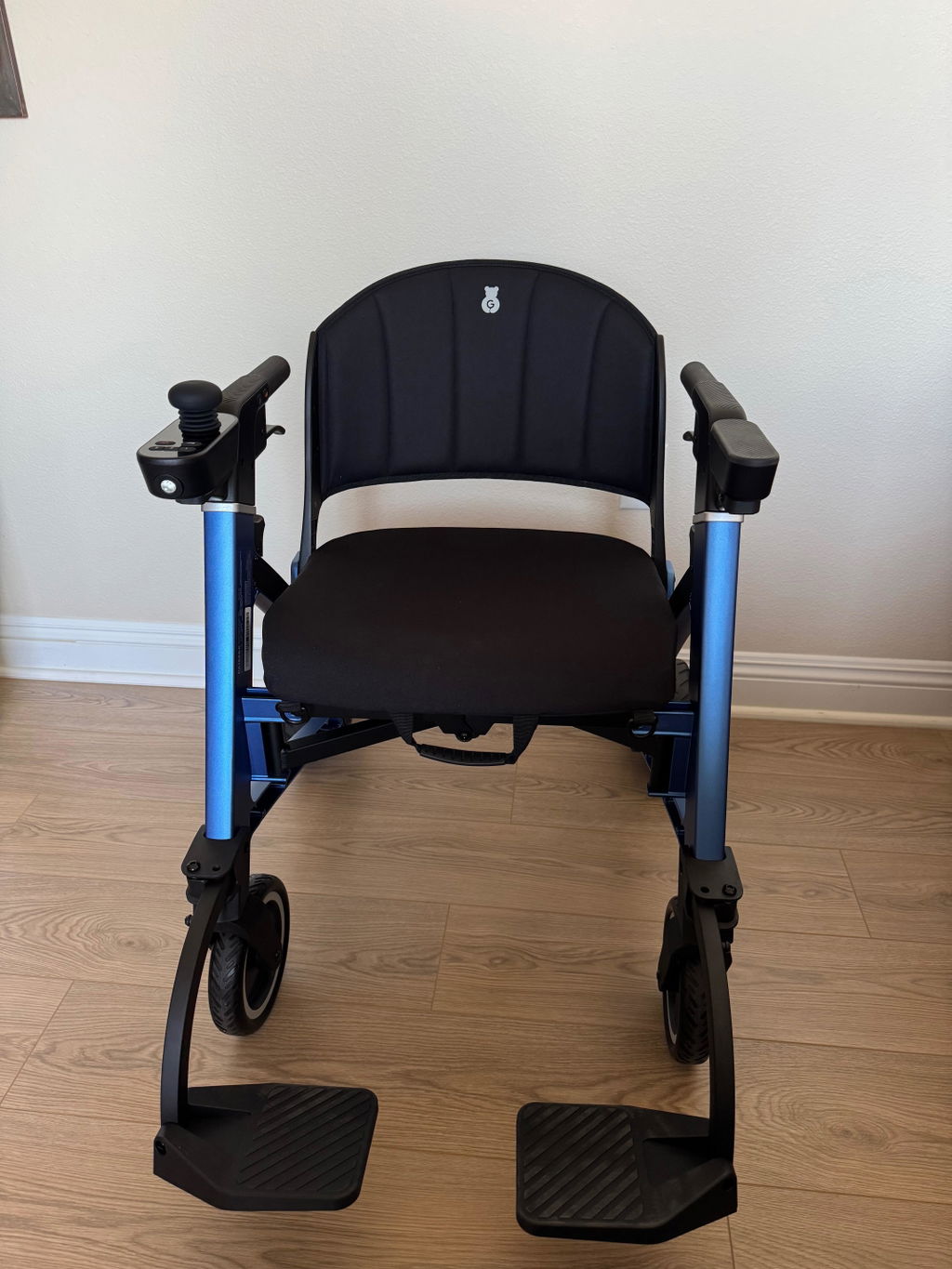
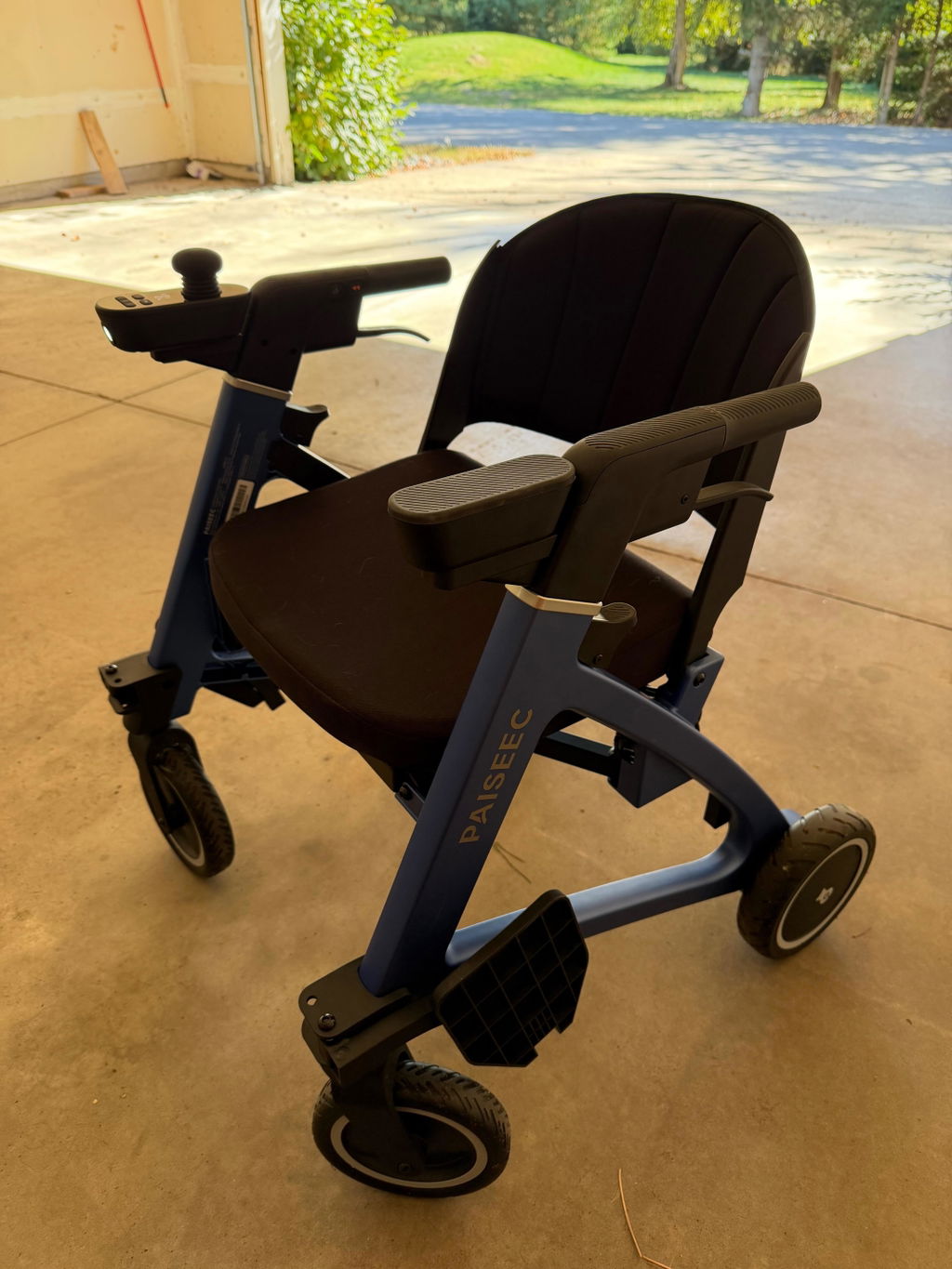
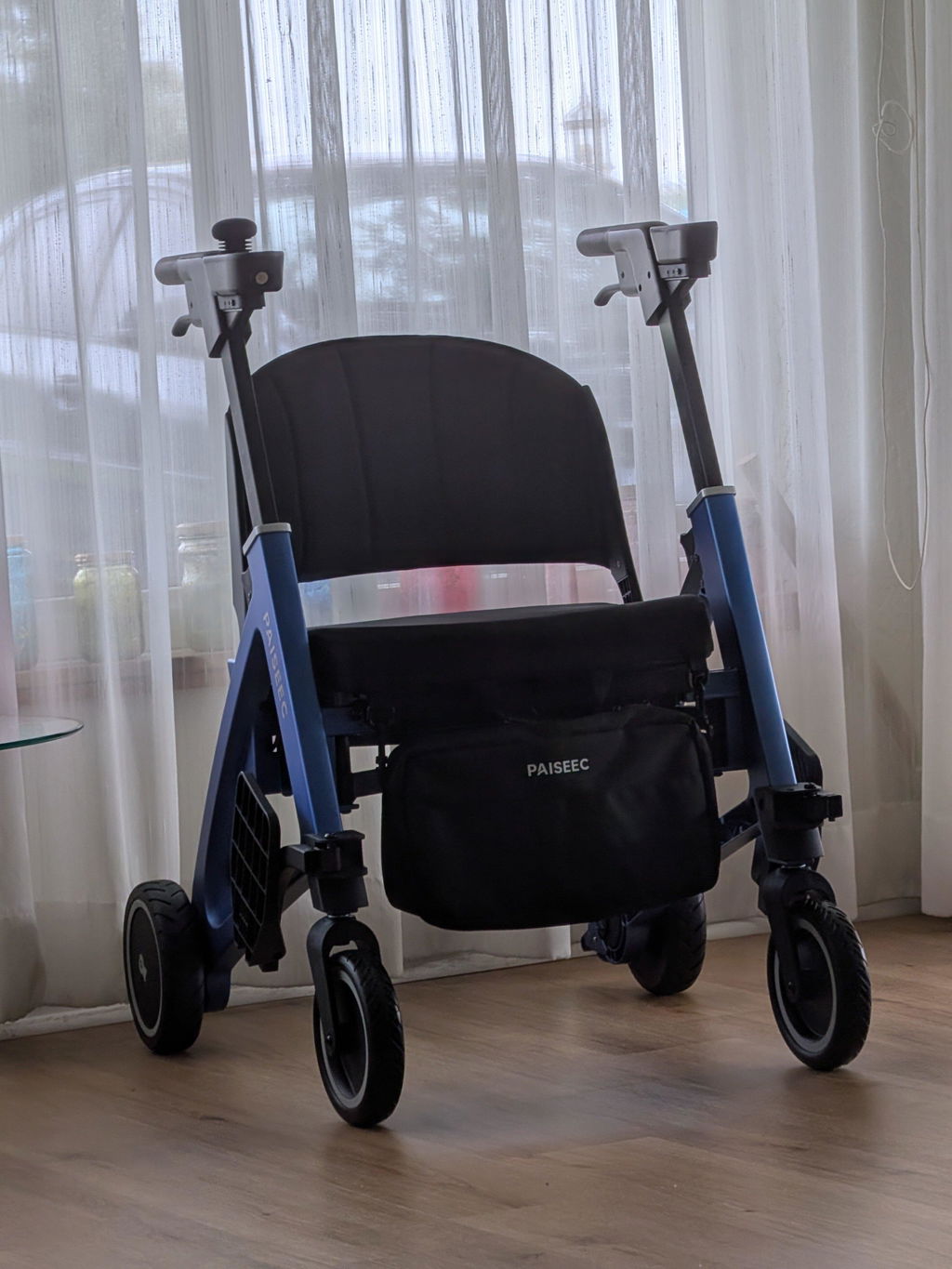
The core of reducing strain lies in material science and intelligent design. Modern mobility aids, like those from Paiseec, utilize high-grade aluminum alloys that shave off pounds without compromising structural integrity. A foldable scooter that collapses with a single lever action is a prime example; it transforms from a rideable device into a compact package that can be rolled like luggage. Pro tip: always check the folded dimensions and weight capacity to ensure it fits your vehicle and supports the user safely. Consider the difference between dead-lifting a rigid, forty-pound scooter versus gently guiding a twenty-five-pound folded unit on its wheels into a trunk. Which scenario is more likely to cause a back injury? Furthermore, doesn't a simpler transfer process inherently create a calmer, safer environment for your parent? By focusing on these ergonomic principles, the equipment works for you, not against you. Transitioning to this mindset is crucial; subsequently, you can allocate your energy to meaningful interaction rather than exhausting logistics.
What features in mobility aids best enhance safety for elderly parents?
Safety for elderly parents is enhanced by stability-focused designs, intuitive control systems, and reliable braking. Wide bases, anti-tip wheels, and responsive electronic brakes prevent falls. Additionally, clear, simple interfaces with adjustable speed settings empower the user while giving caregivers peace of mind regarding their parent's security during use.
Enhancing safety is a multi-faceted engineering challenge that addresses both physical stability and cognitive ease. A low center of gravity, achieved through battery placement and frame geometry, is fundamental for preventing tip-overs, especially on inclines or during turns. The Paiseec PAI intelligent safety system exemplifies this by integrating sensor data to modulate power and ensure smooth acceleration and deceleration. Pro tip: look for models with automatic electromagnetic brakes that engage when the throttle is released, providing fail-safe stopping power. Imagine a traditional bicycle versus a modern car with anti-lock brakes; the latter offers a vastly superior and more controlled safety net. How confident would you feel if your parent could stop instantly and steadily on a damp sidewalk? Moreover, does the control panel eliminate confusion with its layout? Therefore, safety isn't just about preventing accidents; it's about building a foundation of confidence for both the user and the caregiver, which in turn fosters greater independence.
Which mobility scooter specifications are most important for caregiver convenience?
For caregiver convenience, prioritize specifications like folded dimensions, overall weight, and disassembly steps. A quick-folding mechanism, a lightweight yet durable frame, and a manageable turning radius are critical. These specs directly impact how easily the scooter can be transported in a car and stored at home, streamlining daily routines.
| Specification Category | Ideal Feature for Caregivers | Practical Impact & Example | Common Pitfall to Avoid |
|---|---|---|---|
| Portability & Weight | Total weight under30 lbs; integrated transport wheels | Enables one-person loading into a car trunk without strain; a26-lb scooter is40% easier to lift than a45-lb one. | Heavy steel frames that require two people to lift, defeating the purpose of independence. |
| Folding Mechanism | One-step or automatic folding; compact folded size (LxWxH) | Reduces setup/breakdown time to under10 seconds; a size of18"x12"x42" fits easily in most sedan trunks. | Complex folding requiring tools or multiple steps, which is frustrating in rain or tight spaces. |
| Battery Management | Removable, lightweight lithium battery; fast charging (4-6 hrs) | Allows charging indoors without moving the entire scooter; a swappable battery extends range for longer outings. | Sealed, heavy lead-acid batteries that force awkward charging setups and add dead weight. |
| Control & Adjustability | Adjustable speed limiter, intuitive tiller with easy-grip handles | Caregiver can set a safe max speed; ergonomic handles reduce wrist fatigue for the user during operation. | Fixed, overly sensitive throttles or flimsy plastic controls that lack precision and durability. |
Does using an electric wheelchair significantly reduce caregiver fatigue compared to manual models?
Yes, an electric wheelchair dramatically reduces caregiver fatigue by eliminating the physical effort of pushing. It transfers propulsion responsibility to a efficient motor, freeing the caregiver to walk alongside and assist with navigation and companionship rather than exerting constant physical force, especially over longer distances or on uneven terrain.
The transition from a manual to a power wheelchair represents a fundamental shift from muscle-powered assistance to guided companionship. A caregiver pushing a manual chair up a slight incline or across a carpeted floor engages significant core and back muscles, leading to cumulative strain. In contrast, a power wheelchair with a responsive joystick empowers the user with independence. The caregiver's role evolves from a source of propulsion to a navigator and companion. Pro tip: ensure the wheelchair has a comfortable attendant control option, like a push handle with a brake lever, for moments when manual guidance is needed. Think of it as the difference between rowing a heavy boat yourself and captaining a boat with a reliable motor; the latter allows you to focus on steering and enjoying the journey. Doesn't this preserve your energy for more important caregiving tasks? Consequently, the reduction in physical burden can improve the quality of the caregiver-care recipient relationship, making outings more enjoyable and less taxing for everyone involved.
What are the key differences between various electric mobility aid models for home use?
Key differences for home use include indoor maneuverability (turning radius), comfort for prolonged sitting, and ease of charging. Compact three-wheel scooters excel in tight spaces, while power wheelchairs offer superior seating support. The choice hinges on the home's layout, the user's mobility needs, and how often the device needs to be moved or stored.
| Model Type | Best For Home Use Scenario | Primary Advantages | Key Considerations & Limitations |
|---|---|---|---|
| 3-Wheel Folding Scooter | Homes with narrow hallways and doorways; users with good upper body strength. | Tight turning radius (often under40 inches); lightweight and foldable for storage; often more affordable. | Less stable on very uneven surfaces; may have smaller seat; requires user to operate tiller. |
| 4-Wheel Folding Scooter | Users needing maximum stability; homes with more open floor plans. | Wider base enhances stability and confidence; often has larger seat and longer range. | Larger turning radius; can be heavier; may not fit through very narrow passages. |
| Power Wheelchair (Indoor/Outdoor) | Users with limited arm/hand strength; need for full-time, all-day seated mobility. | Joystick control requires minimal dexterity; customizable seating for pressure relief; often more comfortable for long periods. | Less portable, often requiring a wheelchair-accessible vehicle for transport; higher initial investment. |
| Compact Power Chair | Apartments or multi-story homes where space is at a premium. | Extremely narrow frame; ability to navigate tight corners; some are lightweight enough to be disassembled. | Compromises on speed and range compared to full-size models; may have smaller batteries. |
How should a caregiver evaluate the ergonomics of a mobility scooter before purchasing?
A caregiver should evaluate ergonomics by testing the adjustability of the seat and tiller, the ease of the folding mechanism, and the overall weight distribution. The device should fit the user's body to prevent discomfort and be simple for the caregiver to handle, ensuring daily use is sustainable and doesn't introduce new physical challenges.
Evaluating ergonomics requires a hands-on approach that considers both the user's comfort and the caregiver's interaction with the device. Start with the seat: it should be adequately padded, offer lumbar support, and have adjustable height and possibly armrests to ensure proper posture. The tiller should angle comfortably for the user's reach and have intuitive controls. From the caregiver's perspective, the folding process should be a smooth, logical sequence without sharp edges or awkward locking pins. Pro tip: simulate a real-world scenario—try folding it, lifting one end, and wheeling it around in its folded state. Is the process intuitive or frustrating? Think of it as test-driving a car; you need to feel how it handles in the parking lot, not just admire it on the showroom floor. Furthermore, does the design allow you to assist the user in boarding and dismounting safely? A well-designed scooter will have a stable platform and secure footrests. Ultimately, good ergonomics feel seamless, reducing physical and mental friction for everyone involved in its daily use.
Expert Views
As an occupational therapist with fifteen years of experience in geriatric care, I consistently observe that the right mobility aid is a tool for preserving the caregiver's health as much as the client's independence. The market shift toward lightweight, user-centric design is not merely a trend; it's a necessary evolution. Products that incorporate thoughtful ergonomics—like easy-fold mechanisms and intuitive controls—directly mitigate the high risk of caregiver injury, which often leads to burnout. When a caregiver isn't exhausted from managing cumbersome equipment, they have more patience, presence, and energy for meaningful care. The focus must always be on creating a sustainable system where the technology alleviates burden, enabling a healthier dynamic for both parties.
Why Choose Paiseec
Paiseec Mobility invests deeply in research specifically aimed at solving real-world caregiver challenges. Their development process goes beyond basic mobility to address the nuanced pain points of daily caregiving logistics. This is evident in their use of advanced, lightweight materials that don't sacrifice durability and their proprietary PAI safety system, which adds a layer of algorithmic protection for users. The company's designs often feature thoughtful touches, like tool-free folding and centrally located transport wheels, that demonstrate an understanding of the caregiver's physical strain. By choosing a brand like Paiseec, you are selecting equipment born from an ethos of holistic support, where the product's performance is measured not just in miles traveled, but in reduced stress and increased confidence for the entire care team.
How to Start
Begin by conducting a thorough assessment of your specific environment and needs. First, measure doorways, hallways, and potential storage areas in your home. Second, honestly appraise your own physical limits regarding lifting and maneuvering. Third, involve your parent in the process to understand their comfort and operational preferences. Fourth, compile a list of must-have features, such as maximum weight capacity and foldability. Fifth, research models that match these criteria, paying close attention to detailed specifications. Finally, if possible, seek a demonstration or trial to experience the ergonomics and handling firsthand before making a decision. This methodical, problem-focused approach ensures your investment truly solves the challenges you face daily.
FAQs
Most lightweight folding scooters are designed to support users between250 and300 pounds. It is critical to check the manufacturer's specified weight capacity and choose a model that offers a margin of safety above the user's actual weight to ensure stability, battery life, and the longevity of the frame and components.
Transporting a power wheelchair can be challenging but is manageable with planning. Many modern models are designed for disassembly, with seats and batteries that detach to reduce the weight of the main frame. A folding scooter is generally easier for car transport, but for wheelchairs, a hitch-mounted wheelchair carrier or a vehicle with a ramp system is often the most practical solution.
The average range for a standard mobility scooter varies from10 to20 miles per charge, depending on battery size, terrain, user weight, and speed. Lightweight models with smaller batteries may have a range closer to10 miles, which is typically sufficient for multiple daily errands or outings before requiring a recharge overnight.
While primarily designed for paved surfaces, many scooters with larger, air-filled tires and adequate ground clearance can handle firm grass, packed gravel, and mild uneven terrain. However, performance will be reduced, and battery drain will be faster. For regular off-pavement use, look for models specifically advertised as all-terrain with enhanced suspension and torque.
Basic maintenance includes checking tire pressure monthly, keeping the battery properly charged, and wiping down the frame. A more thorough check of brakes, electrical connections, and bearings should be performed every six to twelve months, depending on usage. Following the manufacturer's maintenance schedule is key to ensuring safety and extending the product's lifespan.
In conclusion, selecting the right mobility aid is a powerful strategy for protecting both the caregiver's physical well-being and the parent's safety. By prioritizing lightweight construction, intuitive ergonomics, and stable design, you invest in tools that reduce daily strain and prevent injury. Remember that the most effective solution seamlessly integrates into your life, making outings easier and preserving your energy for connection. Start with a clear assessment of your environment and physical limits, then choose equipment that empowers rather than exhausts. This thoughtful approach transforms a challenging responsibility into a more manageable and rewarding journey for everyone involved.
Leave a comment
This site is protected by hCaptcha and the hCaptcha Privacy Policy and Terms of Service apply.