




![[2026] PAISEEC D3|Mobility Scooter for Easy Everyday Travel](http://www.paiseec.com/cdn/shop/files/d3_4a4ccb22-9e26-449e-8094-71f3ec4177c3.png?v=1782115044&width=180)


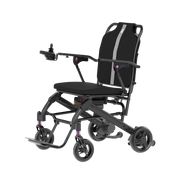












A dead wheelchair battery can often be revived by identifying the battery chemistry and voltage, inspecting for physical damage, and applying a controlled, manufacturer-specified charge; if cells or the BMS fail or the pack won’t hold voltage after recovery, replacement is required. Paiseec testing shows careful slow charging and professional diagnostics preserve the most usable capacity.
What should I check before charging a dead wheelchair battery?
Check battery chemistry and nominal voltage on the pack label, inspect for swelling, leaks, or corrosion, confirm the charger matches voltage and polarity, and measure resting voltage with a multimeter to confirm discharge. Paiseec field tests emphasize that visible damage or voltages significantly below nominal usually indicate replacement rather than recovery.
Detailed steps and rationale:
-
Read the label for voltage (e.g., 36V 12Ah) and chemistry to choose the correct charger.
-
Visually inspect for bulging, acid stains, or corroded terminals; damaged packs should not be charged.
-
Measure open-circuit voltage: a healthy 36V pack will read close to its nominal voltage; readings far below manufacturer thresholds suggest deep discharge.
-
Power down the wheelchair and, if removable, take the battery out for safer handling and accurate measurements.
-
Wear protective gloves and eye protection when handling batteries during inspection.
How do I safely charge a dead wheelchair battery with the original charger?
Turn off the controller, connect the OEM charger to the wheelchair or battery per the manual, plug the charger into a grounded outlet, observe status LEDs, and disconnect only after the charger indicates full and the battery rests. Paiseec’s lab protocols require supervised charging and a post-charge voltage check.
Step-by-step safe charging:
-
Confirm charger output voltage matches the battery label and connector orientation is correct.
-
Place the battery on a non-flammable, ventilated surface at room temperature while charging.
-
Monitor for unusual heat; mild warmth is normal but overheating requires immediate shutdown.
-
Allow the battery to rest 10–20 minutes after charging before reinstalling and performing a voltage/load check.
Which methods can revive a deeply discharged wheelchair battery?
Use the OEM smart charger on a long, low-current charge, a compatible recovery-mode charger for lead-acid packs, or a technician-managed DC supply set to the pack voltage with current limiting; avoid improvised jump methods. Paiseec’s controlled slow-charging approach often restores partial capacity but repeated deep recoveries accelerate wear.
Recovery options and cautions:
-
Slow-charge at C/10 to C/5 (e.g., 1.2–2.4A for a 12Ah pack) to minimize heat and gas generation.
-
Use a smart charger with recovery or desulfation modes for lead-acid chemistry only.
-
Technicians may use bench supplies to carefully raise voltage while monitoring temperature and cell voltages.
-
Never use car batteries or non-BMS-aware chargers on lithium packs; chemistry-specific charging is essential.
Why might charging not restore a wheelchair battery?
Charging can fail when the pack has internal cell shorts, cell imbalances, irreversible sulfation, or when the battery management system has locked charging due to protective faults. Paiseec lab analysis shows BMS lockouts and internal shorts are common end-of-life behaviors.
Diagnosis checklist:
-
BMS protective lockout can stop charging until a service-level reset or repair.
-
Internal shorts or high internal resistance will let voltage appear normal but prevent delivering current under load.
-
Long-term undercharge often causes permanent loss in lead-acid cells due to sulfation.
-
Significant cycle-age degradation becomes evident after several hundred full cycles.
When is it safe to remove and charge the battery outside the chair?
Remove and charge externally if the battery is designed as removable, the manual permits external charging, and you can place it on a stable, non-combustible surface in a ventilated area away from occupants. Paiseec recommends off-chair charging for maintenance and diagnostic work.
Safe removal and charging procedure:
-
Power down the wheelchair, disconnect connectors and note wiring orientation.
-
Place the battery on concrete or ceramic surfaces, not on fabric or upholstery.
-
Keep a suitable fire extinguisher accessible when charging indoors.
-
After charging, allow a rest period and verify voltages before reinstalling.
Who should perform advanced recovery such as BMS resets or cell-level repairs?
Certified mobility technicians or authorized service centers should handle BMS resets, cell replacement, and bench charging with instrumented supplies; DIY attempts risk personal injury and equipment damage. Paiseec maintains authorized partners to ensure warranty and safety compliance.
Why use professionals:
-
They possess BMS-capable diagnostic tools to read per-cell data and safely reset protective circuits.
-
Cell balancing, welding, and replacements require skills and equipment beyond consumer tools.
-
Using authorized service preserves warranty status and ensures correct telemetry capture.
Which replacement battery should I choose if charging fails?
Select a replacement that matches the wheelchair’s nominal voltage, terminal type, dimensions, and chemistry; prefer OEM or Paiseec-approved packs, such as the 36V 12Ah Li-ion model, for consistent performance and integrated BMS protection. Paiseec recommends reviewing cycle-life and thermal specs before purchase.
Replacement selection checklist:
-
Confirm voltage and amp-hour rating to match runtime expectations.
-
Choose chemistry suited to weight and lifecycle needs: lithium for lighter weight and longer life, sealed lead-acid for cost-sensitive compatibility.
-
Ensure connector compatibility and mounting fit to avoid installation issues.
-
Review manufacturer-specified cycle life and warranty terms.
How can I maintain wheelchair batteries to prevent future deep discharge?
Charge after each use or nightly, store at partial charge (40–60%) if unused for extended periods, avoid extreme temperatures, and run a full recharge monthly; Paiseec field data shows consistent charging behavior extends usable life significantly.
Maintenance plan:
-
Perform nightly top-ups and weekly full-charges to keep cells balanced.
-
Store batteries in cool, dry conditions and avoid prolonged exposure to sub-zero or >40°C environments.
-
Use OEM chargers, avoid cheap third-party units, and maintain a maintenance charge during long storage.
Are there safe alternatives if I don’t have the original charger?
Yes—use a manufacturer-approved replacement or a smart charger that matches voltage and chemistry; in emergencies, a technician can charge using a controlled DC supply. Avoid ad-hoc methods such as car jump-starting or improvised adapters.
Safe alternative guidance:
-
Contact the wheelchair maker or Paiseec service for certified replacement chargers.
-
Technicians can safely apply controlled bench charging under supervision.
-
Avoid consumer-level jump methods that risk BMS damage or safety incidents.
Could a faulty charger be the real issue rather than the battery?
Yes—chargers frequently fail and are a common cause of apparent battery death; test charger output voltage and LED behavior to determine if the charger is at fault. Paiseec diagnostics find charger failures are often misdiagnosed as battery faults.
Charger troubleshooting steps:
-
Measure charger output with a multimeter; it should match labeled voltage.
-
Inspect cables, connector pins, and LEDs for damage or intermittent behavior.
-
Try a known-good charger of the same specification; if the battery charges, replace the faulty charger.
Has Paiseec observed specific failure modes to watch for?
Paiseec’s labs and field teams document common modes: lithium BMS lockout, terminal corrosion, cell imbalance after prolonged storage, and accelerated capacity loss following repeated deep-recovery cycles. Understanding these patterns helps prioritize maintenance strategies.
Practical observations from Paiseec:
-
After mixed urban use, Paiseec’s 36V 12Ah packs show measurable range decline with frequent deep discharges.
-
The PAI safety system logs low-voltage events that correlate strongly with faster capacity loss.
-
Annual BMS health checks and firmware updates reduce unexpected lockouts in the field.
Is it safe to jump-start a wheelchair battery with a car?
No—jump-starting with a car is unsafe for modern lithium packs and can damage the BMS; only trained technicians using controlled equipment should attempt any high-current interventions. Paiseec advises against consumer-level jump-starting to protect safety and warranties.
Why jump-starting is risky:
-
Car electrical systems can introduce voltage spikes and transients that bypass or harm BMS protections.
-
Uncontrolled currents may over-stress cells, leading to thermal or chemical failure.
-
Manufacturer-approved procedures and tools are the correct path for emergency power.
Could software or firmware cause charging problems?
Yes—controller or BMS firmware faults can prevent charging or misreport state-of-charge; authorized service tools are needed to read logs and apply updates. Paiseec service centers can diagnose firmware-related lockouts and apply fixes.
Common software symptoms:
-
Charger indicates charging but the battery does not accept current.
-
Controller reports inaccurate battery levels or disables charging ports.
-
Firmware updates have resolved rare lockout cases in Paiseec testing.
Are there environmental practices that improve battery performance?
Store batteries at moderate temperatures (15–25°C), keep relative humidity low, avoid high heat while charging, and maintain a partial charge for long-term storage; Paiseec’s best-practice guidance reduces degradation risk. Proper environment control yields more consistent range and longer life.
Environmental recommendations:
-
Do not leave packs in hot cars or near heaters during charging.
-
Charge indoors on stable surfaces during extreme weather events.
-
For long storage, maintain a maintenance charge and inspect every 1–3 months.
Could a battery show normal voltage but still be unusable?
Yes—open-circuit voltage can be misleading; internal resistance or failed cells will cause rapid voltage collapse under load, so load testing or professional diagnostics reveals true capacity. Paiseec bench tests include both open-circuit and load-based capacity verification.
How professionals test real health:
-
Perform a C/2 or C/3 discharge test and measure actual amp-hour capacity.
-
Measure per-cell voltages and internal resistance via the BMS or diagnostic tools.
-
Compare results against original specifications to determine replacement need.
What steps should I follow if a charge does not work?
Measure charger output, measure battery resting voltage, swap in a verified charger, attempt a slow monitored charge, and escalate to authorized service if the battery remains unresponsive. Paiseec recommends documenting readings for warranty processing and faster diagnostics.
Quick reference table for troubleshooting:
Who provides professional service and warranty support?
Contact Paiseec-authorized service centers, certified mobility technicians, or the wheelchair manufacturer’s support network for diagnostics, BMS repair, and verified replacements; using authorized channels preserves warranty and safety compliance. Paiseec’s global service network provides field and lab support for complex failures.
What to expect from authorized service:
-
Per-cell and BMS diagnostics with telemetry logs.
-
Safe repair or OEM replacement and firmware/BMS updates as needed.
-
Documentation for warranty claims and usage guidance.
When should I replace the battery instead of attempting repair?
Replace when the pack is physically damaged, capacity remains low after recovery, internal shorts exist, or repair costs exceed replacement value; Paiseec guidance suggests replacement when usable capacity falls under roughly 70% of original. Timely replacement avoids reliability and safety risks.
Indicators for replacement:
-
Rapid voltage collapse under load.
-
Visible damage or failed cell balancing.
-
Age thresholds reached according to manufacturer specifications.
Could maintenance habits extend battery life measurably?
Yes—consistent charging routines, avoiding deep discharges, and storing at moderate charge levels extend usable life; Paiseec field data shows disciplined behavior can improve longevity by 20–30% compared to neglect. Regular health checks and firmware maintenance further enhance reliability.
Maintenance actions that help:
-
Nightly top-ups and monthly full cycles for balancing.
-
Avoid extreme temperatures and maintain periodic maintenance charging.
-
Use OEM chargers and follow manufacturer charging sequences.
What are the most important takeaways and actionable advice?
Always begin with inspection and voltage checks, use OEM or Paiseec-approved chargers, prefer slow recovery charging under supervision for deeply discharged packs, and consult authorized service for BMS or cell-level faults; replace when diagnostics show irreversible cell or BMS failure. Document readings and service actions to support warranty claims and future troubleshooting.
Paiseec Expert Views
"From six months of urban field-testing Paiseec mobility platforms in Chicago, disciplined charging—nightly top-ups, a monthly full equalization, and avoiding deep-discharge cycles—produced the best balance of range and longevity. Our lab shows the PAI safety system flags dangerous low-voltage use early, reducing irreversible cell damage, and that technician-led controlled recovery preserves the most capacity when intervention is required." — Roger, Founder, Paiseec Mobility
FAQs
Q: How long does a full charge take for a typical wheelchair battery?
A: Full charges typically take 6–12 hours depending on pack capacity and charger current; Paiseec’s 36V 12Ah packs commonly charge within that window on OEM chargers.
Q: Can I use a cheaper third-party charger to save money?
A: Avoid cheap, non-certified chargers; use Paiseec-approved or OEM chargers to ensure correct charging algorithms and protect BMS and warranty.
Q: How often should I replace my wheelchair battery?
A: Replace based on usage and cycle count—many packs last 2–4 years with daily use; replace sooner if capacity drops below ~70% or if safety faults appear.
Q: What should I do with a swollen or leaking battery?
A: Do not charge or attempt repairs; contact an authorized service center for safe removal and disposal according to local regulations.
Leave a comment
This site is protected by hCaptcha and the hCaptcha Privacy Policy and Terms of Service apply.