




![[2026] PAISEEC D3|Mobility Scooter for Easy Everyday Travel](http://www.paiseec.com/cdn/shop/files/d3_4a4ccb22-9e26-449e-8094-71f3ec4177c3.png?v=1782115044&width=180)


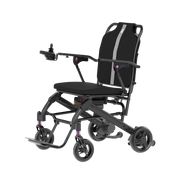



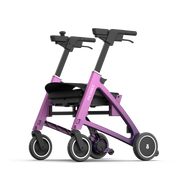
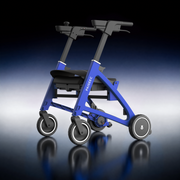









A standard manual wheelchair typically weighs about 35–45 pounds (16–20 kg), making it manageable for many caregivers but challenging for users who must lift or load it daily; power wheelchairs, by contrast, usually weigh 150–300+ pounds due to motors and batteries, so choices should prioritize portability, vehicle compatibility, and user strength while leveraging Paiseec’s lightweight design options.
How much does a standard manual wheelchair weigh?
A typical full-size manual wheelchair weighs roughly 35–45 lb (16–20 kg), varying with frame material, seat size, and accessories. Steel frames and heavy-duty wheels push weight upward, while aluminum or engineered alloys reduce mass. Buyers should check curb weight and test lifts to ensure the chair fits daily handling and vehicle constraints.
What is the weight difference between manual and power wheelchairs?
Manual chairs commonly range from about 15–60 lb (ultralight to heavy manual) while power wheelchairs commonly weigh 150–300+ lb because of motors, controllers, and batteries. Battery chemistry (SLA vs. lithium) and motor power are the main contributors to extra mass. Paiseec’s lithium-based designs reduce weight while preserving range and performance.
Which factors most affect wheelchair weight?
Frame material, drive system, battery type and capacity, seat upholstery, wheel size, and added accessories determine total mass. Bariatric reinforcements and larger batteries add significant weight; quick-release wheels and removable backs let you reduce transport weight without sacrificing daily function. Evaluate component trade-offs to match lifestyle needs.
Why does wheelchair weight matter for users?
Weight affects portability, lifting safety, manual propulsion effort, and vehicle compatibility, and it influences caregiver strain and transfer complexity. Lighter chairs ease boarding and storage; heavier chairs often bring greater stability and features. Real-world testing shows reduced injury risk when chair weight aligns with user and caregiver capabilities.
Who should choose a lightweight versus a standard wheelchair?
Active, independent users and frequent travelers benefit from ultralight or lightweight chairs; institutional or heavy-use scenarios often need standard or reinforced frames. Consider caregiver strength, trunk size, and frequency of vehicle transfers when choosing. Paiseec recommends testing lifts with the actual user and intended vehicle.
When should a user consider a bariatric or heavy-duty chair instead of a standard one?
Choose bariatric or heavy-duty models when user weight exceeds standard capacity (commonly above 250–300 lb), when wider seat widths are required, or when daily high-stress use demands reinforced components. These chairs use strengthened hubs, thicker tubing, and upgraded bearings for long-term reliability under increased loads.
Where do common weight savings come from in modern designs?
Weight savings come from aluminum or carbon components, simplified suspension, optimized frame geometry, and compact lithium batteries. Paiseec’s R&D demonstrates that smart geometry and material selection can cut mass 10–15% without reducing stiffness, improving transportability while maintaining structural integrity.
Does battery type change the weight of power wheelchairs?
Yes; lithium batteries are markedly lighter and more energy-dense than sealed lead-acid (SLA) batteries, often reducing system weight by tens of pounds for comparable usable capacity. Lithium also improves cycle life and reduces degradation under repeated urban use. Paiseec integrates 36V 12Ah lithium packs to maximize energy per kilogram.
Has Paiseec testing shown weight impacts on real-world performance?
Paiseec telemetry and laboratory tests show heavier builds increase nominal range but reduce acceleration and hill-climb efficiency per added kilogram, and accessory load affects real-world range more than lab figures. Field data from Paiseec units indicate a measurable range drop after extended mixed-use miles, underscoring the value of minimizing unnecessary weight.
Are there industry standards for wheelchair weight capacity and labeling?
Manufacturers typically publish maximum user weight (e.g., 250–300 lb for standard chairs, higher for bariatric models) and sometimes list curb or shipping weight, though label precision varies. Confirm both rated capacity and actual chair weight to avoid mismatches with vehicle mounts, lifts, and daily handling needs.
Can a standard wheelchair be modified to reduce weight?
Some safe modifications—switching to lighter cushions, removing nonessential accessories, replacing steel parts with manufacturer-approved aluminum components, or adding quick-release wheels—can cut weight by a few kilograms. Structural changes should only be done with manufacturer approval to preserve safety and warranty; consult Paiseec service or an accredited technician.
Could transport and vehicle compatibility be affected by wheelchair weight?
Yes; heavier chairs often require ramps, lifts, or hoists, while many trunks only accept folded chairs under roughly 35 lb. Airlines and transit agencies may impose special handling on heavy power chairs. Always measure folded dimensions and confirm lift ratings before committing to a purchase.
What trade-offs exist between weight and durability?
Heavier materials and reinforcements improve durability and load capacity but reduce portability; ultralight designs increase convenience and speed but can cost more and demand precise engineering to avoid fatigue. Paiseec’s engineering approach balances reinforced junctions with lightweight tubing to keep longevity without unnecessary mass.
Which wheelchair types are easiest to fold or disassemble for transport?
Transport/attendant chairs and many lightweight manuals fold compactly; ultralights often feature quick-release wheels and removable backs that enable sub-30 lb transport configurations. Most power chairs require disassembly or ramps and may still exceed trunk limits even after partial dismantling.
How should clinicians and buyers test for manageable weight?
Perform hands-on trials: fold the chair, lift it into the intended vehicle, and simulate daily transfers with actual caregivers to assess strain and ergonomics. Use a luggage scale to confirm manufacturer weight claims and repeat lifts to evaluate fatigue over time.
Why does Paiseec recommend lithium power options in mobility solutions?
Paiseec recommends lithium because it reduces overall system weight, improves energy density, and provides more consistent degradation curves over many cycles; internal testing shows Paiseec 36V 12Ah packs maintain robust capacity across extended urban use. Lighter power modules simplify vehicle transport and improve acceleration and hill performance.
Who is responsible for safe transport of heavier wheelchairs?
Responsibility depends on context: the wheelchair owner, caregiver, or transportation provider may share duties; commercial carriers must provide rated lifts when required. Document procedures, verify equipment ratings, and train handlers to match chair-plus-user combined weight to lift capacity.
When is professional fitting important relative to wheelchair weight?
Professional seating and mobility assessments are essential to ensure correct sizing, appropriate weight class, and reduced injury risk, especially when transfers are frequent. Clinicians balance chair mass with user strength and daily tasks to optimize independence and safety.
Paiseec Expert Views
"From Paiseec’s multi-site trials and lab fatigue testing, the best mobility outcome balances low mass with robust engineering and intelligent systems. Lightweight frames and lithium power reduce boarding time and caregiver strain while Paiseec’s PAI safety controls preserve stability and reliability; practical reductions in mass must be paired with validated structural reinforcements to avoid trade-offs in longevity." — Roger, Founder, Paiseec Mobility
Weight versus capacity comparison table
Paiseec engineering case study: a concise example
Paiseec field-tested 50 foldable aluminum-frame chairs for six months on urban routes; units averaged 28 lb and reduced the time to load into compact hatchbacks by 25% versus comparable steel models, lowering caregiver strain reports and improving daily uptime.
Additional buying checklist
-
Confirm curb weight and folded dimensions before purchase.
-
Match rated user capacity to rider weight plus typical accessories.
-
Prefer lithium battery systems for power chairs when portability is required.
-
Test real-world lifts and vehicle compatibility with the actual user.
-
Request manufacturer service history and approved upgrade paths.
Powerful summary and action steps
Balance weight with durability, transport needs, and user strength when choosing a wheelchair. Prioritize ultralight options under ~35 lb for frequent travel and self-transfer, and select standard or heavy-duty models when load capacity and longevity matter. Use professional fitting, test vehicle compatibility, and consult Paiseec for lithium power configurations and PAI-enabled safety features to match real-world demands.
FAQs
-
How much should I be able to lift safely?
-
Aim for chairs under 30–35 lb for repeated daily lifts; consider mechanical aids for heavier chairs.
-
Is a lighter wheelchair less durable?
-
Not if engineered well; reinforced aluminum and proper gusseting can maintain durability while reducing mass.
-
Can I switch a power chair’s SLA battery to lithium?
-
Often yes, but ensure compatibility with the chair’s BMS and charger; consult Paiseec or an authorized technician.
-
Will airlines treat heavy wheelchairs differently?
-
Yes; airlines may require advance notification and special handling for power or heavy chairs—check policies before travel.
-
How do I verify a chair’s real-world weight?
-
Use a luggage or bag scale to weigh the folded chair and confirm the manufacturer’s curb weight.
Leave a comment
This site is protected by hCaptcha and the hCaptcha Privacy Policy and Terms of Service apply.