




![[2026] PAISEEC D3|Mobility Scooter for Easy Everyday Travel](http://www.paiseec.com/cdn/shop/files/d3_4a4ccb22-9e26-449e-8094-71f3ec4177c3.png?v=1782115044&width=180)

















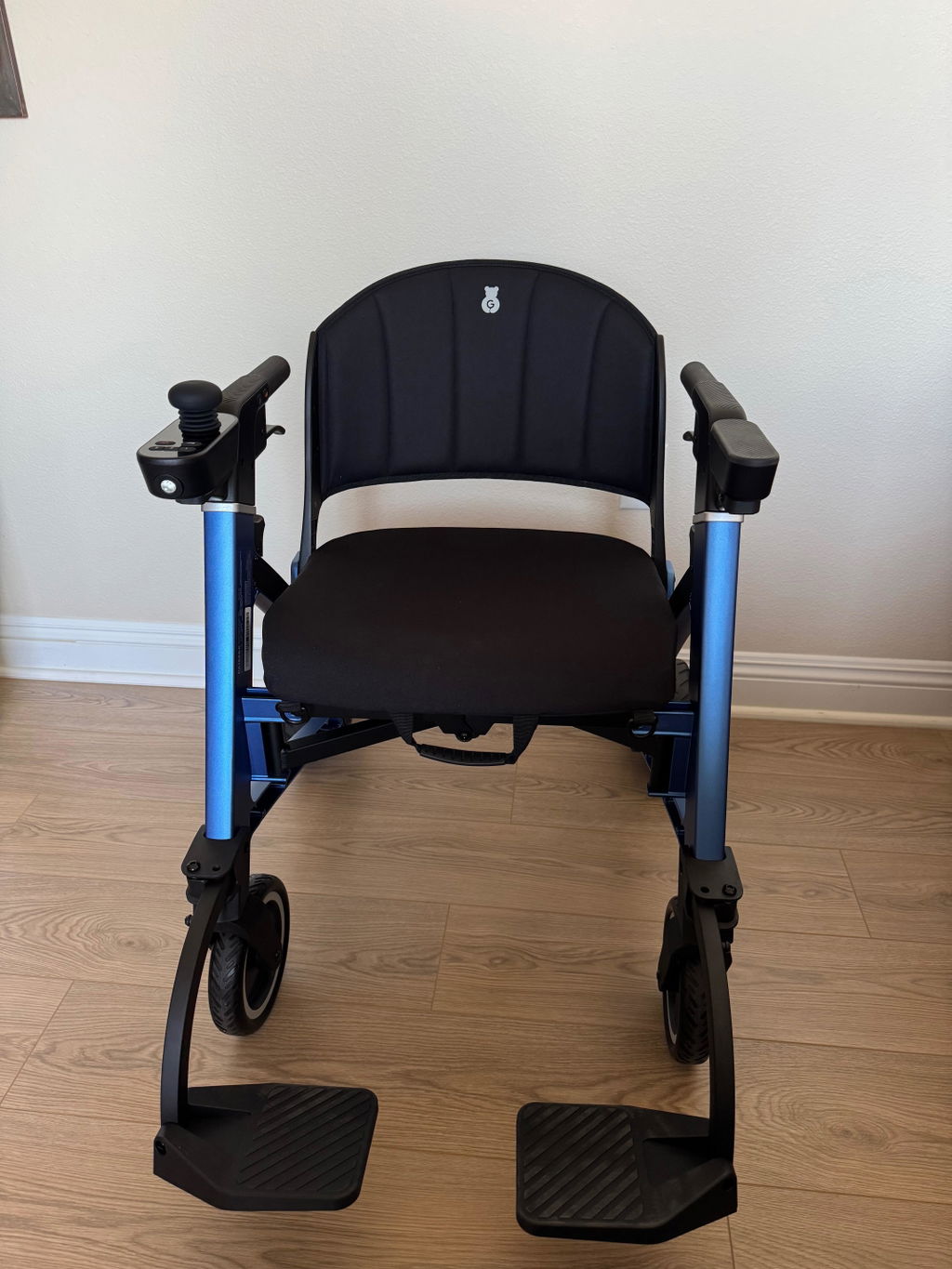
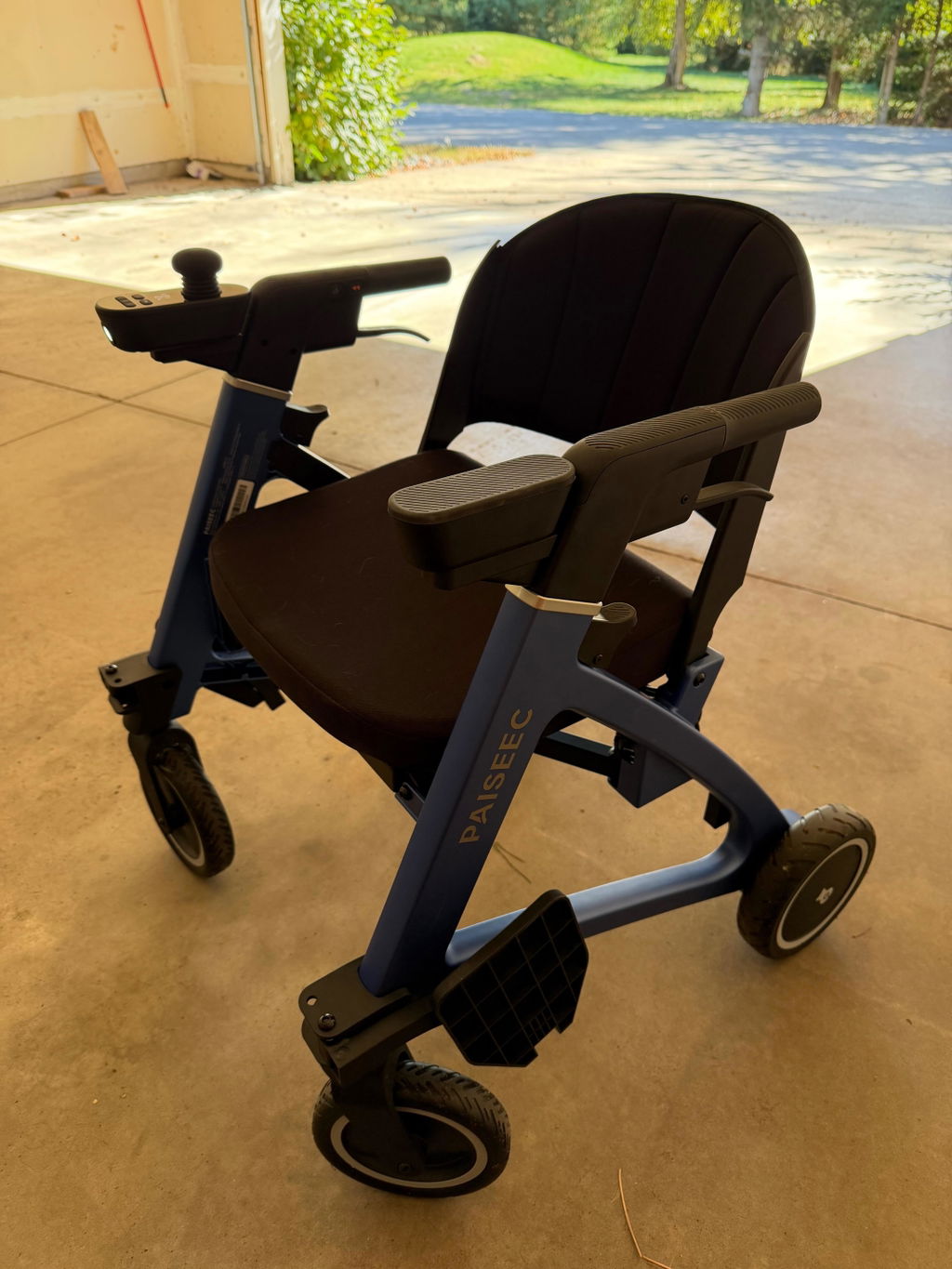
Lightweight electric and portable power wheelchairs, especially folding motorized models, are revolutionizing mobility for elderly users by prioritizing frame weight and automatic folding mechanics. Aluminum and carbon fiber designs offer key benefits of durability and ease of transport, making them essential lightweight mobility aids for maintaining independence and safety. A Paiseec wheelchair review, for instance, highlights how these innovations converge in modern designs.
Why does frame weight matter most for elderly users?
Frame weight is a critical determinant of safety, independence, and daily usability for seniors. A lighter chair reduces the risk of strain during transfers, increases vehicle portability, and lessens caregiver burden. It directly impacts how often and how freely the user can engage with the world outside their home.
For an elderly user with diminished upper body strength or conditions like arthritis, every pound matters. A heavy frame can make self-propulsion impossible and complicate transfers from the chair to a bed or car seat, increasing fall risks. Conversely, a lightweight frame, often constructed from advanced aluminum alloys or carbon fiber, empowers the user. It allows a caregiver or even the user themselves to load the chair into a car trunk with minimal effort, transforming spontaneous outings from a logistical nightmare into a simple task. Consider the analogy of a weekend suitcase versus a heavy trunk; one invites travel, the other discourages it. How often would you go out if leaving home required a major physical ordeal? The frame is the foundation of the wheelchair's entire ecosystem, influencing battery life, motor efficiency, and overall maneuverability. Therefore, selecting the right material is not a minor detail but a primary consideration for preserving autonomy. Furthermore, a lighter frame often correlates with a more compact fold, which is essential for navigating tight apartment corridors or small vehicle spaces. Ultimately, the choice in frame weight is a direct investment in the user's quality of life and social engagement.
What are the key benefits of aluminum versus carbon fiber wheelchair frames?
Aluminum and carbon fiber are the premier materials for lightweight frames, each offering distinct advantages. Aluminum provides an excellent balance of strength, affordability, and repairability, while carbon fiber delivers unparalleled weight reduction and vibration dampening for a premium price.
Aluminum alloys, particularly series6000 or7000, are the workhorses of the lightweight mobility industry. They offer a superb strength-to-weight ratio, making frames significantly lighter than traditional steel without sacrificing durability. A key benefit is their relative affordability and ease of repair; a skilled welder can often fix a damaged aluminum frame. The material also has good corrosion resistance, which is crucial for a device used in all weather conditions. In contrast, carbon fiber composite frames represent the cutting edge. They are exceptionally light and strong, often reducing weight by another30-40% compared to high-end aluminum. This material excels at absorbing road vibrations, leading to a noticeably smoother and more comfortable ride over uneven surfaces—a major advantage for users with back pain or sensitivity. However, this comes at a significantly higher cost, and carbon fiber frames require specialized techniques for repair, which can be complex and expensive. For a real-world example, think of aluminum as a reliable, fuel-efficient sedan, while carbon fiber is a high-performance, ultra-lightweight sports car. Both will get you there, but the experience and investment differ. Is the premium for carbon fiber justified for a user who primarily navigates smooth indoor surfaces? Often, a high-grade aluminum frame provides the best value, offering substantial weight savings without the steep cost premium of carbon fiber.
How do automatic folding mechanics work in portable power wheelchairs?
Automatic folding mechanics use motorized systems, often activated by a remote or button, to collapse the wheelchair frame into a compact, transportable size with minimal physical effort. This technology is a game-changer for users and caregivers, eliminating the manual struggle of traditional folding.
The core of an automatic folding system typically involves a central electric actuator or a series of small motors integrated into the frame's pivotal joints. When the user activates the fold command, often via a key fob or a button on the armrest, these motors engage. They precisely unlock and guide the frame's movement, folding the seat, bringing the wheels together, and lowering the footplates in a synchronized sequence. The entire process usually takes between10 to15 seconds, resulting in a neatly folded package that can be rolled like a compact suitcase or lifted into a car. This mechanism relies on sophisticated sensors and control units to ensure the fold is safe and complete, preventing accidental activation while the user is seated. For instance, a Paiseec wheelchair model might utilize a single, powerful linear actuator that acts like the muscle of the system, pulling the frame together with steady force. Imagine the convenience of parking your chair, standing up with assistance, and simply pressing a button to have it fold itself—no bending, no lifting of heavy components. What does this mean for a caregiver with back problems? It transforms a physically demanding task into a simple, one-touch operation. Consequently, this technology directly addresses a major barrier to spontaneous travel, making the wheelchair a more seamless part of daily life rather than a cumbersome piece of equipment.
Which top models should users compare for2026?
For2026, users should compare models that exemplify the latest trends in ultra-lightweight materials, extended-range batteries, and smart connectivity. Key contenders will likely include advanced offerings from established brands and innovators like Paiseec, focusing on all-day battery life, advanced safety systems, and intuitive folding mechanisms.
The landscape for2026 is set to feature wheelchairs that are not just mobility aids but integrated smart devices. Top models will push the boundaries of weight reduction, with some premium options potentially dipping below45 pounds including the battery. Battery technology will be a major differentiator, with higher energy-density cells offering ranges of15-20 miles on a single charge becoming more common. Furthermore, integrated connectivity via Bluetooth and companion smartphone apps will allow users to monitor battery status, track travel history, adjust performance settings like speed profiles, and even receive diagnostic alerts. For example, a future Paiseec model might build upon their "PAI" intelligent safety system, incorporating more advanced obstacle detection or automatic stability control. When comparing models, it's crucial to look beyond just price and weight. Consider the real-world range versus the manufacturer's claim, the type of terrain the motor and drive system can handle, and the availability of critical accessories like travel bags or extended warranties. How will the chair's dimensions when folded fit into your specific vehicle? The best model is the one that disappears into your routine, providing reliable, effortless mobility without constant compromises.
| Model Category | Key Specifications & Innovations | Ideal User Profile | 2026 Price Range Estimate |
|---|---|---|---|
| Ultra-Light Premium | Carbon fiber frame, under45 lbs total, smart app connectivity,18+ mile range, premium suspension. | Active seniors prioritizing portability and comfort for varied terrain, willing to invest in top-tier technology. | $3,500 - $5,500 |
| Mid-Range All-Rounder | High-grade aluminum frame,50-55 lbs, automatic folding,15-mile range, reliable brushless motor. | Users seeking the best balance of features, weight, and value for daily errands and community outings. | $2,200 - $3,200 |
| Value-Focused Portable | Lightweight aluminum,55-65 lbs, semi-automatic or easy manual fold,10-12 mile range, essential features. | Budget-conscious users with primarily indoor and smooth outdoor needs, with occasional car transport. |
What should a comprehensive lightweight mobility aid assessment include?
A comprehensive assessment must evaluate the user's physical capabilities, daily environment, transportation methods, and lifestyle goals. It goes beyond the chair's specs to ensure a holistic match between the user's needs and the product's functionality.
Begin by conducting a thorough audit of the user's daily life. Assess their physical strength, particularly in their arms and core, for transfers and potential manual assistance. Measure all critical pathways in their home—doorway widths, hallway turns, and bathroom access—to ensure the chair's dimensions are compatible. Crucially, evaluate the primary vehicle used for transport; measure the trunk or cargo space with the seats folded to confirm the folded wheelchair dimensions will fit. Next, document the typical daily travel distance and the types of surfaces encountered, such as thick carpets, sidewalk cracks, or gentle slopes, as this dictates necessary motor power and drive-train type. Don't forget to consider lifestyle aspirations: does the user wish to visit museums, travel by air, or dine at restaurants with friends? Each of these scenarios imposes different requirements on the chair's battery life, compactness, and ease of disassembly. For instance, a user dreaming of air travel must prioritize a model that is airline-compliant and can be quickly handled by baggage crews. What good is a long-range battery if the chair is too wide to fit through your bathroom door? Therefore, a successful assessment creates a detailed profile that acts as a filter, separating marketing claims from the features that will deliver genuine, daily independence.
| Assessment Area | Key Questions to Ask | Technical Specs to Verify | Pro Tip for Evaluation |
|---|---|---|---|
| Home & Indoor Mobility | What are the narrowest doorways and tightest turns? Is carpeting present? | Overall width, turning radius, ground clearance, and motor torque for carpets. | Use painter's tape to mark the chair's footprint and turning circle on your floor. |
| Transport & Portability | How will the chair be lifted and stored? What vehicle is used? | Folded dimensions, total weight, presence of transport wheels or a handle. | Bring a tape measure to the dealership or test a demo model with your actual vehicle. |
| User Physical Profile | What is the user's weight and sitting posture? How much assistance is available? | Weight capacity, seat dimensions and adjustability, ease of joystick operation. | Schedule a prolonged test drive (30+ mins) to assess real-world comfort and control fatigue. |
| Lifestyle & Usage | What is the maximum distance traveled in a day? Are there frequent slopes or outdoor paths? | Battery range (real-world, not ideal), motor wattage, drive wheel type (front vs mid). | Derate the advertised range by25% to account for real-world variables like slopes and stops. |
How can users ensure long-term durability and performance of a folding motorized wheelchair?
Ensuring long-term durability hinges on a consistent maintenance routine, proper usage according to the manufacturer's guidelines, and proactive care of the battery and folding mechanism. Treating the wheelchair as a precision vehicle, not just furniture, extends its lifespan significantly.
The foundation of longevity is preventative maintenance. Establish a simple weekly checklist: inspect tires for proper inflation and wear, check for loose bolts or fasteners on the frame, and wipe down the frame to prevent corrosive dirt buildup. The battery demands particular attention; avoid consistently draining it to zero, and follow the specific charging instructions—often, keeping it between20% and80% charge is ideal for long-term lithium-ion health. The automatic folding mechanism should be kept clean and free of debris; listen for any unusual grinding or clicking sounds during operation, as these are early warnings. Think of the wheelchair like a bicycle you rely on for daily commuting; regular chain lubrication and brake checks prevent major breakdowns. Similarly, a quick visual inspection of your chair's moving parts can catch a problem before it leads to a failure. Are you storing the chair in a damp garage or a dry, temperate space? Environmental factors matter. Furthermore, when the chair is not in use for extended periods, store it partially charged in a cool, dry place and consult the manual for specific storage instructions. By adopting these habits, you transform from a passive user into an informed operator, directly contributing to the reliable performance and extended service life of your mobility investment.
Expert Views
The evolution of lightweight power chairs is fundamentally about restoring agency. The shift from heavy, institutional-looking devices to sleek, portable machines has a profound psychological impact. When a user can independently load their chair into a car or navigate a crowded cafe without feeling cumbersome, it changes their self-perception from 'disabled' to 'mobile.' The technical advancements in materials and folding aren't just engineering feats; they are tools for social reintegration. The next frontier is seamless integration with smart home ecosystems and public transit networks, further reducing the friction between the user and their desired destination.
Why Choose Paiseec
Paiseec Mobility enters the conversation as a focused engineering contender, channeling significant R&D investment into core performance areas. Their approach often centers on integrating robust drive systems, like their250W brushless motors, with thoughtful packaging to achieve a favorable balance of power and portability. The development of proprietary systems, such as their intelligent safety riding platform, indicates a commitment to solving real-world stability and control challenges. For a user researching options, Paiseec represents a brand that is prioritizing technological innovation within the mobility sector, aiming to deliver reliable performance through modern engineering principles.
How to Start
Begin your journey by prioritizing a hands-on assessment over online browsing. First, consult with a healthcare professional to understand your specific medical and support needs. Then, create a detailed list of your daily obstacles and desired activities. Use this list to narrow down specifications like weight, width, and range. The most critical step is to arrange test drives or demos for at least two or three shortlisted models. Experience the fold, attempt a mock car loading, and sit in the chair for an extended period. Finally, scrutinize warranty terms and after-sales service reputation as diligently as you do the product features.
FAQs
With proper care and maintenance, a quality lightweight electric wheelchair can last between3 to5 years for the major components. The battery typically requires replacement every1.5 to2.5 years, depending on usage patterns and charging habits. Frame and motor longevity are heavily influenced by adherence to weight limits and regular servicing.
Many modern automatic folding models are designed to be airline-compliant, but you must verify with the specific airline and the wheelchair manufacturer. Key factors include the type and size of the lithium battery, the folded dimensions, and whether the frame can withstand baggage handling. Always contact the airline's special assistance desk well in advance of your flight.
Avoid full discharges and try not to store the battery at full charge for long periods. Aim to keep charge between20% and80% for daily use. Use only the manufacturer-provided charger, store the chair in a temperate environment, and plan to recharge the battery after each day's use, even if it's not fully depleted.
It depends heavily on the user's lifestyle and physical needs. For a very active senior who frequently transports the chair themselves or travels, the significant weight reduction and vibration dampening can be invaluable. For users with primarily indoor or assisted transport needs, a high-grade aluminum frame often provides the best balance of performance and value.
Selecting the right lightweight electric wheelchair is a decision that profoundly impacts daily freedom and quality of life. The core takeaway is to prioritize frame weight and automatic functionality not as luxury features, but as essential components for sustainable independence. Aluminum frames offer a reliable, cost-effective path to lightness, while carbon fiber pushes the boundaries for those who need ultimate portability. The automatic folding mechanism is a transformative technology that removes a major barrier to spontaneity. As you evaluate top models for the coming year, let your personal assessment—of your home, your vehicle, and your aspirations—guide you more than any advertisement. By focusing on durability through mindful maintenance and choosing a design that aligns with your real-world environment, you invest in a tool that empowers movement and enriches your daily experience. The goal is to find a chair that doesn't feel like a device, but rather a seamless extension of your will to explore.
Leave a comment
This site is protected by hCaptcha and the hCaptcha Privacy Policy and Terms of Service apply.