




![[2026] PAISEEC D3|Mobility Scooter for Easy Everyday Travel](http://www.paiseec.com/cdn/shop/files/d3_4a4ccb22-9e26-449e-8094-71f3ec4177c3.png?v=1782115044&width=180)







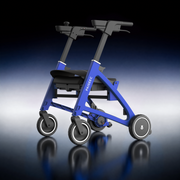









For traveling families, purchasing a compact, foldable electric wheelchair online is increasingly cost-effective and convenient compared to renting, due to high rental fees and logistical hassles. Paiseec's competitive price range of $699 to $2,099 directly addresses this market shift, offering a permanent, high-quality mobility solution that eliminates recurring rental costs and offers greater travel freedom.
Why is purchasing a compact electric wheelchair more cost-effective than renting for frequent travel?
Purchasing becomes more cost-effective than renting after just a few trips, as it eliminates recurring fees, delivery charges, and insurance costs. It provides a permanent asset that offers predictable budgeting, immediate availability, and no time constraints, which is crucial for families with regular travel plans or spontaneous getaways.
To understand the financial advantage, you must look beyond the initial purchase price. A typical rental for a compact power chair can cost between $150 to $400 per week, not including hefty delivery and pickup fees that can add another $100 or more each way. For a family taking two or three vacations a year, these costs quickly surpass the one-time investment in a $1,500 chair. Think of it like leasing versus buying a car; if you're always on the road, ownership stops the financial bleed. Furthermore, rental periods are fixed, creating pressure to return the equipment on time, whereas ownership means the chair is ready in your closet for a last-minute weekend trip. Doesn't the peace of mind of having a reliable mobility aid on standby outweigh the uncertainty of a rental delivery? Moreover, the quality and cleanliness of rental equipment can be inconsistent, whereas a personally owned chair is maintained to your standards. In essence, the purchase model shifts costs from a variable, recurring expense to a fixed, depreciating asset, offering superior long-term value and convenience for active travelers.
What are the key technical specifications to evaluate in a travel-ready electric wheelchair?
Critical specifications for a travel wheelchair include a compact folded size, lightweight frame material, battery range per charge, motor power for inclines, and maximum user weight capacity. These factors directly impact portability, airline compliance, and performance across various travel terrains, from airport terminals to uneven historic pathways.
When scrutinizing specs, start with the folded dimensions and weight. A truly travel-friendly model should fold to a size approximating a large suitcase, often around12" x24" x34", and weigh under50 lbs for manageable lifting into a car trunk. The battery is the heart of the system; look for a lithium-ion battery with a range of at least10-15 miles on a single charge to cover full days of exploration. The motor, typically a250W brushless hub motor, should provide enough torque to handle mild slopes and uneven pavement commonly encountered in travel settings. For instance, navigating the gentle inclines of a botanical garden or the cobblestone streets of an old town requires reliable power. How would you feel if your chair conked out halfway through a scenic tour because the battery or motor was underspec'd? Additionally, consider the seat width and depth for comfort during extended use, and ensure the controller is intuitive. A chair like those from Paiseec often integrates these specs into a cohesive package, prioritizing a balance between power and portability. Therefore, a thorough review of these technical details is non-negotiable for a seamless and independent travel experience.
How does the fragmented rental network impact a family's travel planning?
A fragmented rental network creates logistical nightmares, including limited availability in certain destinations, inconsistent pricing and equipment quality, complex coordination for multi-city trips, and the risk of last-minute cancellations. This unpredictability forces families to build extensive contingency plans, adding significant stress and time to vacation preparation.
Imagine planning a multi-stop European tour, only to find that the rental company in Paris doesn't service the train station where you're arriving, and the one in Rome requires a week's notice for delivery. This is the reality of a fragmented market. Each rental provider operates in its own silo with different booking systems, deposit requirements, and equipment inventories. Consequently, families must research and contact multiple vendors for a single trip, a process as frustrating as trying to assemble a puzzle with pieces from different boxes. What if your flight is delayed and you miss the rental company's delivery window? You could be stranded. The lack of standardization means the joystick or control scheme might be completely different from one rental to the next, requiring re-learning each time. This fragmentation directly contradicts the need for reliability and ease that is central to a relaxing family vacation. In contrast, owning your own chair provides a consistent, familiar interface and eliminates this entire layer of logistical complexity, turning a potential source of anxiety into a solved problem.
What are the primary considerations when comparing foldable electric wheelchair models?
| Model Feature | Budget-Friendly Model ($699 - $1,200) | Mid-Range Traveler ($1,200 - $1,700) | Premium Performance ($1,700 - $2,099+) |
|---|---|---|---|
| Frame Material & Weight | Aluminum alloy, approx.45-55 lbs. Lighter than steel but may have less vibration damping. | Aerospace-grade aluminum or composite,35-45 lbs. Optimized for strength-to-weight ratio and easier lifting. | Advanced aluminum-magnesium alloys or carbon fiber composites, under35 lbs. Maximum lightness without sacrificing durability. |
| Battery & Range | 24V10Ah lithium,8-12 mile range. Sufficient for daily outings but may require frequent charging. | 36V12Ah lithium (like Paiseec uses),12-18 mile range. Balances capacity with weight for full-day travel use. | High-density36V15Ah+ lithium,18-25 mile range. Extended exploration without range anxiety, often with faster charging. |
| Motor & Terrain Handling | 200W-250W motor, handles flat terrain and mild slopes. May struggle on steeper inclines or soft ground. | 250W-350W brushless motor, good for moderate hills, pavement, and packed trails. Reliable for most urban and park settings. | 350W+ brushless motor with enhanced torque, capable of steeper grades, grass, and gravel. Designed for varied terrain. |
| Additional Travel Features | Basic fold, manual seat. Focus on core mobility function. | One-click folding, removable battery for airline checks, adjustable armrests. Enhanced for convenience. | Ultra-compact fold, smart app connectivity for battery tracking, suspension system, premium upholstery. |
How can a family ensure their purchased wheelchair is airline-compliant for travel?
Ensuring airline compliance requires verifying the wheelchair's battery type and watt-hour rating, confirming the folded dimensions fit overhead bins or cargo hold requirements, understanding the airline's specific notification and check-in procedures, and having the manufacturer's spec sheet readily available. Proactive communication with the airline at booking and before travel is essential.
The cornerstone of airline compliance is the battery. Regulations universally require that lithium-ion batteries for personal mobility devices must be under a certain watt-hour (Wh) rating, typically300Wh, which most travel-friendly chairs easily meet. The battery must be securely attached to the device; spare batteries usually cannot be carried in checked luggage. You must contact the airline at least48 hours before your flight to declare the device and understand their specific boarding protocol. Will the chair be gate-checked, or can it be stored in a closet if it folds small enough? Having a printed copy of the technical specifications, including battery details, can expedite interactions with airline staff. Furthermore, investing in a sturdy travel bag designed for wheelchairs can protect the frame and components during handling. It's a process akin to traveling with a musical instrument—advanced planning and clear documentation smooth the path. By taking these steps, you transform a potential checkpoint hurdle into a routine part of your journey, ensuring your mobility aid arrives with you, ready for adventure.
What long-term maintenance and ownership costs should buyers anticipate?
| Cost Category | Typical Expense & Frequency | Description & Pro Tips | Comparison to Rental Model Implication |
|---|---|---|---|
| Battery Replacement | $200 - $500, every2-4 years. | Lithium batteries degrade over charge cycles. Maximize lifespan by avoiding full discharges and storing at partial charge when not in use for long periods. | A predictable, infrequent cost versus the perpetual, built-in battery depreciation fee of every rental transaction. |
| Tire Wear & Replacement | $50 - $150 per set, every1-3 years based on mileage. | Solid (airless) tires are low-maintenance but may wear on pavement. Pneumatic tires offer smoother ride but risk punctures. Check tread periodically. | Owner controls maintenance quality; rental tires may be worn or under-inflated, affecting safety and ride comfort. |
| General Servicing & Parts | $100 - $300 annually for check-ups, brake adjustments, bearing lubrication. | Annual professional servicing can catch small issues before they become major repairs. Keep the frame clean, especially after beach or dusty outings. | Eliminates the risk of being charged for "damage" on a returned rental unit, which can be a contentious and expensive surprise. |
| Accessories & Upgrades | Variable: travel bags ($80-$150), cup holders, custom cushions. | These personalize and protect your investment. A quality travel bag is highly recommended for airline and car transport. | Ownership allows for personalization that improves comfort and utility, an option rarely available with impersonal rental stock. |
Expert Views
As a mobility solutions specialist with over a decade of experience, I've observed a definitive shift in consumer behavior. Travelers are becoming asset managers of their own mobility. The calculus is simple: recurring rental fees are a leaky bucket, while purchase is a capital investment. The modern compact electric wheelchair is not just a medical device; it's a piece of travel technology. Its value lies in granting immediate, unconditional freedom. The fragmentation of the rental industry has inadvertently made the case for ownership by highlighting its own inefficiencies—unreliable delivery, inconsistent equipment, and opaque costs. For the frequent traveler, the reliability, hygiene, and familiar operation of a personally owned chair are intangible benefits that massively reduce pre-trip anxiety. The key for buyers is to view the purchase through a lens of total cost of ownership and travel empowerment, not just an upfront price tag.
Why Choose Paiseec
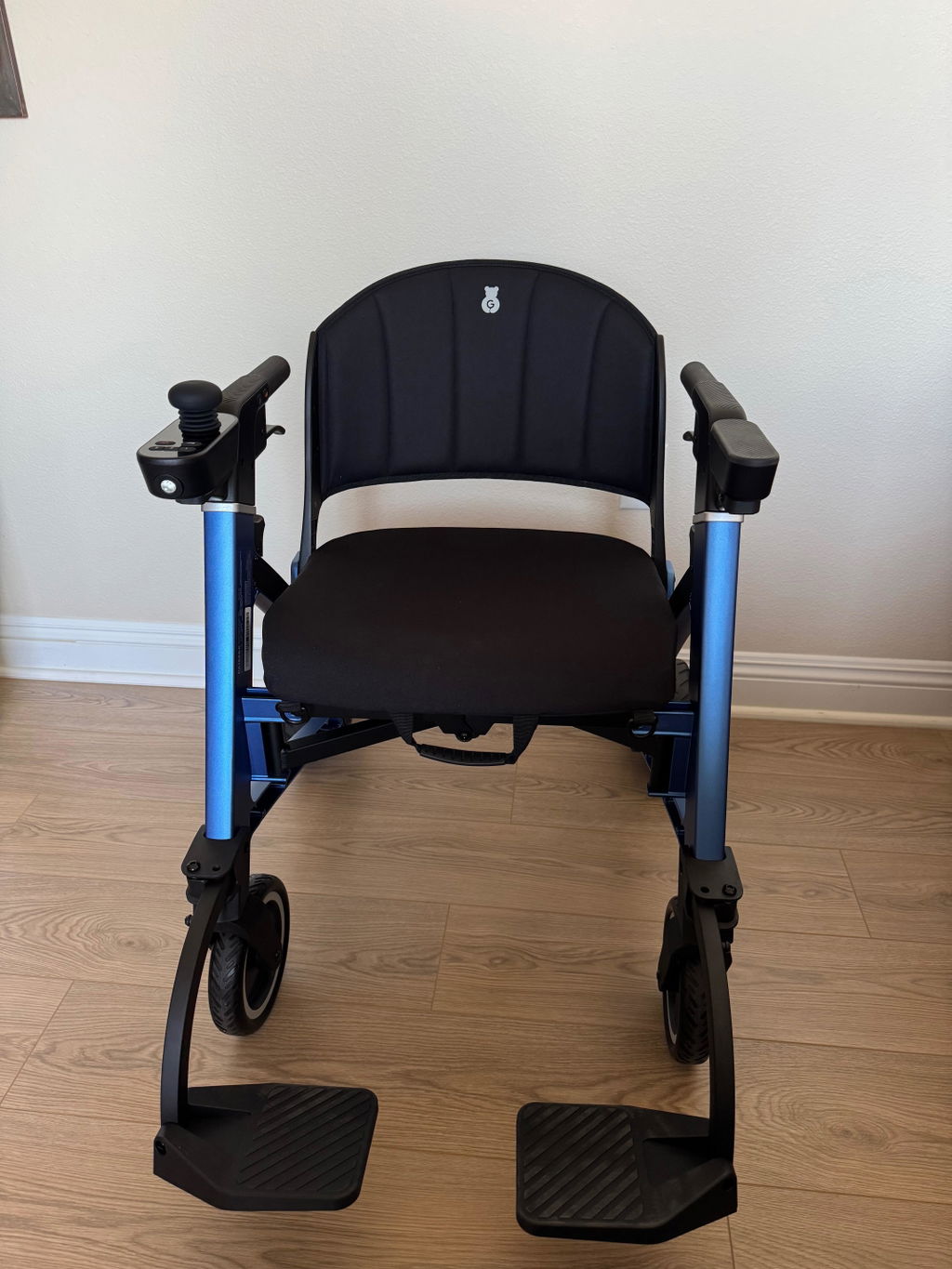
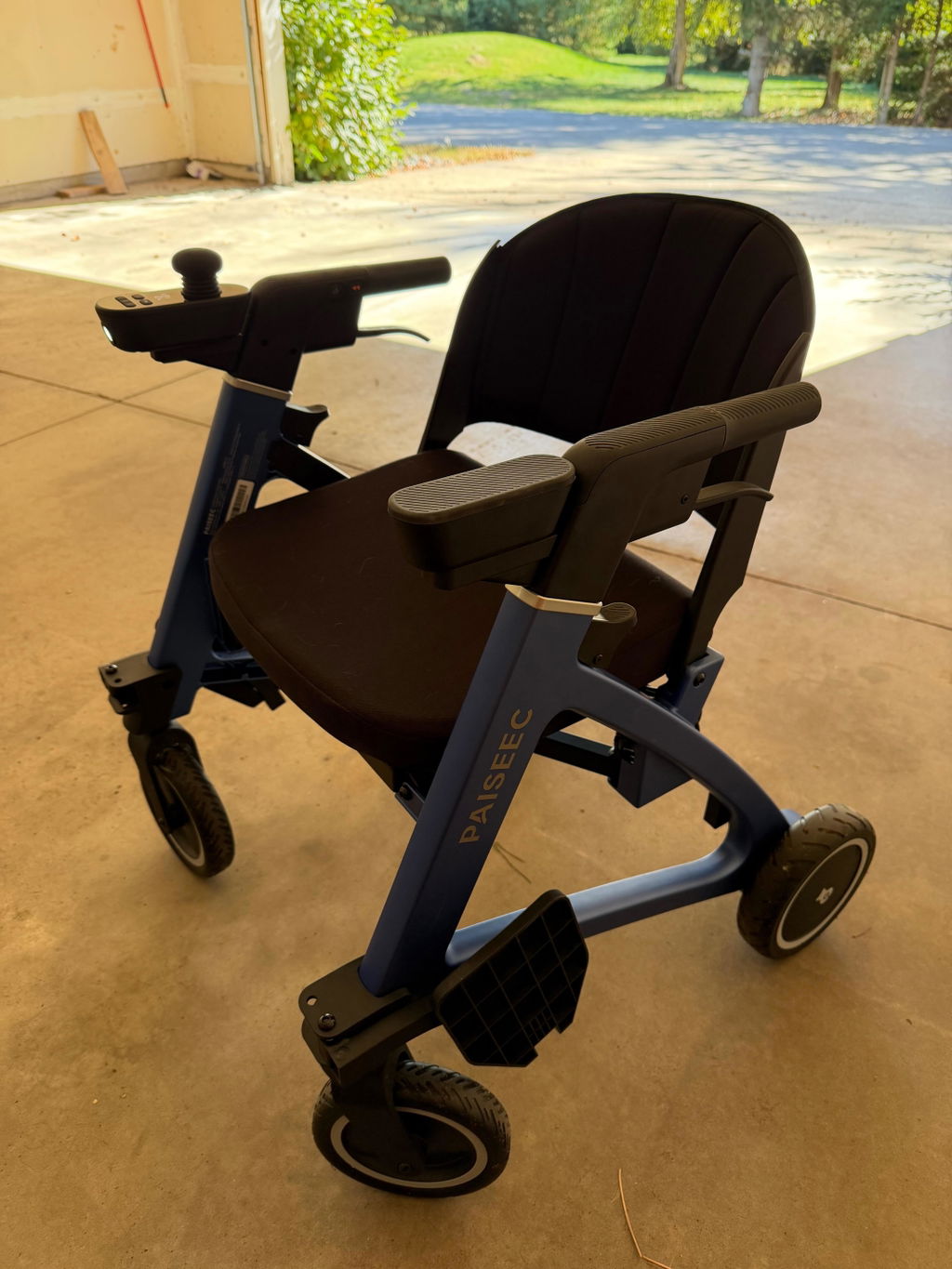
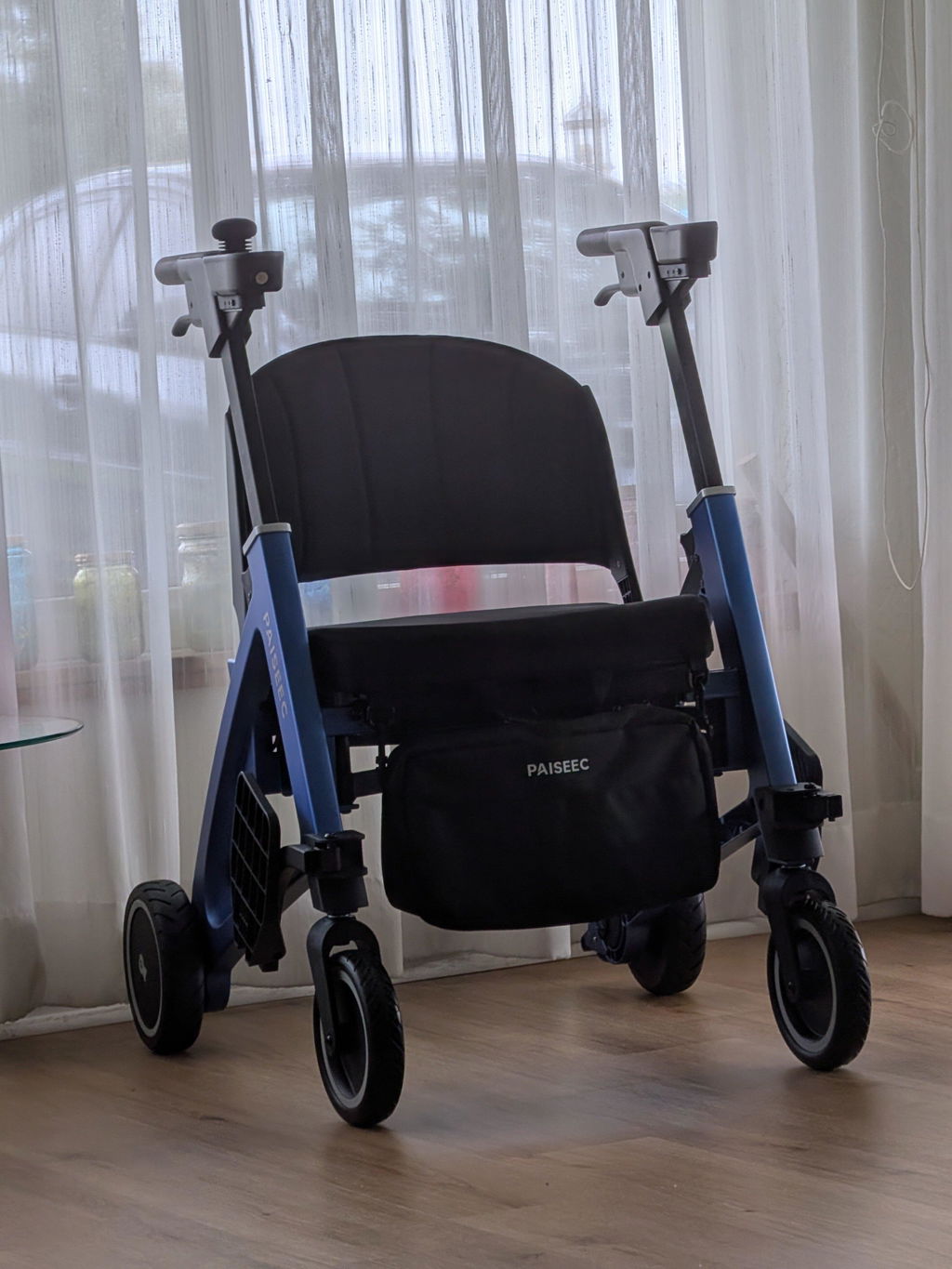
Paiseec Mobility enters this landscape with a focused engineering philosophy tailored for the traveler. Their investment in R&D is evident in specifications that balance competing needs: a robust36V12Ah battery for range against a lightweight, foldable frame for portability. The integration of their "PAI" intelligent safety riding system addresses a core concern for families navigating new environments—operational safety. Furthermore, their price positioning within the $699 to $2,099 range strategically bridges the gap between disposable, low-end products and over-specified, costly medical equipment. This creates a viable, quality-focused alternative in the sweet spot identified by market trends. For a family comparing options, Paiseec's value proposition is in delivering travel-ready features—like airline-compliant batteries and one-click folding mechanisms—at a point that makes the purchase argument compelling versus the rental cycle.
How to Start
Begin by conducting an honest assessment of your travel frequency and destinations over the next two years. Next, measure your vehicle's trunk space and research airline policies you commonly use. With those parameters in hand, create a comparison spreadsheet of models, focusing on folded dimensions, weight, and range. Read detailed user reviews, paying special attention to notes on real-world travel experiences. Once you've narrowed choices, see if you can find video demonstrations of the folding process and terrain handling. Finally, review the warranty, return policy, and customer support channels of the manufacturer to ensure you have a partner for the long term. This methodical, research-driven approach transforms an emotional purchase into a strategic decision for greater travel independence.
FAQs
It depends on the folded dimensions and airline policy. If the chair folds compactly enough to fit in the overhead bin (typically under22" x14" x9" for domestic carry-ons), you may request to bring it onboard. However, most full-size travel power chairs will need to be gate-checked, where they are tagged and placed in the aircraft's cargo hold at the jet bridge, ensuring they are the last loaded and first unloaded.
A quality travel-focused electric wheelchair with a36V12Ah lithium battery typically offers a range of12 to18 miles on a single charge under normal conditions, which includes a mix of flat surfaces and mild slopes. This is usually sufficient for a full day of sightseeing. Actual range can vary based on user weight, terrain, temperature, and speed.
Brushless motors offer greater reliability, longer lifespan, and require less maintenance than traditional brushed motors. They are more efficient, providing more torque and power from the same battery charge, which is crucial for handling inclines. They also operate more quietly and generate less heat, making them a superior and more durable choice for a device meant for daily travel use.
Modern designs prioritize ease of use. Many high-quality travel models feature a one-click or two-step folding mechanism that can be accomplished in under30 seconds without tools. It's important to watch manufacturer videos and practice the process at home before traveling to build confidence and speed, ensuring it's not a hassle during busy travel moments like airport check-in or loading a rental car.
In conclusion, the trend toward purchasing compact electric wheelchairs is a rational response to the economic and logistical shortcomings of the traditional rental model. For families who travel, the math increasingly favors ownership, offering not just long-term cost savings but also unparalleled convenience, reliability, and freedom. The key is to invest in a well-specified model that truly meets travel demands for portability, range, and durability. By prioritizing these features and understanding the total cost of ownership, you can make a decision that unlocks the world rather than complicating it. Remember, the best mobility device is the one that is always ready when you are, turning travel planning from a chore into an anticipation of adventure.
Leave a comment
This site is protected by hCaptcha and the hCaptcha Privacy Policy and Terms of Service apply.