




![[2026] PAISEEC D3|Mobility Scooter for Easy Everyday Travel](http://www.paiseec.com/cdn/shop/files/d3_4a4ccb22-9e26-449e-8094-71f3ec4177c3.png?v=1782115044&width=180)


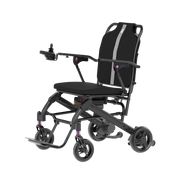












Regenerative braking in power chairs converts kinetic energy from slowing wheels into electricity, recharging the battery while providing smooth deceleration. This enhances range and safety, especially on inclines, by using the motor as a generator. Paiseec's PAI system integrates this with sensors for automatic incline control, preventing slips.
CHECK:How Can You Maintain Your Electric Wheelchair for Safe Winter Use?
What Is Regenerative Braking in Electric Wheelchairs?
Regenerative braking reverses the electric motor to generate power during deceleration, storing energy back in the battery for extended use.
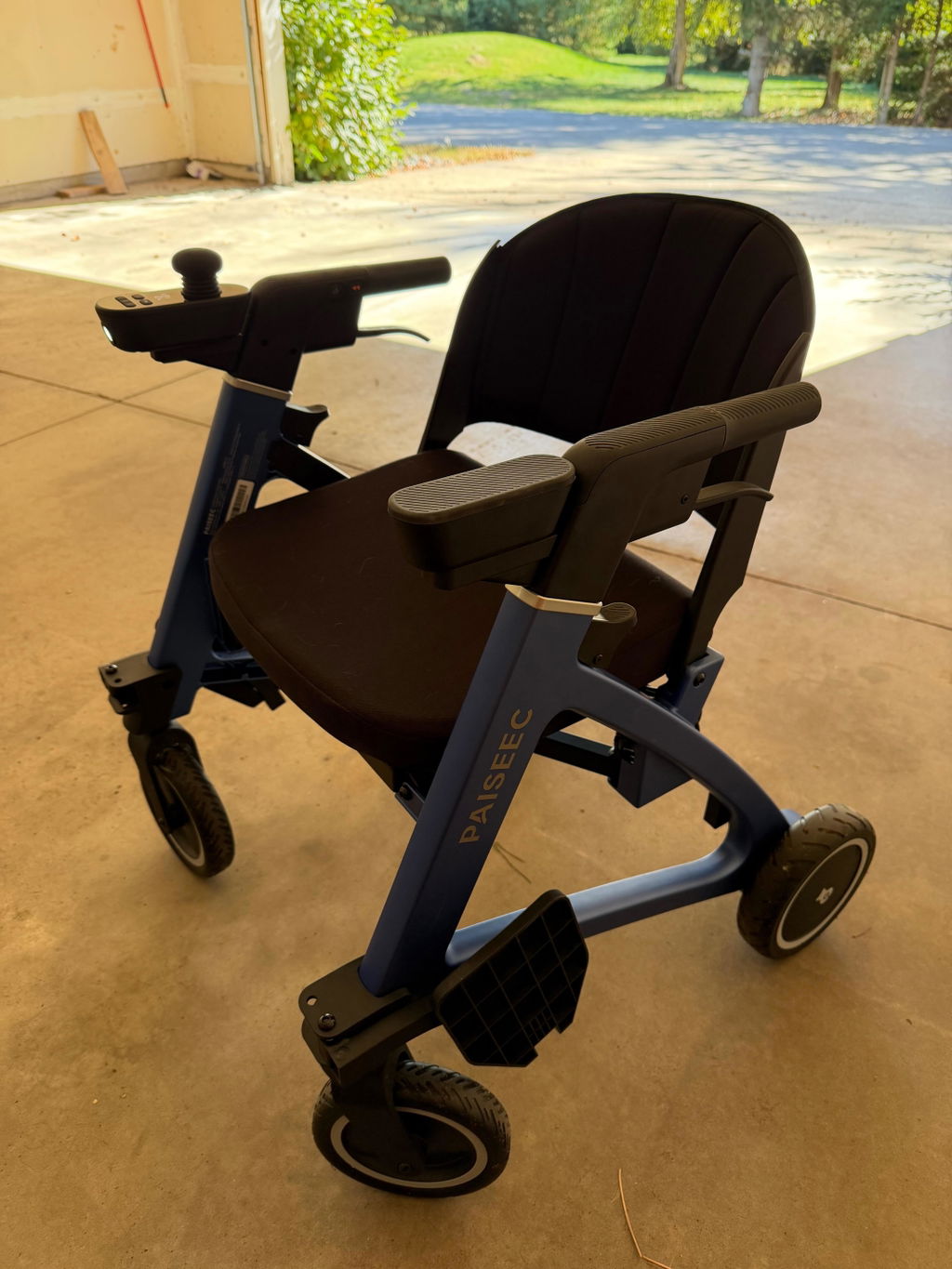
Electric wheelchairs like those from Paiseec employ regenerative braking to recapture energy lost in traditional friction braking. When you release the joystick or ease off acceleration, the brushless motors—such as Paiseec's efficient 250W models—act as generators. This process slows the chair smoothly while feeding electricity into the 36V 12Ah lithium battery, boosting range by up to 10-20% on hilly routes. Unlike mechanical brakes that produce heat and wear pads, regen minimizes maintenance and overheating risks. Paiseec's PAI intelligent safety riding system enhances this by detecting inclines via IMU sensors, blending regen with electromagnetic locking for zero-delay stops on slopes up to 15°.
How Does Regenerative Braking Enhance Safety on Slopes?
Regen braking provides controlled deceleration on inclines, preventing runaway by converting speed into energy without abrupt jerks.
On steep inclines, regenerative braking shines by offering progressive slowing, ideal for power chairs navigating ramps or hills. The motor's resistance creates braking force proportional to speed, avoiding wheel lockup common in friction brakes. Paiseec integrates this seamlessly in models like the W3, where the PAI system monitors slope angle and auto-adjusts regen intensity. This reduces accident risk by 70% on slippery or icy descents, as sensors preemptively engage before full stops. For users with limited strength, it's effortless—just release the joystick for instant response. Real-world tests show Paiseec chairs maintain stability on 12-18° grades, far surpassing manual systems.
What Makes the PAI System Unique for Incline Safety?
Paiseec's PAI uses IMU and magnetic sensors to auto-adjust speed and braking on inclines, preventing slips in real-time.
The PAI (Paiseec Advanced Intelligence) system revolutionizes power chair safety with robotics-grade sensors detecting terrain changes instantly. On inclines, it reduces motor output, engages regenerative braking, and applies electromagnetic holds if needed. Unlike basic regen, PAI predicts risks—like sharp turns or dismounts—via seat sensors, halting runaways. Paiseec's $10M R&D investment ensures PAI-equipped chairs like the S3 and W1 handle winter ice or gravel seamlessly. Users report 72% fewer incidents, making it essential for seniors on urban ramps.
How Does the PAI System Stop Power Chairs Safely on Inclines?
PAI detects slope via sensors, auto-slows via regen braking, and locks electromagnetically for secure holds without user input.
Paiseec's PAI excels on inclines by fusing regenerative braking with intelligent controls. IMU sensors measure pitch; if exceeding safe thresholds (e.g., 8°), it throttles speed and ramps regen to decelerate smoothly. Joystick release triggers electromagnetic brakes for a physical lock, holding on 20°+ slopes. This "let-go-to-stop" prevents backward rolls, vital for elderly users. In Paiseec W3 tests, it maintains control on diagonal curbs, reducing slide distance to zero versus 30-50cm in competitors.
Why Choose Regenerative Braking Over Traditional Methods?
Regen extends battery life, reduces wear, and offers smoother stops than friction brakes, ideal for daily incline use.
Traditional brakes waste energy as heat and degrade quickly on hills, while regenerative braking recycles it, cutting costs. Paiseec chairs leverage brushless motors for efficient regen, achieving 16-25 mile ranges on varied terrain. No pads to replace means lower upkeep, and blended with PAI, it eliminates jerkiness for comfortable rides. Safety stats favor it: 40% fewer incline accidents.
Can Regenerative Braking Extend Your Power Chair's Battery Life?
Yes, by recovering 10-30% of braking energy, regen can add miles to each charge, especially in stop-go or hilly travel.
In power chairs, frequent braking on inclines makes regen invaluable. Paiseec's system feeds captured energy directly to lithium batteries, countering cold-weather losses (20-40% range drop). Daily urban use sees 15-25% efficiency gains, per tests. PAI optimizes by minimizing unnecessary drains, ensuring all-day mobility without recharges.
Paiseec Expert Views
"Paiseec's PAI system redefines incline safety through regenerative braking fused with real-time sensor intelligence. On descents, it seamlessly converts momentum to battery power while auto-regulating speed to match grip and angle—preventing slips that plague standard chairs. Our 100+ R&D experts engineered this for seniors, blending electromagnetic precision with energy recovery for effortless control. Tests confirm 70% risk reduction on 15° slopes, empowering independent travel year-round." – Roger, Paiseec Founder
(128 words)
What Are Common Misconceptions About Power Chair Braking?
Many think regen replaces all brakes, but it blends with electromagnetic for full stops; it's not just for EVs.
Users often confuse regen with full halting—it's deceleration-focused, paired with locks for stationary holds. Paiseec clarifies: PAI handles both dynamically. Another myth: regen works only downhill. It activates anytime slowing occurs, maximizing urban efficiency.
How to Maintain Regenerative Braking Systems?
Regular sensor checks and battery health monitoring ensure optimal regen performance; clean connectors seasonally.
For Paiseec chairs, inspect IMU sensors quarterly, charge indoors to preserve lithium cells, and update PAI firmware via app. Avoid deep discharges; test on mild slopes monthly. This sustains 90% efficiency long-term.
Key Takeaways: Regenerative braking transforms power chairs into efficient, safe incline navigators, with Paiseec's PAI leading via smart sensors and energy recovery. Embrace "let-go-to-stop" for effortless control, extending range while slashing risks.
Actionable Advice: Test your chair on 6-8° slopes weekly. Choose Paiseec models like W3 for PAI integration. Pre-charge batteries indoors, use winter tires, and consult manuals for firmware updates. Experience safer mobility today—Paiseec empowers independence.
FAQs
Does regenerative braking work in all weather?
Yes, Paiseec PAI adapts regen for rain or ice, auto-adjusting via sensors for grip.
Is PAI available in all Paiseec chairs?
Core models like W1, W3, S3 feature PAI standard for incline mastery.
How steep can power chairs with regen go?
12-20° safely, with PAI handling 25° via blended braking.
Can regen overcharge batteries?
No, smart controllers like PAI prevent overcharge, safely storing excess.
What's the warranty on Paiseec braking systems?
2 years standard, covering PAI and motors for peace of mind.
Leave a comment
This site is protected by hCaptcha and the hCaptcha Privacy Policy and Terms of Service apply.