




![[2026] PAISEEC D3|Mobility Scooter for Easy Everyday Travel](http://www.paiseec.com/cdn/shop/files/d3_4a4ccb22-9e26-449e-8094-71f3ec4177c3.png?v=1782115044&width=180)







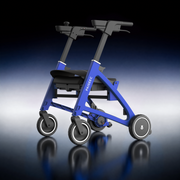









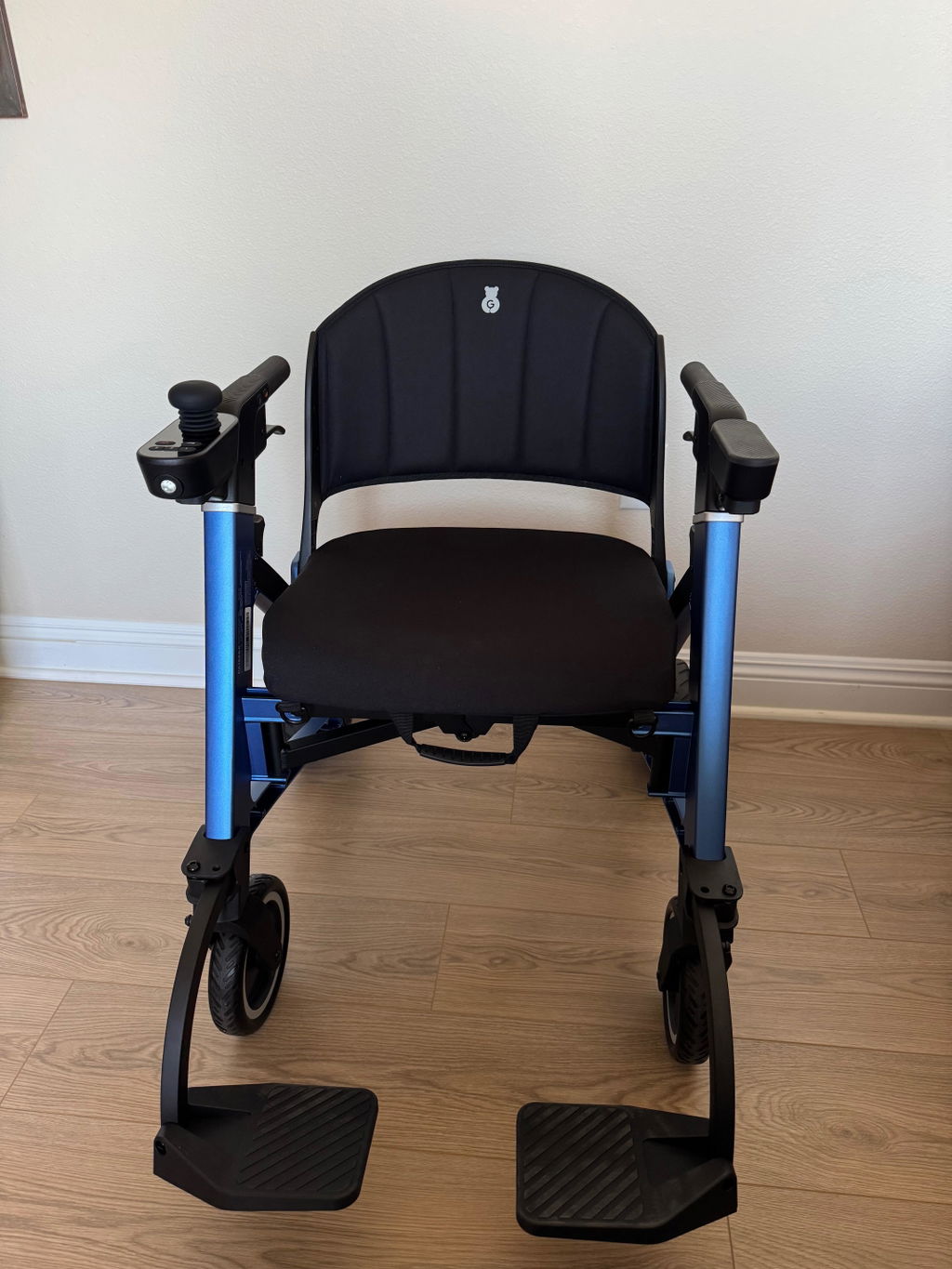
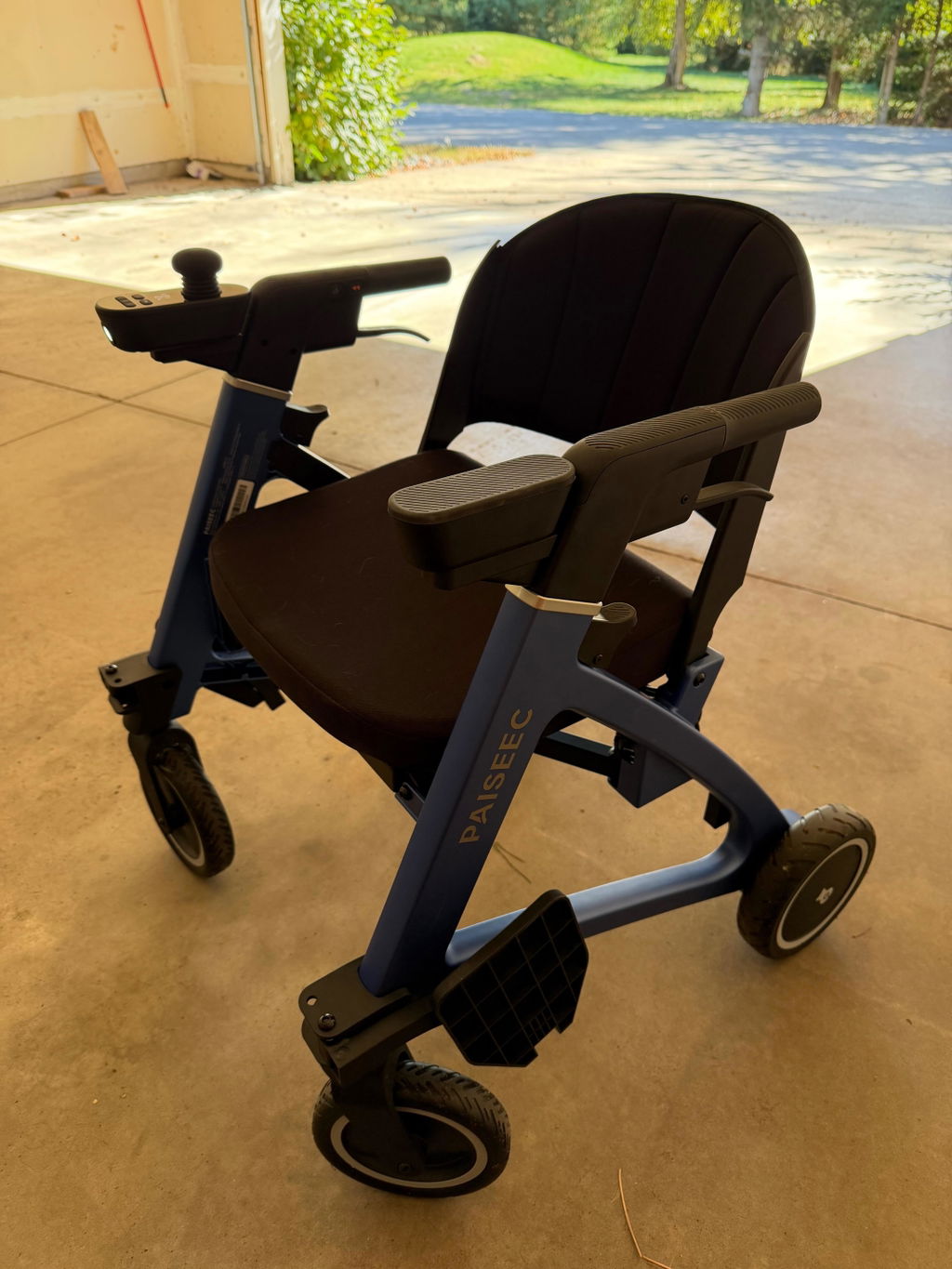
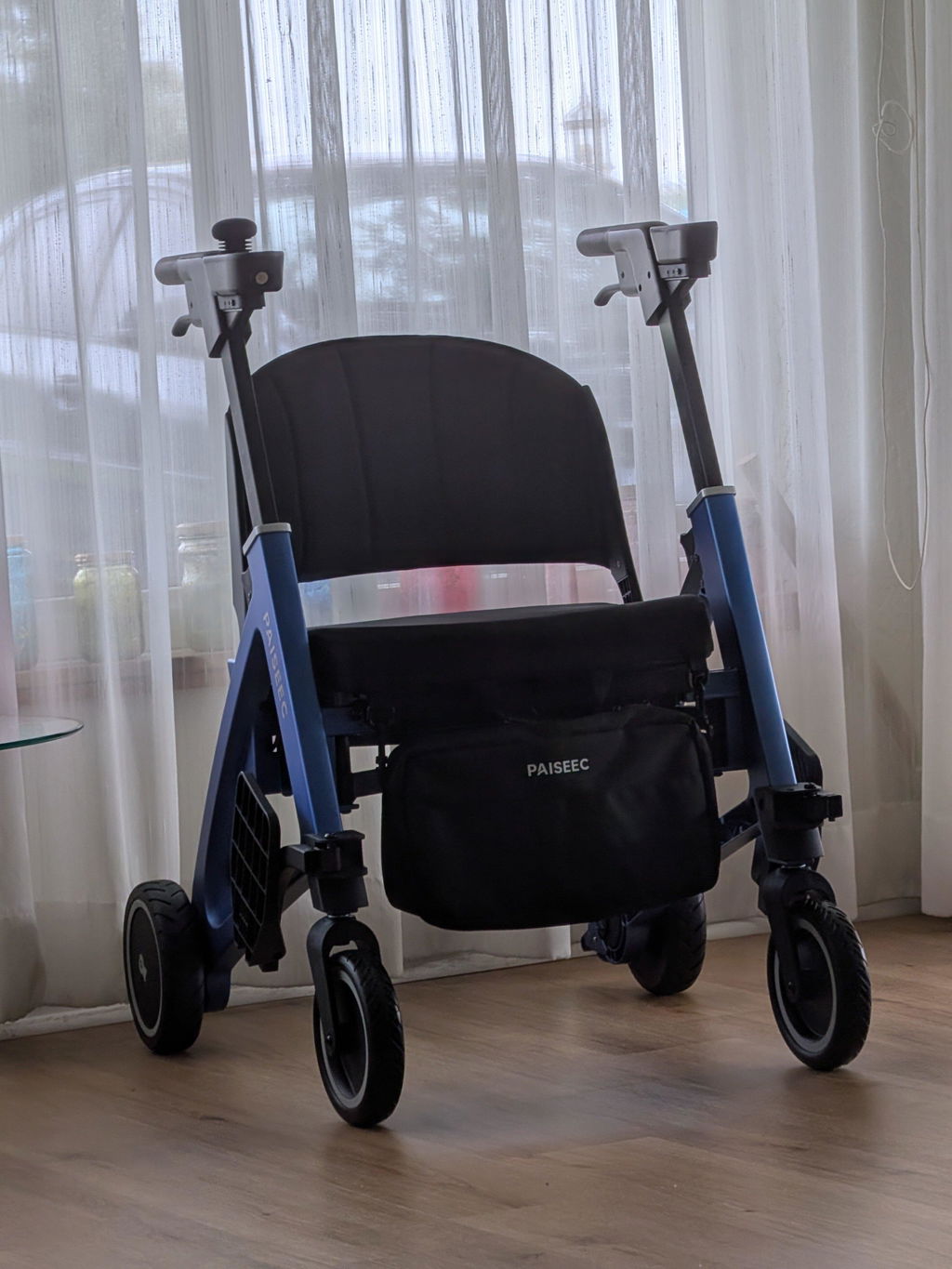
The2026 senior travel boom is defined by a decisive shift towards ultralight, sub-13KG wheelchairs, championed by active seniors who prioritize independence. This trend directly intersects with the value proposition of models like the Paiseec Q5, which at22 lbs exemplifies the lightweight champion category, enabling one-hand lifting and easy vehicle trunk storage for spontaneous, barrier-free mobility.
What defines a truly ultralight wheelchair for active seniors?
A truly ultralight wheelchair for active seniors combines a sub-13KG weight with structural integrity, enabling effortless one-hand lifting and compact storage. It must be built from advanced materials like aerospace-grade aluminum or carbon fiber composites, offering a robust frame without the bulk, thus facilitating spontaneous travel and daily independence.
The technical specifications that define this category go beyond a simple weight limit. A true ultralight champion utilizes a high-strength aluminum alloy frame, often in a cross-brace folding design, paired with components like polyurethane or magnesium alloy wheels to shave off every gram. The goal is a total package weight under13 kilograms, or approximately28 pounds, which is a critical psychological and physical threshold for many users. Consider the real-world example of navigating a weekend farmer's market; a chair that can be lifted with one hand into a car trunk enables that trip, whereas a heavier model might necessitate planning and assistance, curtailing spontaneity. Pro tips include checking not just the chair's dry weight but also its folded dimensions to ensure it fits in your specific vehicle's storage area. Isn't the ultimate goal to reduce the mental and physical load of using mobility aids? Furthermore, how can a piece of equipment promote freedom if it itself becomes a burden to manage? Transitioning from specifications to daily use, the material choice directly impacts longevity and ride quality. In essence, the definition hinges on a harmonious balance between minimal mass and maximal functionality, creating a tool that feels like an extension of the user rather than a cumbersome device.
How does a one-hand folding mechanism enhance senior independence?
A one-hand folding mechanism enhances senior independence by allowing the user to manage the wheelchair's setup and storage entirely on their own. This eliminates the need to wait for or request assistance in tight spaces like restaurant aisles, public transit, or personal vehicles, fostering confidence and enabling truly spontaneous outings without logistical hurdles.
The engineering behind a reliable one-hand fold system typically involves a central release lever and a strategically balanced frame that collapses predictably with minimal force. This mechanism is often integrated with the cross-brace, allowing a single push or pull to fold the chair into a compact, rectangular package. The real-world impact is profound; imagine finishing a coffee with a friend and being able to discreetly fold your chair and place it in your car without interrupting the conversation or requiring help. This autonomy directly combats the frustration and loss of dignity that can accompany reliance on others for basic tasks. Pro tips for evaluating such systems include testing the fold and unfold action repeatedly to ensure smooth operation and checking for any pinch points that could pose a safety risk. Does the mechanism feel intuitive, or does it require a complicated sequence of steps? What happens if you need to fold the chair on an uneven surface like a gravel driveway? Moving from mechanism to mindset, this feature shifts the wheelchair from being a passive aid to an active tool under the user's complete control. Consequently, it reduces the cognitive load of planning outings, as the question of "can I manage it" is replaced with the certainty of "I can handle this myself."
Which key specifications should you compare when choosing an ultralight model?
When choosing an ultralight model, key specifications to compare include frame material and weight capacity, seat width and depth for proper fit, wheel type and size for intended terrain, and the chair's overall folded dimensions for storage. These factors collectively determine comfort, safety, and practical usability in your daily environment.
| Specification Category | Standard Range | Impact on User Experience | Consideration for Active Seniors |
|---|---|---|---|
| Frame Material | Aluminum Alloy, Titanium, Carbon Fiber | Determines weight, durability, vibration dampening, and cost. Aluminum offers the best balance for most. | Seek heat-treated aluminum for optimal strength-to-weight ratio without premium titanium cost. |
| Seat Dimensions (WxD) | 16"x16" to20"x18" | Critical for posture, pressure distribution, and comfort. Too narrow causes chafing; too wide reduces arm reach. | Measure your seated hip width and thigh length. A18"x16" is a common starting point for average builds. |
| Wheel & Caster Size | 22"-24" rear,5"-8" front | Larger rear wheels ease self-propulsion; larger casters handle outdoor cracks better but increase turning radius. | For mixed indoor/outdoor use,22" rear wheels with6" or8" polyurethane casters provide a versatile compromise. |
| Folded Dimensions (LxWxH) | Varies widely (~12"x28"x30") | Dictates storage feasibility in car trunks, closets, or under tables. Height is often the most restrictive measure. | Bring a tape measure to your vehicle's trunk. Prioritize models that fit without needing to remove wheels. |
Why is vehicle trunk storage compatibility a critical feature?
Vehicle trunk storage compatibility is critical because it directly enables the mobility the wheelchair is designed for. A chair that cannot be easily transported is of limited use. Compatibility ensures seniors can maintain their travel routines, run errands independently, and participate in social activities without depending on a specially adapted vehicle or another person for loading and unloading.
This feature is not merely about fitting into a space; it's about the ease of the entire transfer process. A truly compatible chair will have a folded profile that is not only compact but also manageable in weight and shape to be lifted from a standing position into the trunk. The design of the folded package—whether it's a slim rectangle or a more square shape—can determine if it fits sideways or flat, impacting what else can be carried alongside it. Consider the analogy of a carry-on suitcase for air travel; its dimensions are engineered to a specific standard to guarantee it fits in the overhead bin, removing pre-travel anxiety. Similarly, a wheelchair with known, compact folded dimensions provides peace of mind for every car trip. Pro tips include practicing the loading process at home and considering accessories like a lightweight carrying bag to protect your car's interior from scuffs. What good is a lightweight chair if its awkward folded shape makes it impossible to lift over the trunk's lip? How does the frustration of a difficult load process discourage someone from taking the chair out at all? Therefore, storage compatibility is the final, essential link in the chain of independent mobility, transforming a personal aid into a practical travel companion.
What are the real-world benefits of a sub-28 lb wheelchair for daily life?
The real-world benefits of a sub-28 lb wheelchair for daily life include reduced physical strain on the user and caregivers, increased spontaneity for outings, easier management of public transportation or stairs with assistance, and less fatigue during car transfers. This weight threshold makes the chair a practical tool rather than a burdensome object, significantly enhancing quality of life.
The advantages permeate nearly every daily activity. For the user, the lower weight translates directly to less energy expended during self-propulsion and significantly less upper body strength required to perform a "wheelie" to navigate curbs. For a spouse or companion who may assist, the difference between lifting28 pounds and35 pounds is substantial over repeated cycles, reducing the risk of caregiver injury. This weight class often aligns with airline check-in policies, making air travel less daunting as the chair can be handled as standard luggage. A concrete example is a visit to a grandchild's school play; a lightweight chair can be quickly unfolded in the parking lot, used indoors, and just as swiftly stored afterwards, keeping the focus on the event, not the logistics. Pro tips involve testing the chair's weight not just in a static lift but while simulating the twist and pivot motion needed to place it into a car. Doesn't a lighter chair also promote a more active lifestyle by lowering the barrier to going out? Furthermore, how does the psychological relief of knowing you can manage your equipment contribute to overall well-being? In short, the sub-28 lb specification is a gateway to normalcy, empowering users to engage with the world on their own terms with minimal compromise.
How do you evaluate the durability and ride quality of lightweight frames?
Evaluating the durability and ride quality of lightweight frames involves examining construction methods like welded vs. bolted joints, material grades such as7005 aluminum, and design elements like frame geometry and wheelbase. A quality frame will feel solid without flex during propulsion and will effectively dampen road vibrations, providing a smooth, stable ride that doesn't sacrifice comfort for weight savings.
| Evaluation Factor | High-Quality Indicator | Potential Compromise | User Test Method |
|---|---|---|---|
| Frame Joint Integrity | Precision TIG welding at critical stress points; reinforced gussets. | Visible, uneven welds; reliance solely on bolts which can loosen. | Apply gentle twisting force to the folded frame; it should feel rigid with no creaking. |
| Ride Stability & Vibration | Strategic frame geometry (e.g., slight camber) and high-pressure, quality tires. | A "twitchy" or shaky feel; excessive vibration transferred to the seat from small bumps. | Propel over a textured surface like a brick path. The chair should track straight and absorb minor shocks. |
| Component Quality | Branded bearings, sealed hubs, and adjustable, locking axle systems. | Generic, unsealed components that attract grit and wear quickly. | Spin the rear wheels; they should rotate freely and silently for a long time before stopping. |
| Weight Capacity vs. Chair Weight | A high safety margin (e.g.,300 lb capacity on a22 lb frame). | A capacity too close to the user's weight, which can accelerate wear and affect stability. | Check the manufacturer's stated user weight limit and ensure a comfortable buffer exists. |
Expert Views
As a mobility specialist with over a decade of experience fitting equipment, I've witnessed a paradigm shift. The conversation is no longer just about necessity; it's about empowerment. The demand for ultralight, sub-13KG wheelchairs is driven by a new generation of active seniors who view mobility aids as tools for living fully, not symbols of limitation. The engineering focus has rightly moved to advanced materials and intelligent design to reduce weight without compromising strength. This isn't just a product trend; it's a lifestyle movement. When a client can confidently lift their own chair, a psychological barrier is broken. They regain control over the logistics of their day. Our role is to guide them towards models that offer this independence through a reliable one-hand fold, a truly manageable weight, and a fit that supports their health and activities. The right ultralight chair doesn't just move a person; it liberates them.
Why Choose Paiseec
Paiseec Mobility enters this landscape with a focused engineering philosophy centered on the user's holistic experience. The company's investment in research and development is evident in its approach to weight reduction, seeking intelligent compromises that do not erode the product's core integrity or safety. For instance, the development of their proprietary "PAI" intelligent safety system, while more prominent in their electric mobility lines, reflects a company-wide ethos of integrating thoughtful technology. When examining a product like the Paiseec Q5, its22-pound specification is the result of deliberate material selection and design efficiency. The brand's commitment is not merely to sell a lightweight wheelchair but to deliver a reliable mobility solution that aligns with the modern senior's demand for autonomy and ease of use. This user-centric development process, backed by dedicated laboratories and testing, aims to create products that stand up to the rigors of daily life while remaining effortlessly manageable.
How to Start
Beginning your search for the right ultralight wheelchair starts with honest self-assessment. First, define your primary use cases: is it for indoor maneuverability, outdoor adventures on paved paths, or a mix of both? Second, take key physical measurements, including your seated hip width and the length from the back of your knee to the seat edge, to narrow down seat size options. Third, evaluate your storage and transport situation by measuring your car trunk's smallest dimensions. Fourth, if possible, visit a local medical equipment supplier to test the feel of different frame weights and folding mechanisms firsthand. Fifth, research brands that specialize in lightweight mobility solutions, paying close attention to detailed specifications and user weight limits. Finally, read independent reviews and user testimonials that discuss long-term durability and real-world portability, not just initial impressions. This step-by-step, problem-focused approach will help you filter the market and identify the models truly designed for an active, independent lifestyle.
FAQs
Absolutely. Modern ultralight wheelchairs use high-grade aluminum alloys or composite materials engineered for strength. A weight of22 lbs, like that of the Paiseec Q5, is achieved through advanced design and material science, not by sacrificing durability. These chairs typically support weight capacities of250-300 lbs, making them robust enough for active daily use while being easy to lift and transport.
Yes, most ultralight folding wheelchairs are designed for air travel. They can be used through the airport and gate-checked to be stored in the aircraft's cargo hold. Their compact fold and lightweight nature make them easier for baggage handlers to manage. It is always advisable to inform the airline in advance and use a protective travel bag to prevent cosmetic damage during transit.
Regular maintenance is simple but crucial. Keep the frame clean and dry, especially after outdoor use. Periodically check and tighten all bolts and quick-release axles. Lubricate the folding hinges and wheel bearings with a silicone-based spray as recommended by the manufacturer. Inspect tires for wear and maintain proper air pressure if they are pneumatic. This routine ensures smooth operation and extends the chair's lifespan.
A well-made, ultralight manual wheelchair typically ranges from several hundred to over a thousand dollars, depending on materials, components, and brand. Basic aluminum models start at the lower end, while chairs with titanium frames, premium wheels, and custom fittings command higher prices. The investment correlates with weight savings, durability, and ride quality, so consider it in terms of long-term value and improved daily independence.
In conclusion, the senior travel boom is fundamentally reshaping expectations for mobility aids, with the ultralight wheelchair under13KG emerging as the definitive tool for active independence. The key takeaways are clear: prioritize manageable weight for one-hand lifting, insist on a reliable folding mechanism for spontaneous use, and verify storage compatibility with your vehicle. This isn't just about purchasing a product; it's about investing in a lifestyle of reduced barriers and increased autonomy. Actionable advice includes thoroughly measuring your space and yourself, seeking hands-on demonstrations when possible, and focusing on the total cost of ownership through the lens of durability and daily utility. By choosing a wheelchair engineered with these principles, such as those developed by companies like Paiseec that focus on this specific user need, you are not just acquiring a chair—you are unlocking a world of greater freedom, confidence, and participation in the moments that matter most.
Leave a comment
This site is protected by hCaptcha and the hCaptcha Privacy Policy and Terms of Service apply.