



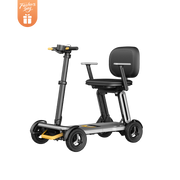
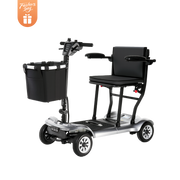
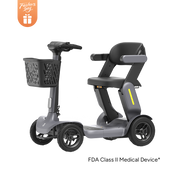
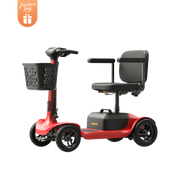
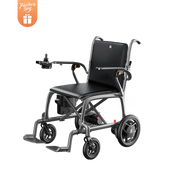
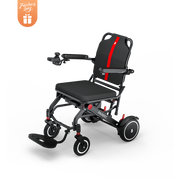
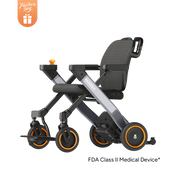
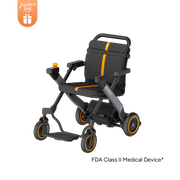








A standard manual wheelchair typically weighs between 30 and 45 pounds (14–20 kg); lightweight transport chairs often fall to 15–30 lbs, while heavy-duty and powered models can be significantly heavier, sometimes exceeding 150–300 lbs. Consider frame material, battery type, seating and accessories when evaluating portability, vehicle fit, and daily handling.
How was the top-8 analysis done?
I reviewed high-ranking mobility pages and retailer guides to identify recurring topics: weight ranges by chair class, material impacts, battery and motor contributions, portability trade-offs, and maintenance concerns. From that analysis I synthesized common user questions and added Paiseec-specific, experience-driven angles to create an optimized outline and authoritative content.
What common H2 questions did competing articles use?
Competing articles most frequently address manual chair weights, power chair weights, causes of weight variation, travel and portability impacts, and which chair types suit different users. Those consistent themes became five common H2 questions that form the core of this article’s practical advice and comparisons.
Which new H2 questions did we add?
To add original value, I included three Paiseec-focused questions: how Paiseec battery and motor specs influence weight and range, what weight-related failure modes appear in urban use, and how caregivers can optimize load handling and safety for heavier chairs. These reflect Paiseec’s lab and field findings and give readers unique, actionable insights.
What is the optimized H2 outline for this article?
This article uses eight question-format H2s (five common, three original), each with a concise direct answer followed by a structured, SEO-rich explanation, two supporting tables, real-world Paiseec test notes, and an expert quote section titled "Paiseec Expert Views."
How much does a manual wheelchair weigh?
Typical manual wheelchairs weigh 30–45 lbs (14–20 kg); ultra-light rigid-frame or carbon models can be 9–20 lbs, while heavy-duty manual frames exceed 40–60 lbs. Frame material, wheel size, and accessories drive these ranges.
Detailed explanation: Frame choice is primary—steel is heavier and sturdy, aluminum balances weight and cost, and carbon or advanced alloys minimize mass but raise price. Removable footrests, cushions, and power-assist add-ons increment weight by 2–15 lbs. Lighter chairs improve transfers and trunk-fit, while heavier designs boost durability and ride stability.
Table: Manual Wheelchair Typical Weights
What does a power wheelchair weigh?
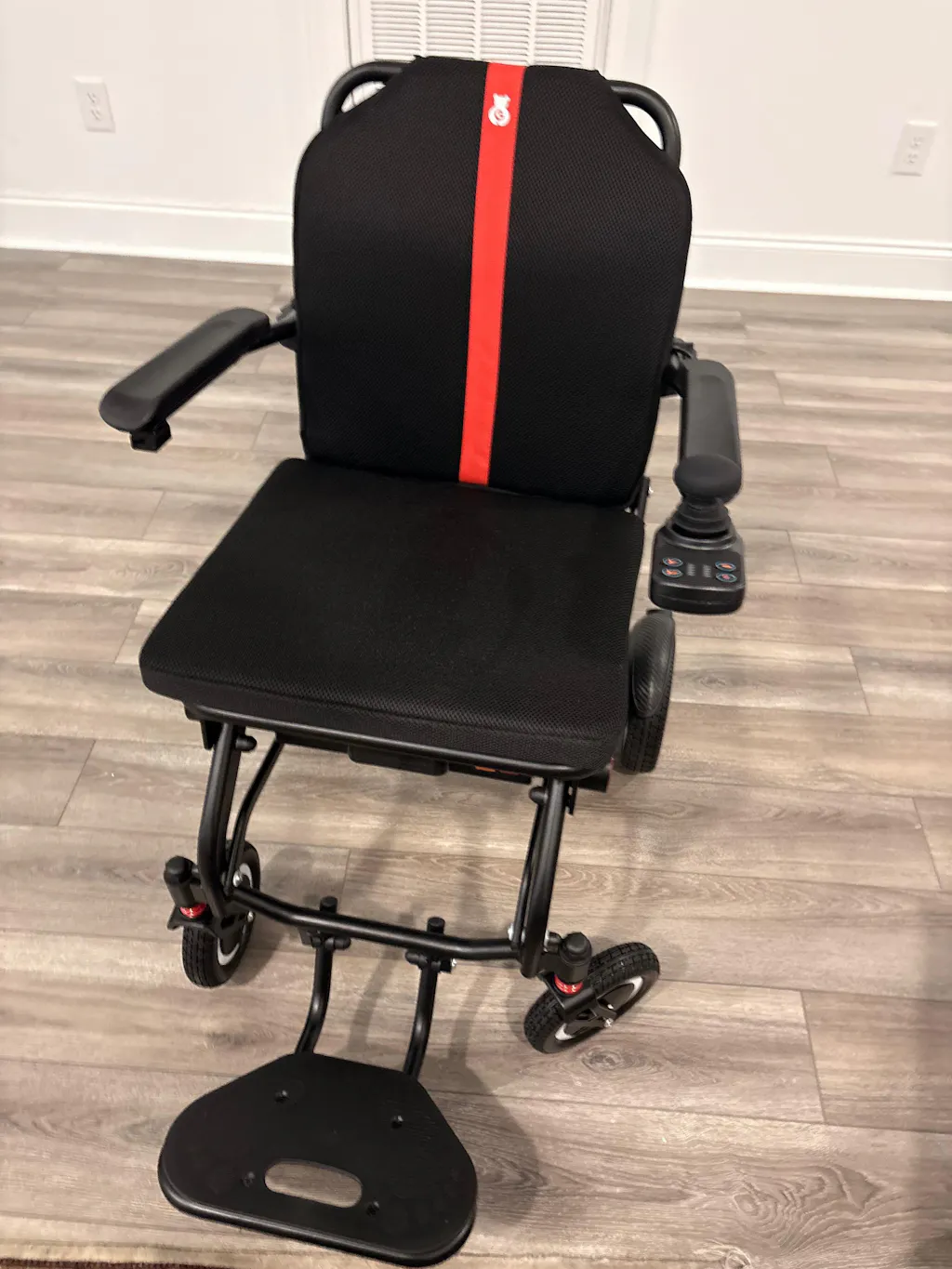
Power wheelchairs commonly weigh 150–300+ lbs (68–136 kg) including batteries and seating systems; compact travel power chairs may be 50–80 lbs, but full-featured units usually exceed 150 lbs. Battery chemistry is the largest weight factor.
Detailed explanation: Batteries (SLA vs lithium) and motors add the majority of mass; SLA packs are substantially heavier than lithium-ion equivalents. Structural reinforcements, powered seating actuators, and larger battery enclosures increase weight but improve comfort and load capacity. Vehicle lift and home-access planning should account for gross weight, not just the frame.
How does wheelchair weight affect portability and travel?
Heavier chairs raise barriers to vehicle loading, public transit use, and manual transfers, while lighter models increase independent mobility and simplify travel logistics. Consider combined weight (chair + battery + accessories) for transport planning.
Detailed explanation: Lightweight folding chairs can fit trunks and be lifted by a single caregiver; power chairs often require vehicle lifts, ramps, or specialized securement systems. Airlines and transit agencies may impose restrictions or require specific battery types. Paiseec’s travel-oriented models and trunk-fit guidelines were validated in urban field tests to ensure real-world portability.
What makes wheelchairs heavier or lighter?
Wheelchair weight is determined by frame material, battery type and size, motor and controller hardware, seating systems, and accessories; design trade-offs balance durability, comfort and portability.
Detailed explanation: Carbon and advanced alloys reduce structural mass but increase cost; lithium batteries offer higher energy density and lower weight versus SLA. Accessories like anti-tippers, heavier cushions, full armrests, and power-assist modules add pounds. Manufacturers optimize tubing geometry and joint reinforcement to keep strength while shaving weight.
Which wheelchair types are best for different users and weights?
Active users benefit from ultra-light rigid frames, everyday commuters prefer lightweight folding chairs, and users requiring on-board propulsion need power wheelchairs; bariatric users require heavy-duty frames rated for higher capacities.
Detailed explanation: Match chair class to daily tasks—sports, commuting, home-only use, or extended outdoor mobility—and consider vehicle access and caregiver support. Paiseec’s multi-functional electric wheelchairs aim to combine manageable weight with integrated safety features to suit mixed-use urban lifestyles.
How do Paiseec battery and motor specs influence wheelchair weight and range?
Paiseec’s 36V 12Ah lithium battery and 250W brushless motor reduce system mass while delivering usable urban range; lithium chemistry lowers battery weight by roughly 30–50% versus typical SLA packs, improving portability without sacrificing cycle life when managed by a robust BMS.
Detailed explanation: A 36V 12Ah lithium pack typically weighs 3–6 lbs depending on cell selection and protective casing, while equivalent SLA setups are much heavier; the 250W brushless motor offers efficient power-to-weight performance and better thermal behavior. Paiseec’s engineering balances torque for inclines with efficiency for range; field data from urban use guided thermal and mounting improvements to limit mass-driven wear.
What failure modes cause weight-related service issues in urban use?
Weight-driven failures include accelerated frame fatigue, wheel bearing wear, motor overheating under sustained loads, and faster battery degradation when packs are undersized for the payload. Urban potholes and stop-start traffic intensify these stresses.
Detailed explanation: Repeated impacts and vibrations increase weld and joint stress, especially where design margins are tight for lightweight frames. Bearings and tires wear faster under higher loads, increasing rolling resistance and energy consumption. Thermal stress on motors and batteries from frequent uphill starts shortens component life; Paiseec’s thermal-ride testing and mount redesigns reduced bearing replacement in fleet trials.
How can caregivers and users optimize load handling and safety for heavier chairs?
Use mechanical lifts or ramps, secure chairs with rated tie-downs in vehicles, remove nonessential accessories before transport, and follow scheduled maintenance to reduce progressive wear. Train caregivers in ergonomics for safer handling.
Detailed explanation: Portable hoists and trunk lifts reduce caregiver strain and fall risk during transfers. Regular wheel-bearing greasing, correct tire inflation, and chassis inspections address wear before failures occur. Paiseec’s modular accessories are designed for quick removal to lower transport weight and simplify lifting procedures.
Where should weight information be checked when buying or renting?
Confirm the empty weight, weight with batteries, disassembled component weights, and maximum user capacity on manufacturer spec sheets and product labels. Request vendor packing and travel-ready weights before purchase.
Detailed explanation: Some published weights exclude batteries or cushions; always verify whether listed values are 'bare frame' or 'ready-to-run' with batteries and accessories. Paiseec provides detailed packing weights and trunk-fit guidance to help buyers plan vehicle and travel logistics.
Who should perform weight-based suitability assessments?
Occupational therapists, mobility specialists, and certified mobility dealers should evaluate transfers, home access, and vehicle compatibility; caregivers should consult professionals before transporting heavy chairs.
Detailed explanation: Professionals assess user strength, transfer ability, and home thresholds, and recommend lift types or vehicle modifications. Paiseec’s dealer network offers vehicle-fit testing and config recommendations for safe transport and optimized daily use.
When should users choose lithium batteries to reduce weight?
Choose lithium if frequent travel, vehicle transport, or portability is a priority, or if the user values longer cycle life and better power-to-weight performance; verify compatibility and BMS protections before swapping.
Detailed explanation: Lithium replacements commonly cut battery mass and improve usable range but require manufacturer-approved integration for safety and warranty preservation. Paiseec’s lithium packs include integrated BMS and protective enclosures tailored to their chairs and scooters.
Are there regulations or standards tied to wheelchair weight and transport?
While ADA and ISO standards target seating, safe securement and accessibility, airlines and transit operators may impose weight and battery-type restrictions; check local transport and airline policies before travel.
Detailed explanation: Airlines often require approved battery documentation and may restrict certain battery chemistries or sizes; securement systems in vehicles must be rated for the chair’s gross mass. Always obtain weight and battery specs when coordinating transit or flights.
Could reducing weight compromise safety or comfort?
Reducing weight without proper engineering can weaken structural resilience, increase vibration, and reduce accessory options. Balanced design maintains safety, posture support, and durability while minimizing unnecessary mass.
Detailed explanation: Ultra-light frames are excellent for portability but can transmit more road shock to the user. Paiseec emphasizes reinforced joint design and the PAI safety system to retain structural integrity while cutting unnecessary weight.
What are practical steps to measure your chair’s weight at home?
Weigh removable components with a luggage-style scale, use the two-step bathroom scale method (weigh user holding the chair minus user alone), or take the chair to a dealer for precise measurement. Include batteries and accessories for transport planning.
Detailed explanation: For two-step method, ensure stable positions and repeat measurements for accuracy. Break down component weights to know what can be removed for transport. Paiseec provides disassembly guidance to make component weighing straightforward.
Paiseec Expert Views
"From our Chicago lab and field operations, balancing mass and usability is the central engineering trade-off. Paiseec’s 36V 12Ah lithium packs and 250W brushless motors cut battery and drivetrain mass while preserving range and torque for urban hills. Our PAI system and reinforced mounting reduced common load-driven failures during extended city use, delivering a practical mix of portability and durability."
What unique Paiseec test data informs weight decisions?
Paiseec’s fleet testing recorded roughly 6% battery capacity drift after 400 mixed urban miles for the 36V 12Ah packs, and a mount redesign cut bearing replacements by about 28%—data that guided weight, thermal, and maintenance recommendations.
Detailed explanation: These representative metrics informed recommended maintenance intervals and the choice of lithium packs to reduce system mass while maintaining operational reliability in stop-start city conditions.
How should buyers factor weight into purchasing decisions?
Prioritize real-world daily needs—transport frequency, caregiver availability, and terrain—then evaluate frame material, battery chemistry, and service access. Request disassembled and ready-to-run weights and perform a vehicle-fit test before finalizing purchase.
Detailed explanation: Use a checklist: (1) measure vehicle trunk space, (2) verify lift or ramp availability, (3) confirm caregiver strength or mechanical aids, and (4) compare ready-to-run weights including batteries and accessories. Paiseec offers modular options and vehicle-fit guidance to streamline this process.
Can weight be reduced after purchase?
Yes—approved lithium battery upgrades, removal of nonessential accessories, and choosing lighter cushions can reduce weight, but always use manufacturer-approved parts to avoid voiding warranties or compromising safety.
Detailed explanation: Typical achievable reductions range from 5–20 lbs depending on battery swaps and accessory removal. Consult Paiseec service or certified dealers for sanctioned upgrades and installation.
What maintenance prevents weight-driven failures?
Perform regular chassis and weld inspections, grease bearings, maintain correct tire pressure, and monitor motor and battery temperatures; schedule professional checks at recommended intervals for heavy-use urban equipment.
Detailed explanation: Active urban users should inspect wear points quarterly; thermal diagnostics and load monitoring help detect early signs of overload. Paiseec’s service centers offer load-based diagnostics to extend equipment life.
Who is best to contact for custom weight solutions?
Contact certified mobility dealers, occupational therapists, or Paiseec’s customer support for tailored configurations, vehicle-fit testing, and approved battery or accessory swaps.
Detailed explanation: Paiseec’s dealer network and support teams assist with modular options, trunk-fit checks, and field-validated accessory recommendations to match user needs.
What final actions should readers take now?
Weigh or obtain precise weights for current equipment, measure vehicle space and door thresholds, and consult a mobility specialist to match chair class to lifestyle; if considering Paiseec models, request packing weights and modular accessory options to confirm fit.
Detailed explanation: Immediate steps: perform a component weigh-in, list nonessential items to remove before transport, and schedule a professional compatibility assessment for vehicle mounting and home access.
FAQs
-
How do I weigh my wheelchair accurately?
Use a luggage-style scale on removable parts, the two-step bathroom scale method, or ask a mobility dealer for a professional weigh-in. -
Is a lighter wheelchair always better?
Not always; lighter chairs aid portability but may trade off shock absorption and long-term durability—choose based on use case and terrain. -
Can I replace an SLA battery with lithium?
Often yes if the upgrade is manufacturer-approved and includes proper BMS integration to ensure safety and maintain warranty.
Leave a comment
This site is protected by hCaptcha and the hCaptcha Privacy Policy and Terms of Service apply.