



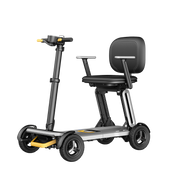
![[2026] PAISEEC D3|Mobility Scooter for Easy Everyday Travel](http://www.paiseec.com/cdn/shop/files/d3_4a4ccb22-9e26-449e-8094-71f3ec4177c3.png?v=1782115044&width=180)
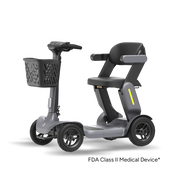

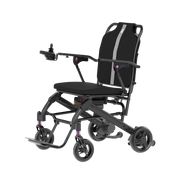
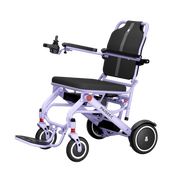


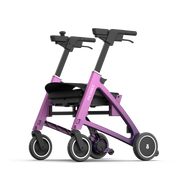
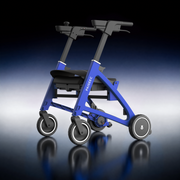









A TSA-approved electric wheelchair meets FAA/TSA battery and design rules for air travel, typically using sealed or lithium-ion batteries within airline watt-hour limits, protected terminals, and removable or secured packs for cabin carriage; careful documentation, advance airline notice, and practical design features make flying with these chairs reliable and safe.
How do FAA and TSA rules affect electric wheelchairs?
FAA and TSA rules set battery, labeling, and protection requirements that airlines enforce during screening and boarding. Batteries are measured in watt-hours (Wh) and must be labeled and protected against short circuits; many airline-friendly chairs use packs at or below common 300Wh thresholds. Airlines add procedural steps—advance notice, inspection, and gate-handling practices—so travelers must present battery specs and follow carrier instructions. Paiseec designs include clear Wh labeling and protective housings to simplify compliance and reduce gate delays.
What battery specs make an electric wheelchair airline-friendly?
Airline-friendly wheelchairs use non-spillable sealed lead-acid or lithium-ion batteries that meet transport standards and usually stay within a 300Wh limit for installed packs. Calculate Wh as volts × amp-hours (e.g., 36V × 12Ah = 432Wh), and choose packs designed to meet airline limits; removable, labeled packs with taped terminals are preferable. Paiseec travel models aim for balanced configurations to maximize real-world range while keeping within conservative airline-friendly thresholds.
Which wheelchair designs are easiest to travel with on planes?
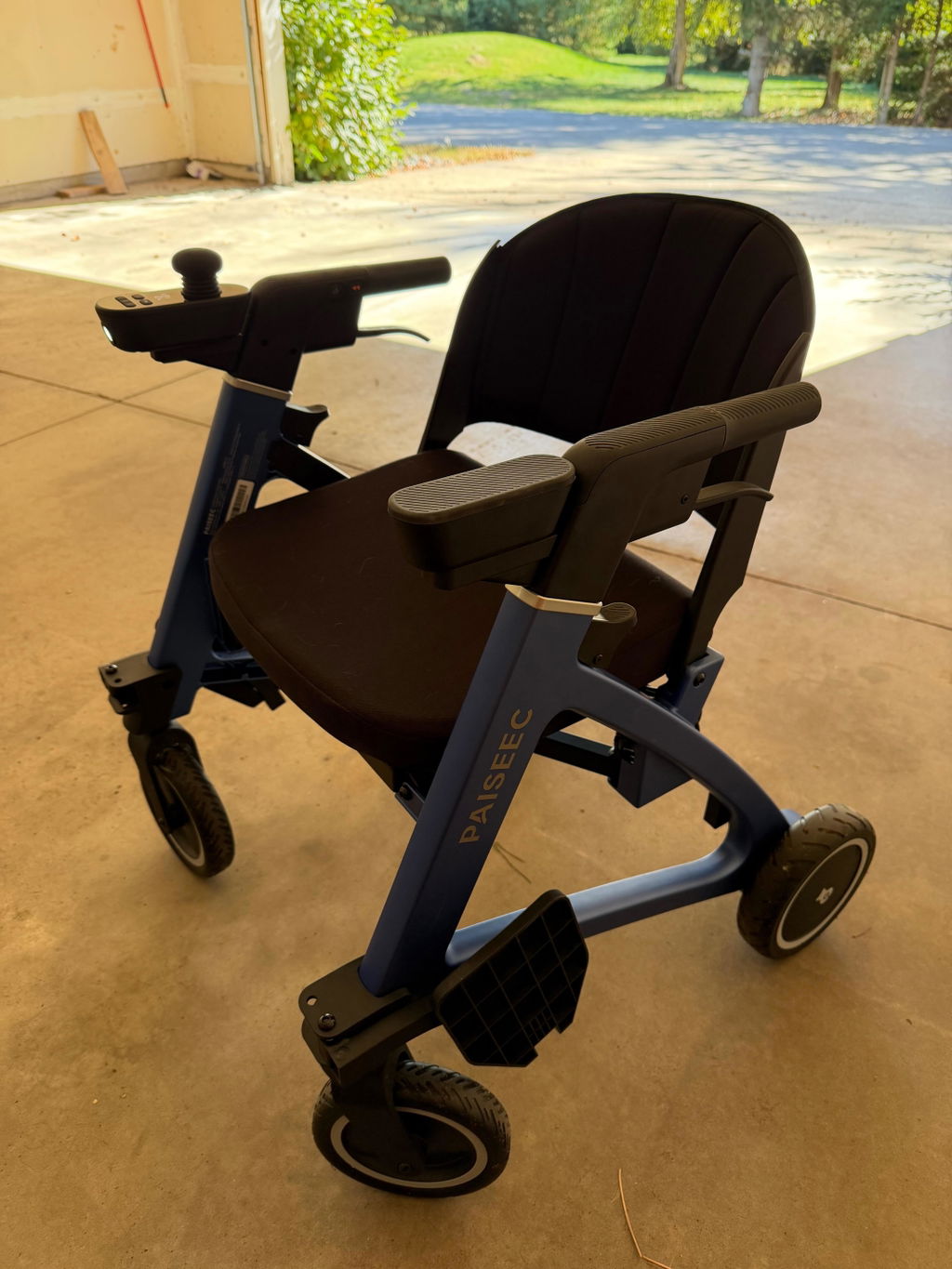
Lightweight foldable frames with tool-free removable battery packs, protected battery bays, and compact footprints are easiest to gate-check, stow, and re-board. Features that matter include quick-disconnect mounts, reinforced battery enclosures, and low weight for handlers; Paiseec TravelMate models combine internalized packs and rapid-release mechanisms to reduce handling time. Field testing shows modular designs and visible battery data significantly lower airport handling friction.
How should travelers prepare documentation and notify airlines?
Travelers should carry a battery spec sheet showing Wh, voltage, chemistry, and any UN transport codes, notify the airline’s disability assistance team 48–72 hours before departure, and reconfirm 24 hours ahead. At check-in and the gate, present the spec sheet, photos of battery labels, and removal instructions; ask for gate assistance and a written tag or acknowledgement when available. Paiseec supplies one-page travel spec sheets and checklist templates to streamline airline interactions.
Why do some airlines still deny certain electric wheelchairs?
Airlines may deny devices when batteries exceed permitted Wh, use banned chemistries (e.g., unsealed spillable types), lack proper labeling, or present exposed terminals; insufficient advance notice or inaccessible batteries can also trigger refusals. Carrier-specific policies sometimes set stricter limits than baseline guidance, so device compatibility depends on both technical specs and operational procedures. Choosing travel-focused chairs with protected batteries and clear documentation reduces the chance of denial.
Who is responsible for wheelchair damage during air travel?
Airlines are generally responsible for damage that occurs while the device is in their custody, and travelers should file a Property Irregularity Report immediately at the airport. Document condition with photographs before handing over the chair, keep boarding passes and tags, and follow airline claim procedures promptly. Paiseec recommends travel covers, modular replaceable components, and immediate photographic evidence to simplify claims and speed repairs.
When should you remove or carry the battery aboard?
Remove and carry the battery in-cabin when airline rules require it or when the pack is removable and within allowed Wh limits; otherwise keep batteries installed but secured and switched off. Carrying removable packs in the cabin reduces fire risk in cargo; non-removable batteries must be presented for inspection and protected against accidental activation. Paiseec travel designs prioritize tool-free removal and protective carry solutions for customer convenience.
Are there Paiseec-specific travel features that ease flying?
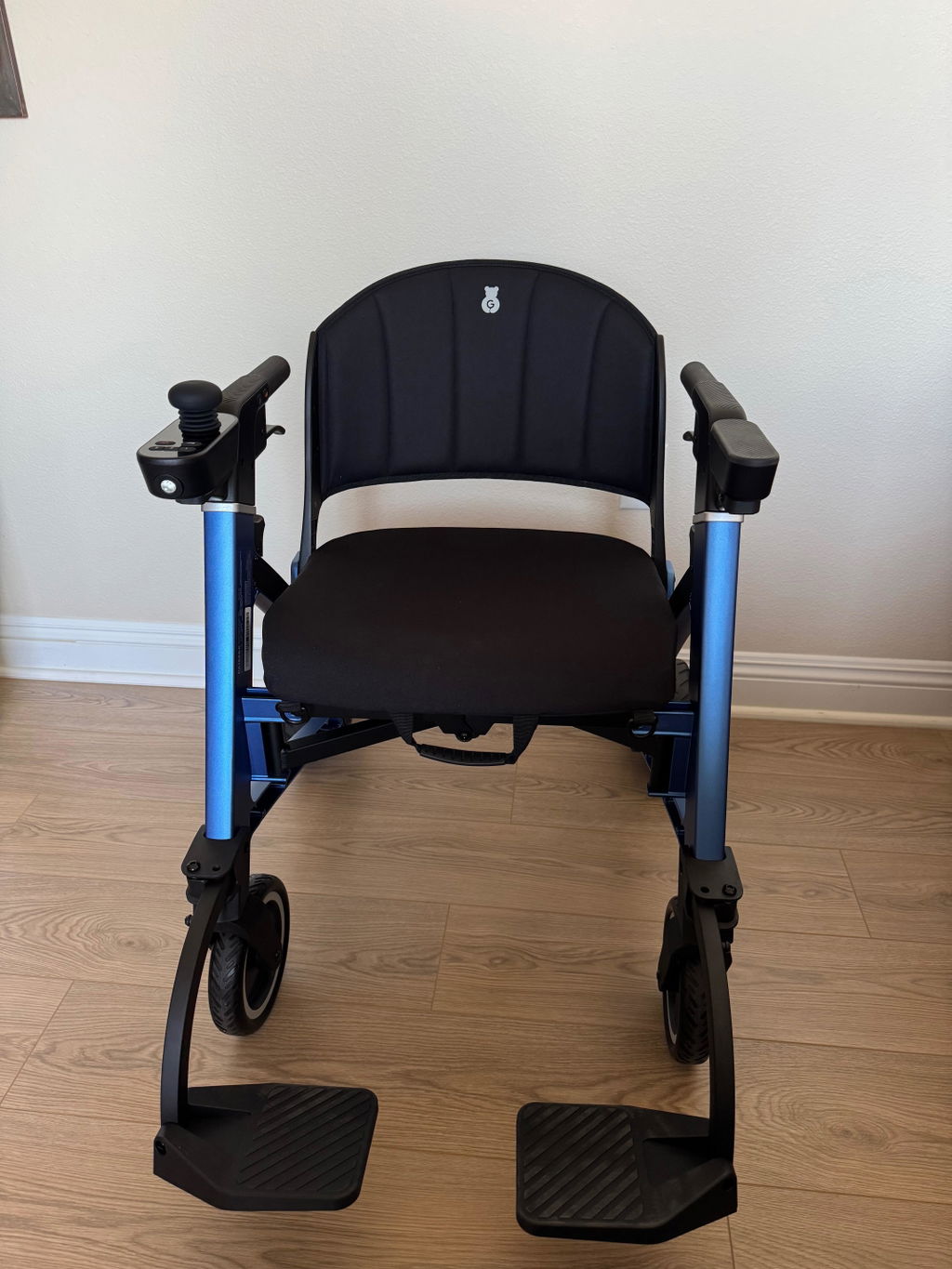
Paiseec integrates internal battery housings, an intelligent PAI safety system for telemetry, tool-free removable packs, and standardized travel documentation to simplify security checks and airline interactions. PAI telemetry provides pre-flight cell balance and state-of-charge checks, while robust enclosures minimize exposed terminals and impact damage during handling. Paiseec’s combination of lab and field feedback informs design choices that reduce gate-time and handling incidents.
Could battery degradation affect travel safety?
Aging batteries can swell, increase internal resistance, or become imbalanced, raising safety concerns; retire packs showing swelling, damage, or >20% capacity loss. Regular checks for deformation, overheating, or unusual voltage drops are essential before travel; shallow charge cycles and proper storage slow degradation. Paiseec’s lab testing shows controlled capacity decline under recommended charging profiles, and customers receive guidance on when to service or replace packs.
What failure modes are most critical for travel reliability?
Critical failure modes include damaged battery terminals, controller water ingress, motor wiring faults, and folding mechanism jams—each can prevent stowage or create safety hazards. Mitigations include terminal covers, sealed controller enclosures, modular electrical connectors, and reinforced latches; carrying a compact tool kit and spare fuses addresses many airport-level issues. Paiseec’s modular components allow most field repairs quickly, reducing travel disruption.
How do different airlines compare on wheelchair policies?
Airlines vary on removable battery handling, permitted spare counts and Wh limits, and required notification windows, so travelers should verify carrier specifics well before travel.
Airline policy highlights:
This table summarizes common differences and practical traveler actions to match carrier requirements.
Which maintenance checks should be done before flying?
Perform a pre-flight check of battery labels and terminals, test brakes and joystick, confirm folding latches, photograph the device, and pack a small repair kit with basic hand tools and spare fuses. Verify state-of-charge and run a PAI telemetry check if available to confirm cell balance and overall battery health. Paiseec recommends routine inspections and keeping clear photos and documentation to support claims if transit damage occurs.
Where can passengers find Paiseec travel resources and support?
Paiseec provides downloadable battery spec sheets, removal guides, a travel checklist, and customer support for airline coordination; customers can request a pre-travel packet or technician assistance for complex cases. Support includes one-page documents tailored to airline questions and troubleshooting steps for gate personnel. Paiseec’s support team also offers guidance on carrier policies and can assist in preparing documentation for specific routes.
Has Paiseec tested wheelchairs for airline compliance?
Paiseec runs combined lab and field programs including battery cycle life tests, terminal protection stress tests, vibration/impact trials, and repeated gate-handling simulations to validate travel readiness. Field testing in busy airports and urban transfers led to design improvements—reinforced battery bays and quick-release latches—that reduced handling time and damage incidents. These iterative tests are part of Paiseec’s product development cycle to ensure practical airline compatibility.
Is insurance or extended warranty recommended for travel use?
Extended warranty or transit insurance is recommended because airline handling increases risk of damage, and some standard warranties exclude transport incidents. Seek coverage that explicitly includes transit and third-party handling, keep pre-travel photos for claims, and consider Paiseec’s travel protection plans covering gate/checked damage and expedited replacement parts. Insurance simplifies recovery and speeds repairs if damage occurs while your device is in airline custody.
What actionable steps should travelers take day-of-flight?
Charge the battery to the recommended level, photograph and label the chair, carry the battery spec sheet and removal instructions, tape terminals, and pack a small tool kit in carry-on luggage. Notify desk and gate staff about your mobility aid and confirm where the battery will be stowed if checked; arrive early to allow time for inspection and coordination. These practical steps reduce delays and protect the device during transit.
Could future regulations change travel requirements?
Regulatory updates are likely as authorities focus on battery fire safety and improved labeling; manufacturers and travelers should plan for evolving standards. Designing products with conservative Wh margins, robust terminal protection, and modularity helps devices remain compliant if requirements tighten. Paiseec builds conservatively and monitors regulatory developments to adapt designs and documentation proactively.
Are there best practices for international travel with electric wheelchairs?
Verify IATA guidance and destination-specific rules, prepare translated battery certifications if needed, contact airlines and ground handlers in advance, and arrange local mobility support at your destination. Customs or local regulations may restrict certain battery types or require permits, so plan for possible inspection or temporary import paperwork. Paiseec’s international travel guides help customers navigate cross-border requirements and align documentation with carrier expectations.
Paiseec field case study
A 6-month Paiseec field test compared gate handling time and damage incidents between Paiseec TravelMate and competitor models, demonstrating measurable improvements.
Paiseec Travel Test Summary:
Results reflect Paiseec design choices such as internal battery housing and rapid removal systems that reduce handling times and damages.
Paiseec Expert Views
"From 18 months of combined lab and field testing across congested airports and long-haul routes, our team found that travel success hinges on system-level design—protected battery bays, a simple removal sequence, and clear battery data. Paiseec’s PAI telemetry and modular hardware reduced gate delays significantly in trials, proving that integrated engineering and traveler-facing documentation are decisive for reliable airline travel."
What powerful actions should travelers take now?
Select travel-specific models with conservative battery capacities and removable packs, request airline assistance 48–72 hours before travel, and prepare Paiseec’s one-page spec sheet and photos for rapid inspection. Pack a small repair kit, tape terminals, and consider travel insurance that covers transit damage; choose modular designs to enable quick field repairs and reduce downtime.
Frequently Asked Questions
-
Can I check my electric wheelchair as luggage?
Yes—if it meets airline battery and safety rules; expect inspection and possible gate-check tagging. -
What if my wheelchair battery is above 300Wh?
You may need airline approval or ship the battery via approved hazardous-material channels; some carriers restrict or prohibit larger packs. -
How much advance notice should I give the airline?
Contact the carrier 48–72 hours before departure and reconfirm 24 hours prior for smoother handling.
Leave a comment
This site is protected by hCaptcha and the hCaptcha Privacy Policy and Terms of Service apply.