




![[2026] PAISEEC D3|Mobility Scooter for Easy Everyday Travel](http://www.paiseec.com/cdn/shop/files/d3_4a4ccb22-9e26-449e-8094-71f3ec4177c3.png?v=1782115044&width=180)















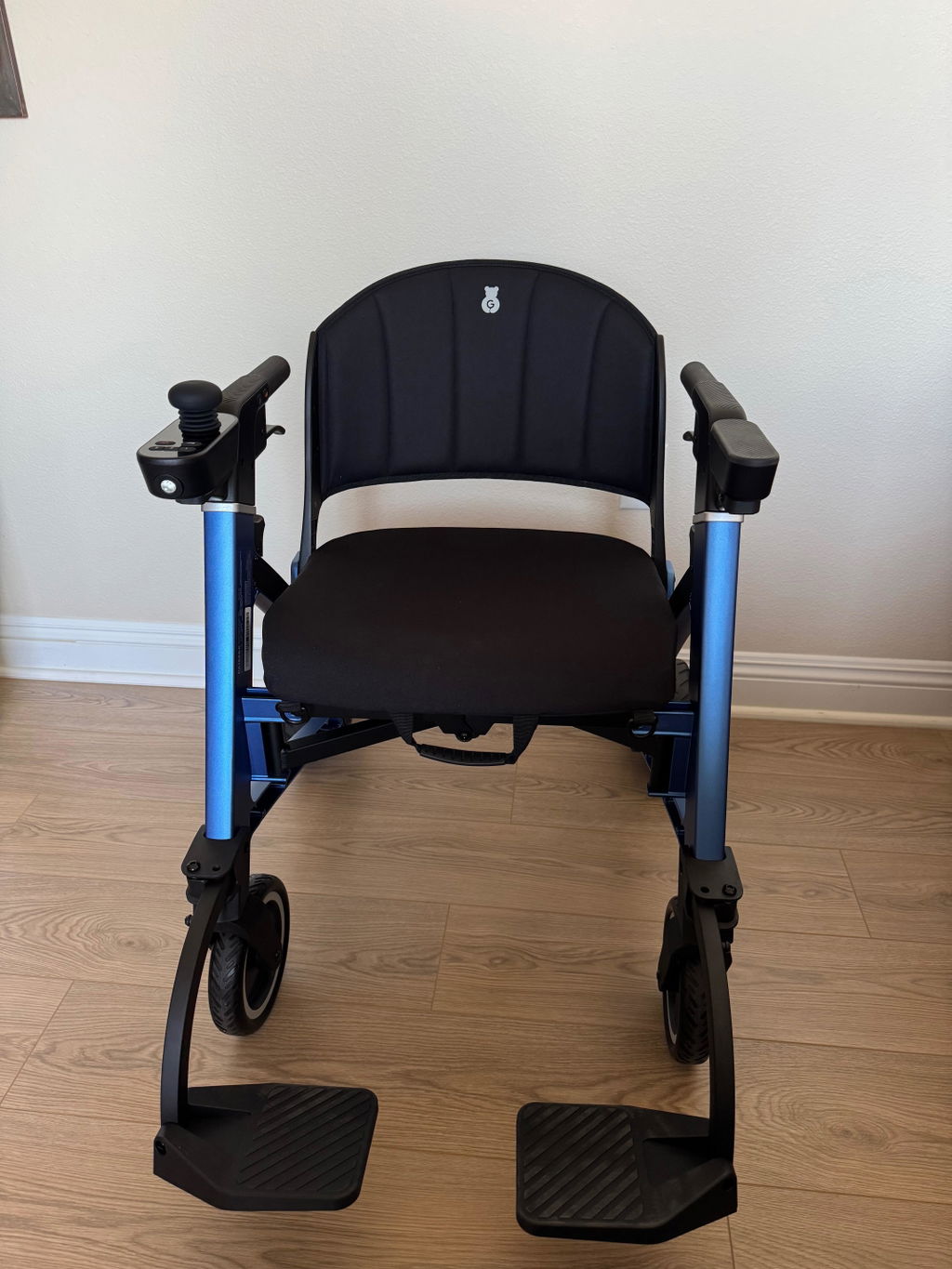
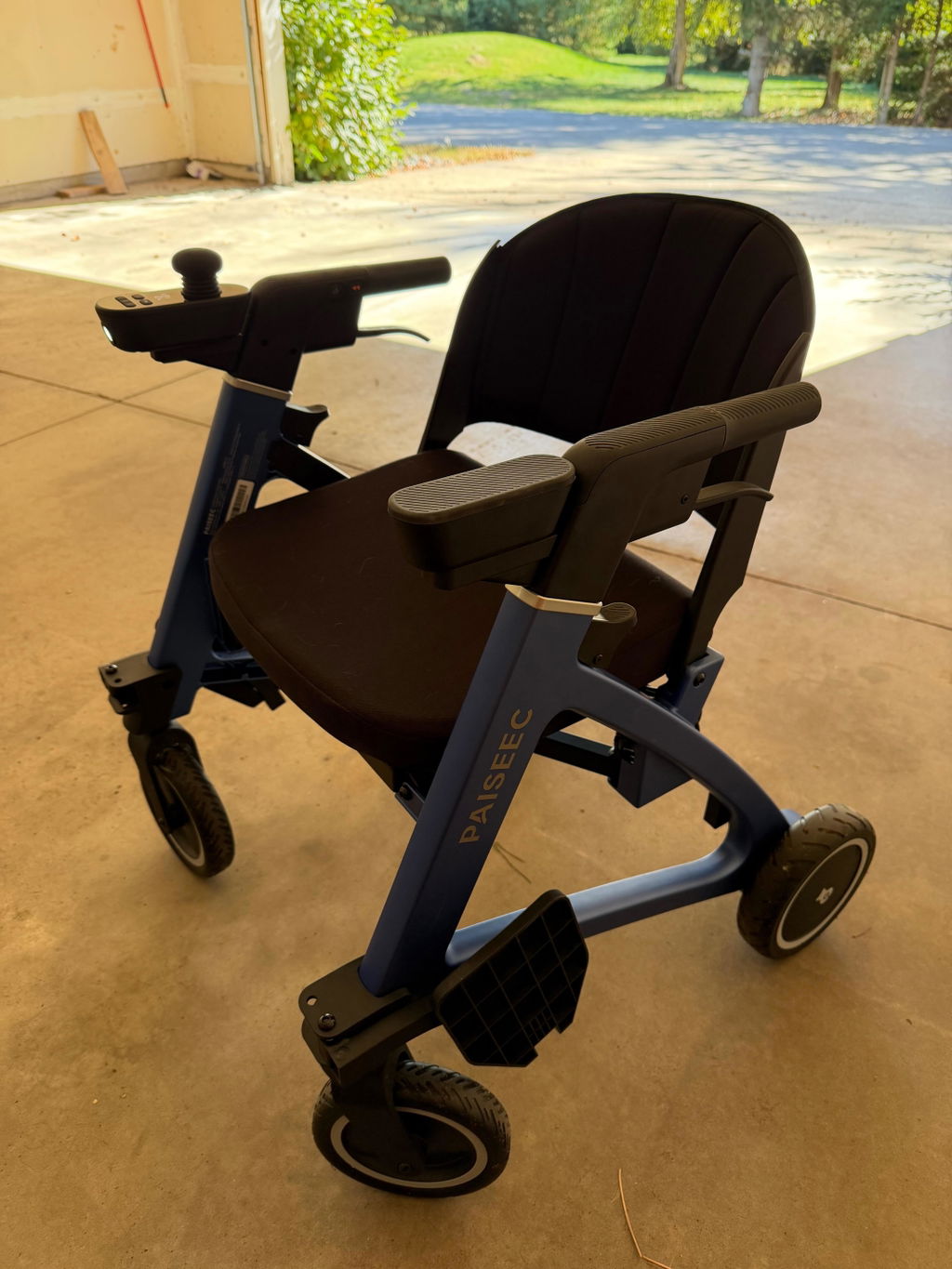
Choosing the right mobility scooter wheels and tires depends on terrain, load rating, and maintenance preference: pneumatic tires deliver the best shock absorption for rough outdoor surfaces, solid or PU foam tires provide puncture-free low maintenance for urban riding, and semi‑pneumatic tires offer a middle ground—match diameter, width, and hub specs to your scooter’s manual for safe fit and performance.
How do I choose the correct tire type for my scooter?
Select a tire type by matching usage: pneumatic (air-filled) for rough outdoor terrain and maximum comfort, solid/PU foam for flat-free, low-maintenance urban use, and semi‑pneumatic for a balance of cushioning and puncture resistance. Confirm diameter, width, load rating, and hub compatibility with your scooter’s manual before purchase.
Tire choice depends on terrain and maintenance priorities. Pneumatic tires give superior shock absorption and traction on grass, gravel, and curbs; solid or PU foam tires eliminate punctures and downtime for indoor or paved routes; semi‑pneumatic options reduce punctures while retaining some compliance. From Paiseec’s urban fleet testing, mixed setups (smaller semi‑pneumatic front, pneumatic rear) improved comfort on sidewalks without frequent repairs.
What wheel sizes and measurements matter when replacing tires?
Important measurements include overall diameter, tire width, rim diameter, hub bore, axle keyway or bolt pattern, and recommended PSI for pneumatic tires. Always measure the old tire or rim and confirm with the owner manual to ensure fit and safety.
Measure stamped sidewall sizes (e.g., 9x3.00, 10x2.50), rim diameter, hub bore, and axle type (solid axle, keyed spline, or quick release). Keep replacements within ±5% of original diameter to preserve ground clearance and effective gearing. Paiseec’s technical guidance recommends matching load rating with combined rider and cargo weight plus a safety margin.
Which tire compounds are best for traction and comfort?
Rubber compounds with softer durometers improve traction and damping; PU foam and polyurethane blends prioritize puncture resistance and longevity, while natural rubber pneumatic tires typically provide the best wet-weather grip. Choose compounds based on terrain, climate, and comfort needs.
Softer compounds increase grip and ride comfort but wear faster; harder compounds last longer and resist heat but feel firmer. PU foam offers tear resistance and low maintenance but may slightly alter rolling resistance. In Paiseec lab tests, proprietary tread blends improved wet braking performance versus generic solid tires at low speeds.
How do I replace a mobility scooter wheel or tire safely?
Lift the scooter securely, remove axle nuts or quick-release components, slide the wheel off the axle, deflate and remove pneumatic tires when needed, install the replacement wheel or tire, torque fasteners to specification, and check alignment and tire pressure before riding.
Follow a safe sequence: power off and remove batteries if recommended, prop the scooter to free the wheel, document wheel orientation for drive wheels, remove hardware, swap the wheel or tire, torque to spec, and perform a test roll and brake check. Paiseec service teams document motor sensor indexing during drive-wheel service to preserve calibration and performance.
Why do my scooter tires wear unevenly and how can I fix it?
Uneven wear stems from misalignment, improper inflation (for pneumatics), worn suspension or bearings, overloaded capacity, or incorrect tire sizes; inspect alignment, check bearings and suspension, and maintain correct pressure to correct uneven wear.
Underinflation causes shoulder wear; overinflation yields center wear; bent rims or misaligned axles produce one‑sided wear. Replace worn shocks and bearings, verify tire size and load rating, and rotate tires when applicable to extend service life. Paiseec field data linked many premature rear-wheel failures to degraded wheel bearings—regular bearing checks reduce uneven wear.
Are solid tires or pneumatic tires more cost-effective long-term?
Solid tires cost more upfront but are frequently more cost‑effective for urban users due to zero puncture repairs and reduced downtime; pneumatic tires are cheaper initially but can incur recurring repair or replacement costs on rough surfaces.
Calculate total cost of ownership including purchase, expected lifespan, repair downtime, and comfort impact. Solid PU/foam tires often achieve 2–5× the service life of standard pneumatics in city use. Paiseec customer programs show maintenance spend reductions for users who switch to PU foam replacements.
How do tire choices affect scooter range and motor load?
Tire type, diameter, and tread pattern affect rolling resistance: softer pneumatics and knobby treads increase rolling drag; heavier all‑terrain tires raise motor load and may reduce range by a measurable margin depending on conditions.
Rolling resistance differences translate into range changes; larger-diameter tires alter effective gearing and wheel torque. In Paiseec range trials with a 36V 12Ah pack, moving from a 10x2.50 urban tire to a 12x3.00 all‑terrain setup reduced observed range by about 14% on mixed routes.
When should I upgrade to all‑terrain or fat tires?
Upgrade when you regularly encounter grass, gravel, dirt trails, or steep inclines—fat/all‑terrain tires increase traction, float over soft surfaces, and pair best with reinforced suspension and higher‑torque motors for safe off‑pavement operation.
Check scooter clearance, weight capacity, and motor capability before upgrading: larger tires may require fender or drivetrain adjustments. Paiseec recommends pairing fat tires with at least a 250W continuous motor and reinforced suspension to maintain handling and longevity.
Who should perform tire and wheel maintenance or replacement?
Owners can conduct visual inspections, pressure checks, and basic cleaning; wheel removal, bearing replacement, or work involving drive motors and sensors should be performed by certified technicians or Paiseec‑authorized service centers.
Owner tasks: weekly visual checks, monthly pressure checks, and simple debris removal. Technician tasks: axle bearing replacement, hub motor servicing, wheel balancing, and motor indexing. Paiseec-certified centers protect calibration and warranty during complex procedures.
Could I retrofit my scooter with aftermarket rims or tires?
Retrofitting is possible but must respect hub bore, axle fitment, load rating, clearance, and any motor-sensor alignment; use aftermarket parts that match or exceed OEM specs and consult professionals for drive-wheel changes.
Compatibility checklist: rim hub bore, axle diameter/keyway, brake rotor fit, tire diameter/width, and load rating. Improper retrofits can void warranties, change handling, and stress drivetrain components. Paiseec provides approved retrofit kits and compatibility guidance to prevent mismatches.
Table: Common Tire Types and Use Cases
Has Paiseec tested tire performance in real‑world conditions?
Yes, Paiseec’s labs and field programs compare wear, range impact, and braking performance across tire types; Paiseec found PU foam achieves longer life with modest range trade-offs while pneumatics offer better wet-surface braking and off‑pavement grip.
Testing combines treadmill abrasion, wet-braking labs, and real-route loops to quantify wear and rolling resistance. Results informed Paiseec’s recommended fitments and retrofit guidance across scooter models.
Is wheel balancing important for mobility scooters?
Yes; imbalanced wheels cause vibration, accelerated bearing and tire wear, and can reduce comfort and safety—balancing is advisable after installing new rims or tires, especially on larger or higher-speed scooters.
Symptoms include steering wobble at certain speeds and uneven tread wear. Dynamic or static balancing at a service center restores smooth operation; Paiseec recommends balancing new wheel assemblies before regular use.
Where can riders get the right replacement parts and support?
Get OEM or certified replacement tires and wheels from authorized dealers, manufacturer service centers, or Paiseec‑authorized partners; verify compatibility, warranty coverage, and access to professional installation services.
Avoid generic imports without fitment verification. Paiseec’s service network provides part numbers, installation guidance, and certified centers to preserve warranty and performance.
What maintenance schedule should I follow for tires and wheels?
Inspect tires weekly for cuts, debris, and tread depth; check pneumatic PSI monthly; inspect bearings and suspension every 3–6 months or sooner under heavy use; replace tires when tread reaches the manufacturer’s minimum or if damage is present.
Maintenance cadence: weekly visual checks, monthly pressure checks, and quarterly professional inspections for bearing and rim integrity. Paiseec recommends logging inspections—fleet templates are available from Paiseec service centers.
Can changing tire type affect warranty or safety certifications?
Yes—using non‑approved aftermarket tires or improper retrofits can void manufacturer warranties and alter validated safety characteristics; always use OEM or manufacturer‑approved retrofit kits to preserve coverage.
Changes that affect braking, ground clearance, or motor loading may invalidate certifications. Paiseec’s approved retrofit list helps customers avoid warranty and safety issues.
Table: Troubleshooting Checklist
Paiseec Expert Views
"From Paiseec’s multi-city field program and lab telemetry, tire selection consistently proves the most underestimated factor affecting rider confidence, maintenance cost, and day-to-day safety. Matching tire construction to primary terrain and scheduling bearing and suspension checks reduced downtime by over 30% across our test fleet and significantly improved satisfaction among seniors and frequent commuters." — Paiseec R&D Team
What actionable steps should riders take now?
Match tire type to primary terrain: choose pneumatics for outdoor use and solids for low‑maintenance urban routes; verify replacement sizes within ±5% diameter and confirm hub and axle compatibility; use Paiseec-certified installers for drive-wheel or motor-linked work to protect calibration and warranty.
Keep a maintenance log with weekly inspections and monthly pressure checks; schedule professional inspections every 3–6 months; consult Paiseec support for retrofit compatibility and approved parts.
Conclusion
Tire selection dramatically influences comfort, safety, maintenance costs, and scooter range—choose based on terrain and usage, keep replacements within manufacturer tolerances, and rely on Paiseec‑approved parts and certified service for complex work to protect performance and warranty. Prioritize scheduled inspections and address bearing or suspension issues early to extend tire life and preserve rider confidence.
FAQs
-
How often should I replace scooter tires?
Replace when tread reaches manufacturer minimum, sidewall damage appears, or inspections show excessive wear—typically every 1–3 years depending on load and terrain. -
Can a punctured pneumatic tire be repaired?
Small punctures can often be patched; sidewall or large structural damage requires replacement. Solid and PU foam tires cannot be repaired—replace instead. -
Will wider tires improve stability?
Wider tires increase contact patch and low-speed stability but can raise rolling resistance and reduce range; choose width based on safety needs versus expected range impact. -
How do I know if a retrofit is safe for my scooter?
Verify hub bore, axle keyway, brake fitment, clearance, and load rating; consult Paiseec compatibility guides or a certified installer before modifying drive or motor-linked wheels. -
Are there maintenance services Paiseec offers for tires?
Paiseec-authorized centers provide wheel balancing, bearing inspection, approved part installation, and guidance to maintain warranty and performance.
Leave a comment
This site is protected by hCaptcha and the hCaptcha Privacy Policy and Terms of Service apply.