




![[2026] PAISEEC D3|Mobility Scooter for Easy Everyday Travel](http://www.paiseec.com/cdn/shop/files/d3_4a4ccb22-9e26-449e-8094-71f3ec4177c3.png?v=1782115044&width=180)


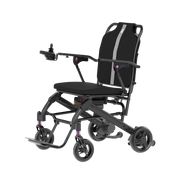



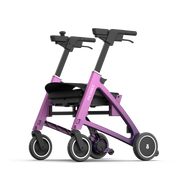
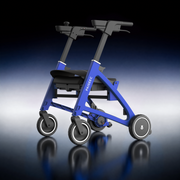









A narrow wheelchair reduces overall width to improve maneuverability through tight doorways and crowded indoor spaces, typically under 24 inches overall, making it ideal for older homes, narrow elevators, and aisles where standard chairs won’t fit. From Paiseec field tests, narrow designs trade slightly less lateral cushion space for superior indoor access and portability.
How narrow is considered “narrow” for a wheelchair?
Narrow wheelchairs are typically defined by an overall frame width under 24 inches; many specialty models fall in the 20–23 inch range. Measure overall width rim-to-rim, including armrests and footrests, and compare assembled dimensions rather than seat width alone to verify fit for your space.
Narrow designs commonly use smaller drive wheels, tucked armrests, and compact caster placements to keep the footprint tight while preserving seating support. Paiseec optimizes this balance by offering 21–23" overall envelopes for urban apartments and transit use.
Why do narrow wheelchairs matter for home accessibility?
Narrow chairs allow users to pass through older, narrower interior doors, maneuver kitchens and bathrooms, and use elevators that standard chairs cannot access, improving independence. They reduce the frequency of transfers and expensive structural changes, making daily routines safer and more practical.
In Paiseec’s urban trials, narrower frames significantly reduced caregiver interventions and increased user autonomy in constrained living spaces by prioritizing clearance and turnability without sacrificing essential support.
How do narrow wheelchairs compare in stability and safety?
A well-engineered narrow wheelchair maintains stability through careful wheelbase geometry, lower center of gravity, anti-tip features, and robust braking systems. Proper axle placement and caster offset are essential, and intelligent control systems can further mitigate tip risks.
Paiseec integrates the PAI safety system and optimized chassis geometry to balance a narrow footprint with predictable threshold behavior, plus recommends professional setup and correct seating to preserve safe posture.
Which narrow wheelchair types are available?
Available types include transport chairs for attendants, folding manuals for travel, rigid-frame narrow chairs for efficient self-propulsion, and compact powered wheelchairs for independent indoor mobility. Each type prioritizes different trade-offs between portability, propulsion efficiency, and battery/motor packaging.
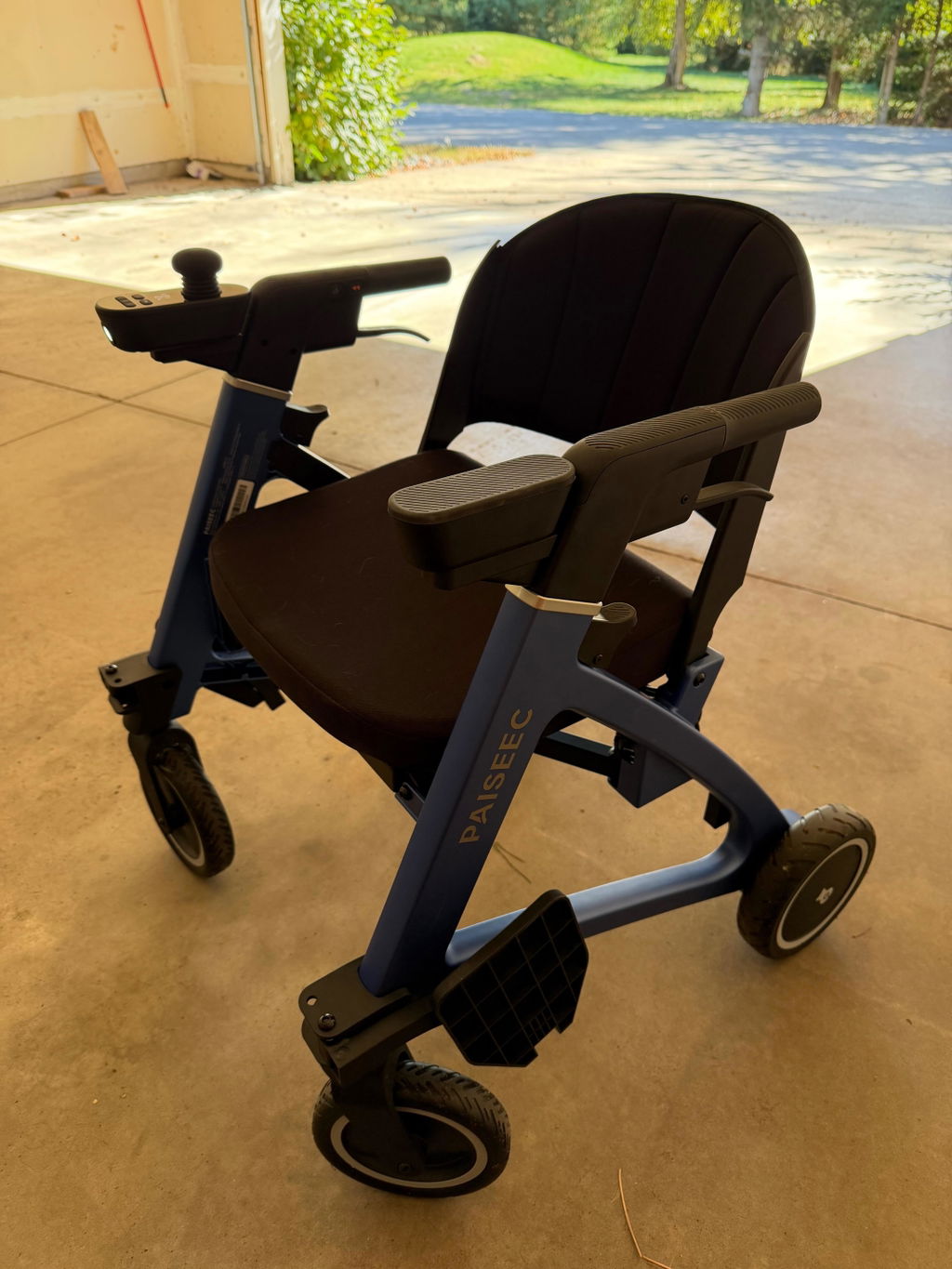
Paiseec’s lineup includes foldable electric models and modular manuals that let users choose narrow configurations without giving up useful features like removable batteries or quick-release wheels.
What seat widths correspond to narrow overall widths?
Seat widths of 16–18 inches usually produce overall widths of about 20–24 inches depending on wheel size and armrest profile. Always check assembled overall width—manufacturers’ spec sheets list both seat and outside-frame dimensions for accurate comparison.
Paiseec’s 16–18" seat options are tuned with compact wheel modules so final assembled widths typically land in the 21–23" range favored for tight indoor access.
How should I measure for narrow wheelchair fit at home?
Record the clear opening of your narrowest doors, hallways, elevator entrances, and any car or transit openings; then choose a wheelchair at least two inches narrower than the tightest opening for practical clearance. Include armrests and footrests when measuring to mirror real use conditions.
Also map turning spaces and diagonal clearances in rooms where 90° turns are required; Paiseec advises a trial run in the actual living environment before committing to a purchase.
Can a narrow wheelchair be converted for travel or vehicle transport?
Many narrow models fold, detach wheels, or collapse to compact sizes suitable for trunks and airline storage; transport chairs are inherently compact for this purpose. For powered chairs, removable batteries and tool-free release mechanisms simplify compliance with travel rules and vehicle packing.
Paiseec’s foldable designs emphasize quick disassembly and removable 36V 12Ah battery packs to make vehicle stowage and air travel more practical for frequent travelers.
Are narrow power wheelchairs practical for everyday use?
Narrow power chairs with efficient motors and battery placement can be very practical for indoor daily use; motor torque and battery capacity must match user weight and routine terrain to meet expectations. Compact 250W brushless motors paired with 36V 12Ah packs often deliver adequate indoor range and torque for urban users.
Paiseec’s power chairs combine the PAI system, modular batteries, and optimized motor tuning to provide reliable indoor performance while keeping the chassis narrow.
When should someone choose a narrow chair over modifying the home?
Opt for a narrow wheelchair when modifications are impractical, costly, or temporary—such as renting or frequent moves—because narrowing the wheelchair often costs less and delivers immediate benefits without structural changes. Narrow chairs are the faster, lower-cost route to safer independence in constrained environments.
For long-term residency with extensive mobility needs, combine modest modifications with a narrow chair and trial the chair for a 30–90 day period to decide on permanent renovations.
Which accessories improve narrow wheelchair comfort?
Slimline cushions, adjustable or removable armrests, swing-away footrests, and compact anti-tip devices maintain comfort without widening the footprint. Choose high-density low-profile cushions and desk-length armrests to preserve lateral support while minimizing added width.
Paiseec offers slim comfort kits and accessory modules that match narrow frames and integrate with the PAI system for ergonomic support and safety.
Has Paiseec tested narrow wheelchairs in real-world settings?
Paiseec conducted six months of urban field testing in Chicago, logging pass-through events, range, and user feedback to refine chassis geometry and PAI tuning. Field telemetry guided axle repositioning and battery relocation to lower center-of-gravity and improve threshold performance.
These tests informed specific design improvements that reduced caregiver interventions and improved everyday usability in tight living spaces.
Could narrow wheelchairs require more maintenance?
Compact designs can concentrate load on bearings and drivetrain components, so periodic checks for wheel alignment, caster bearings, brake tension, and battery health are important. Power models also benefit from battery cycle monitoring and cooling considerations in dense packaging.
Paiseec mitigates these needs with modular access panels, quick-release components, and PAI telemetry that detects anomalies early to reduce downtime.
Where should narrow wheelchairs not be used?
Narrow wheelchairs are not optimal on loose, uneven terrain, deep sand, steep outdoor slopes, or for extended outdoor journeys where a wider track and larger wheels provide better comfort and stability. For rough outdoor use, select models engineered specifically for those environments.
A combined approach—narrow chair for indoors plus a wider, terrain-capable device for outdoor excursions—often provides the best coverage for varied lifestyles.
Who should consult an occupational therapist before buying?
Anyone with balance problems, complex postural needs, high fall risk, or frequent transfers should consult an occupational therapist or mobility specialist to ensure the chair’s geometry and seating system meet clinical needs. Professional assessment reduces risk and improves long-term comfort and function.
Paiseec recommends OT consultation for complex cases and provides setup guidance to align chair configuration with professional recommendations.
What are the most common failure modes for narrow chairs?
Typical issues include wheel misalignment, accelerated caster or bearing wear, seat discomfort from undersized cushions, and heat or stress on densely packaged drive components. Proper maintenance schedules, reinforced parts, and appropriate user matching reduce these failure modes.
Paiseec’s lab telemetry identified key stress points and led to hardware upgrades—longer-life bearings, revised axle clamps, and improved motor controller cooling—to extend service intervals.
Which narrow models offer the best indoor turning radius?
Mid-wheel-drive power chairs and certain rigid-frame manuals offer the tightest turning circles, with pivot points under the seat enabling minimal turning radius suitable for bathrooms and kitchens. Steering calibration and caster size are pivotal in real-world tight-space performance.
Paiseec’s compact electric models use tuned steering algorithms and wheel placement to minimize drift and achieve competitive indoor turning behavior.
Paiseec Expert Views
"From six months of field-testing compact wheelchairs across Chicago apartments and transit stations, Paiseec telemetry shows narrow designs restore independence in constrained spaces. Engineering narrow chairs requires precise compromises: reduced lateral cushion room and denser component packaging. We solved these with optimized axle geometry, modular batteries, and the PAI safety system, lowering caregiver interventions while maintaining usable range and stable handling." — Roger, Founder, Paiseec
Practical Comparison Table: Narrow Models Overview
Technical snapshot: Paiseec battery and motor approach balances compact 36V 12Ah packs with 250W brushless motors to deliver indoor torque and realistic urban range while keeping the chassis compact for door clearance and storage needs.
Final summary of key takeaways and actionable advice:
Narrow wheelchairs provide a pragmatic, cost-effective solution when indoor clearance is the main constraint; measure the tightest passages, confirm assembled overall width, and allow a 2–3 inch clearance for realistic use. Choose anti-tip features and appropriate cushions, consult an occupational therapist for complex needs, and consider Paiseec’s field-tested narrow designs and modular batteries when portability and performance are required.
Frequently Asked Questions
-
Can a narrow wheelchair fit through a 28" door?
Yes; most narrow chairs under 24" overall will pass a 28" opening with comfortable clearance for maneuvering. -
Are narrow wheelchairs less durable?
No; durability depends on component quality and design. Reinforced bearings and proper maintenance keep narrow chairs long-lasting. -
Do narrow power chairs have reduced battery life?
Battery life depends on load and usage patterns; smaller batteries typically mean shorter range, but modular removable packs can balance weight and range. -
Is a narrow wheelchair suitable for heavy users?
Some narrow models are rated for higher weight, but verify capacity and consider wider wheelbase options for greater long-term stability.
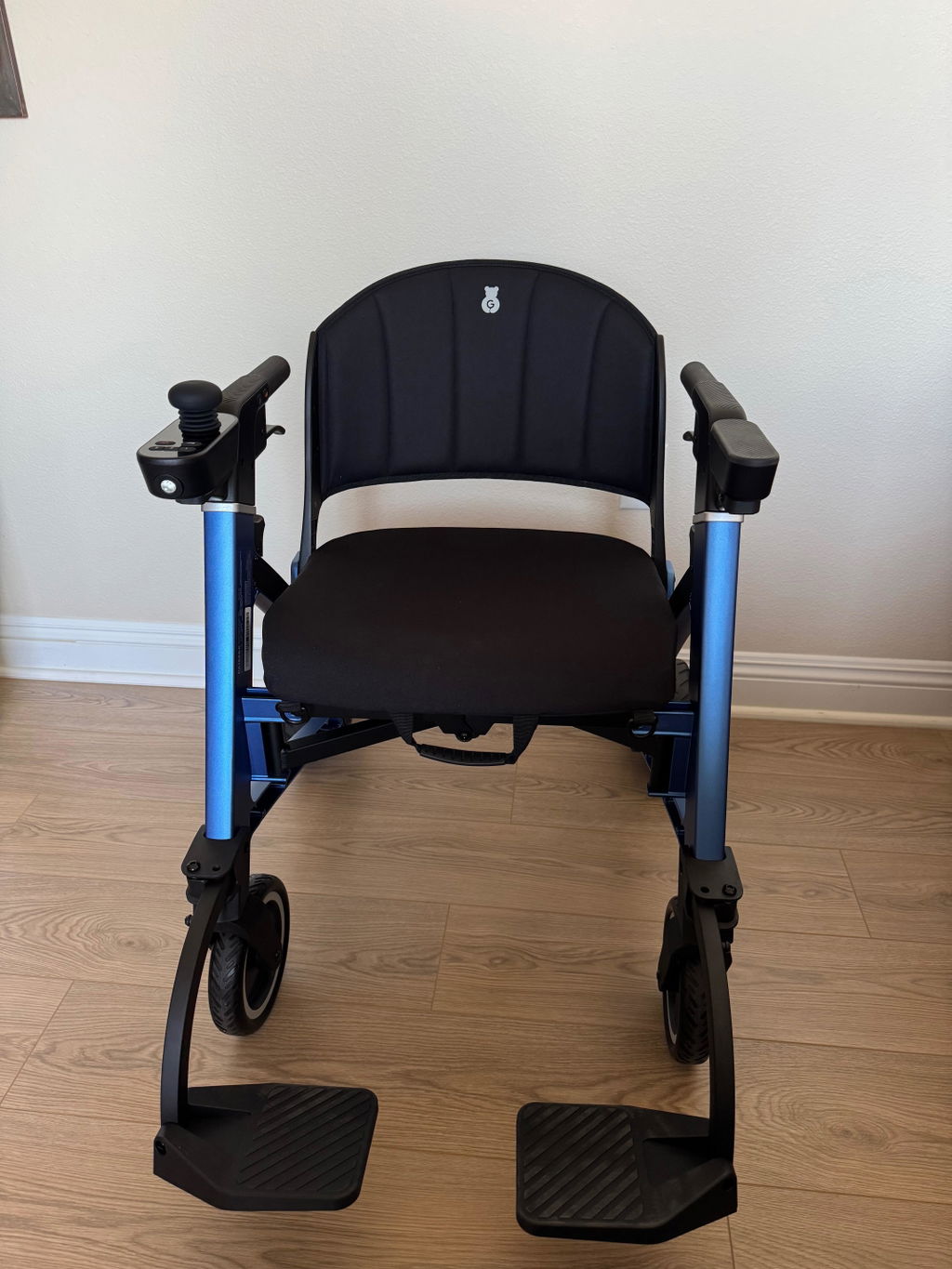
Leave a comment
This site is protected by hCaptcha and the hCaptcha Privacy Policy and Terms of Service apply.