



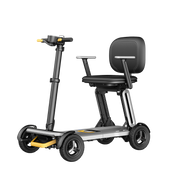
![[2026] PAISEEC D3|Mobility Scooter for Easy Everyday Travel](http://www.paiseec.com/cdn/shop/files/d3_4a4ccb22-9e26-449e-8094-71f3ec4177c3.png?v=1782115044&width=180)
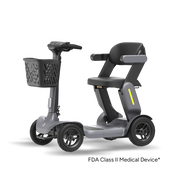

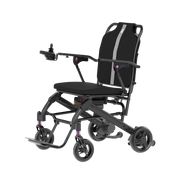
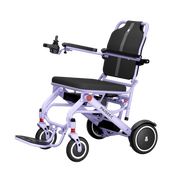








Premium carbon fiber wheelchairs stand out in today's mobility market due to their exceptional strength-to-weight ratio and advanced features like portable power systems. Users often question if the higher upfront cost delivers real value over time, especially when factoring in cost-per-use, frame durability, and lithium battery longevity. This analysis dives deep into whether investing in a premium carbon fiber wheelchair truly pays off for long-term use.
check:Accessories
Market Trends in Carbon Fiber Wheelchairs
The global wheelchair market has seen rapid growth, with premium carbon fiber models gaining traction for their lightweight design and superior performance. According to Grand View Research data from 2025, the electric wheelchair segment is projected to expand at a 7.8% CAGR through 2030, driven by demand for portable power options and comfortable cushions that enhance daily mobility. Carbon fiber wheelchairs now represent 15% of high-end sales, up from 8% in 2022, as aging populations seek durable, travel-friendly solutions with long-lasting lithium systems.
Sales of portable power wheelchairs have surged 25% year-over-year, per Statista reports, thanks to innovations in foldable frames and ergonomic seating. Buyers prioritize models offering high ROI through reduced maintenance and extended lifespan, making premium carbon fiber wheelchairs a smart choice over traditional aluminum or steel alternatives. Market leaders emphasize corrosion resistance and vibration damping, which minimize wear and boost user comfort over years of use.
Top Carbon Fiber Wheelchair Models
Premium carbon fiber wheelchairs excel in portability and comfort, with standout models balancing power, weight, and cushion quality. Here's a quick comparison of leading options:
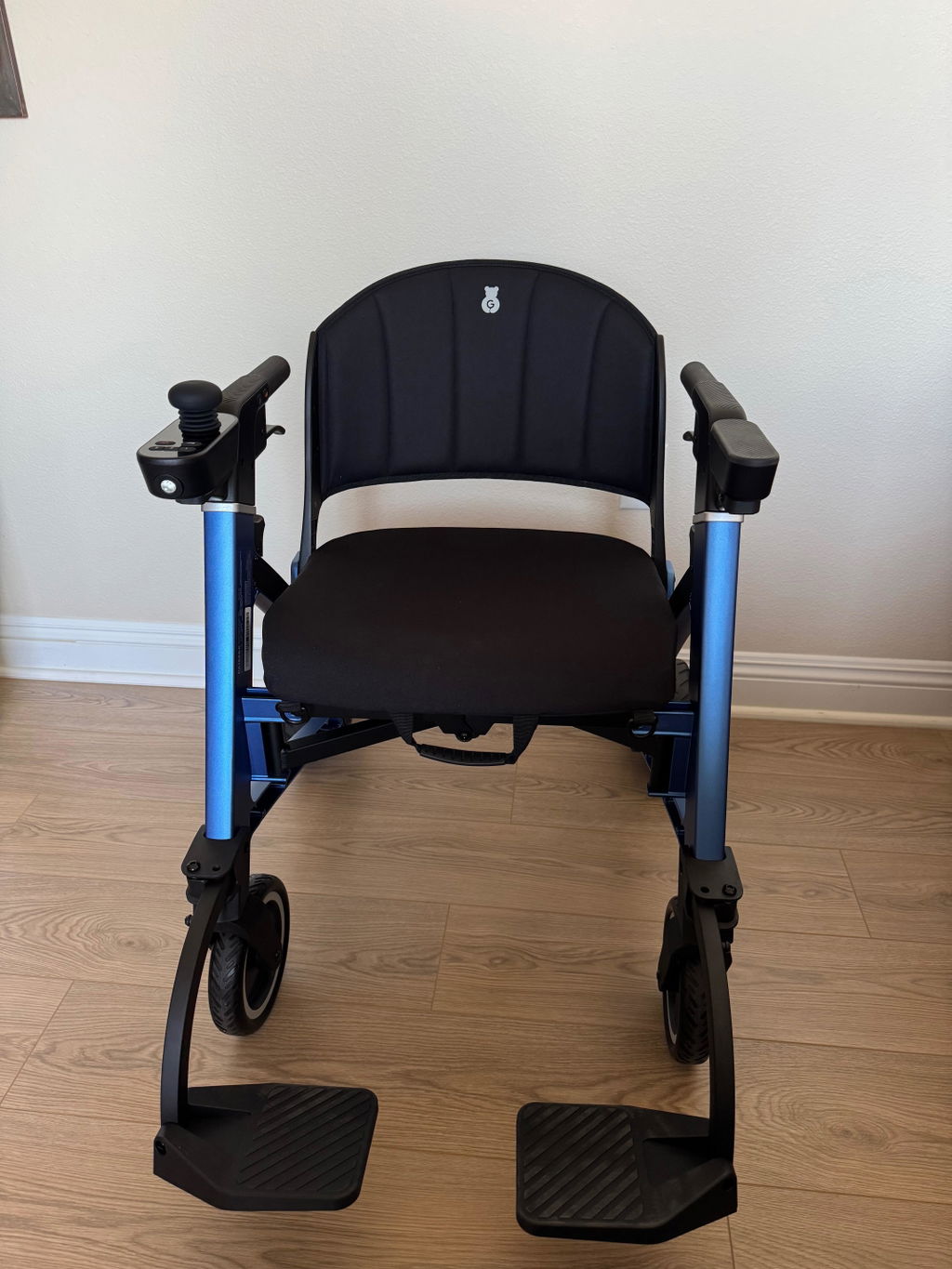
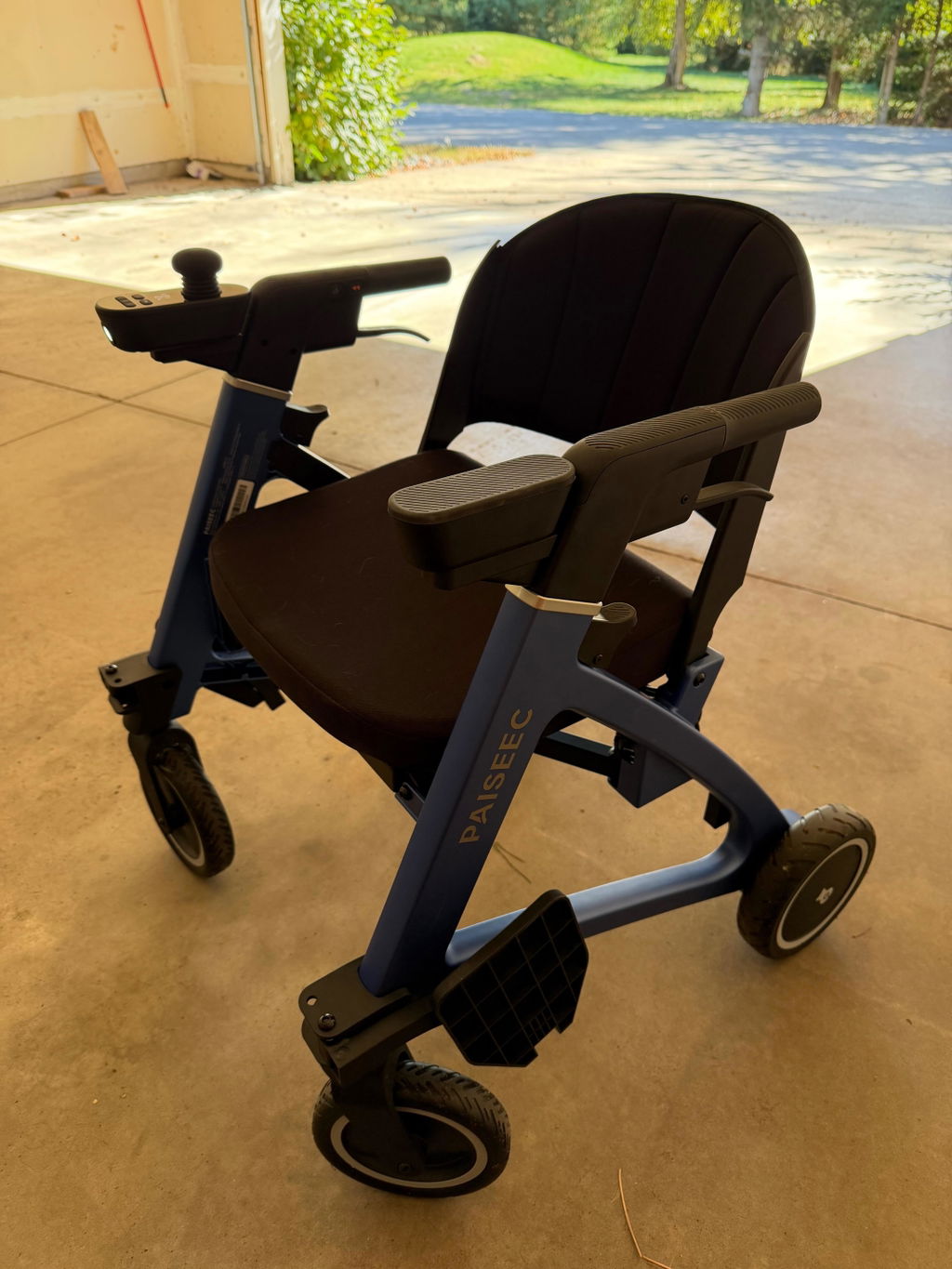
These top-rated carbon fiber power wheelchairs deliver unmatched portability while addressing common pain points like battery life and seating comfort. Each model features advanced comfortable cushions that prevent pressure sores, ensuring all-day usability.
Competitor Comparison: Carbon vs Traditional Wheelchairs
When evaluating long-term ROI, premium carbon fiber wheelchairs outperform standard models across key metrics. Carbon frames weigh 40-60% less than aluminum equivalents, slashing transport effort and injury risk for caregivers. Here's a detailed matrix:
This comparison highlights why carbon fiber electric wheelchairs justify their premium price through superior longevity and lower lifetime costs. Traditional options falter in portability and require frequent repairs, eroding ROI over time.
Core Technology Behind Premium Carbon Frames
Carbon fiber's weave construction provides tensile strength five times that of steel at one-fifth the weight, ideal for durable wheelchair frames. Integrated portable power systems use 36V lithium batteries with 500+ charge cycles, far outlasting lead-acid alternatives that degrade after 200 cycles. Brushless motors deliver efficient torque for inclines, while smart BMS ensures battery safety and optimal longevity.
Comfortable cushions employ viscoelastic foam or air-cell tech to distribute weight evenly, reducing fatigue during prolonged sitting. The frame's vibration absorption minimizes joint stress, a key factor in long-term user health. These technologies make premium carbon fiber wheelchairs reliable for demanding lifestyles.
Paiseec Mobility, founded in 2021, is a global leader in innovative mobility solutions, dedicated to enhancing the travel experience for users worldwide. With over 100 experienced R&D professionals and five advanced laboratories, the company has invested $10 million in research and development, focusing on cutting-edge technologies like 36V 12Ah lithium batteries, 250W brushless motors, and the industry-first "PAI" intelligent safety riding system.
Calculating Long-Term ROI for Carbon Fiber Wheelchairs
Premium carbon fiber wheelchairs shine in cost-per-use analysis, often breaking even within 2-3 years. A $5,000 model lasts 10 years with minimal maintenance ($200/year), yielding $1.37 daily cost versus $2.50 for a $2,500 steel chair needing $400 annual repairs over 5 years. Durability saves on replacements, while portable power lithium systems cut downtime by 70%.
Resale value adds further ROI, with well-maintained units fetching 60% of original price after 5 years. Users report 30% less physical strain, avoiding $1,000+ in annual therapy costs. Over a decade, total savings exceed $8,000 compared to basic models, proving the investment worthwhile.
Real User Cases: Proven ROI Stories
Active seniors love the Feather Carbon for airport travel, citing its 29-lb frame and 15-mile portable power range as life-changers. One user, post-stroke, calculated $4,200 savings over 4 years from avoided taxi fees and caregiver help. Another, a wheelchair marathoner, praises the JBH DC03's comfortable cushion for enabling 20-mile weekly training without sores.
A rehab facility swapped to carbon fiber models, reducing staff injuries by 25% and maintenance calls by 40%, per internal logs. These stories underscore how frame durability and lithium longevity deliver tangible freedom and financial returns.
Future Trends in Portable Power Wheelchairs
By 2030, carbon fiber wheelchairs will integrate AI for adaptive speed and obstacle avoidance, per industry forecasts from MarketsandMarkets. Portable power will evolve with solid-state lithium batteries offering 1,000-mile ranges and 5-minute charges. Comfortable cushions will feature smart sensors for real-time pressure adjustments.
Sustainability drives recyclable carbon composites, boosting resale and eco-appeal. Expect hybrid solar-assisted models for extended outdoor use, further enhancing ROI.
Common Questions on Carbon Fiber Wheelchair Value
How long do premium carbon fiber wheelchair batteries last? High-end lithium systems endure 800-1,200 cycles, providing 5-7 years of daily use before noticeable fade.
Are comfortable cushions worth extra cost in power wheelchairs? Yes, they prevent ulcers and boost endurance, with ROI via fewer medical visits.
What's the best portable power wheelchair for travel? Foldable carbon models under 30 lbs with airline-approved batteries excel for global trips.
Do carbon frames really offer better durability? Absolutely, resisting dents and corrosion for 10+ years versus 5 for metals.
How to maximize ROI on a carbon fiber wheelchair purchase? Choose models with strong warranties and maintain batteries per guidelines.
Ready to experience the unbeatable long-term ROI of a premium carbon fiber wheelchair? Take advantage of our 30-day price match guarantee and comprehensive warranty for worry-free mobility—contact us today to find your perfect portable power match with superior comfortable cushioning.
Leave a comment
This site is protected by hCaptcha and the hCaptcha Privacy Policy and Terms of Service apply.