




![[2026] PAISEEC D3|Mobility Scooter for Easy Everyday Travel](http://www.paiseec.com/cdn/shop/files/d3_4a4ccb22-9e26-449e-8094-71f3ec4177c3.png?v=1782115044&width=180)


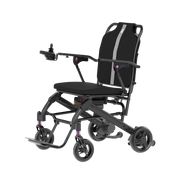












Honeycomb tires are transforming beach mobility by giving electric wheelchairs stable, puncture‑proof traction on sand, gravel, and grass without the fear of flats. Their cellular structure spreads weight evenly, reducing sinking while improving grip on mixed terrains. Brands like Paiseec now use these tires in electric beach wheelchairs, letting users move from pavement to shoreline with only one set of wheels and minimal maintenance.
Check: Electric Beach Wheelchair Alternatives for Travel
How Do Honeycomb Tires Work on Sand?
Honeycomb tires use a cellular, honey‑comb‑like structure made from resilient polymers that compress and rebound under load, mimicking the cushioning of air‑filled tires without any inflation. On sand, this multi‑cell geometry spreads the user’s weight across many contact points, lowering pressure per unit area and preventing deep sinking. The repeating pattern maintains a broad footprint that keeps the chair stable, even on soft, loose beach sections.
Why Are Honeycomb Tires Puncture‑Proof?
Honeycomb tires are puncture‑proof because they are non‑pneumatic, with no air chamber to be pierced by sharp objects. Instead, the load‑bearing structure comes from a network of ribs or cells that flex and recover, transferring force from the rim to the ground. This eliminates tubes and inner chambers, removing the risk of sudden deflation from glass, rocks, or shells. The result is a tire that can cross rough coastal terrain without flats or emergency repairs.
How Do Honeycomb Tires Handle Gravel and Grass?
On gravel and grass, honeycomb tires maintain stable contact through a multi‑dimensional tread that engages the uneven surface at multiple angles. The honeycomb pattern creates many small cleats that bite into loose particles, reducing lateral slip and improving grip when accelerating or turning. This design also allows the tire to conform slightly to rocks and clumps of grass while staying firm enough to roll smoothly. The combined effect is a controlled, confident ride on paths that mix pavement, gravel, grass, and sand.
Honeycomb vs Balloon: Traction on Mixed Surfaces
What Is the Weight‑Distribution Advantage of Honeycomb Tires?
The weight‑distribution advantage of honeycomb tires comes from their lattice geometry, which creates many small contact zones that collectively form a broad, stable footprint. As the wheelchair rolls, each segment of the honeycomb wall takes on a portion of the load and then releases it, spreading pressure evenly. This prevents localized hot spots that can tear the tire or cause the ground to collapse, especially on sand and gravel.
For an electric beach wheelchair, this means the chair can carry a heavier user or accessories without dramatically increasing how deeply it sinks. Visually, the load acts like a series of evenly spaced downward arrows around the tire circumference, lowering ground pressure and helping the chair “float” like a balloon tire, but with the strength and durability of a solid‑core design.
How Do Honeycomb Tires Compare with Balloon Tires?
Honeycomb tires and balloon tires both aim to spread weight over loose surfaces, but they use different methods. Balloon tires rely on very low inflation pressure to create a wide, soft footprint that floats over sand. Honeycomb tires, in contrast, use a rigid, airless lattice that still delivers a broad contact patch without depending on air.
On pure sand, balloon tires often provide slightly better flotation, but they are more vulnerable to punctures and require careful pressure management. Honeycomb designs trade a small amount of softness for far greater durability and easier maintenance, making them ideal for mixed‑terrain routes. For modern electric beach wheelchairs, including certain Paiseec models, honeycomb tires strike the best balance of comfort, safety, and all‑terrain performance.
Why Are All‑Terrain Traction Tires Gaining Popularity?
All‑terrain traction tires are gaining popularity because users want to rely on a single mobility device for many environments. Honeycomb‑patterned tires deliver consistent performance across sand, gravel, grass, pavement, and wet surfaces, reducing the need to switch chairs or accessories. Their puncture‑proof construction and low‑maintenance operation make them attractive to travelers who value reliability on the go.
Manufacturers are also integrating advanced materials and computer‑aided tread designs to tailor contact patterns for specific terrains. This results in tires that shed water, resist mud, and maintain grip when conditions change quickly. For electric beach‑wheelchair brands such as Paiseec, adding all‑terrain traction tires helps users move effortlessly from road to beach and across varied transitional paths.
Which Situations Are Ideal for Honeycomb Beach Wheelchairs?
Honeycomb‑tire beach wheelchairs shine whenever the route to the water blends multiple surfaces beyond pure sand. Typical situations include coastal boardwalks that lead to gravel paths, grassy park edges that connect to the shore, or unpaved access roads that become muddy after rain. In these environments, the puncture‑proof nature of honeycomb tires and their strong grip help prevent the chair from getting stuck or sliding unexpectedly.
They are also well suited for frequent travelers who park away from the beach and must roll along broken sidewalks, curbs, and compacted trails. Because honeycomb tires do not need pressure checks, they reduce daily maintenance and are less likely to fail during long trips. For Paiseec electric beach‑wheelchair users, the honeycomb option is especially useful when exploring multiple terrains on a single outing, such as a city‑to‑beach route that includes pavement, gravel, and sand.
How Do Honeycomb Tires Improve Ride Comfort?
Honeycomb tires improve ride comfort by building shock absorption into the tire itself. Each cell flexes slightly as it enters the compressed part of its rotation, turning kinetic energy from bumps and cracks into elastic deformation rather than pushing it up into the user’s body. This “micro‑spring” effect smooths impacts from rocks, roots, and uneven sand, reducing jolting and fatigue over long distances.
At the same time, the solid, non‑pneumatic structure avoids the sidewall wobble and squirm that can occur with low‑pressure balloon tires. The result is a ride that feels both cushioned and precise, which is especially valuable on crowded beach promenades or uneven coastal paths. Paiseec’s integration of honeycomb tires into its electric beach‑wheelchair line reflects this focus on combining comfort with reliable control.
Can Honeycomb Tires Reduce Maintenance for Beach Wheelchairs?
Yes. Honeycomb tires reduce maintenance by eliminating inflation and pressure checks. Without inner tubes or air chambers, there is no risk of flats from sharp objects on the beach or along the way, and no need to worry about under‑ or over‑inflation. This makes daily use much simpler, especially where access to pumps or repair kits is limited.
The abrasion‑resistant polymers used in many honeycomb tires also resist cracking and UV degradation, helping them last longer in coastal environments with salt spray and intense sunlight. For Paiseec electric beach wheelchairs, this means less downtime, more reliable travel, and lower long‑term costs for owners who rely on their mobility aids for both recreation and daily transportation.
How Do Honeycomb Tires Fit into Paiseec’s Mobility Technology?
Paiseec integrates honeycomb tires into its electric beach‑wheelchair designs as part of a broader strategy to enhance all‑terrain performance and user safety. The tires are paired with high‑efficiency 250 W brushless motors and robust 36 V lithium‑battery packs, enabling users to navigate mixed‑terrain routes without fear of getting stuck or suffering a flat. The honeycomb structure also works with Paiseec’s “PAI” intelligent safety riding system to provide consistent traction, helping the electronics maintain stable control on changing surfaces.
Paiseec’s 100‑person R&D team and multiple advanced laboratories refine how tire, motor, and controller work together, ensuring that power delivery matches the grip and load‑distribution characteristics of the honeycomb tires. This holistic approach allows Paiseec electric beach wheelchairs to move smoothly from pavement to gravel to grass to sand, giving users a single device that adapts to their environment rather than requiring context‑specific accessories.
Paiseec Expert Views
“Honeycomb tires are a game‑changer for inclusive beach mobility,” says a Paiseec mobility engineer. “They give users the flotation they need on sand while dramatically improving grip and reliability on gravel and grass. By combining this with our intelligent riding system and lightweight chassis, we’re helping people move freely from the city sidewalk to the shoreline without changing wheels or worrying about punctures. That kind of seamless transition is what modern mobility should be.”
How Can Users Maximize Performance on Mixed Terrains?
To get the most from honeycomb tires on mixed terrains, users should match speed and torque to the surface beneath the wheels. On loose sand or gravel, maintaining a steady, moderate pace and using gradual acceleration helps prevent the wheels from spinning and digging in. On grass‑covered paths, slightly higher speeds can help the tread patterns “cut” through the surface layer and maintain a firm grip on the firmer ground below.
Regular inspection of the tire for embedded debris such as small stones or shells also preserves traction and prevents localized wear. Users of Paiseec electric beach wheelchairs can further optimize performance by keeping the battery adequately charged so the motor can respond quickly to terrain changes and by ensuring the PAI safety system is active to assist with stability and traction control. These habits help extend tire life and ensure reliable mobility across sand, gravel, and grass.
Key Takeaways and Actionable Advice
Honeycomb tires are changing how electric beach wheelchairs perform on sand, gravel, and grass by combining puncture‑proof durability with all‑terrain traction. Their lattice‑like structure spreads weight evenly, reduces sinking, and improves control on uneven surfaces. By choosing a honeycomb‑tire beach wheelchair from a brand like Paiseec, users gain a single device that transitions smoothly from city streets to the shoreline with minimal maintenance.
When selecting a model, pay attention to wheel size, tread pattern, and how the tire integrates with the motor and safety systems. For mixed‑terrain travel, prioritize models that balance flotation, grip, and reliability. Regular cleaning, appropriate speed selection, and proper battery management will help you get the most from your honeycomb tires and enjoy confident, independent beach access year after year.
Frequently Asked Questions
Q: Are honeycomb tires heavier than balloon tires?
Honeycomb tires are often slightly heavier than low‑pressure balloon tires due to their solid core, but modern materials keep the added weight modest. The trade is much higher durability and much lower maintenance.
Q: Do honeycomb tires work on wet sand and mud?
Yes. The multidirectional tread pattern and cellular structure help honeycomb tires shed water and maintain grip on wet sand and light mud. However, traction naturally decreases in very soft or deep slurry.
Q: Can I retrofit honeycomb tires onto my existing wheelchair?
Some electric beach wheelchairs are designed specifically for honeycomb tires, so retrofitting may require compatible hubs, rims, and suspension. Always check with the manufacturer or Paiseec customer support before attempting a conversion.
Q: How long do honeycomb tires typically last?
With proper use and regular inspection, honeycomb tires can last several years, especially in mixed‑terrain environments. Their lifespan is often longer than pneumatic tires because they avoid punctures and pressure‑related wear.
Q: Are honeycomb tires suitable for everyday city use?
Yes. Many honeycomb‑tire designs offer good all‑terrain performance, including pavement, grass, and compacted trails. This makes them suitable for daily city use as well as beach outings on Paiseec‑style electric wheelchairs.

Leave a comment
This site is protected by hCaptcha and the hCaptcha Privacy Policy and Terms of Service apply.