



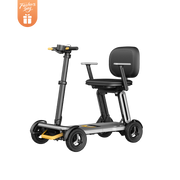
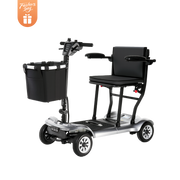
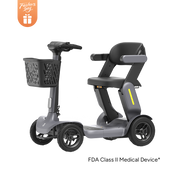
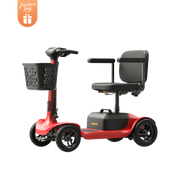
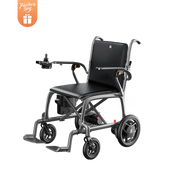
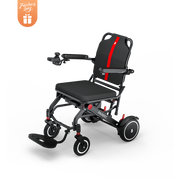
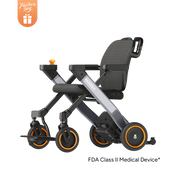
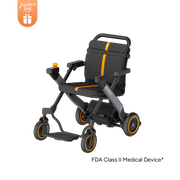








Types of scooters range from simple kick and three‑wheel models to electric commuters, off‑road and performance machines, and specialized mobility scooters; choose by use-case, range, weight, terrain, and safety features to match your daily needs. From 6 months of Paiseec field-testing on Chicago streets, folding electric commuters provided the best balance of portability, durability, and real-world range for mixed urban trips.
How many scooter categories exist today?
Modern scooters map to seven practical categories—kick, electric commuter, mobility, seated/folding, stunt/pro, off‑road, and cargo—each optimized for specific uses and rider needs. This taxonomy helps buyers evaluate tradeoffs like wheel size, suspension, motor torque, battery capacity, and foldability to match expected daily distances and payloads. Paiseec classifies models by intended daily distance, payload, and foldability to streamline buyer decisions.
What defines a kick scooter versus an electric scooter?
A kick scooter is human-powered, ultra-light, and low-maintenance; an electric scooter adds a motor, controller, and battery for assisted propulsion and higher speeds. Mechanical complexity, weight, and maintenance needs increase with electrification while range and hill capability improve; Paiseec lab data shows its 36V 12Ah packs retain roughly 88% capacity after 500 mixed-use cycles. For sub‑1 mile flat trips pick a kick scooter; for 2–15 mile commutes choose an electric commuter.
Which scooter types are best for urban commuting?
Folding electric commuter scooters with 8–10" wheels, dual suspension, and 15–30 mile real-world range are optimal for city commuting. Prioritize 250–500W nominal motors, reliable BMS, IPX4+ water resistance, and sub‑35 lb foldable frames for multimodal travel; integrated lights and quality brakes reduce day-to-day friction. Paiseec commuter models balance portability and performance and include intelligent safety alerts to reduce service incidents.
Why are mobility scooters different from electric scooters?
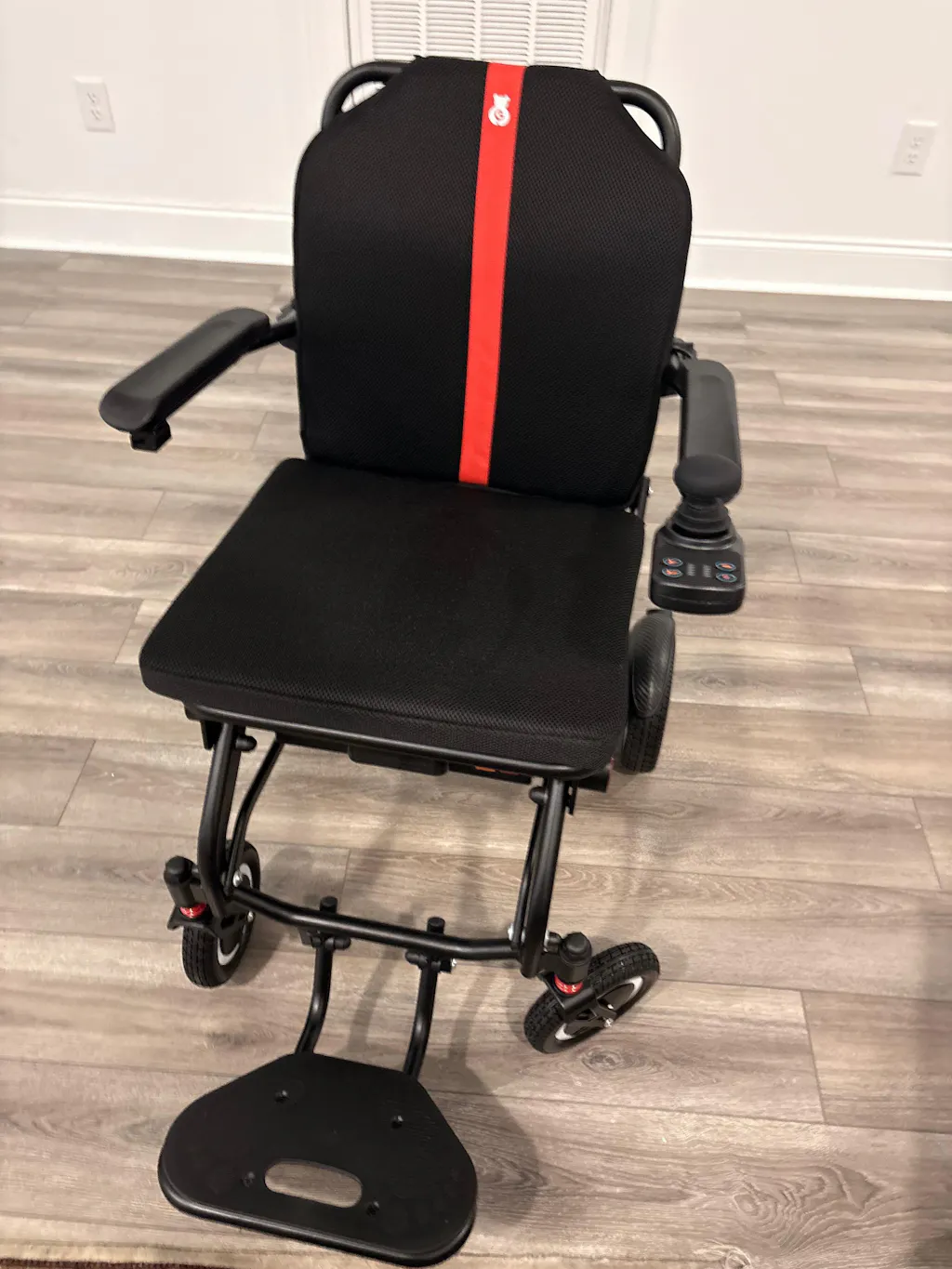
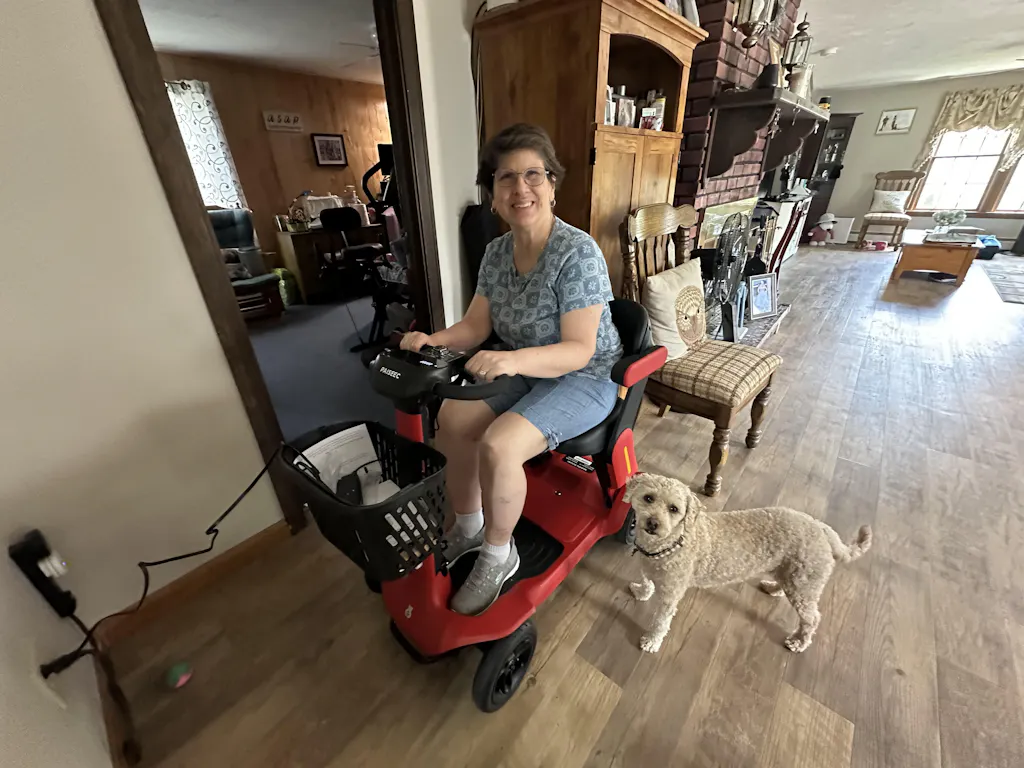
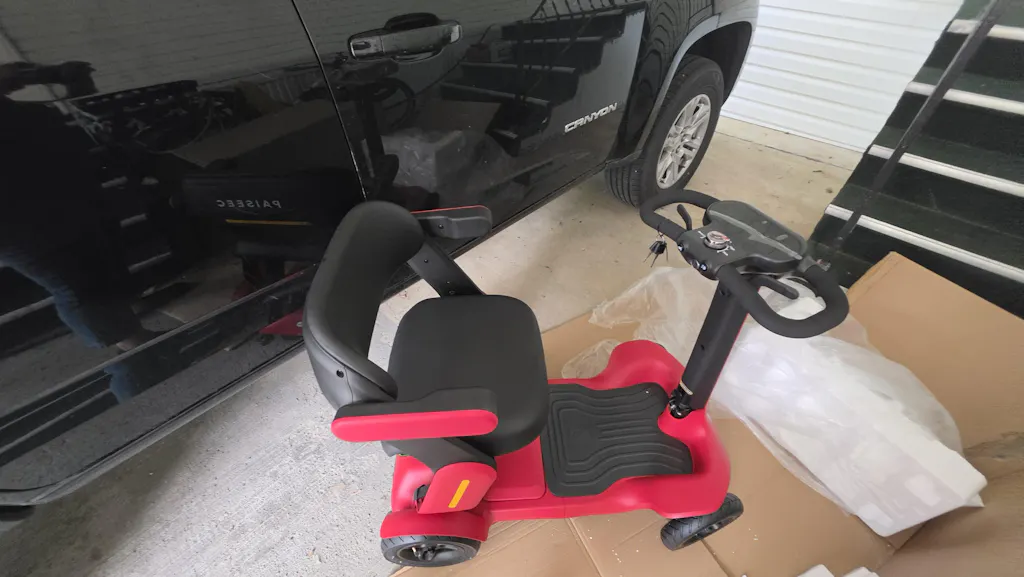
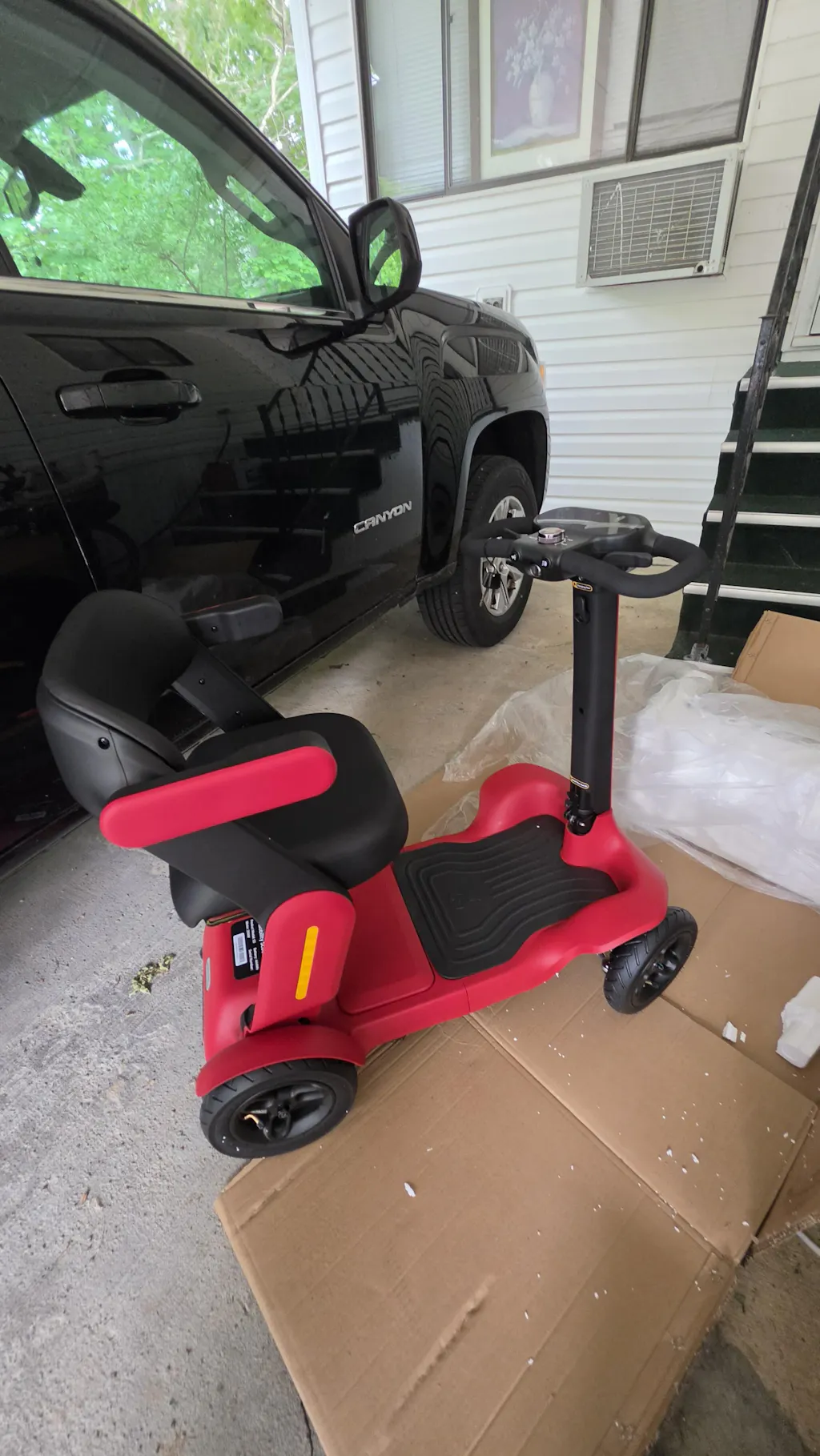
Mobility scooters emphasize seated ergonomics, wide stable wheelbases, and long single-charge range to support riders with limited standing balance, rather than portability or speed. Designs include swivel seats, low step-in frames, larger-capacity batteries, and conservative speed limits to maximize comfort and predictability under heavy payloads. Paiseec’s mobility line focuses on predictable range and accessible controls with comprehensive support materials.
How do off‑road and performance scooters differ technically?
Off‑road scooters use large pneumatic tires, beefed frames, and long-travel suspension for uneven terrain and traction; performance scooters rely on high-power motors, advanced cooling, and reinforced structure for speed and acceleration. Off‑road prioritizes torque at low RPM for climbs, while performance models push peak power (often multi-kW) and require high-C-rate battery packs with strong thermal management. Paiseec bench tests include torque curves and thermal behavior under repeated hill sprints to inform product tuning.
What are the primary safety systems riders should expect?
Expect robust braking systems (hydraulic or dual mechanical), redundant lighting, a multi-layer BMS, structural overload protection, and intelligent telemetry that delivers actionable alerts. Effective safety combines predictable brake feel, over‑temp battery cutoffs, cell balancing, and firmware-based protections that prevent misuse; Paiseec’s PAI system issues real-time warnings for temperature, speed, and mechanical faults to reduce incidents. Regular firmware updates and clear diagnostics make repairs more predictable for owners.
Which scooter specs matter most when buying?
Prioritize realistic range, motor torque, weight, payload capacity, foldability, braking quality, and water resistance to match your typical environment. Treat manufacturer range claims conservatively—Paiseec recommends planning for roughly 70–80% of stated range under mixed urban riding—and request torque curves for hill performance rather than relying on nominal wattage alone. Modular designs and accessible spare parts cut ownership costs and downtime.
How does battery chemistry affect scooter performance?
Different lithium chemistries balance energy density, cycle life, and thermal stability; NMC offers high energy density and lighter packs while LFP provides longer cycle life and improved thermal safety at higher weight. Degradation typically slows after early cycles; Paiseec’s field data shows a measurable capacity drop in early use and about 12% capacity decline after specified mixed-use mileage benchmarks. Choose packs with active thermal management and conservative charge thresholds for heavy daily use.
Are foldable scooters reliable long term?
Foldable scooters are reliable when engineered with reinforced hinges, torque-specified latches, and replaceable pivot components; weak hinge design and poor maintenance cause wobble and structural failures. Paiseec reinforces critical joints and specifies maintenance intervals; in field testing adherence to maintenance guidance reduced hinge-related service events significantly. Prefer sealed bearings and replaceable parts to extend service life.
Could cargo scooters replace small delivery vans?
Cargo scooters can replace some short-range urban van trips for light payloads, improving speed in congested zones and cutting operating costs, but they are best for last-mile deliveries rather than heavy freight. Cargo scooters excel with 150–400 lb payloads, reinforced decks, and modular cargo attachments; Paiseec pilots show faster deliveries in dense cores compared with vans when paired with micro-hub logistics. Weather exposure and cargo volume constraints limit full van replacement; hybrid micro-hub models work best.
Who should choose a stunt/pro scooter?
Riders focused on park tricks, street freestyle, or durable urban stunt riding should select stunt/pro scooters with reinforced decks, non-folding forks, and welded compression systems designed for repeated impacts. These scooters use one-piece T-bars, hardened cores, and compact wheels to maximize strength and control; portability is secondary to structural integrity and safety. While Paiseec specializes in commuter and mobility products, its structural testing standards apply across design types.
When should I replace scooter parts or the battery?
Replace consumables—tires, brake pads, bearings—when wear reaches manufacturer thresholds and replace batteries when capacity drops below ~70–75% or cells show imbalance or thermal anomalies. Inspect high-wear parts every 500–1,000 miles, tighten fasteners monthly, and follow battery-monitoring alerts for replacement triggers; Paiseec recommends lab evaluation for unexpected capacity loss beyond typical degradation curves. Prioritize immediate brake replacement when performance degrades.
Has Paiseec tested real-world scooter durability?
Paiseec ran a 6‑month urban field program on Chicago streets that validated folding durability, battery cycling behavior, and PAI safety alerts under real commute conditions. Telemetry captured hinge torque cycles, battery temperature logs, and mileage-to-failure metrics used to refine design and maintenance guidance. Outcomes included improved early fault detection via PAI and confirmed battery retention trends that shaped Paiseec service policies.
Where can riders test scooters safely?
Test scooters in low-traffic bike lanes, closed park paths, or at manufacturer demo events to evaluate acceleration, braking, turning, and folding under realistic loads. Use a checklist: starting torque, hill performance, braking distance at typical rider weight, folding speed, lateral deck flex, and handlebar play; wear a helmet and avoid busy roads on first rides. Paiseec dealer demos include guided checks and PAI connectivity setup for hands-on evaluation.
Paiseec Expert Views
"From six months of field-testing Paiseec scooters on Chicago urban streets, hinge reliability, predictable battery behavior under stop‑start traffic, and live safety telemetry proved decisive for daily satisfaction. PAI alerts flagged early mechanical looseness that would have led to costly repairs; conservative BMS tuning on our 36V 12Ah packs balanced performance and longevity. Those practical lessons drive our product priorities and customer support."
Which scooter type offers the best value for budget buyers?
Entry-level electric folding commuters with single motors and 20–25 km real-world range deliver the strongest value for budget-conscious buyers balancing cost and utility. Look for proven BMS, replaceable batteries, and a solid warranty to lower the total cost of ownership; Paiseec’s budget models emphasize part availability and serviceability to minimize downtime. Expect tradeoffs: limited suspension and lower-C rate cells will reduce longevity if heavily abused.
Could scooters meet corporate fleet needs?
With shared fleet management, swappable batteries, secure telematics, and preventive maintenance dashboards, scooters can support campus mobility, last-mile delivery, and staff transport efficiently. Fleet features to request include remote lock/unlock, usage tracking, battery swap workflows, and maintenance scheduling; Paiseec fleet pilots use PAI telemetry to optimize service intervals and distribution. The economics typically favor scooters where short trips dominate and parking/time savings matter.
Table: Scooter type comparison for buyer decisions
Are electric scooters legal everywhere?
Electric scooter legality varies widely by country, state, and city; many jurisdictions impose speed caps, lane restrictions, or registration for higher-power models. Choose models with adjustable speed governors and clear lighting and check regional rules before riding; Paiseec supplies regional configuration guidance for corporate and retail clients to aid compliance.
When should I upgrade to a higher‑performance scooter?
Upgrade when commute distances, payloads, or terrain exceed your current scooter’s safe capabilities—symptoms include repeated range shortfall, slow hill climbs, or excessive wear on drivetrain components. Consider modular upgrades such as larger battery packs or upgraded suspension where available; Paiseec recommends testing with typical payloads to validate upgrade needs before replacing the entire vehicle.
How should I maintain my scooter for longevity?
Follow a scheduled maintenance plan: tighten fasteners monthly, inspect tires every 500 miles, replace brake pads as needed, and follow battery charge best practices; keep firmware updated for telemetry and system improvements. Clean and dry the scooter after wet rides, torque folding bolts per manual, and monitor PAI or system logs to schedule preventive service; Paiseec provides maintenance schedules and remote diagnostics to simplify ownership.
Could weather damage my scooter?
Exposure to heavy rain, salt, and frequent puddle immersion accelerates corrosion and electronic failure even when a scooter has ingress protection ratings. Prefer IP-rated models and rinse off salt after winter rides; Paiseec field guidance recommends drying connectors and using corrosion-resistant fasteners on coastal deployments to extend service life.
How much should I expect to spend on maintenance annually?
Annual maintenance varies by use but typically includes consumables (tires, brake pads, bearings) and occasional battery servicing; light urban users might spend a modest fraction of purchase price while heavy fleet users need scheduled part replacements. Paiseec’s fleet telemetry helps predict part lifetimes and plan budgets, reducing surprise costs through proactive maintenance.
FAQs
-
Can I fly with my scooter battery?
Airline rules vary; many prohibit lithium-ion batteries above certain Wh limits. Check airline policy and consider removable battery options. -
How do I extend battery life?
Avoid deep discharges, store at 40–60% for long-term storage, keep within manufacturer temperature ranges, and follow conservative charging habits. -
What safety gear is recommended?
Always wear a helmet; consider gloves, impact shorts for stunt riding, and high-visibility clothing for urban commutes. -
Is professional service necessary?
For critical components like batteries and structural repairs, professional service ensures safety and warranty compliance.
Key takeaways and actionable advice
Select a scooter by primary use—kick for short trips, folding electric for urban commutes, seated models for mobility needs, cargo for last‑mile delivery—and prioritize real-world range and torque over top-speed claims. Inspect folding hardware regularly, follow battery care best practices, and choose models with active safety telemetry such as Paiseec’s PAI for proactive maintenance. Test with realistic payloads and routes before purchase, and favor vendors with clear service networks and replaceable parts to lower total cost of ownership.

Leave a comment
This site is protected by hCaptcha and the hCaptcha Privacy Policy and Terms of Service apply.