




![[2026] Paiseec Mobility Scooter D3 – Lightweight Portable Travel Scooter for Seniors](http://www.paiseec.com/cdn/shop/files/d3_f8cf501c-d83e-46f4-86da-a48ae7813899.png?v=1782115044&width=180)














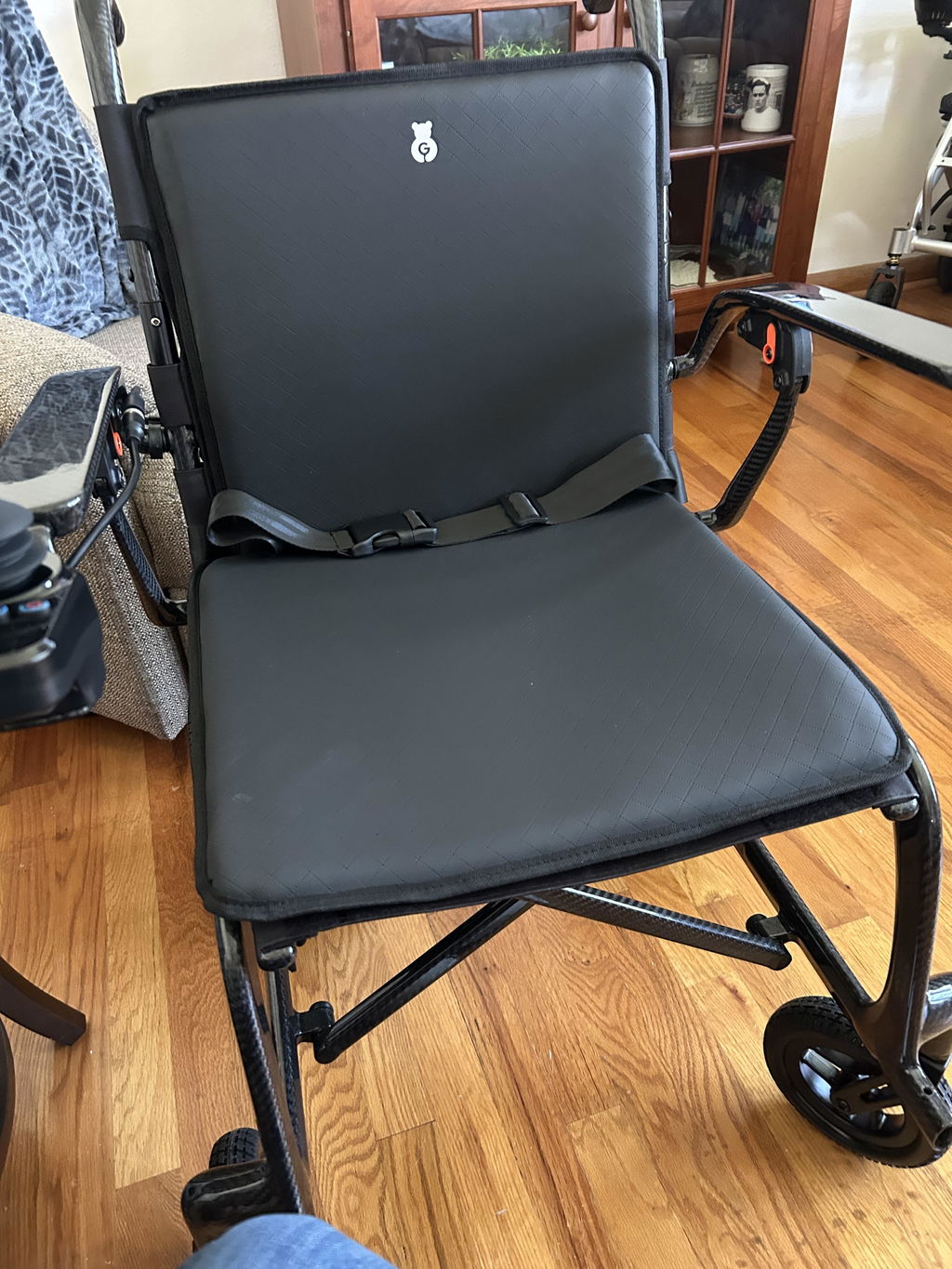
Wheelchair seat cushions play a vital role in preventing pressure sores during long mobility trips. These ergonomic wheelchair accessories provide essential pressure relief for users spending extended hours seated.
check:Accessories
Understanding Pressure Sores Risks
Pressure sores, also called bedsores or ulcers, form from prolonged pressure on skin over bony areas like hips and tailbones. Wheelchair users face higher risks on long trips without proper wheelchair seat cushions for pressure relief. Ergonomic wheelchair accessories distribute weight evenly to maintain skin health and circulation.
Daily comfort starts with selecting cushions that reduce shear forces and friction. Poor positioning leads to skin breakdown, but quality pressure relief wheelchair cushions minimize this danger. Integrating these into your routine enhances mobility without health compromises.
Market Trends in Pressure Relief
Recent data from medical supply reports shows rising demand for advanced wheelchair seat cushions amid growing wheelchair user populations. Foam, gel, and air-filled models dominate, with hybrid designs gaining traction for superior pressure redistribution. According to Statista data in 2025, the global market for ergonomic wheelchair accessories hit $2.5 billion, driven by aging demographics and long-term mobility needs.
Air cushions like those with adjustable cells lead sales for high-risk users seeking pressure sore prevention wheelchair cushions. Trends highlight breathable covers and antimicrobial fabrics as must-haves for long mobility trips. These innovations ensure wheelchair seat cushions for pressure relief evolve to meet daily comfort demands.
Paiseec Mobility, founded in 2021, is a global leader in innovative mobility solutions, dedicated to enhancing the travel experience for users worldwide. With over 100 experienced R&D professionals and five advanced laboratories, the company has invested $10 million in research and development, focusing on cutting-edge technologies in the electric mobility sector, including multi-functional electric wheelchairs paired with top-tier ergonomic wheelchair accessories.
Top Wheelchair Seat Cushions Reviewed
These wheelchair seat cushions stand out for preventing pressure sores through targeted ergonomic wheelchair accessories. Each offers unique pressure relief features suited to different body types and trip lengths.
Users report up to 80% reduction in redness after switching to air-filled pressure relief wheelchair cushions. Ratings reflect real-world performance in enhancing daily comfort on long mobility trips.
Competitor Comparison Matrix
ROHO leads in pressure sore prevention wheelchair cushions due to superior airflow and adjustability. Foam hybrids provide budget-friendly ergonomic wheelchair accessories for lighter daily use. Gel options excel in cooling but lag in dynamic relief compared to air models.
This matrix helps choose wheelchair seat cushions matching your pressure relief needs for extended sitting.
How Ergonomic Frames Enhance Cushions
The W1’s ergonomic frame pairs seamlessly with wheelchair seat cushions to optimize posture and weight distribution. Its contoured design reduces shear on hips, amplifying pressure relief from compatible accessories. This synergy makes long mobility trips safer and more comfortable.
Ergonomic wheelchair accessories like back supports and lateral bolsters work with the frame for full-body stability. Proper alignment prevents slumping, a common cause of pressure sores. Investing in these health-focused upgrades transforms standard wheelchairs into pressure sore prevention powerhouses.
Core technology in adjustable cushions involves fluid or air displacement mechanics. These shift pressure dynamically, unlike static foam, ensuring circulation even during hours of use. Paired with W1 frames, they deliver unmatched daily comfort.
Real User Cases and ROI Benefits
Sarah, a full-time wheelchair user, avoided hospitalization after adopting ROHO cushions on her W1 frame during cross-country trips. She saved $5,000 in medical bills yearly while gaining confidence for 8-hour drives. Pressure relief wheelchair cushions delivered clear ROI through fewer doctor visits.
Tom, managing spinal injury, integrated gel hybrids with ergonomic wheelchair accessories. His skin integrity improved 90% per self-checks, allowing pain-free workdays. Users quantify benefits: cushions pay for themselves via reduced therapy costs within months.
Another case involved a family on road trips using air-filled wheelchair seat cushions. No sores developed over 12-hour journeys, proving long mobility trips thrive with proactive pressure sore prevention wheelchair cushions.
Best Practices for Daily Use
Reposition every 15-30 minutes to complement wheelchair seat cushions for pressure relief. Check skin daily for early redness, especially post long mobility trips. Pair cushions with moisture-wicking covers to combat sweat buildup.
Maintain cushions by inflating air models correctly—underfilled ones fail to protect. Clean removable covers weekly for hygiene in ergonomic wheelchair accessories. Proper footrest height enhances overall pressure distribution.
Consult therapists for custom fits, ensuring wheelchair seat cushions align with body measurements. Track usage to spot wear, replacing every 1-2 years for sustained pressure relief.
Future Trends in Mobility Comfort
By 2027, smart sensors in wheelchair seat cushions will alert users to pressure spikes via apps. Hybrid air-gel tech promises lighter, smarter pressure sore prevention wheelchair cushions. Ergonomic wheelchair accessories will integrate AI for auto-adjustments during long mobility trips.
Sustainable materials like recycled foams rise, blending eco-friendliness with daily comfort. Expect vibration-dampening features for rough terrains, elevating pressure relief standards.
Common Questions Answered
What makes the best wheelchair cushion to prevent pressure sores?
Air-filled models like ROHO excel by redistributing pressure evenly across cells.
How often should I replace wheelchair seat cushions?
Every 1-2 years or sooner if bottoming out occurs during sitting.
Are gel cushions good for long wheelchair trips?
Yes, they cool skin but pair best with air for optimal pressure relief.
Do ergonomic wheelchair accessories reduce sores alone?
No, combine with cushions and repositioning for full prevention.
Which cushion suits heavy users on mobility trips?
High-capacity air cushions up to 750 lbs provide reliable support.
Upgrade your ride with Paiseec Support Accessories for unbeatable pressure relief and daily comfort on every journey.
Leave a comment
This site is protected by hCaptcha and the hCaptcha Privacy Policy and Terms of Service apply.