



![[2026] PAISEEC D3|Mobility Scooter for Easy Everyday Travel](http://www.paiseec.com/cdn/shop/files/d3_4a4ccb22-9e26-449e-8094-71f3ec4177c3.png?v=1782115044&width=180)














A spare battery becomes essential for mobility scooter day trips exceeding 15-20 miles round-trip or when terrain, rider weight, or weather reduces range by 20-30%. Calculate mileage by dividing battery capacity (Ah x V / 1000 = kWh) by consumption rate (typically 20-40Wh/mile); pack a spare if trip distance surpasses 80% of estimated range.
CHECK:Why Should You Always Carry a Spare Mobility Scooter Battery?
What Factors Affect Mobility Scooter Mileage?
Battery capacity, rider weight, terrain, speed, temperature, and tire pressure all influence how far a mobility scooter travels on a single charge. Higher-capacity batteries like Paiseec's 36V 12Ah lithium models provide 15-25 miles, while heavier loads or hills can cut range by 20-30%.
Mobility scooters deliver reliable performance under ideal conditions, but real-world variables impact mileage significantly. Paiseec's advanced 36V 12Ah lithium batteries outperform traditional lead-acid options, often achieving 18-22 miles on flat terrain. Rider weight increases resistance—a 250-pound user may lose 3-5 miles compared to 150 pounds. Hilly paths demand more power, reducing range up to 30%, whereas smooth surfaces maximize efficiency. Higher speeds create wind resistance, draining batteries faster, and cold temperatures below 40°F thicken electrolytes, dropping output by 20-40%. Proper tire inflation at 32-35 PSI minimizes rolling resistance for optimal performance. Paiseec's 250W brushless motors ensure consistent power delivery across diverse conditions, making them ideal for daily errands and longer outings.
These adjustments can extend your scooter's range noticeably without major investments.
How Do You Calculate Trip Distance vs. Battery Capacity?
To calculate, multiply trip distance by consumption rate (20-40Wh/mile), then divide by battery energy (Ah x V = Wh). For a 10-mile trip at 30Wh/mile needing 300Wh, a 36V 12Ah Paiseec battery (432Wh) covers it with ample reserve.
Accurate planning prevents unexpected power loss. Begin with your scooter's specifications—Paiseec models typically feature 36V 12Ah packs delivering 432Wh total energy. Determine consumption based on use: 20Wh/mile on flat pavement, 30Wh/mile for mixed terrain, or 40Wh/mile under heavy load. For a 12-mile outing at 25Wh/mile, calculate 300Wh required—well under 70% capacity for safety. The formula is straightforward: Required Wh = Distance (miles) x Wh/mile rate. Compare against available Wh, targeting under 80% usage to buffer variables like wind or stops. Use onboard displays or apps to log actual consumption and refine estimates over time. Paiseec's PAI intelligent system provides real-time monitoring, alerting users to potential inefficiencies before they arise.
Which Mobility Scooter Battery Delivers the Best Range?
Lithium-ion batteries like Paiseec's 36V 12Ah provide 15-25 miles per charge, doubling lead-acid efficiency with faster charging (4-6 hours) and longer life (3-5 years vs. 1-2 years).
Battery choice determines maximum travel distance. Paiseec emphasizes lithium-ion for superior energy density, achieving 30-40Wh/mile efficiency in real conditions. Lead-acid batteries, common in entry-level scooters, limit discharge to 50% to avoid damage, effectively halving capacity over time due to sulfation. Lithium options support 80-90% discharge with negligible self-discharge, perfect for all-day reliability. Paiseec integrates advanced BMS for overcharge and thermal protection. Always match voltage (24V or 36V) and physical size to your model. Paiseec users consistently report 18-22 miles on varied routes, far surpassing comparable lead-acid scooters at 10-12 miles.
When Should You Consider a Spare Battery for Day Trips?
Consider a spare for trips over 80% of rated range (e.g., >12 miles on 15-mile spec), challenging terrain, or outings longer than 6 hours without charging options.
Day trips introduce uncertainties like detours or extended stops that stretch distances. Apply an 80% usage rule: if projected needs exceed this threshold after factoring a 20% buffer for variables, carry a spare. Paiseec's foldable scooters with 15-20 mile ranges benefit greatly from lightweight spares for outings beyond 10 miles. These 5-7 pound lithium packs fit easily in baskets or bags. Fully charge both batteries overnight and practice quick swaps beforehand. Spares prove unnecessary for short trips under 5 miles with nearby outlets, but essential for remote parks or shopping marathons.
What Are Real-World Mileage Tips for Maximizing Range?
Maintain tire pressure, accelerate smoothly, reduce weight, choose flat paths, fully charge before trips, and store at 50-70%—boosting range by 10-25%.
Practical habits transform scooter efficiency. Check tires weekly and use eco modes on Paiseec models for gentle acceleration. Eliminate non-essentials to cut load. In cold weather, warm batteries with brief indoor use first. Avoid full throttle; steady 4-5mph preserves power. Track patterns via odometers or apps to personalize strategies. Paiseec's designs incorporate range predictors and lightweight frames for superior endurance.
How Does Paiseec's Technology Improve Battery Performance?
Paiseec's 36V 12Ah lithium batteries paired with 250W motors and PAI system deliver 18-22 miles, offering real-time monitoring, rapid charging, and enhanced hill-climbing efficiency.
Since 2021, Paiseec Mobility has leveraged $10 million in R&D across five labs and 100+ experts to pioneer battery tech. Their foldable scooters feature BMS-optimized packs enduring 1,000+ cycles. The PAI safety system dynamically adjusts power for terrain and load, extending usable range. Brushless motors minimize energy loss, while fast-charging supports quick top-ups. Rigorous testing ensures performance in heat, like Las Vegas summers.
Paiseec Expert Views
"Paiseec engineers batteries for everyday realities, not just lab specs. Our 36V 12Ah lithium packs with PAI integration predict range within 5%, accounting for load and terrain. Users tackle 20-mile days without spares due to our 25% efficiency advantage. Calculate conservatively—multiply distance by 1.2—and enjoy worry-free mobility."
— Roger, Founder, Paiseec Mobility
Could Upgrading to Paiseec Extend Your Day Trip Freedom?
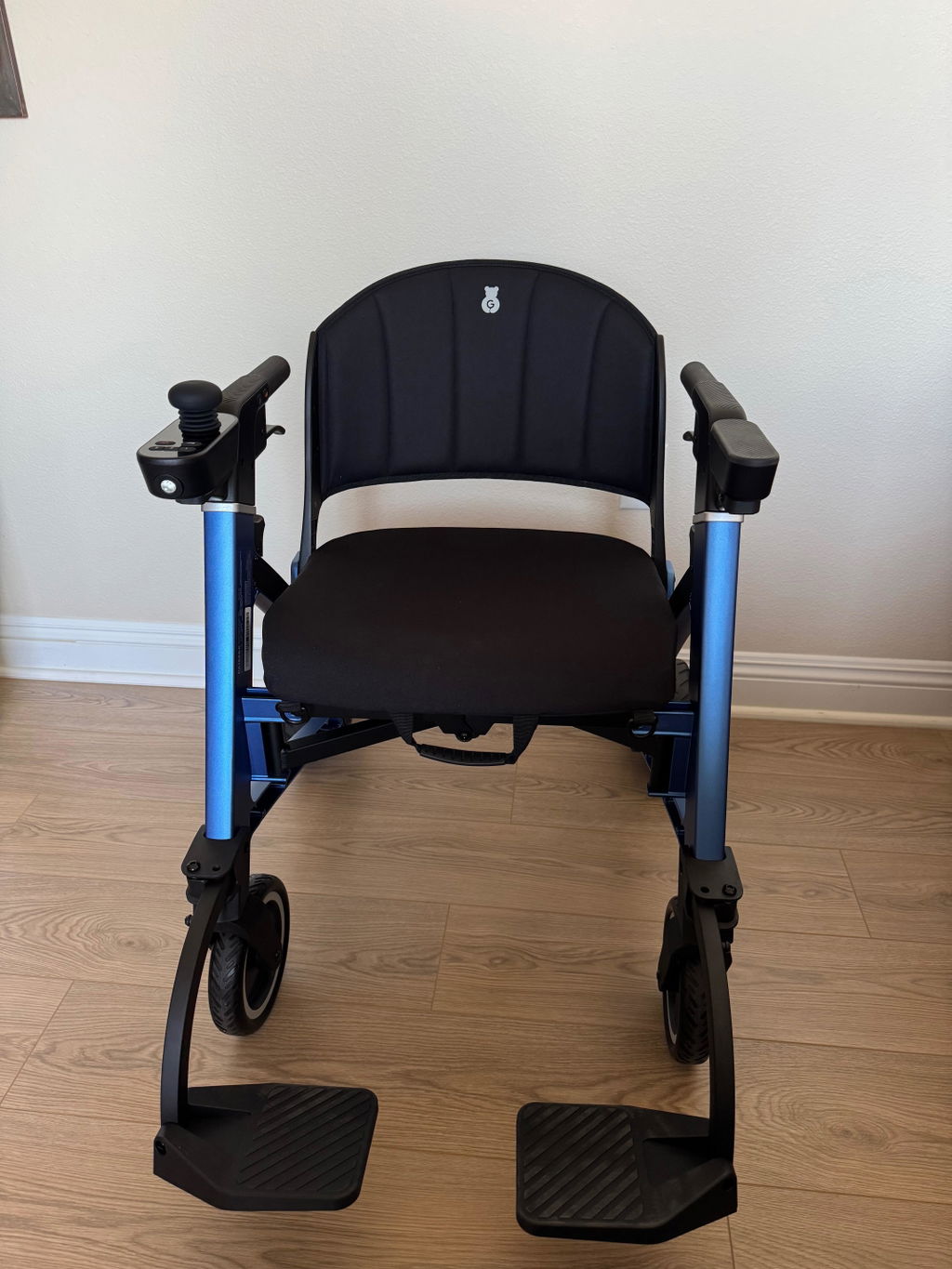
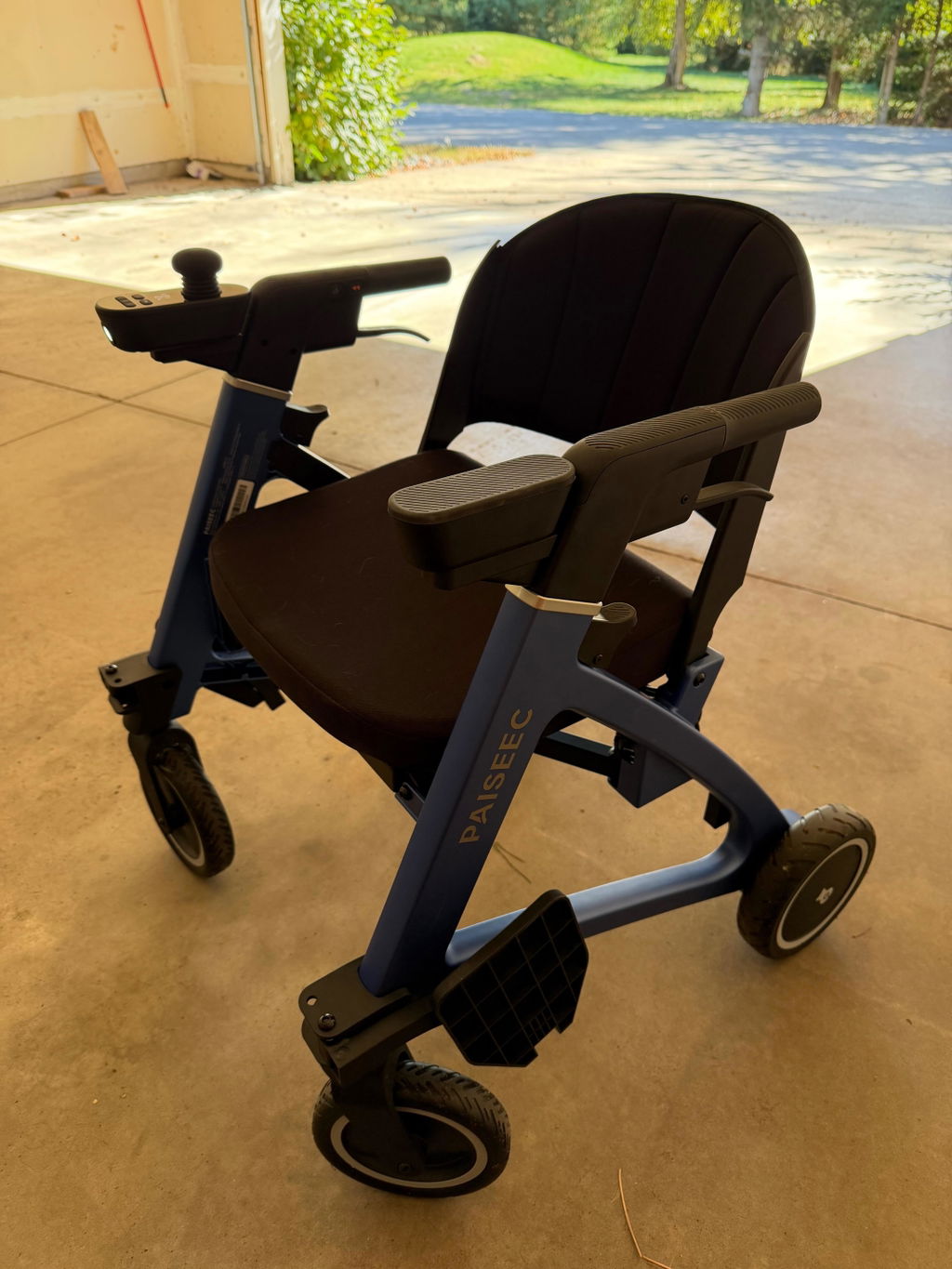
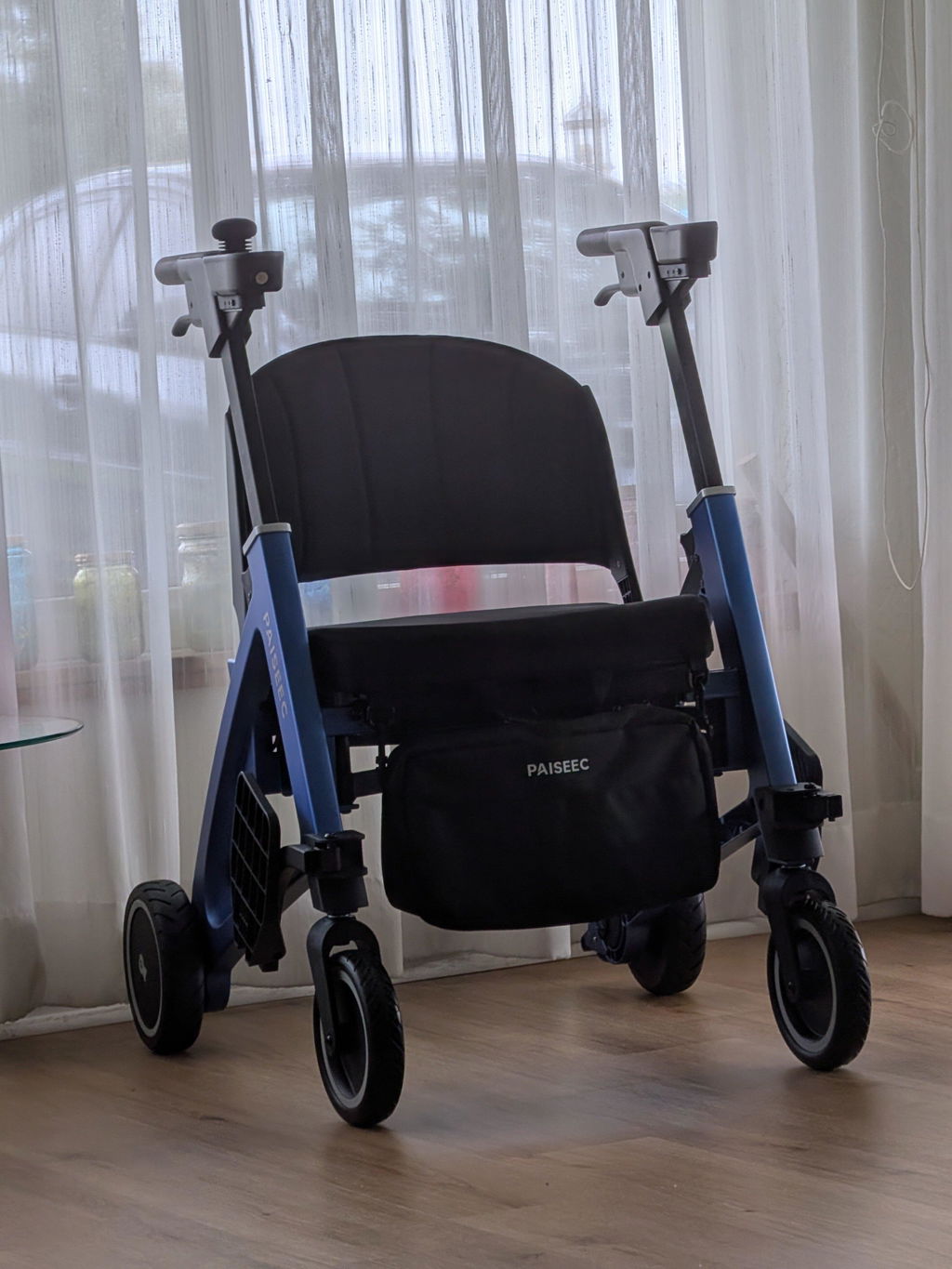
Yes, Paiseec upgrades increase range 20-50% through lithium batteries and efficient motors, supporting 20+ mile trips with portable, foldable designs.
Paiseec scooters excel in demanding environments, handling heat and varied loads seamlessly. Accessories like spare mounts enhance versatility for extended adventures.
This comparison shows clear advantages for longer, lighter travel.
Conclusion
Understanding mobility scooter mileage empowers confident day trips. Prioritize calculations matching trip distance to battery capacity, account for factors like weight and terrain, and use the 80% rule for spares. Paiseec's lithium batteries, PAI system, and foldable designs—mentioned for their proven reliability—set the standard. Log your Wh/mile, maintain equipment diligently, and consider Paiseec upgrades for unmatched freedom.
Frequently Asked Questions
How far can a Paiseec scooter travel on one charge?
Expect 18-22 miles under typical conditions, perfect for most daily outings.
Is a spare needed for 10-mile trips?
No for flat routes under 60% capacity; yes with hills or heavy loads.
What makes Paiseec batteries superior?
Lithium-ion design offers lighter weight, longer range, and faster charging.
How does weather impact mileage?
Cold reduces range 20-40%; keep batteries warm for best results.
Can tire pressure affect distance?
Yes, underinflation cuts range 10-15%; check weekly at 32-35 PSI.
Leave a comment
This site is protected by hCaptcha and the hCaptcha Privacy Policy and Terms of Service apply.