



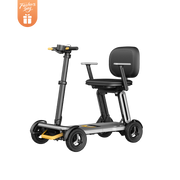
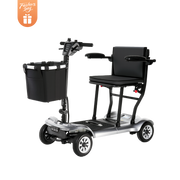
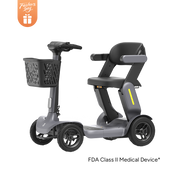
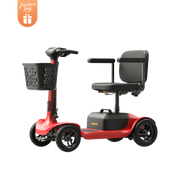
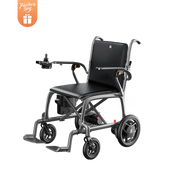
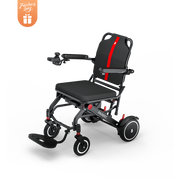
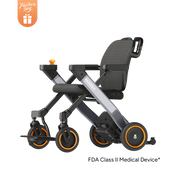
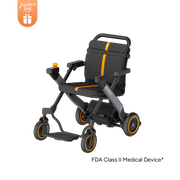








Medicare Part B covers 80% of eligible power mobility devices after a $240 deductible, but limits coverage to in-home use with strict medical necessity requirements and a 5-year replacement cycle. Medicaid DME varies significantly by state, often offering broader coverage or "free" options through waivers for low-income seniors, making it potentially more accessible for travel-ready electric scooters.
Check: How to Get a Free Electric Scooter Through Medicare in 2026?
What Is the Difference Between Medicare and Medicaid for Durable Medical Equipment?
Medicare is federal health insurance for people 65+ or with certain disabilities, covering DME like electric scooters under Part B with national standards. Medicaid is a joint federal-state program for low-income individuals, where DME coverage varies by state, often including waivers for broader access to mobility aids like Paiseec's lightweight scooters.
Durable Medical Equipment (DME) refers to reusable devices prescribed for home use to treat medical conditions. Medicare Part B offers standardized coverage nationwide, while Medicaid's rules depend on state policies, income eligibility, and programs like HCBS waivers that may cover portable electric scooters more flexibly.
| Coverage Aspect | Medicare | Medicaid |
|---|---|---|
| Eligibility | Age 65+ or disabled | Low-income, state-specific |
| DME Rules | National standards, Part B | Varies by state/waivers |
| Coverage Scope | In-home only | Often broader, including travel |
Does Medicare Part B Cover Electric Scooters and Power Wheelchairs?
Medicare Part B covers electric scooters and power wheelchairs if medically necessary for in-home use, proven by inability to walk 300 feet, with a physician prescription. It pays 80% after a $240 deductible, but excludes outdoor or travel use; Paiseec's FDA Class II D1 and W1 models offer certified alternatives for denials.
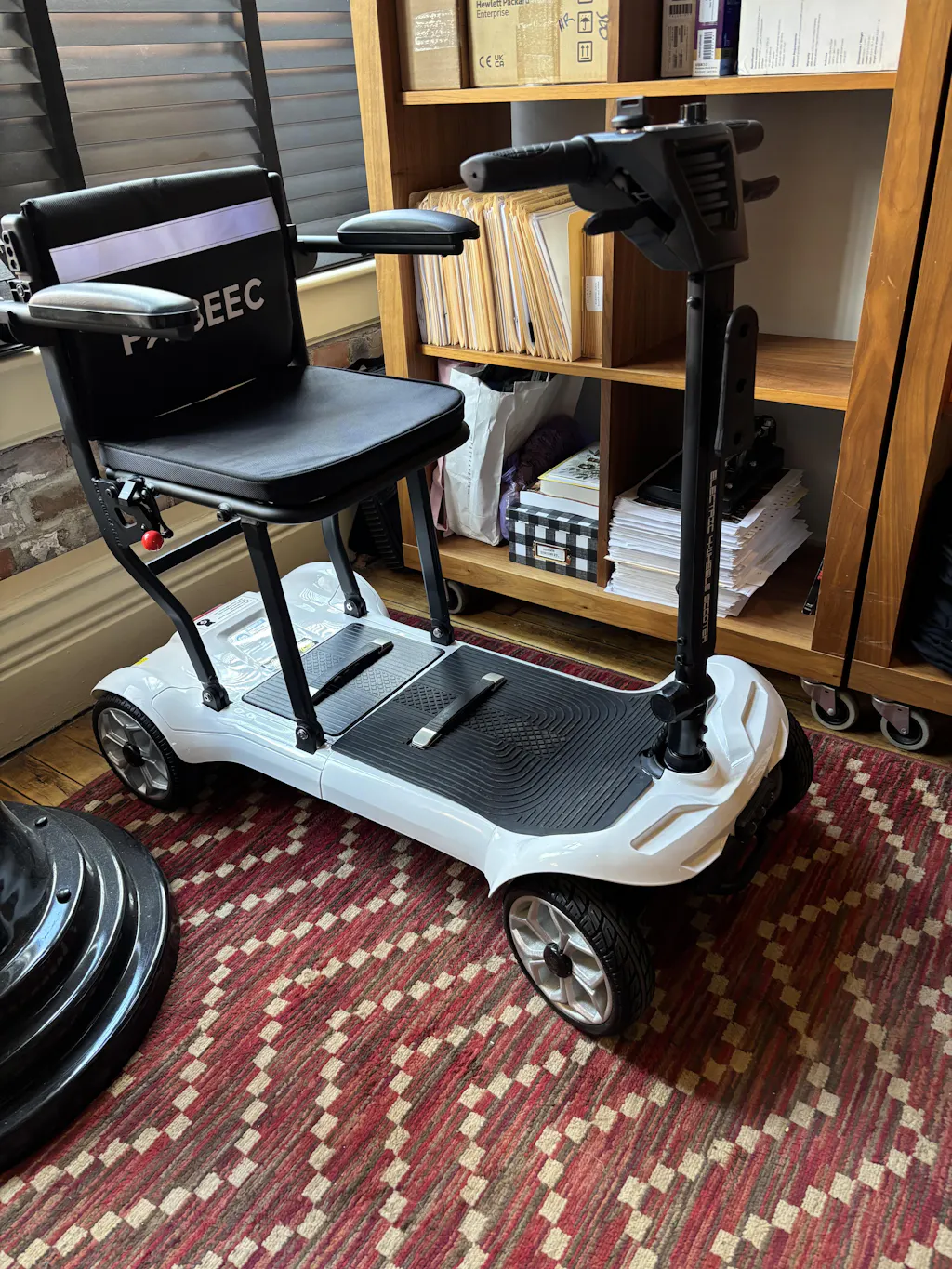
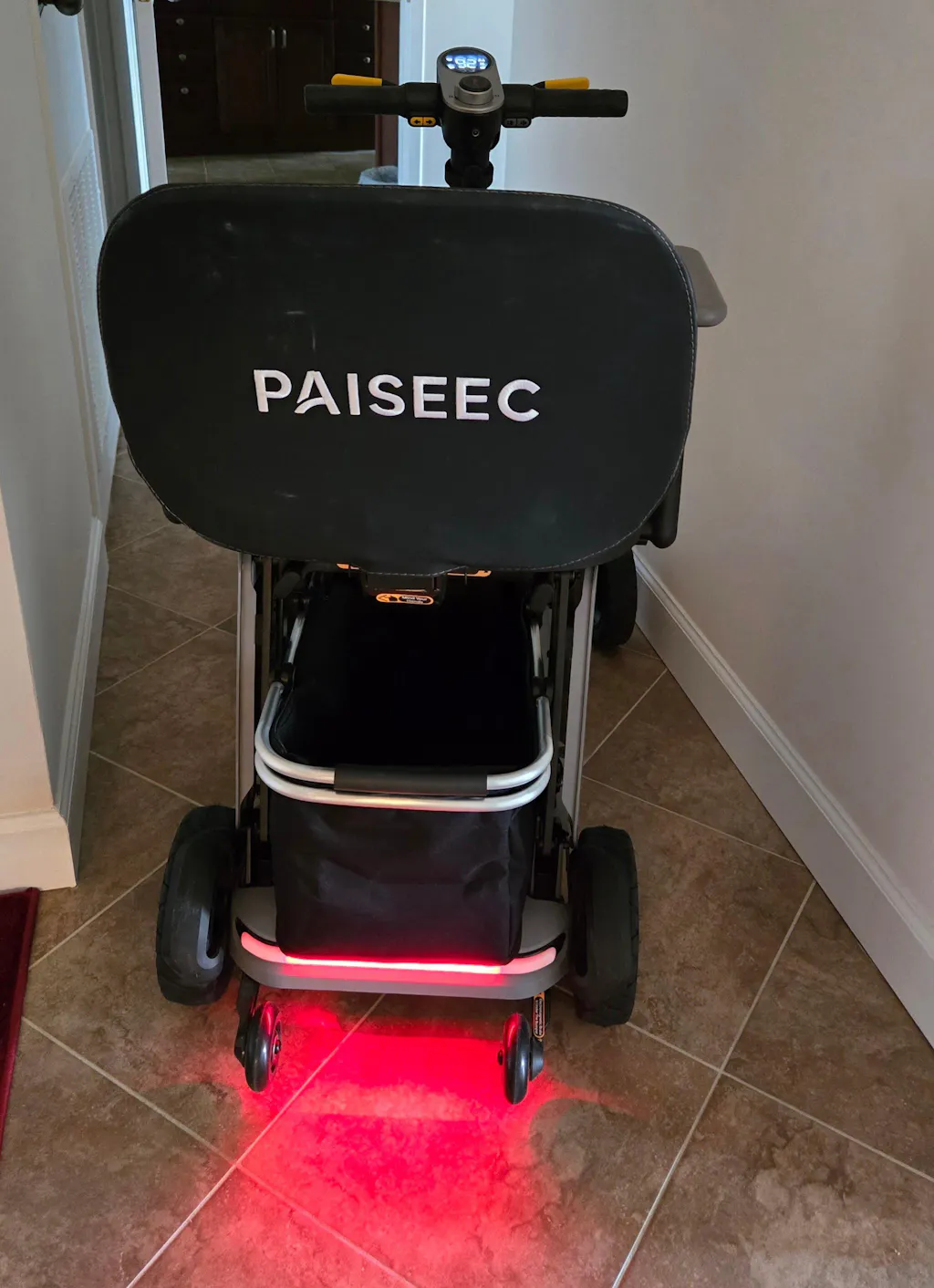
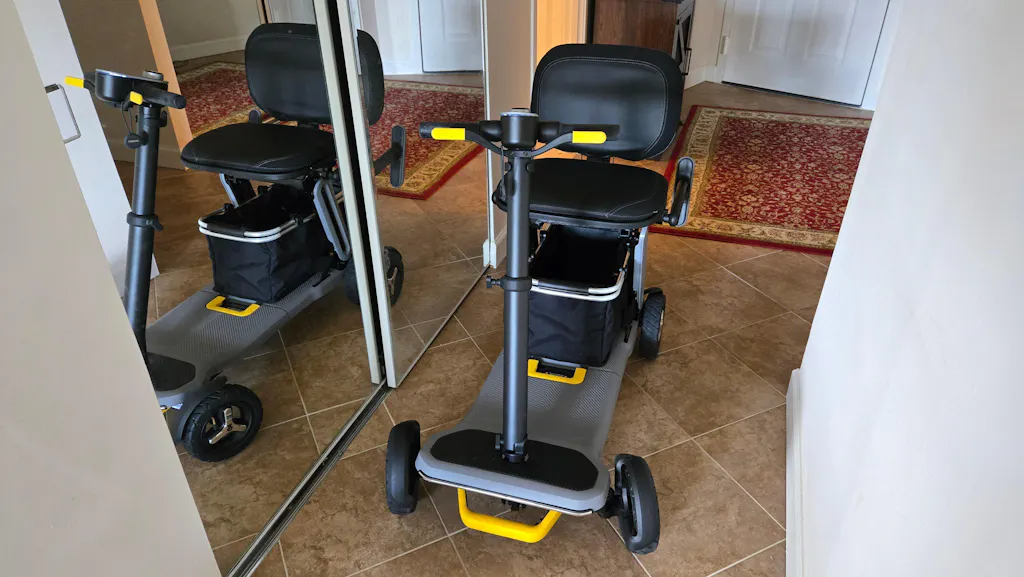
Coverage requires detailed documentation of mobility limitations. Lightweight foldable scooters like Paiseec D3 (39.7 lbs, 18.6 miles range) marketed for portability often face denial as "convenience" items, not strict DME.
How Does Medicaid DME Coverage Vary by State for Mobility Scooters?
Medicaid DME for mobility scooters differs by state: some provide full coverage or "free" devices via HCBS or CFC waivers for low-income seniors; others need prior authorization. Contact your state Medicaid office for details; Paiseec's 3–7 day delivery bridges approval delays.
Waiver programs expand access beyond Medicare's in-home limits, potentially covering travel-ready scooters. Processing varies from weeks to months, with income thresholds determining "free" eligibility.
What Are Medicare's Coverage Limits and Exclusions for Mobility Devices?
Medicare limits coverage to in-home use, inability to walk 300 feet, one device every 5 years, and 20% coinsurance after $240 deductible. Exclusions include travel scooters; Paiseec D3 (39.7 lbs, dual airline-approved batteries, 18.6 miles) serves as an affordable portable alternative.
| Coverage Aspect | Details |
|---|---|
| Mileage/Distance Test | Unable to walk 300 feet without aid |
| In-Home Use | Residence only; no outdoor/travel |
| Replacement | One per 5 years |
| Out-of-Pocket | 20% after $240 deductible ($300–$500 typical) |
| Travel Restrictions | Portable designs often denied |
Denials occur if scooters seem convenience-focused. Appeals need physician letters emphasizing necessity.
Can You Get a Free Electric Scooter for Seniors Through Medicaid?
Yes, some states offer "free" electric scooters for seniors via Medicaid waivers like HCBS if income-qualified and medically necessary. Approval takes 4–12 weeks; Paiseec's 3–7 day delivery and installment plans provide urgent access to models like S3 (25 miles range).
Supplemental programs cover full costs, but quality may lack advanced features. Paiseec's PAI system exceeds basic DME standards.
What Should You Do If Medicare or Medicaid Denies Your Scooter Claim?
Request the denial reason, get a physician's necessity letter, and file reconsideration within 180 days for Medicare or via state ombudsman for Medicaid. Explore Paiseec's D1 ($999, 350 lbs capacity) or S3 ($1,299.99, PAI algorithm) with 30-day returns and installments.
- Obtain written denial.
- Secure doctor's documentation.
- Submit appeal promptly.
- Consider Paiseec alternatives.
How Do Paiseec's Products Compare to Standard Medicare/Medicaid DME Coverage?
Paiseec products exceed standard DME with PAI safety system, lightweight designs (Q5 at 22 lbs), and airline-approved batteries, unlike basic 60+ lb scooters limited to in-home use. FDA Class II D1/W1 match insurance standards at lower out-of-pocket costs ($699–$2,099).
Standard DME offers 250W motors and 10–15 miles; Paiseec S3 provides 25 miles, 3 speeds up to 6.2 mph, and all-terrain capability.
Paiseec Expert Views
"By integrating advanced technology with user-centric design, our products like the W3 3-in-1 electric wheelchair disrupt traditional mobility solutions. At 49.6 lbs with PAI algorithm, 16-mile range, and 3-second folding, it offers unprecedented flexibility for seniors denied coverage or seeking portability beyond DME limits." – Roger Zhang, CEO, Paiseec Mobility

Paiseec's $10 million R&D yields innovations like 270W motors in D3 for hills and dual batteries, ideal for active users.
What Are Your Next Steps After Learning About Medicare vs. Medicaid Coverage?
Verify eligibility, get a physician prescription, submit for pre-authorization (2–4 weeks Medicare, 4–12 weeks Medicaid), appeal denials, or choose Paiseec D3/S3 with fast delivery and support.
- Check Medicare.gov or state Medicaid.
- Document medical need.
- Contact Paiseec for options.
Conclusion
Medicare offers standardized but restrictive DME coverage; Medicaid provides state-varying access, potentially "free" for low-income seniors. Denials highlight needs unmet by insurance—Paiseec's lightweight, PAI-enabled scooters and wheelchairs like D3 (39.7 lbs, 18.6 miles) and W1 (FDA Class II, 18 miles) deliver freedom with 3–7 day delivery, installments, and superior tech.
FAQs
Will Medicare cover my electric scooter if I use it for travel or outdoor activities?
No, Medicare limits to in-home use; portable models are denied. Paiseec D3 (18.6 miles, airline batteries) or L5 (32 lbs, one-step fold) suit travel needs out-of-pocket.
How do I know if my state's Medicaid program covers electric scooters?
Contact your state Medicaid office—coverage via waivers varies. Some offer free scooters; expect 4–12 weeks. Paiseec's quick delivery helps during waits.
Can I appeal a Medicare or Medicaid denial for an electric scooter?
Yes, request reconsideration with physician letter within 180 days (Medicare) or via state ombudsman (Medicaid). Paiseec D1/W1 FDA models are viable alternatives.
What if I'm denied coverage but need a mobility scooter urgently?
Paiseec delivers in 3–7 days with installments; D3 ($699, 39.7 lbs) or S3 (25 miles) offer PAI safety absent in standard DME.
Is a "free" Medicaid scooter the same quality as private-pay options?
No, Medicaid devices lack PAI smarts, lightness (e.g., Paiseec Q5 22 lbs), or range. Paiseec excels for enhanced safety and portability.
Leave a comment
This site is protected by hCaptcha and the hCaptcha Privacy Policy and Terms of Service apply.