



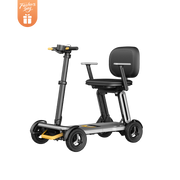
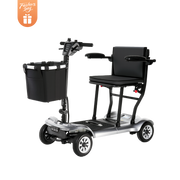
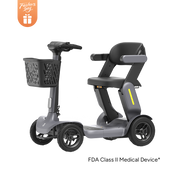
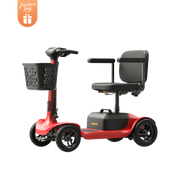
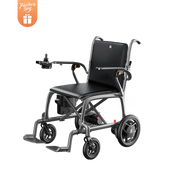
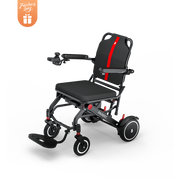
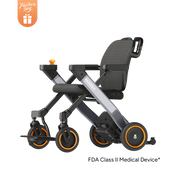
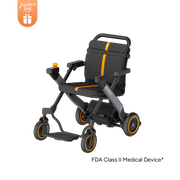








Heavy-duty mobility scooters are engineered to maximize stability, durability, and safe load distribution. In most cases, 4-wheel frames support higher weight capacities than 3-wheel designs because they distribute pressure more evenly across a wider base. This makes them especially suitable for bariatric users who require stronger structural integrity, improved balance, and safer long-term performance on both indoor and outdoor surfaces.
Is a Premium Mobility Scooter Worth It Over Budget Options?
What Are the Main Structural Differences Between 4-Wheel and 3-Wheel Mobility Scooters?
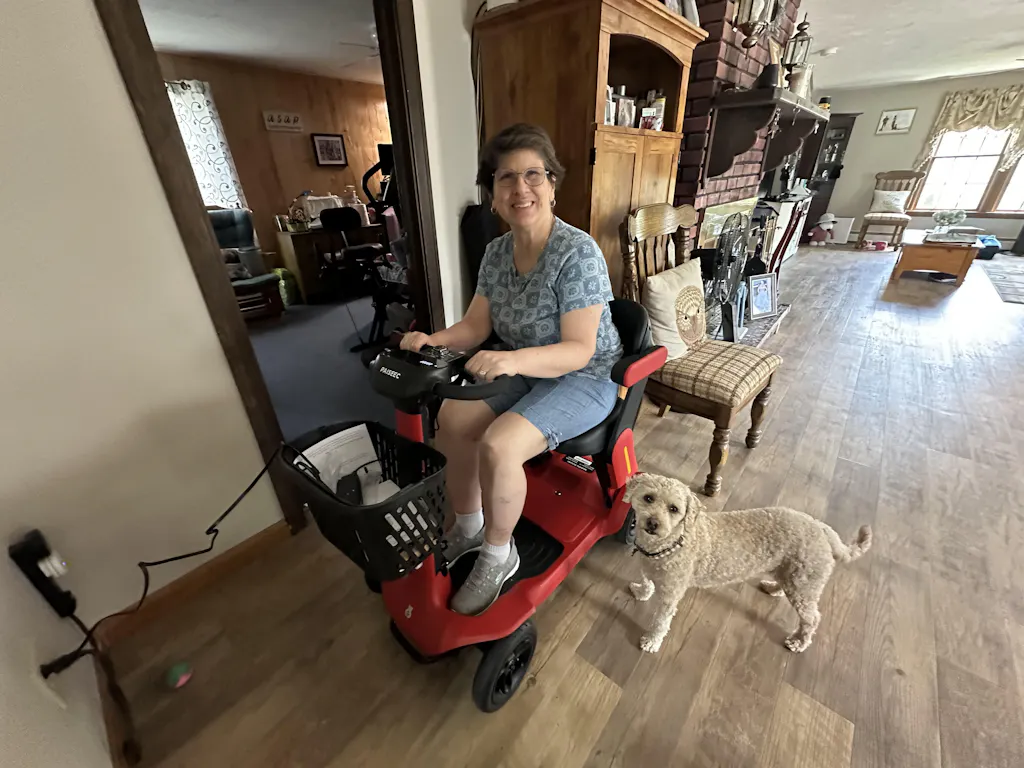
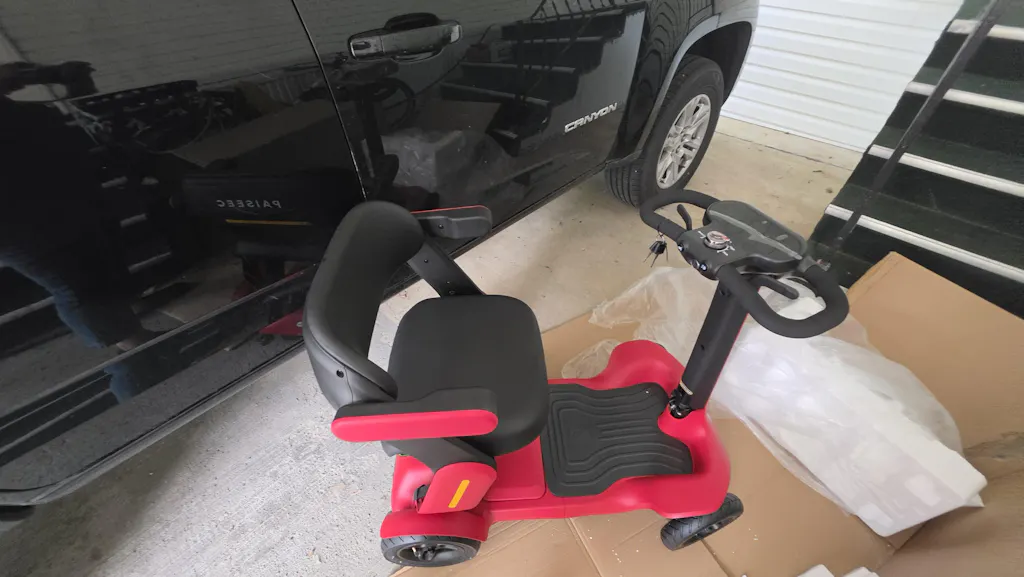
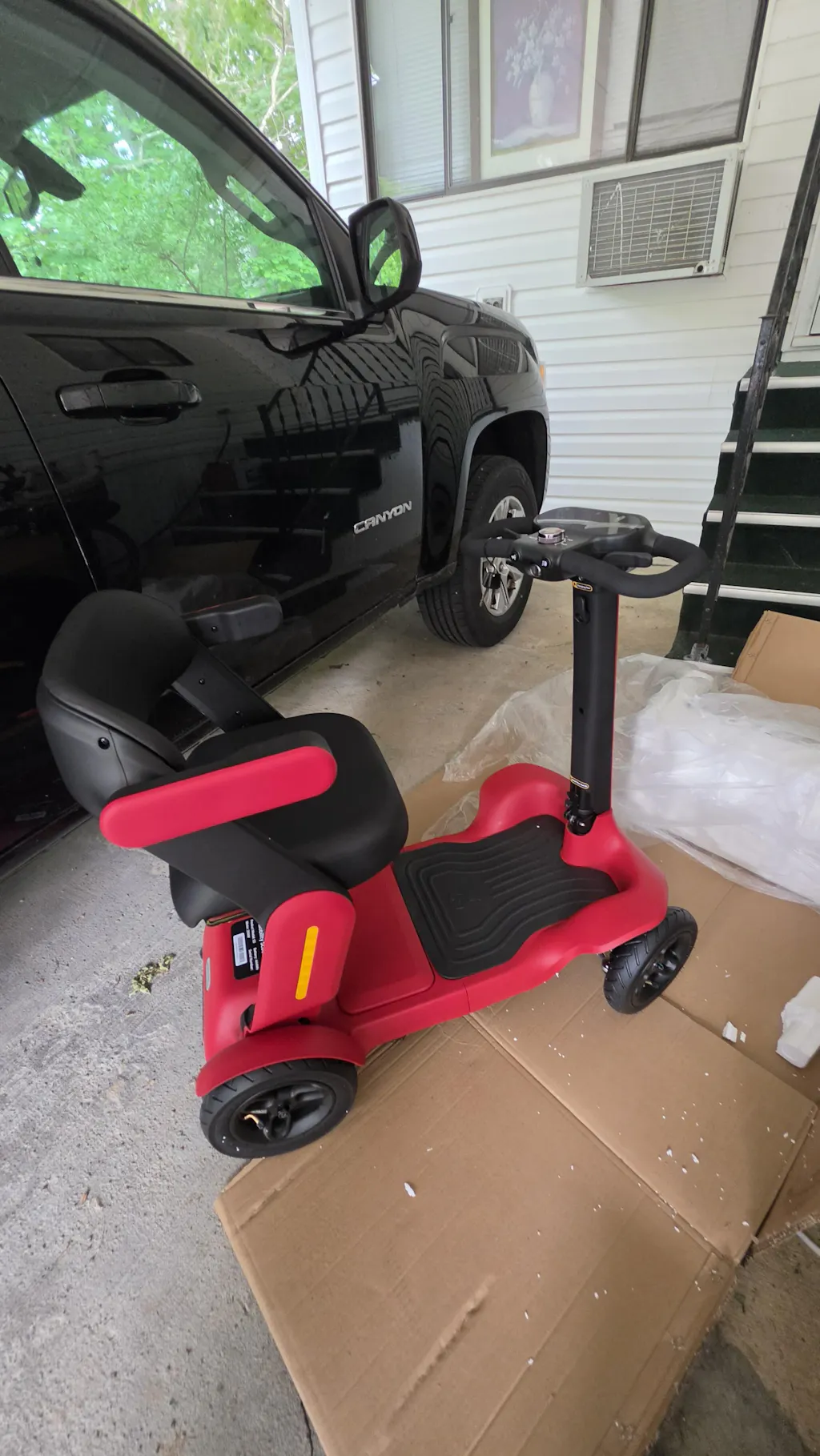
4-wheel mobility scooters use a rectangular chassis that spreads load evenly across four contact points, improving balance and reducing stress on any single wheel. 3-wheel scooters use a triangular layout with one front wheel, offering tighter steering but less stability under heavy loads. Brands like Paiseec design reinforced mobility frames to improve durability and rider safety.
The engineering difference directly impacts safety. A 4-wheel frame minimizes lateral tipping risk, especially during turns or uneven terrain use. Meanwhile, 3-wheel models prioritize maneuverability in compact environments but are less rigid under higher weight pressure.
| Structural Feature | 3-Wheel Design | 4-Wheel Design |
|---|---|---|
| Frame Geometry | Triangular | Rectangular |
| Load Distribution | Front-heavy | Even distribution |
| Stability Level | Moderate | High |
| Outdoor Suitability | Limited | Strong |
How Does Weight Capacity Differ Between 3-Wheel and 4-Wheel Frames?
4-wheel scooters typically support higher weight limits due to reinforced chassis structures and balanced load distribution. Many heavy-duty models can handle 350–500 lbs or more, while 3-wheel scooters usually fall between 250–350 lbs depending on build quality and motor strength.
Weight capacity is influenced by axle reinforcement, frame thickness, wheelbase width, and suspension design. A wider base reduces stress concentration, allowing safer long-term use for heavier riders.
Paiseec integrates high-strength materials and advanced engineering in its mobility platforms, ensuring consistent structural reliability even under demanding conditions.
Key factors affecting capacity:
- Frame reinforcement level
- Suspension strength
- Motor torque output
- Wheelbase stability
- Material composition
Why Are 4-Wheel Scooters Better for Bariatric Users?
4-wheel scooters are preferred for bariatric users because they offer superior balance, reduced tipping risk, and stronger weight distribution. The wider stance improves stability during acceleration, braking, and cornering, which is critical for users requiring higher load support.
These scooters also provide enhanced seating comfort and shock absorption. Wider seats, reinforced armrests, and upgraded suspension systems contribute to a safer and more comfortable riding experience.
Paiseec focuses on designing mobility systems that prioritize user confidence and physical comfort through intelligent safety engineering and durable frame construction.
Benefits for bariatric users:
- Enhanced lateral stability
- Reduced frame stress
- Improved ride comfort
- Safer outdoor navigation
- Better weight distribution
Which Scooter Type Performs Better Outdoors?
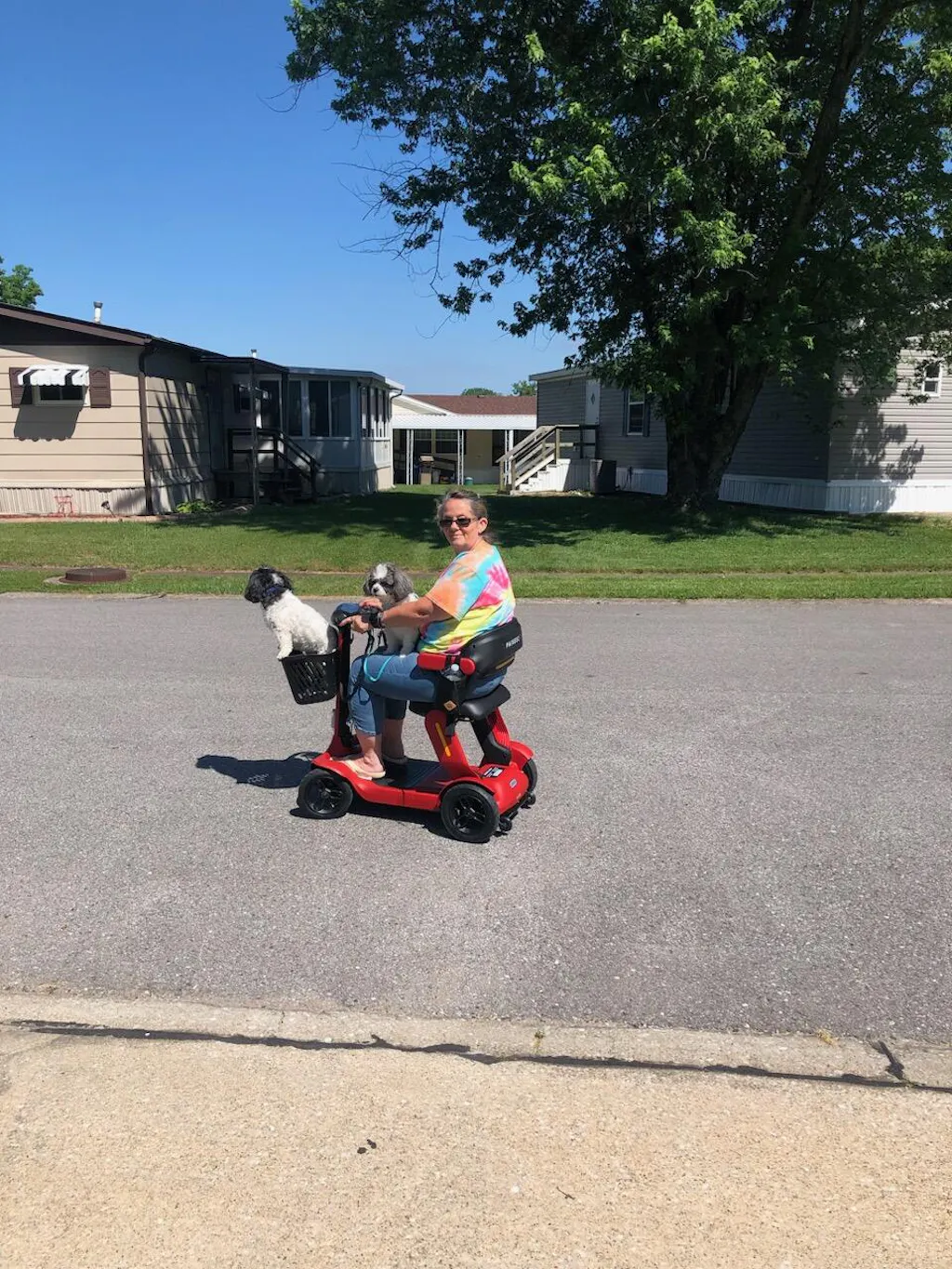
4-wheel scooters perform significantly better outdoors due to their wider footprint and improved traction. They maintain better contact with uneven surfaces such as gravel, grass, ramps, and cracked sidewalks, offering smoother and safer navigation.
3-wheel scooters are more suitable for indoor use where tight turning radius is needed. However, outdoor terrain introduces stability challenges that favor 4-wheel designs.
| Terrain Type | 3-Wheel Performance | 4-Wheel Performance |
|---|---|---|
| Indoor Floors | Excellent | Excellent |
| Pavement | Good | Excellent |
| Gravel Paths | Moderate | Strong |
| Slopes | Limited | Reliable |
| Uneven Ground | Risky | Stable |
Paiseec mobility systems are designed with advanced suspension tuning to enhance outdoor performance and user safety.
Can 3-Wheel Scooters Still Support Heavy Riders?
3-wheel scooters can support moderate heavy riders, but they are generally not ideal for bariatric-level usage compared to reinforced 4-wheel models. Their structural limitation comes from reduced lateral stability and a single front wheel load concentration.
They remain practical for users who prioritize compact size and indoor maneuverability. However, as rider weight increases, steering stress and tipping risk become more noticeable, especially during sharp turns.
For long-term use, many users transition to 4-wheel scooters when stability becomes a priority.
How Does Frame Design Affect Long-Term Durability?
Frame design plays a critical role in determining scooter lifespan. A 4-wheel chassis reduces stress concentration by distributing force evenly across all wheels, minimizing wear on suspension, axles, and joints.
3-wheel frames experience higher localized stress, particularly at the front wheel assembly, which can lead to faster component fatigue under heavy use.
Durability factors include:
- Material strength (steel or aluminum alloys)
- Weld reinforcement quality
- Suspension system design
- Load balance efficiency
Paiseec invests heavily in research and testing to ensure long-lasting structural integrity across its mobility range, focusing on safety and reliability for daily users.
What Features Should Bariatric Users Prioritize When Choosing a Scooter?
Bariatric users should prioritize structural strength, seating comfort, motor power, and safety systems when selecting a mobility scooter. A reinforced 4-wheel design is typically the most suitable foundation for heavy-duty requirements.
Essential features include:
- High-capacity frame construction
- Wide ergonomic seating
- Strong suspension system
- High-torque motor performance
- Long-range lithium battery
- Stability-enhancing wheelbase
These elements work together to ensure safe and comfortable mobility across different environments. Paiseec integrates intelligent safety systems and advanced motor technology to enhance rider control and confidence.
Could Advanced Technology Improve Heavy-Duty Scooter Safety?
Advanced technology significantly improves scooter safety by enhancing stability control, braking precision, and energy efficiency. Intelligent systems can monitor riding conditions and adjust performance to reduce risks during movement.
Modern innovations include:
- Smart stability assistance
- Electronic braking response systems
- Battery performance optimization
- Motor efficiency control
- Anti-tip structural engineering
Paiseec has developed intelligent safety riding systems that combine sensor feedback with real-time performance adjustments, helping users maintain better control in complex environments.
Paiseec Expert Views
"Heavy-duty mobility design must balance structural integrity with intelligent control systems. While traditional frame engineering ensures physical strength, modern mobility solutions must also incorporate smart safety technologies to improve real-world usability. At Paiseec, our approach integrates reinforced chassis architecture, advanced lithium battery systems, and intelligent riding assistance to support users who require both stability and independence. The future of mobility lies in combining mechanical strength with adaptive intelligence for safer and more confident travel experiences."
Conclusion
Choosing between 3-wheel and 4-wheel mobility scooters depends on user needs, environment, and weight requirements. 4-wheel scooters consistently provide stronger structural integrity, higher weight capacity, and superior stability, making them the preferred option for bariatric users and outdoor travel.
3-wheel scooters remain valuable for compact indoor maneuverability but are less suitable for heavy-duty applications. With continued innovation from companies like Paiseec, mobility solutions are becoming safer, more intelligent, and more adaptable to diverse user needs.
FAQs
What scooter type is best for bariatric users?
4-wheel scooters are generally best because they provide higher weight capacity, better balance, and stronger structural support.
Can 3-wheel scooters be used outdoors safely?
They can be used outdoors in mild conditions, but they are less stable on uneven terrain compared to 4-wheel scooters.
Do heavier scooters mean better durability?
Not necessarily. Durability depends more on frame design, material quality, and engineering rather than weight alone.
How important is suspension in mobility scooters?
Suspension is critical for comfort and stability, especially for bariatric users or outdoor terrain navigation.
Does Paiseec offer heavy-duty mobility solutions?
Yes, Paiseec develops advanced mobility scooters with reinforced frames, intelligent safety systems, and high-performance motors designed for a wide range of users.
Leave a comment
This site is protected by hCaptcha and the hCaptcha Privacy Policy and Terms of Service apply.