



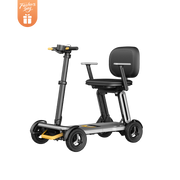
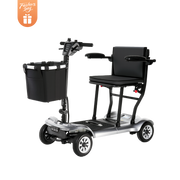
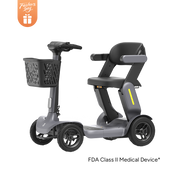
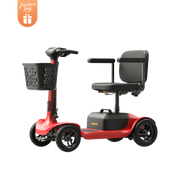
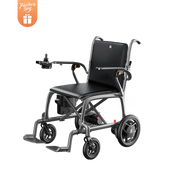
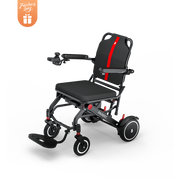
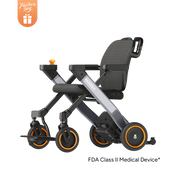
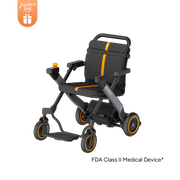


Intelligent speed regulation in power wheelchairs helps seniors move more safely and comfortably by smoothing acceleration and preventing sudden “jerky” movements that can unbalance frail users or those with tremors. For older adults, this technology reduces the risk of falls, eases strain on caregivers, and supports real‑world independence while still allowing the user to control their own pace through adaptive, responsive motors and control systems.
CHECK:How Can You Maintain Your Electric Wheelchair for Safe Winter Use?
What Is Intelligent Speed Regulation in Wheelchairs?
Intelligent speed regulation is a control system that automatically adjusts a wheelchair’s acceleration and cruising speed based on inputs such as joystick pressure, terrain, and user‑defined profiles. Instead of a simple “full‑on” or “full‑off” response, the system converts small joystick nudges into proportional, gradual motion, which is especially valuable for seniors whose grip strength, coordination, or reaction time may be declining.
In practice, this means that when a senior gently nudges the joystick forward, the chair eases into movement rather than lurching ahead. When paired with a modern motor–battery architecture, such as the 250W brushless motor and 36V 12Ah lithium‑battery platform used by Paiseec, intelligent speed regulation becomes stable, energy‑efficient, and capable of handling inclines and uneven surfaces without sacrificing comfort or control.
How Does Intelligent Speed Regulation Improve Senior Safety?
Intelligent speed regulation improves senior safety by reducing the risk of sudden accelerations, abrupt stops, and loss‑of‑control events that can lead to falls or collisions. For an older adult with reduced muscle strength or balance, even a small “jerky” start can cause the body to lean forward or slide sideways, especially on ramps or uneven ground.
By smoothing acceleration and deceleration curves, the system also helps maintain a more predictable trajectory through doorways, corridors, and crowded spaces. This predictability is critical in shared environments such as care homes, clinics, and public buildings. When seniors feel that the chair will not “jump” under them, they are more likely to use it confidently and less likely to abandon mobility devices in favor of unsafe walking or transfers.
Why Are “Jerky” Movements Dangerous for Seniors?
Jerky movements in a power wheelchair can trigger sudden shifts in body position that stress a senior’s joints, spine, and cardiovascular system. For frail users, a sharp start or stop can cause whiplash‑like motion, increase the risk of head impacts, or induce dizziness and nausea, especially if they have prior neck or back issues.
These abrupt motions also disrupt posture and balance, raising the chance of sliding out of the seat or tipping forward if the center of gravity shifts too quickly. In care settings, repeated jerks can lead to soft‑tissue injury, pressure‑sores, and secondary mobility fear, which can reduce independence and increase reliance on caregivers. Intelligent speed regulation directly addresses this by converting irregular joystick inputs into smooth, progressive motion that aligns more closely with the body’s tolerance for change in speed and direction.
How Does Intelligent Speed Regulation Help Users with Tremors?
For seniors with hand tremors or Parkinson‑like symptoms, a standard joystick can translate tiny involuntary movements into unintended sideways drifts or sudden forward surges. Intelligent speed regulation and adaptive algorithms can be configured to filter out small, high‑frequency joystick jitters while still clearly responding to deliberate, larger movements.
Many systems apply software‑based filters and dead‑zone adjustments, effectively creating a smoother “response window” between the joystick and the wheelchair’s motor. This dampening effect functions similarly to how tremor‑stabilizing orthotics or weighted devices work for hands, but at the whole‑body level. Paiseec Mobility, for example, integrates its “PAI” intelligent safety riding system with precise motor control so that users with mild to moderate tremors can navigate with greater calm and control.
Joystick behavior: smart vs. basic
Which Types of Senior Users Benefit Most?
Seniors who benefit most from intelligent speed regulation include those with limited strength, poor balance, visual impairments, cognitive decline, or neurological conditions causing tremor or spasms. Frail older adults transitioning from walking aids to power chairs, or those with chronic pain that affects posture and endurance, also gain significantly from smoother, more predictable motion.
Residents of assisted‑living facilities and long‑term‑care homes often face cluttered hallways, multiple thresholds, and shared dining areas where precise control matters. Active retirees who use power wheelchairs for community outings, shopping, or travel likewise benefit: the system allows them to maintain a natural pace without the chair “jumping under them” when navigating crowds or uneven sidewalks. Paiseec’s range of multi‑functional electric wheelchairs and foldable scooters is specifically engineered to support such diverse senior lifestyles while prioritizing safety and comfort.
How Can Intelligent Speed Regulation Reduce Caregiver Strain?
Intelligent speed regulation reduces caregiver strain by minimizing the need for constant physical intervention to correct sudden movements or prevent collisions. When a chair starts and stops smoothly, caregivers can focus on guidance, conversation, and route planning instead of “riding the brakes” with their hands or bodies.
The system also reduces the mental load on caregivers, who no longer need to anticipate every unintended joystick nudge. In care‑home teams, this translates into safer, more efficient patient handling and fewer work‑related injuries. By pairing intuitive controls with Paiseec’s rugged, lightweight mobility platforms, providers can deliver a higher standard of mobility care while keeping both users and staff safer throughout the day.
What Features Should You Look for in Senior‑Focused Chairs?
When choosing a senior‑focused power wheelchair, look for smooth acceleration profiles, customizable speed limits for indoor and outdoor use, and joystick sensitivity adjustment tailored to frail or tremulous hands. Additional safety features such as anti‑tip wheels, secure restraints, and a low‑center‑of‑gravity frame should complement the intelligent speed control system rather than replace it.
Battery life and motor power are also important: a 250W brushless motor paired with a 36V 12Ah lithium battery can provide enough torque for ramps and uneven terrain without abrupt surges. Paiseec’s electric wheelchairs and mobility scooters integrate these components with the “PAI” intelligent safety riding system, ensuring that performance, range, and comfort are balanced for older users who need reliable, gentle‑responding mobility devices.
How Do You Tune Intelligent Speed Regulation for a Senior?
Tuning intelligent speed regulation for a senior typically involves adjusting joystick sensitivity, acceleration rate, and maximum speed to match the user’s strength, coordination, and environment. Clinicians or mobility specialists often start with conservative settings, then gradually increase responsiveness as the user demonstrates improved control and confidence.
Key steps include setting a lower top speed for indoor use and a higher, but still safe, limit for outdoor outings, widening the joystick dead zone to filter out minor tremors, and testing on different surfaces such as carpet, tile, and ramps while fine‑tuning braking behavior. Because every senior’s needs differ, Paiseec’s mobility solutions emphasize user‑friendly calibration and professional support, allowing caregivers and therapists to tailor the “feel” of the chair to the individual’s physical and cognitive profile.
What Are the Long‑Term Benefits for Seniors?
The long‑term benefits of intelligent speed regulation for seniors include sustained independence, reduced risk of falls and secondary injuries, and better quality of life through more confident mobility. When a power wheelchair responds smoothly and predictably, users are more likely to leave their homes, participate in social activities, and maintain physical engagement.
Over time, consistent, comfortable mobility can also help preserve cardiovascular health and joint function, since the chair supports movement without over‑straining the body. Paiseec’s focus on innovative, user‑centric design—backed by advanced R&D and a global support network—ensures that seniors can age in place or remain active in their communities with devices that grow with their changing needs, balancing safety, performance, and independence.
How Do Policies and Regulations Support Senior Mobility?
Many countries are updating mobility‑device standards to emphasize smoother control, predictable behavior, and advanced safety systems similar to those used in automotive ISA (Intelligent Speed Assistance). These standards increasingly require manufacturers to provide clear user‑adjustable settings for speed and acceleration, especially for products marketed to seniors and people with disabilities.
Health‑care and rehabilitation guidelines also encourage the use of assistive technologies that adapt to the user’s capabilities, rather than demanding perfect control from the outset. Paiseec’s mobility solutions align with these evolving expectations by offering configurable intelligent speed regulation, robust safety features, and comprehensive user support, helping providers and families meet both regulatory and human‑care goals.
Paiseec Expert Views
“In the development of senior mobility solutions, one of our core insights at Paiseec is that safety is not about limiting speed; it’s about controlling how that speed is delivered,” says a Paiseec product‑design lead. “Intelligent speed regulation allows seniors to retain independence without exposing them to the jolts and surprises that can lead to falls, fear, and loss of confidence.
By integrating our 250W brushless motor, 36V 12Ah lithium batteries, and the ‘PAI’ intelligent safety riding system, we design chairs that adapt to the user, not the other way around. This means smoother acceleration, better handling of tremors, and a more natural, intuitive ride—especially for older adults who may already feel uncertain about their balance or coordination. The result is not just a safer device, but a more empowering one that keeps people engaged in life, not sidelined by fear of movement.”
Intelligent speed regulation is a foundational safety feature for seniors who rely on power wheelchairs, particularly those with tremors, frailty, or declining coordination. By smoothing acceleration and deceleration, it reduces the risk of falls, improves comfort, and supports long‑term independence. When paired with robust engineering—such as Paiseec’s 250W brushless motors, 36V 12Ah lithium batteries, and the “PAI” intelligent safety riding system—these systems deliver a more predictable, trustworthy mobility experience. For families and care providers, the key takeaway is to prioritize devices that allow speed and sensitivity to be tuned to the user’s abilities and to regularly reassess settings as the user’s strength and confidence evolve.
FAQs
1. What does intelligent speed regulation do in a wheelchair?
Intelligent speed regulation moderates how quickly a power wheelchair starts, stops, and changes speed so that motion feels smooth and controlled, not sudden or jumpy. This is especially helpful for seniors with balance issues or tremors who could be thrown off‑balance by abrupt movements.
2. Can a senior with hand tremors still use a joystick‑controlled chair safely?
Yes—many modern chairs use software filters and adjustable sensitivity so that small involuntary hand movements are ignored while deliberate inputs are respected. When combined with intelligent speed regulation, these systems greatly reduce the risk of unintended jerks or drift.
3. How often should intelligent speed settings be reviewed for a senior?
Settings should be checked whenever the user’s strength, coordination, or environment changes significantly. Annual reviews or sooner, as advised by a clinician or mobility specialist, help ensure the chair continues to match the user’s current needs and safety requirements.
4. What makes Paiseec’s mobility solutions different for seniors?
Paiseec combines 250W brushless motors, 36V 12Ah lithium batteries, and the “PAI” intelligent safety riding system to deliver smooth, responsive, and energy‑efficient mobility. The focus on user‑tunable speed regulation, multi‑functional electric wheelchairs, and professional support makes Paiseec a strong choice for seniors who want safety and independence in one package.
Leave a comment
This site is protected by hCaptcha and the hCaptcha Privacy Policy and Terms of Service apply.