



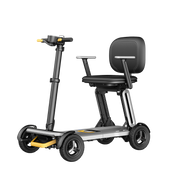
![[2026] PAISEEC D3|Mobility Scooter for Easy Everyday Travel](http://www.paiseec.com/cdn/shop/files/d3_4a4ccb22-9e26-449e-8094-71f3ec4177c3.png?v=1782115044&width=180)
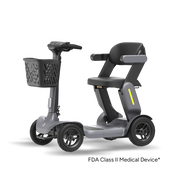

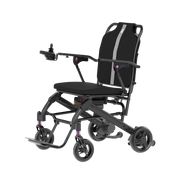
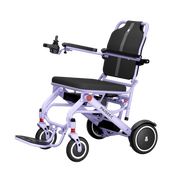


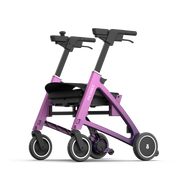
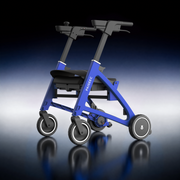









An airline approved electric wheelchair battery is not simply a battery below a certain size. Approval depends on battery chemistry, watt-hour rating, whether the battery is removable, how it is protected, the wheelchair’s dimensions and weight, and the individual airline’s dangerous-goods process.
For travelers using a power wheelchair, folding electric wheelchair, mobility scooter, or travel power chair, planning battery transport before booking can prevent gate delays, refused carriage, damage during loading, and unnecessary stress. Airlines must generally accept a battery-powered wheelchair when it fits safely in the cargo hold and meets applicable safety requirements, but the airline still needs advance information and may apply its own handling procedures.
What Makes an Electric Wheelchair Battery Airline Approved?
The phrase airline approved electric wheelchair battery usually refers to a lithium-ion wheelchair battery that can be accepted for air travel under airline and aviation safety rules. It does not mean every airline will automatically accept every power chair.
An airline-approved wheelchair battery should have a clear manufacturer label showing voltage, amp-hours, watt-hours, chemistry, model number, and safety information. It should be undamaged, securely installed or easily removable according to the wheelchair design, and protected from short circuits.
For a removable lithium battery, the most important figure is watt-hours, often written as Wh. Calculate electric wheelchair battery watt-hours with this formula:
Voltage × amp-hours = watt-hours
A 24V 10Ah lithium battery equals 240Wh. A 36V 12Ah lithium battery equals 432Wh. Although a higher-capacity electric wheelchair battery may provide better range, it may require a different air-transport solution than a removable battery below the usual passenger-cabin threshold.
Airlines also assess the whole mobility device. They may request the folded dimensions, overall wheelchair weight, battery removal instructions, disconnect location, joystick protection method, and confirmation that accidental activation is prevented.
Lithium Battery Wheelchair Airline Rules Explained
Lithium-ion battery wheelchair airline rules differ depending on whether the battery remains installed in the mobility device or must be removed for travel. The FAA guidance for wheelchairs and mobility devices emphasizes safe protection against short circuits, battery damage, and accidental activation.
For removable lithium wheelchair batteries, common aviation guidance permits one battery up to 300Wh, or two batteries up to 160Wh each, subject to airline approval. A spare mobility device battery may also be permitted, but it must normally be protected individually and carried in the cabin rather than packed in checked baggage.
The airline should be told where the battery is located and whether the power chair uses a removable battery, built-in battery, sealed lead-acid battery, lithium phosphate battery, or lithium-ion battery. The carrier then communicates the relevant information to crew and ground personnel.
How to Calculate Wheelchair Battery Watt Hours
Knowing how to calculate wheelchair battery watt hours is essential when choosing a travel electric wheelchair or replacing an old mobility scooter battery. Airline staff may ask for this information at booking, check-in, the gate, or during baggage acceptance.
Use the battery label first. If the label says 288Wh, use that number rather than recalculating. If watt-hours are not printed, multiply volts by amp-hours.
Do not confuse watts with watt-hours. Watts describe power output, while watt-hours show stored battery energy. A 250W brushless motor does not automatically mean the battery is 250Wh.
If your power wheelchair battery label is missing, faded, damaged, or inconsistent with the product manual, obtain documentation from the manufacturer before flying. A clear battery specification sheet can make airline communication much easier.
Best Airline Travel Battery Types for Electric Wheelchairs
The best electric wheelchair battery for air travel depends on whether you need maximum range, easy removal, lightweight portability, or a built-in power system. For many frequent flyers, a removable lithium-ion battery under 300Wh offers the most straightforward process.
Removable lithium-ion wheelchair battery
A removable lithium-ion battery is popular in lightweight electric wheelchairs and folding power wheelchairs because the traveler can take the battery into the cabin. The battery must be removed, terminals must be protected, and the battery should be stored in a strong protective pouch or case.
A removable battery electric wheelchair is especially useful for travelers who need a compact travel wheelchair, an airline-friendly folding wheelchair, or a portable power chair for cruises, rideshare vehicles, and hotel transfers.
Built-in lithium-ion wheelchair battery
A built-in battery may offer larger capacity and longer electric wheelchair range. If the battery is securely attached, protected by the mobility device design, and the chair can be safely loaded in the hold, the carrier may accept it as installed equipment.
However, never assume a built-in battery means no preparation is needed. Share the battery chemistry, location, connection method, charging port, chair weight, folded dimensions, and instructions for disabling the power system.
Sealed lead-acid and gel wheelchair batteries
Sealed lead-acid batteries, AGM batteries, and gel batteries remain common in heavy-duty power wheelchairs. These batteries can be acceptable for flight when properly secured, protected, and handled under the airline’s requirements.
They are heavier than lithium batteries and may reduce portability, but they can be practical for users who need stability, high torque, outdoor performance, or extended daily use.
Electric Wheelchair Battery Airline Approval Checklist
Follow this process before every trip, even if you have flown with the same wheelchair before. Airline policies, aircraft types, connecting carriers, and regional procedures can change.
-
Contact the airline’s accessibility or special-assistance team before purchasing the ticket when possible.
-
Provide the wheelchair make, model, total weight, height, width, length, battery chemistry, voltage, amp-hours, and watt-hours.
-
Confirm whether the lithium battery must be removed, whether it can remain installed, and whether you may carry a spare wheelchair battery.
-
Ask whether the airline requires a battery label, manufacturer declaration, battery safety certificate, wheelchair handling card, or a dangerous-goods approval form.
-
Request the cargo-door dimensions for every flight segment, particularly when flying on small regional aircraft.
-
Verify that your electric wheelchair can be placed in freewheel mode, powered off, and protected against unintended movement.
-
Bring printed battery specifications and operating instructions in your carry-on bag.
-
Protect exposed battery terminals with the manufacturer’s terminal cover or nonconductive tape if instructed by the airline.
-
Place removable wheelchair batteries in individual protective cases that reduce the chance of crushing, puncture, or short circuit.
-
Arrive early and tell the check-in agent, gate agent, and mobility assistance team that you are traveling with a battery-powered wheelchair.
A reliable travel routine is to photograph the wheelchair, joystick, battery compartment, and removable components before handing over the device. Keep one copy of the airline’s approval notes and one copy of the manufacturer’s battery instructions with you.
Airline Approved Electric Wheelchair Battery Comparison
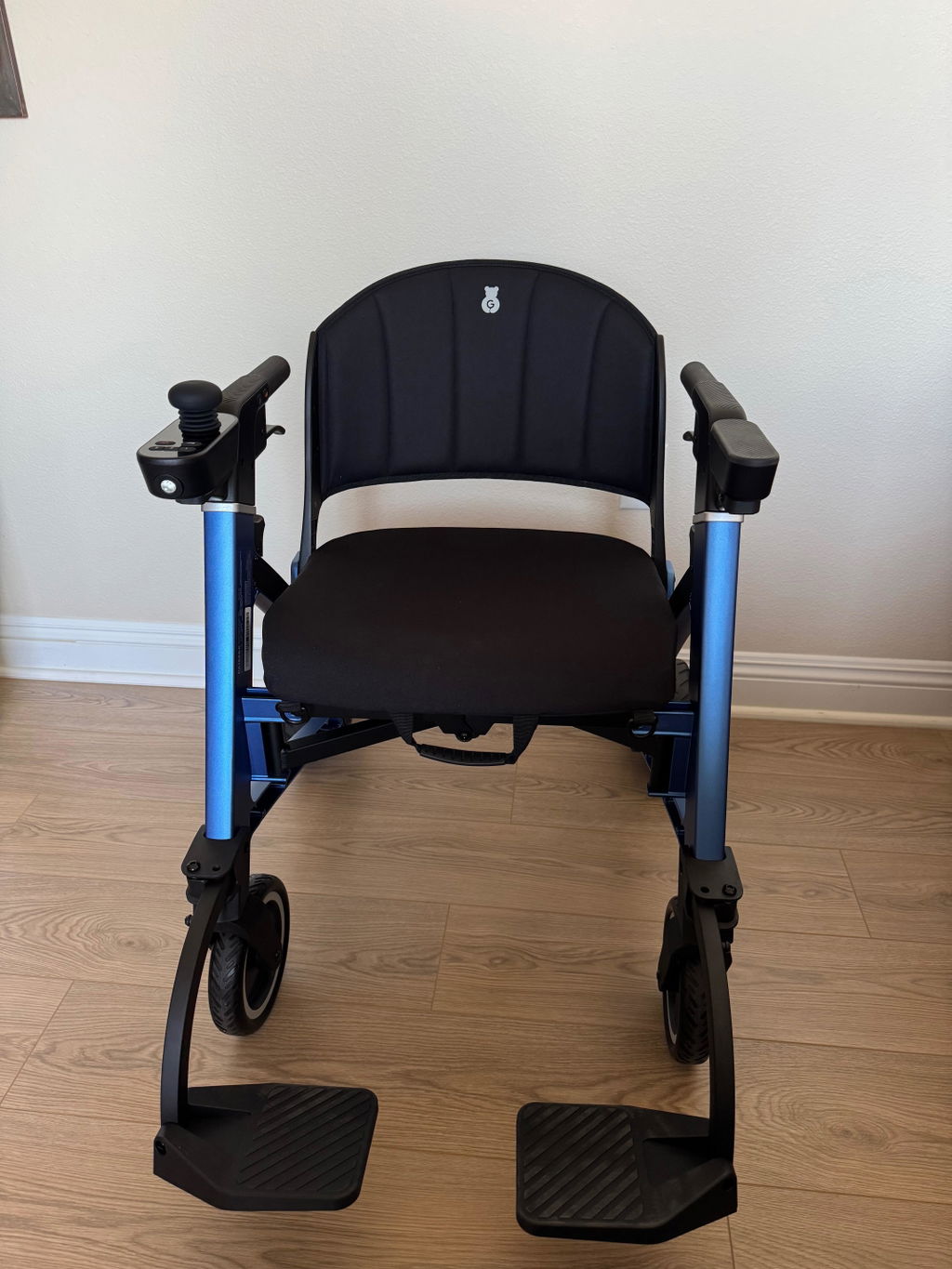
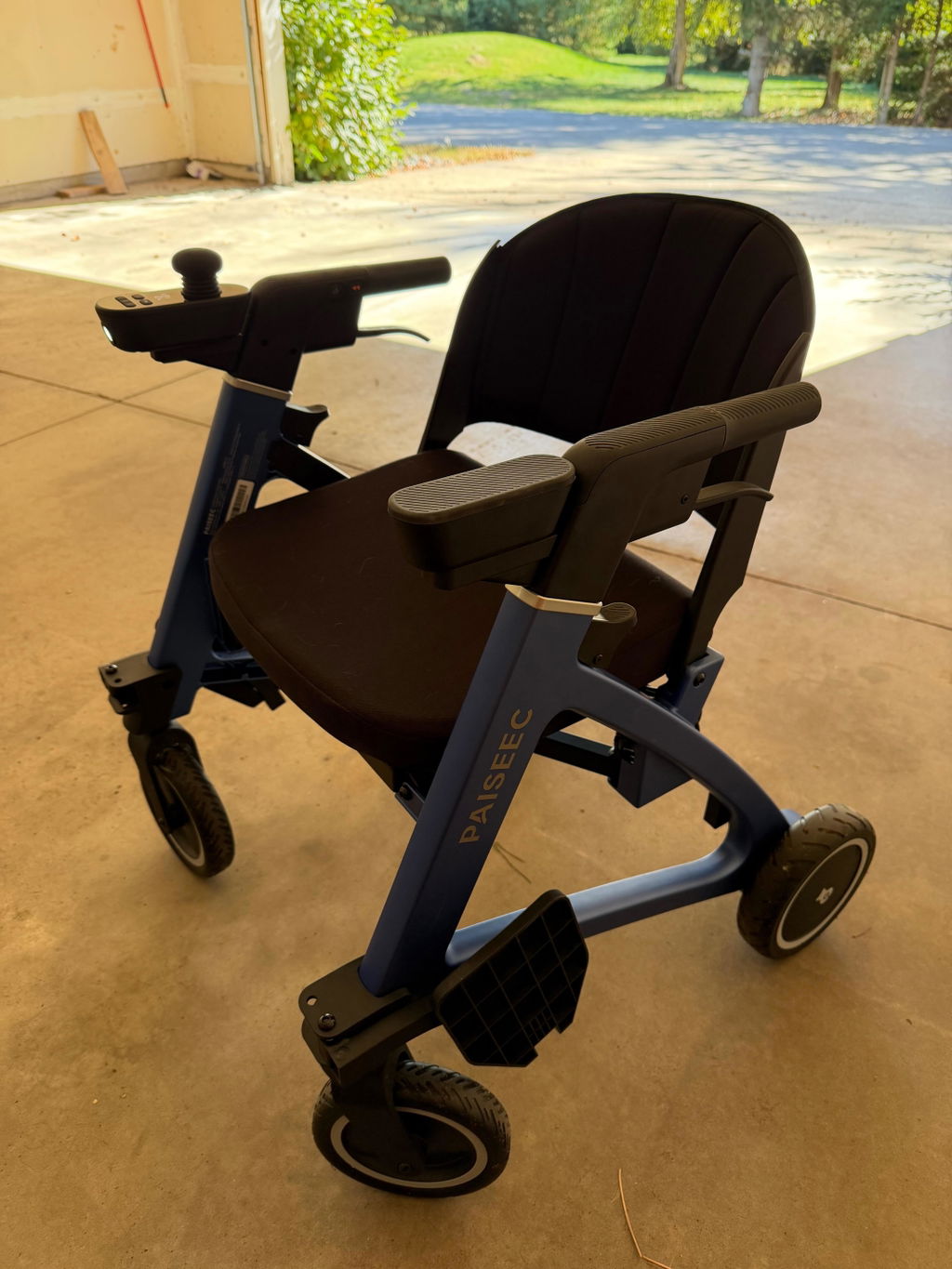
Paiseec Mobility, founded in 2021, develops mobility products including lightweight folding scooters, multifunction electric wheelchairs, 36V 12Ah lithium batteries, and 250W brushless motor systems. Its mobility design work also includes the PAI intelligent safety riding system, with a focus on travel convenience, stability, and responsive user support.
How Airlines Handle Power Wheelchairs and Mobility Scooters
The check-in process for an electric wheelchair flight usually begins with special-assistance staff documenting the device. The airline may measure the wheelchair, confirm whether it fits through the aircraft cargo door, inspect the battery label, and ask how to turn off the power.
At the gate, staff may transfer you to an aisle chair if you cannot walk to your seat. Your power wheelchair is commonly gate-checked, moved to the cargo hold, and returned at the aircraft door or baggage area depending on the airport process and aircraft configuration.
Before surrendering the chair, place a prominent handling card on the backrest. State how to switch the wheelchair off, where the freewheel levers are, how to lift the device, what parts must not be lifted, where the battery is stored, and how to reinstall any removed battery.
Use a durable label such as: “Do not lift by armrests, joystick, footrests, wheels, or battery cover.” Clear handling instructions reduce the risk of damage to a folding electric wheelchair, reclining power chair, joystick controller, anti-tip wheels, and removable seating components.
Airline Battery Rules by Travel Scenario
Domestic flights with an electric wheelchair battery
For domestic air travel, contact the airline directly instead of relying only on a retailer’s airline approved claim. A mobility device can comply with general safety guidance while still requiring advance approval from a particular carrier.
Provide accurate details early. An electric wheelchair with a 240Wh removable lithium battery may be easier to process than a chair with an unlabeled battery, even if both devices are physically similar.
International flights with a power wheelchair
International travel adds complexity because each segment may have a different airline, airport contractor, aviation authority, and transfer process. A wheelchair battery approved by the outbound airline might require separate confirmation from the return carrier or a codeshare partner.
Check every flight number, including domestic connections inside another country. Ask whether the airline follows International Air Transport Association dangerous-goods procedures and whether it requires a pre-travel mobility device form.
Cruise and airline travel with mobility batteries
If you are flying to a cruise port, check both the airline battery rules and cruise line mobility scooter battery policy. Cruise operators may have lift dimensions, cabin doorway limitations, charging rules, and restrictions on storing a scooter in public corridors.
A compact folding electric wheelchair with a clearly marked removable battery can simplify airport and cruise-terminal movement. Still, battery acceptance must be confirmed separately for each company.
Real Travel Cases and Cost Impact
A traveler using a 24V 12Ah, 288Wh removable lithium battery can remove the battery before gate check, carry it in a protective case, and reduce confusion about where the power source is located. For a week-long city trip, this type of setup can support daily hotel-to-attraction trips while maintaining a battery size commonly associated with airline cabin handling.
Another traveler using a 36V 12Ah, 432Wh battery may gain greater range but faces more planning complexity. If the battery cannot be removed within the relevant limit, the traveler must confirm that the installed battery and wheelchair design meet the airline’s cargo-handling requirements before the ticket is finalized.
The financial impact of poor preparation can be significant. Last-minute mobility equipment changes may lead to emergency rental costs, inaccessible transportation, missed activities, or an unusable chair after improper handling. A battery label, advance airline approval, and a clear wheelchair handling sheet cost little compared with disrupted travel.
Choosing a Travel Electric Wheelchair Battery
Choose the battery after matching your real travel needs to the aircraft rules. The best airline approved electric wheelchair battery is not always the largest battery or the cheapest battery.
Consider daily range first. Estimate hotel distances, airport terminals, tourist attractions, pavement conditions, slopes, user weight, luggage load, and cold-weather performance. A battery that provides adequate range with a comfortable reserve is often more practical than an oversized battery that complicates flights.
Then consider removability. A removable battery can make security, airport storage, airline acceptance, and battery replacement easier. A built-in battery may offer a cleaner design and greater capacity, but it requires confident coordination with airline staff.
Finally, consider the wheelchair itself. A lightweight electric wheelchair should fold securely, fit common vehicle trunks, protect its joystick, withstand cargo handling, and include clear instructions for battery removal and freewheel operation.
Electric Wheelchair Battery Safety Before Flying
Never fly with a swollen, cracked, leaking, overheating, recalled, water-damaged, or visibly damaged lithium wheelchair battery. Do not tape over a damaged battery housing as a substitute for proper replacement.
Charge the wheelchair battery according to the manufacturer’s instructions before leaving for the airport. Avoid improvised chargers, mismatched voltage adapters, and unverified replacement batteries. Keep the original charger in your carry-on when practical, especially when visiting multiple hotels or traveling internationally.
Turn the chair completely off before gate check. Remove the key if applicable, disable the joystick, engage the travel lock, and use the manufacturer’s instructions to prevent accidental activation. Airlines and ground handlers need a device that remains stable and cannot move during transport.
Airline Approved Battery Documents to Carry
Bring a concise mobility travel packet in paper and digital form. Airline staff may not need every document, but having them available can save time.
Include the battery manufacturer specification sheet, a photo of the battery label, the wheelchair user manual, battery removal instructions, power-off instructions, freewheel instructions, charger specifications, airline approval record, and emergency contact information for the manufacturer or retailer.
The most useful document is usually a one-page wheelchair handling guide. Use plain language, large print, diagrams if available, and direct instructions for lifting, securing, disconnecting, and restarting the power chair.
Future Trends in Airline Approved Mobility Batteries
Electric wheelchair battery technology is moving toward lighter battery packs, clearer watt-hour labeling, modular removable designs, improved battery-management systems, and more durable protective housings. These advances can help travelers balance range, portability, and airline compliance.
Airlines are also improving disability procedures, employee training, handling documentation, and accountability for damage to wheelchairs. Travelers should still prepare carefully, because safe mobility-device handling depends on communication between the passenger, airline, airport contractor, and destination support team.
For travelers comparing an airline approved electric wheelchair battery, begin with the battery label, calculate the watt-hour rating, confirm the battery’s removable status, and request written guidance from every airline on your itinerary. Choosing a properly documented power wheelchair battery and preparing a clear handling plan gives you the strongest foundation for safer, more independent air travel.
Leave a comment
This site is protected by hCaptcha and the hCaptcha Privacy Policy and Terms of Service apply.